
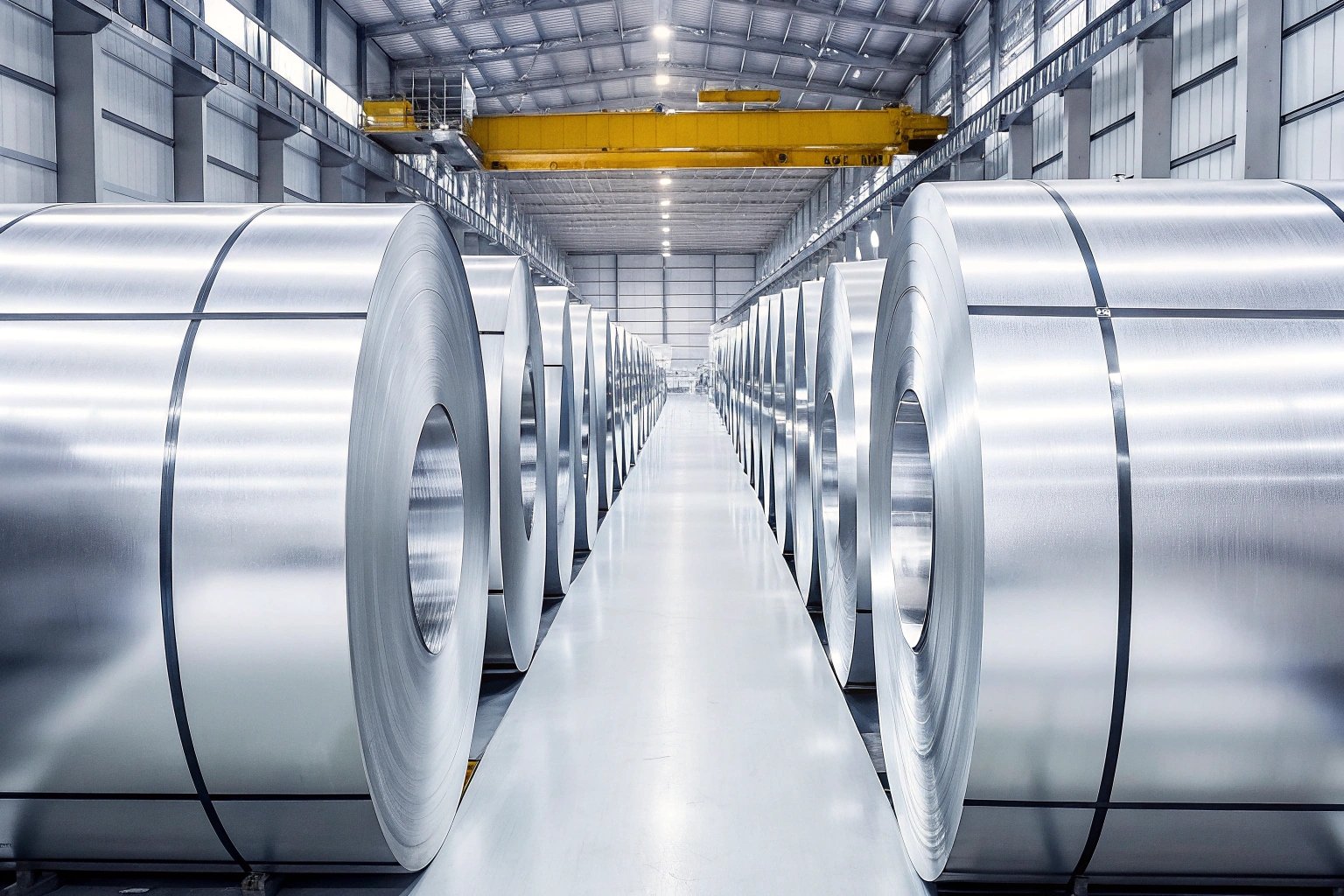
Choosing the wrong steel thickness can ruin your production line and damage your reputation. As a manufacturer, I see this often. Let me help you find the perfect gauge.
For most food cans, the standard Electrolytic Tin Plate (ETP) thickness ranges from 0.18 mm to 0.25 mm. However, if you produce pressurized drinks, you need 0.22 mm to 0.30 mm, while lightweight snack cans often use thinner gauges around 0.15 mm to 0.18 mm.
Getting this number right is about more than just specs; it is about safety, efficiency, and your bottom line. If the plate is too thin, you risk leaks. If it is too thick, you are wasting money. Let’s look at the details to help you make the right choice.
What is the standard thickness range for Electrolytic Tin Plate for food can manufacturing?
There is a lot of confusion about "standard" sizes because different factories use different metrics. This confusion often leads to over-ordering or under-specifying material.
I recommend sticking to the 0.18 mm to 0.25 mm range for standard food cans like vegetables or fruits. This "sweet spot" balances structural rigidity with material costs effectively for the majority of our global partners.
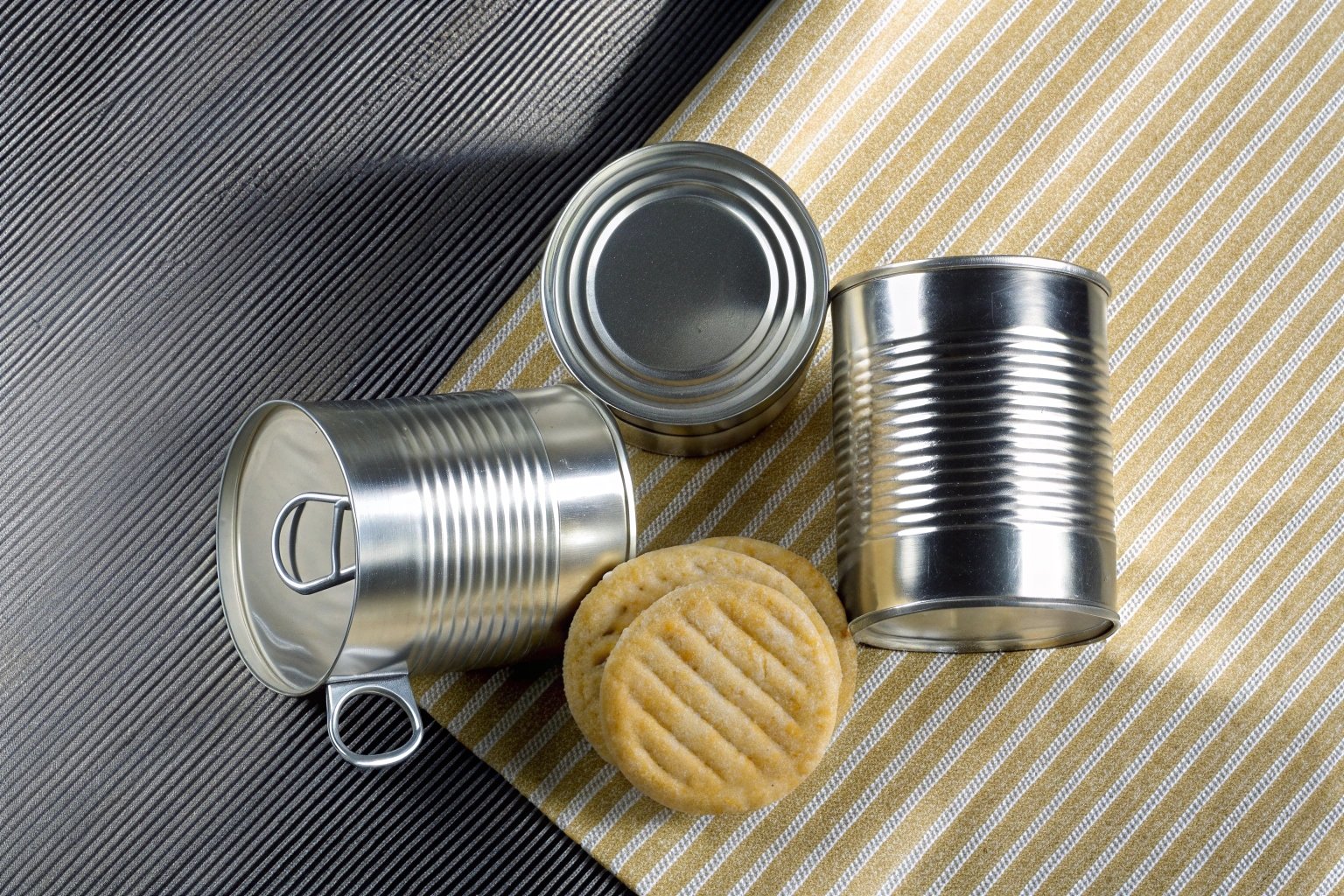
When we talk about the thickness of Electrolytic Tin Plate (ETP) 1, we are discussing the foundational strength of your packaging. At Huajiang, we handle massive volumes of steel—nearly 100,000 tons in stock—and we see clear patterns in what works for different products globally. The thickness you choose acts as the first line of defense for the food inside. It must withstand the pressure of the canning process, the extreme heat of sterilization 2, and the physical stress of international shipping.
For general food cans, such as those used for corn, peas, or peaches, the industry has settled on 0.18 mm to 0.25 mm as the gold standard. This range provides enough strength to prevent the can from collapsing under vacuum pressure (paneling) but is thin enough to remain cost-effective. If you go below 0.18 mm for a standard 400g vegetable can without specialized beading, you risk the can walls sucking inwards once the product cools.
However, we must look at specific applications to be precise. If you are packaging high-pressure items, like carbonated drinks or gas-filled food cans, the internal pressure pushes outward. In these cases, a thickness of 0.22 mm to 0.30 mm is safer. The extra steel prevents the can from deforming or exploding. Conversely, for "dry" products like cookies or milk powder, there is no internal vacuum or pressure. Here, you can save money by using "lightweight" gauges, sometimes as thin as 0.15 mm, provided your forming equipment is precise enough to handle such thin material without tearing it.
Another critical factor is the acidity of the food. Highly acidic foods, like pickles or tomato paste, can attack the metal. While the tin coating and organic lacquer 3 are the primary barriers, a slightly thicker base metal (around 0.30 mm) provides an extra safety margin against corrosion-related failures. We always advise our clients to look at the "worst-case scenario" for their supply chain when picking a thickness.
Common Thickness Applications
| Application Type | Typical Thickness Range | Key Requirement |
|---|---|---|
| Standard Food Cans | 0.18 mm – 0.25 mm | Balance of vacuum resistance and cost. |
| High-Pressure Cans | 0.22 mm – 0.30 mm | Must resist outward expansion/bursting. |
| Dry/Snack Cans | 0.15 mm – 0.18 mm | Lightweight, mostly for physical shape. |
| Large Institutional Cans | 0.28 mm – 0.35 mm | Structural integrity for large volumes (e.g., 3kg+). |
How do I determine the correct thickness for my can body vs. ends?
Many buyers assume the can body and the lid (end) should be the same thickness. This is a misconception that can lead to sealing failures.
From my experience on the factory floor, can ends usually require slightly thicker material than the body to handle seaming pressure. I suggest keeping the ends 0.01 mm to 0.02 mm thicker than the body plate for optimal sealing.
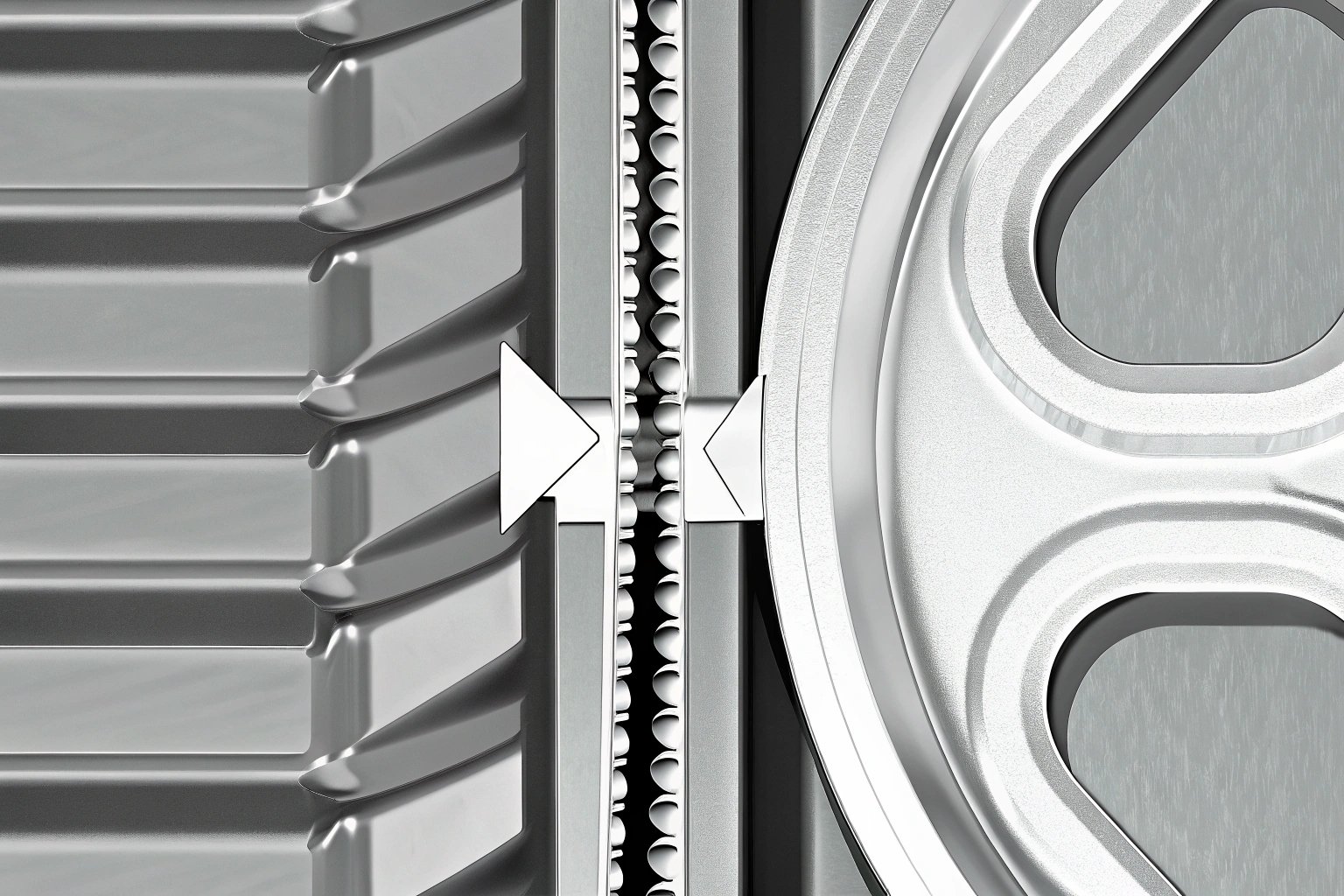
The relationship between the can body and the can end is dynamic. They perform different roles and face different stresses. Understanding this difference is the key to preventing "leakers" in your production line. The can body is essentially a cylinder. Its main job is to resist the vacuum created during the cooling process after sterilization. It needs to be stiff, but it also needs to be flexible enough to be rolled and welded (for 3-piece cans).
The can end, however, is different. It goes through a high-stress operation called double seaming 4. This is where the metal of the lid is folded over the metal of the body to create a hermetic seal. If the metal for the end is too thin, it might crack or wrinkle during this folding process. Wrinkles in the seam are the enemy of food safety because they create microscopic paths for bacteria to enter.
Therefore, the general rule of thumb in the industry is to make the end slightly stiffer and thicker than the body. For example, if you are using a 0.20 mm body, you might want to use a 0.21 mm or 0.22 mm end. This differential ensures that when the seaming chuck applies force, the body metal yields slightly to form a tight lock against the stiffer end metal to create a hermetic seal 5.
The Role of Beading
We also have to consider the "beading" on the can body. You have likely noticed the ridges on the side of a soup can. These ridges add strength, allowing you to use thinner metal for the body. Can ends do not have these ridges, so they must rely entirely on the thickness of the steel and the temper (hardness) for their strength. This is why we often see clients saving money by down-gauging the body plate while maintaining a robust thickness for the ends. It is a smart way to optimize costs without compromising safety.
| Component | Role | Recommended Strategy |
|---|---|---|
| Can Body | Holds product, resists vacuum. | Can be thinner if "beaded" (ribbed) to add strength. |
| Can End (Lid) | Seals the container, resists buckling. | Should be 0.01-0.02mm thicker or harder temper. |
| Easy Open End (EOE) | Convenience for consumer. | Requires precise scoring; usually thicker plate. |
Can I request a custom thickness tolerance for my order?
In standard commodity trading, buyers often accept whatever the factory sends. But for high-speed manufacturing, "standard" might not be good enough.
Yes, you can and should request specific tolerances. At Huajiang, we control thickness within ±0.005 mm. Tight tolerances are vital because they ensure your high-speed seaming machines run smoothly without jamming or creating loose seals.
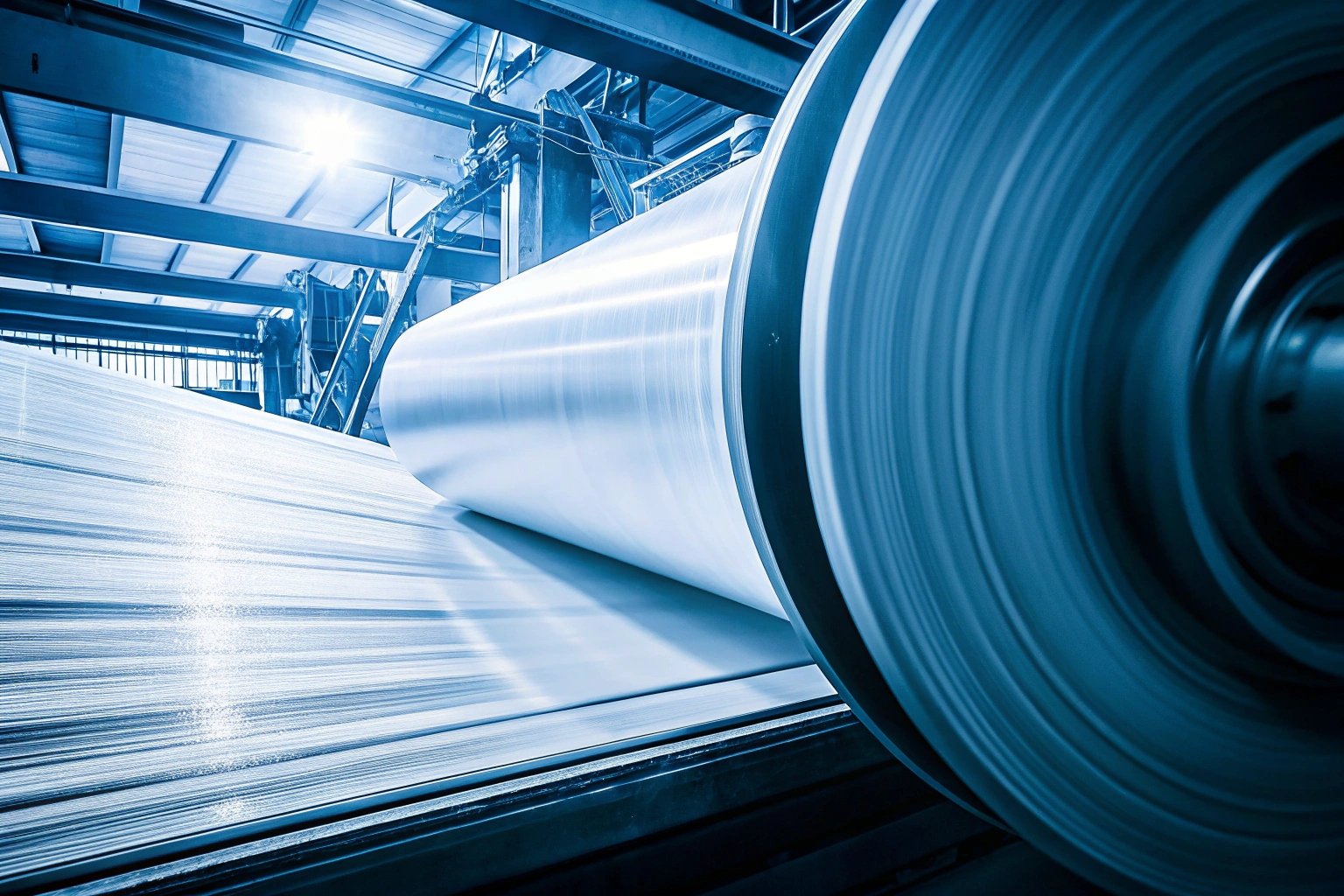
Tolerance refers to the allowable variation in the thickness of the steel sheet. No steel mill produces a coil that is perfectly flat and uniform from start to finish. There will always be tiny variations. However, the size of that variation—the tolerance 6—matters immensely to your operations.
If you order 0.20 mm tinplate, a standard mill might deliver sheets that range from 0.18 mm to 0.22 mm. This might sound small, but to a precision piece of machinery running at 500 cans per minute, it is a disaster. If a sheet is too thick, it can jam the die or damage the welding arm. If it is too thin, the double seam might be too loose, leading to leakage and spoilage.
At Huajiang, we use advanced rolling equipment, similar to the technology used by major Japanese mills (like Fuji lines). This allows us to offer much tighter tolerances, typically around ±0.005 mm. This means if you order 0.20 mm, you get metal that is between 0.195 mm and 0.205 mm. This consistency is crucial for modern can-making lines.
The Economics of Yield
Why does this matter for your profit? It comes down to "yield." If you buy steel by weight (which is the industry standard) but use it by surface area (to make cans), you want the steel to be as close to the minimum allowable thickness as possible without going under. If the tolerance is wide and the steel is on the heavy side, you are getting fewer sheets per ton. You are essentially paying for steel you do not need.
By requesting and enforcing strict negative tolerances (e.g., 0.20 mm +0/-0.01 mm), you ensure you get the maximum number of cans per ton of steel purchased. This is a sophisticated purchasing strategy that experienced buyers like Carlos use to increase their margins. They know that consistent thickness isn’t just about quality control; it is a direct financial lever.
How does thickness affect the stacking strength of my finished cans?
You might think the cardboard box carries the weight in the warehouse, but that is not true. The cans themselves bear the load.
Thickness is the primary driver of axial load strength. If you reduce thickness by just 0.02 mm, you might lose 15% of your vertical stacking strength. I always advise clients to calculate warehouse height before finalizing the steel gauge.
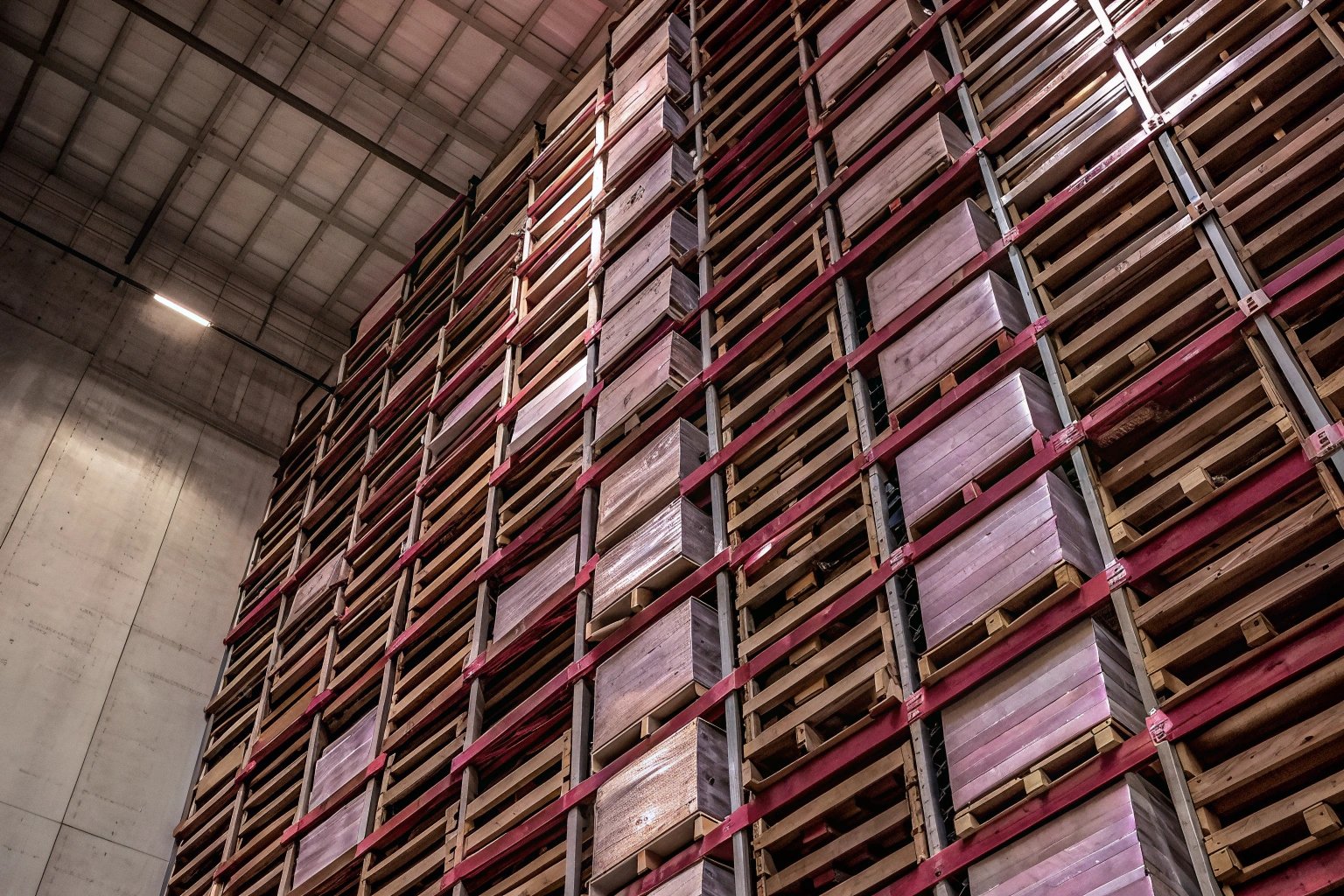
When your canned goods are finished, they are placed on pallets, and those pallets are stacked in warehouses. Sometimes these stacks go three or four pallets high. The weight on the bottom layer of cans is immense. This is called "axial load."
The thickness of the tinplate is the most critical factor in determining how much axial load strength 7 a can support. It works like a pillar in a building. A thick pillar supports a heavy roof; a thin pillar might buckle. If you choose a plate that is too thin in an attempt to save money, you might find that the bottom cans in your warehouse begin to crush or "concertina" (collapse like an accordion) under the weight of the cans above them.
This is not just about the warehouse. It is also about the shipping container. When sending goods from China to Mexico or Spain, the ship moves and sways. This dynamic movement puts extra stress on the stacks. If the cans are on the borderline of being too thin, the motion of the ocean can cause a collapse inside the container.
Balancing Cost vs. Risk
We often see clients try to reduce thickness to cut costs. For example, moving from 0.22 mm to 0.20 mm saves about 4-5% in material cost. However, that small reduction can drop the axial load strength significantly. If you do reduce thickness, you must compensate.
The most common way to compensate is by adding beads 8 or ribs to the can body. These ribs act like the corrugation in cardboard, adding vertical stiffness. However, beading can affect the label application. So, before you finalize your order specs, ask yourself: How high will these be stacked? If you stack 5 pallets high, you cannot use the minimum thickness. You need that extra 0.02 mm as insurance against a warehouse collapse.
Do you offer different thickness options for 2-piece vs. 3-piece cans?
The manufacturing method dictates the metal properties. You cannot use the same steel for a drawn can as you do for a welded can.
Absolutely. Two-piece cans require ductile steel that can stretch without tearing, often around 0.17 mm to 0.24 mm. Three-piece cans rely more on body stiffness, so we usually recommend a harder, slightly thicker temper between 0.18 mm and 0.25 mm.
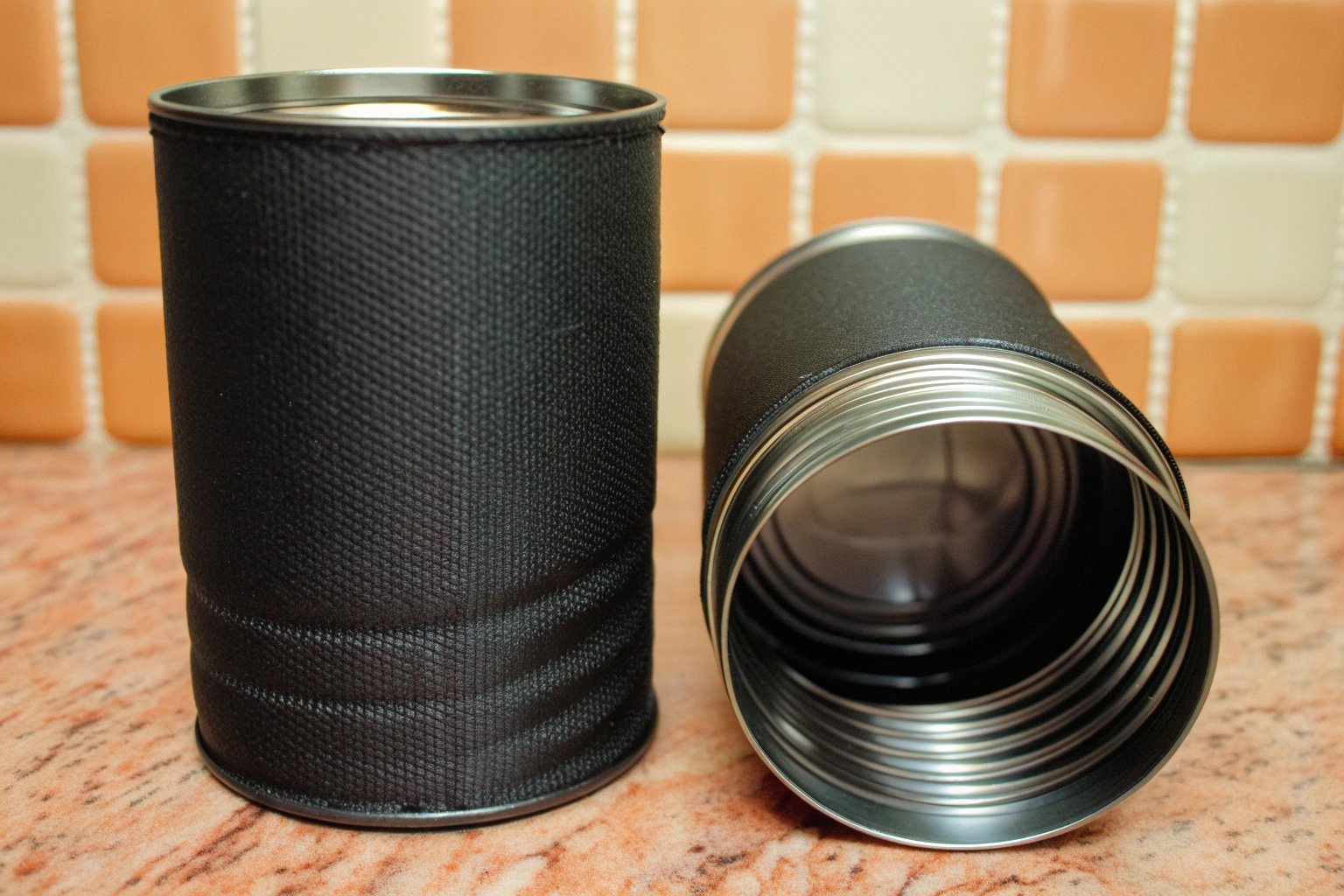
To understand thickness here, we must understand the process. A 3-piece can (the traditional food can) is made by taking a flat rectangular sheet, rolling it into a cylinder, and welding the side. This process is gentle on the metal. The main requirement is that the sheet stays flat and stiff. Therefore, we often use Double Reduced (DR) steel 9 or harder tempers (like T4 or T5) with a standard thickness range of 0.18 mm to 0.25 mm. The stiffness helps the can hold its round shape.
A 2-piece can (often used for tuna, sardines, or beverages) is different. It starts as a flat disc and is "drawn" or punched into a cup shape. This is a violent process for the metal. The steel must flow and stretch. If the steel is too hard or thick, it will crack. If it is too thin, it will tear.
For 2-piece cans, we generally provide Single Reduced (SR) steel 10 which is softer and more ductile. The thickness usually sits between 0.17 mm and 0.24 mm. Interestingly, for 2-piece cans, the thickness of the starting sheet is not the final thickness of the can. During the drawing process, the walls of the can get stretched and become thinner, while the bottom remains close to the original thickness.
The "Draw Ratio"
This means the specification process is different. For a 3-piece can, you order the thickness you want the final can to be. For a 2-piece can, you order the thickness required to survive the drawing process. We help our clients calculate this "draw ratio." If you are making a deep can (like a tall tomato paste can) using a 2-piece method, you need a very specific thickness and grain structure in the steel to prevent "earing" (uneven edges) or tearing.
| Feature | 3-Piece Can | 2-Piece Can |
|---|---|---|
| Process | Roll, Weld, seam bottom/top. | Cup, Draw, Iron (stretch). |
| Steel Needs | Stiffness, Flatness. | Ductility, ability to stretch. |
| Typical Thickness | 0.18 mm – 0.25 mm | 0.17 mm – 0.24 mm |
| Ideal Temper | Harder (T3, T4, DR8). | Softer (T1, T2, T3). |
Conclusion
Choosing the right thickness balances safety, machine efficiency, and cost. We have the inventory and expertise to help you find that balance.
Would you like me to send you a free sample kit with different thickness gauges so you can test the rigidity yourself?
Footnotes
1. Overview of ETP properties and applications in packaging. ↩︎
2. Details on thermal processing requirements for canned foods. ↩︎
3. Types of protective coatings for food safety compliance. ↩︎
4. Technical guide to the mechanics of double seaming. ↩︎
5. Importance of airtight sealing for long-term food preservation. ↩︎
6. International standards for metal sheet thickness variations. ↩︎
7. Testing methods for container vertical weight resistance. ↩︎
8. Structural benefits of adding ribs to can bodies. ↩︎
9. Properties of harder, thinner steel for cost efficiency. ↩︎
10. Characteristics of ductile steel used for drawn cans. ↩︎