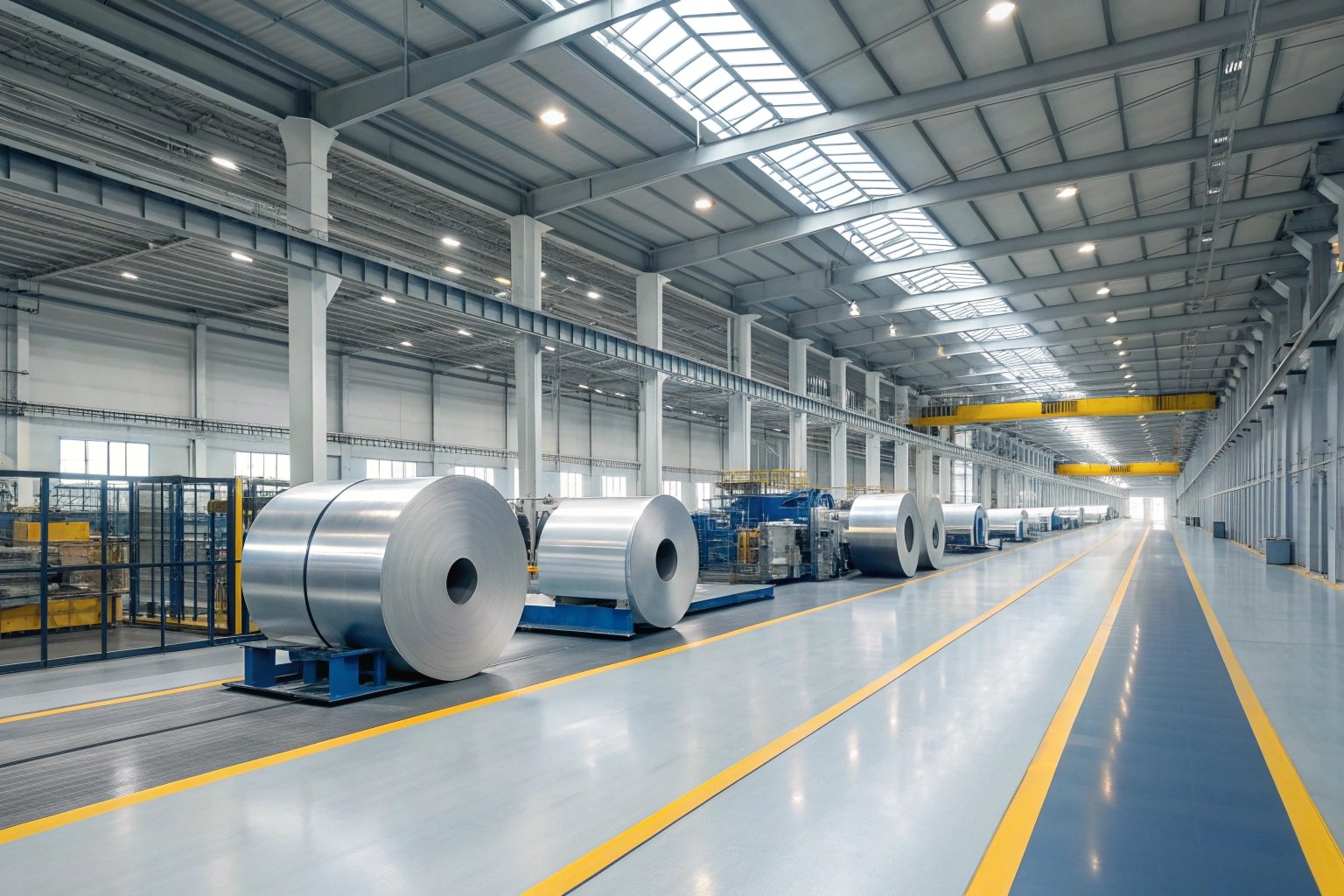

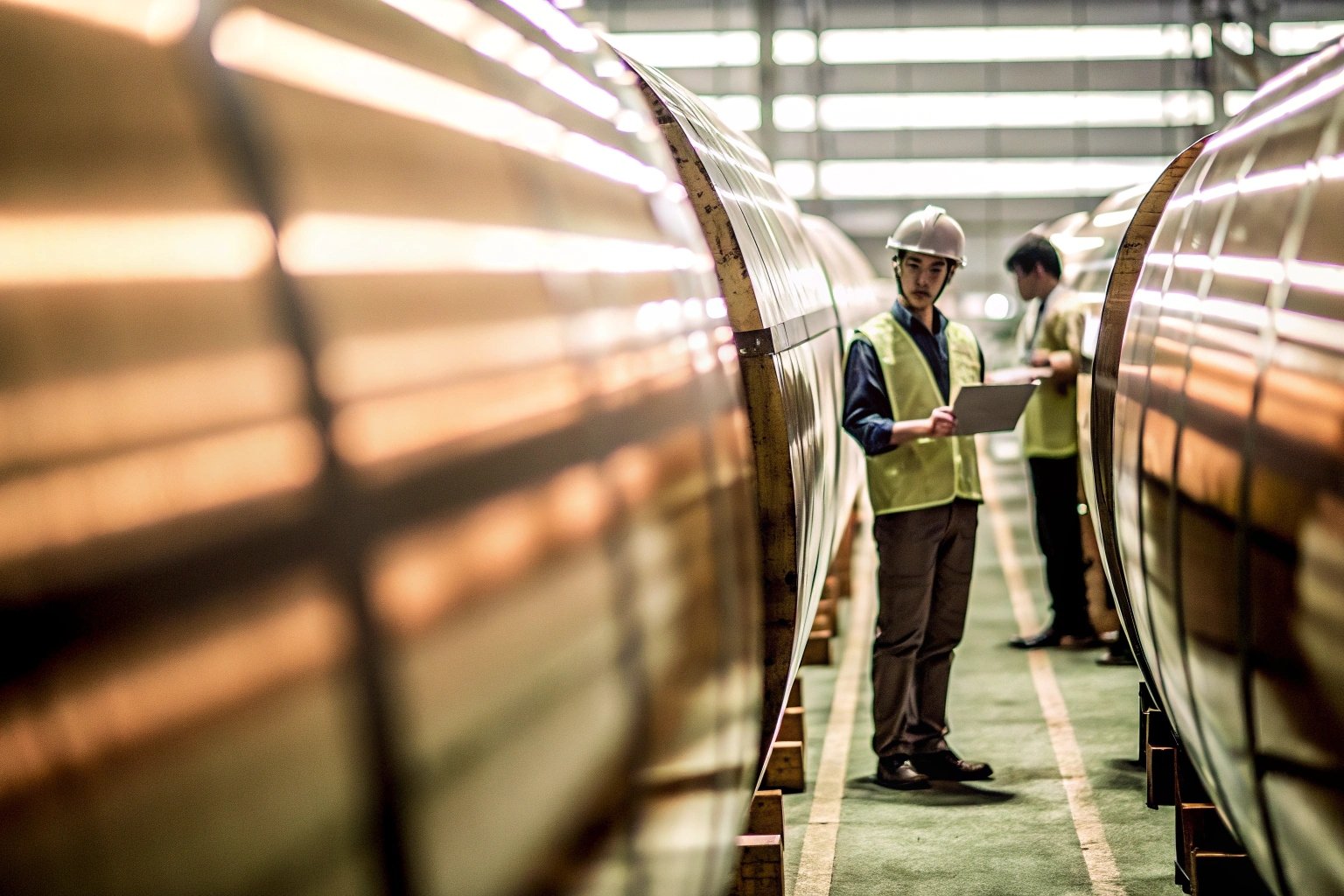
As a manufacturer with 27 years of experience in Fujian, I know the deep fear of receiving rusty or off-spec tinplate. It destroys your production line and damages your hard-earned reputation with food brands.
Checking ETP quality requires verifying standards like GB/T 2520 or ASTM A623, confirming tin coating weight, and conducting physical tests. You must demand Mill Test Certificates and consider third-party inspections to ensure the material meets your specific canning requirements.
Let me guide you through the practical steps I recommend to my clients in Mexico and Europe to ensure they get exactly what they ordered.
Can I hire SGS to inspect the goods at your Fujian factory?
You might worry about paying for goods that look different from the samples. This is a valid concern when buying from a new overseas supplier for the first time.
Yes, you absolutely can. We welcome SGS or any third-party inspector to our Fujian facility. They verify the quantity, check the packing, and randomly test the tin coating thickness to prove the goods match your order perfectly before shipping.
Why Third-Party Inspection Matters
For a buyer like you, who values safety and consistency, trusting a new factory can be hard. I understand that completely. In my 27 years of running Huajiang, I have seen many buyers get burned by trading companies that promise high quality but deliver scrap metal. This is why I always encourage my new partners to hire an inspector.
When you hire a company like SGS 1, BV, or Intertek, you are buying peace of mind. These inspectors act as your eyes and ears on my factory floor. They do not care about my profit; they only care about the facts. They will open the crates, measure the dimensions, and weigh the coils.
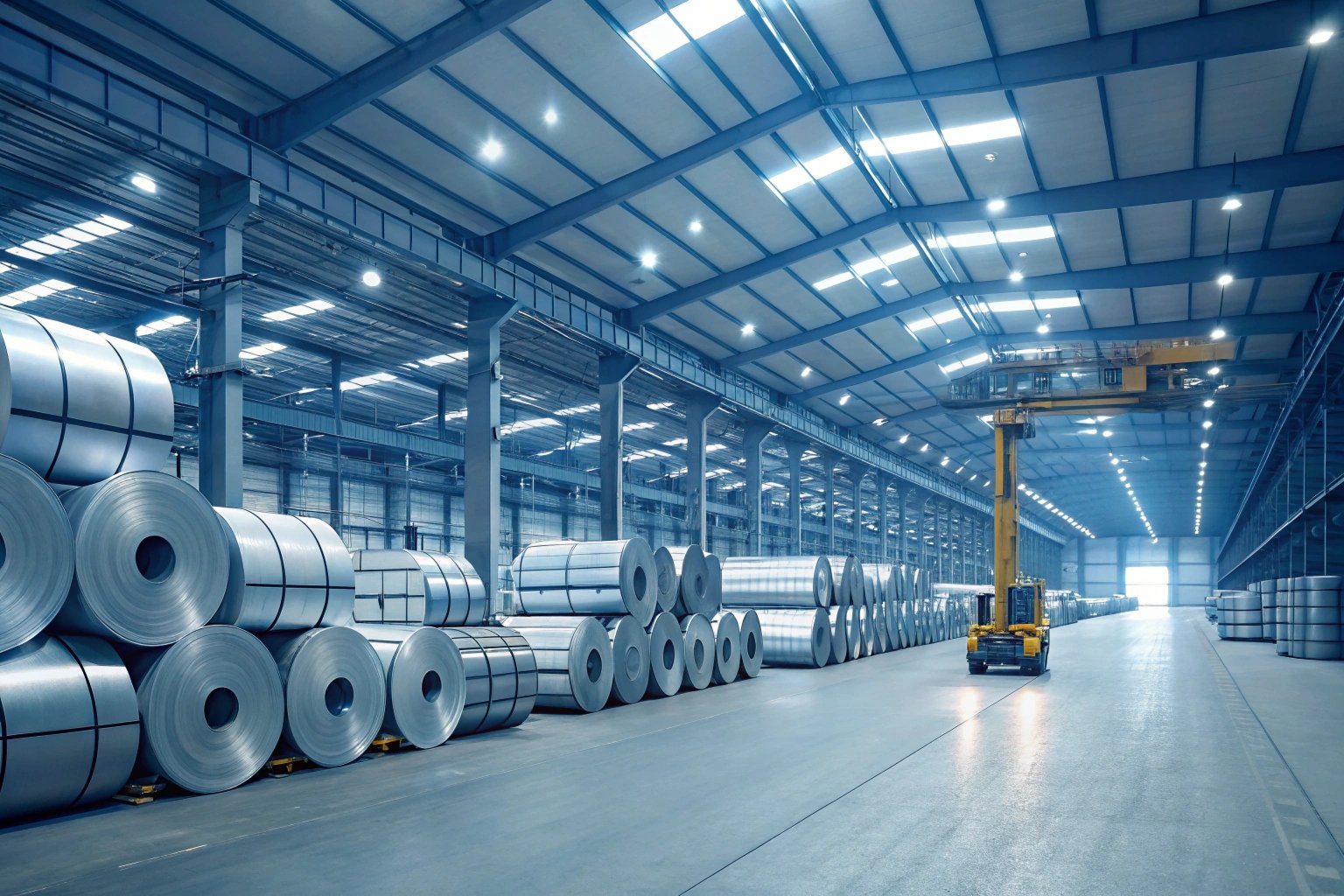
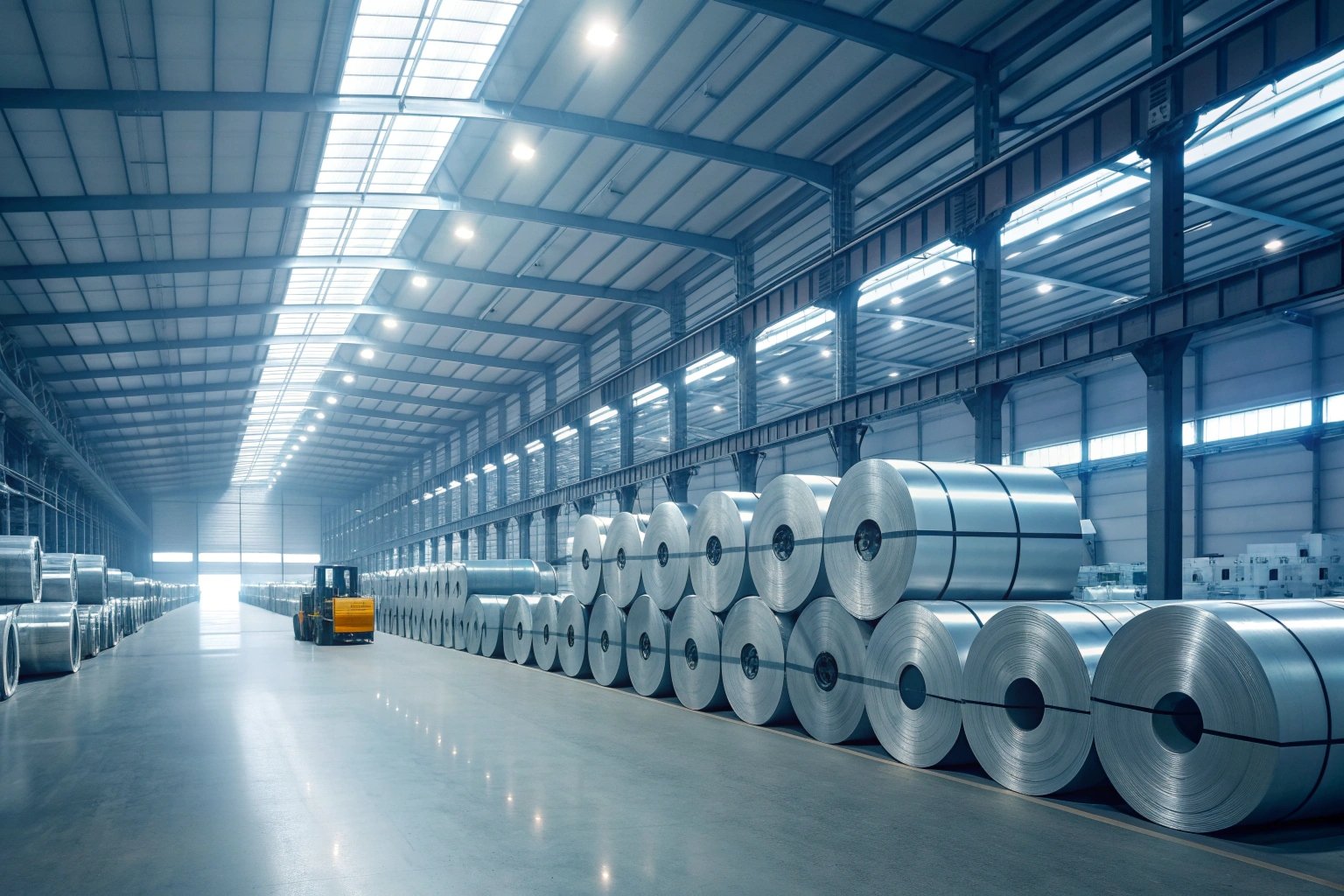
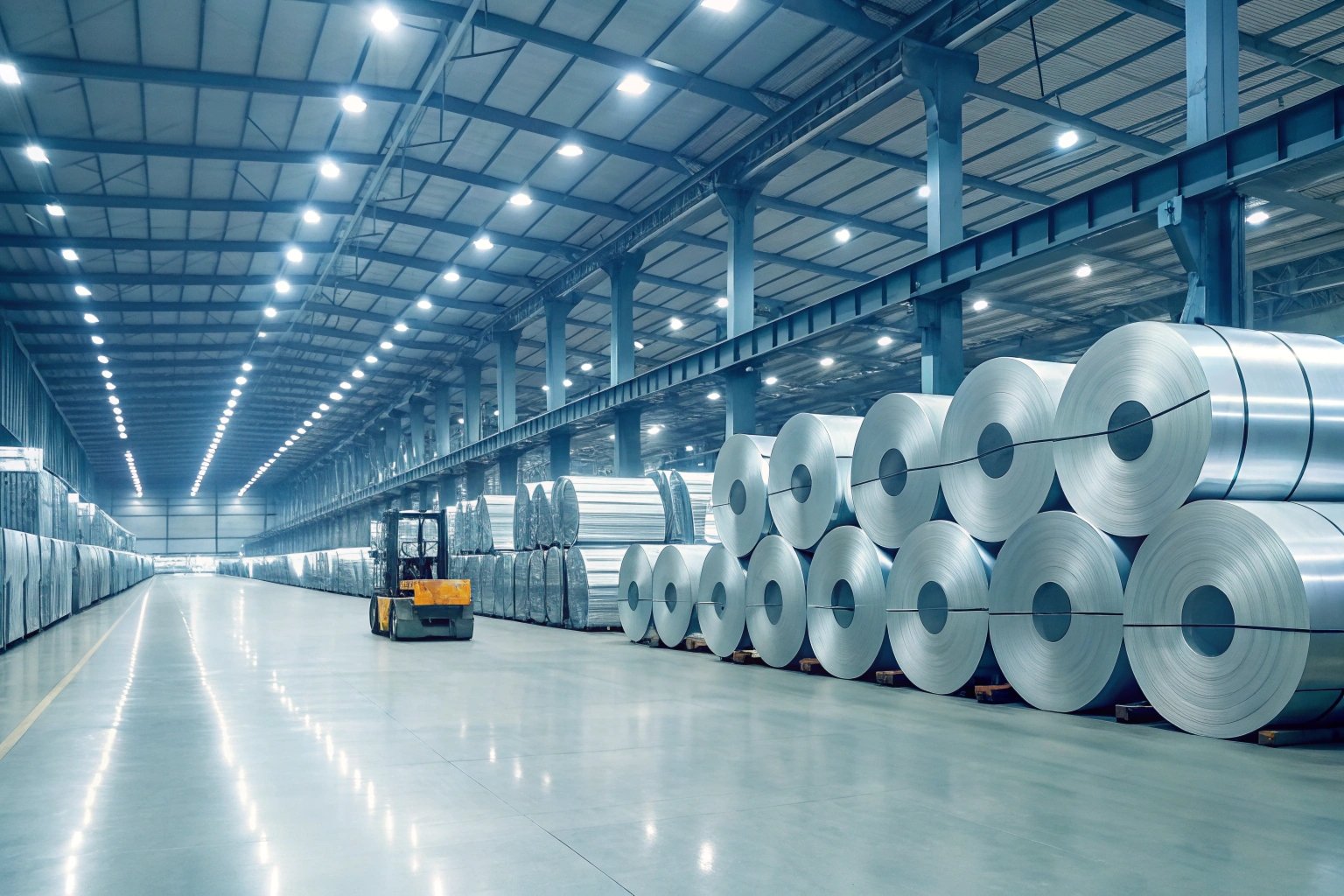
At our facility in Fujian, we have nothing to hide. We have 5 modern coating lines and over 1,800 employees. We are used to these inspections. We designate a specific area in our warehouse for the inspectors to work. We provide them with the tools they need, but we let them choose which coils to test. This randomness is key. It proves that our quality is consistent across the entire 10,000-ton inventory, not just on a few "golden samples."
What the Inspector Should Check
If you decide to hire SGS, you need to give them a clear list of tasks. Do not just tell them to "check the quality." You must be specific. Based on my experience with clients in Mexico and Spain, here is a detailed checklist you should use to ensure nothing is missed.
First, ask them to check the Tin Coating Weight. They use a special device to measure how much tin is on the steel. If you ordered 2.8g/m², the machine must read 2.8g/m² or higher. If it reads lower, the can will rust, and the shelf life of the food will be compromised.
Second, they must check the Dimensions and Squareness. If the width is off by even 1 millimeter, it might not fit your cutting machine. This causes huge waste. For sheets, if the corners are not exactly 90 degrees, your printing will be misaligned.
Third, they must check the Packaging. The ocean air is salty and wet. If the waterproof paper or the wooden pallet is weak, moisture will get in. Moisture leads to rust before you even open the container. The inspector should verify that desiccant bags 2 are present and that the steel strapping is tight.
Comparing Inspection Options
To help you decide, I have made a simple table comparing relying on my factory report versus hiring an external inspector.
| Feature | Huajiang Factory Report | SGS/Third-Party Inspection |
|---|---|---|
| Cost | Free (Included) | $300 – $500 per man-day |
| Trust Level | High (Based on our long-term reputation) | Very High (Independent verification) |
| Focus | Production data and internal standards | Buyer’s specific checklist |
| Timing | Done during production | Done just before loading |
| Best For | Repeat orders, long-term partners | First-time orders, high-value shipments |
For your first order with us, even though I know my quality is top-tier, I recommend you spend the extra money on SGS. It builds the foundation of our trust. Once you see the report matches my promises, we can move faster on future orders.
What visual defects should I look for in the sample photos?
A single pinhole in a sheet of tinplate can ruin a whole batch of tomato paste. I see this happen often with low-quality suppliers who do not clean their steel properly.
You must look for rust spots, pinholes, and uneven coating patterns. Check for burrs on the edges which affect welding. Also, ensure there are no oil stains or scratches that could prevent the lacquer from sticking correctly to the metal surface.
The Danger of "Invisible" Defects
When I send you photos of our tinplate, everything might look shiny and silver. But as a professional, you need to look closer. The most dangerous defects are the ones that are hard to see at a glance.
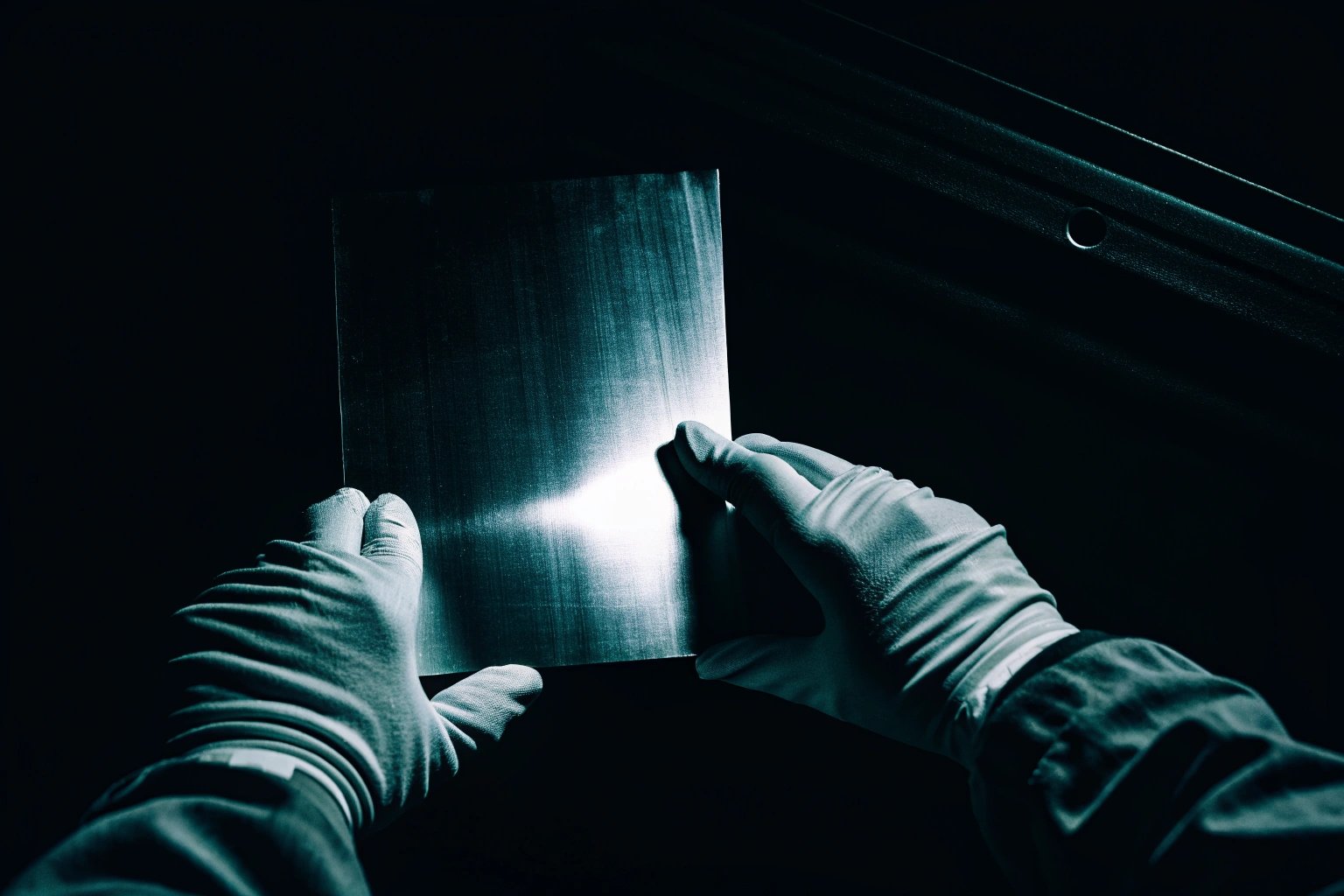
In the canning industry, especially for acidic foods like tomato paste or fruits, Pinholes are the enemy. A pinhole is a tiny hole that goes all the way through the steel. If you make a can from this, it will leak. Bacteria will get in. The food will spoil. This is a disaster for food safety standards 3 like FDA or EU regulations. When you look at photos, or better yet, physical samples, hold the sheet up to a strong light. If you see a tiny star of light coming through, that sheet is trash.
Another defect that is hard to spot but deadly is Lüders Lines. These are stretch marks on the metal that appear when the steel hasn’t been properly tempered or leveled. If you try to print on steel with Lüders lines, the ink will look distorted. The brand logo will look cheap. For high-end food brands, this is unacceptable.
Surface Conditions to Watch
Apart from holes, you need to check the Surface Finish. Is it clean? If there is too much oil, your lacquer 4 will not stick. If the lacquer peels off inside the can, the acid in the food will eat the metal. This causes hydrogen gas to build up. The can will swell. We call this a "Fat Can" or "Hydrogen Swell." It is a huge loss.
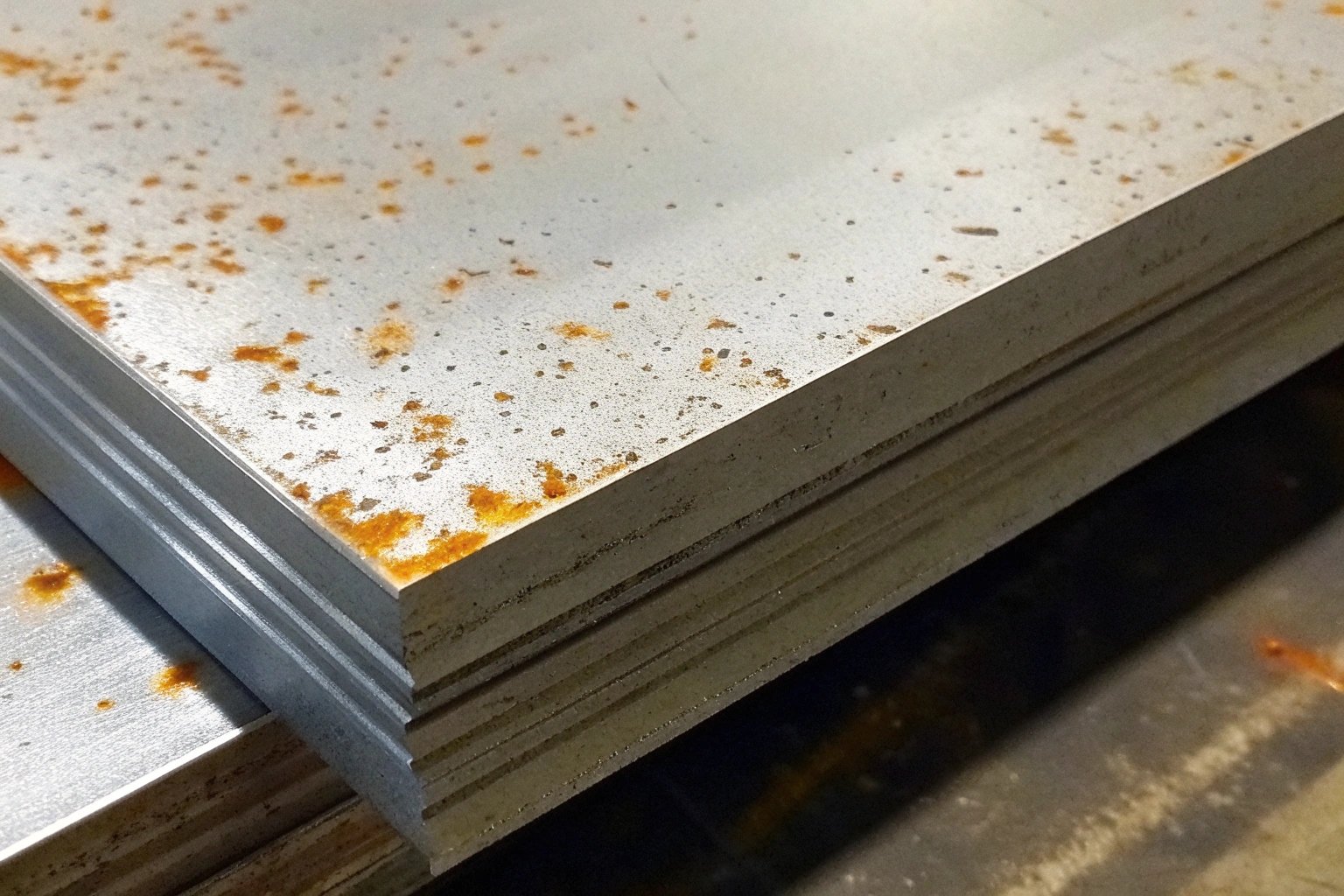
You also need to look for Rust. Rust usually starts at the edges. If you see orange or brown marks on the edge of the coil in the photo, do not buy it. It means the factory did not protect the steel from humidity. Even if the face of the sheet looks okay, the rust on the edge will contaminate your machines.
Identifying Common Defects
I want to share a breakdown of defects I train my own quality control team to spot. You can use this when you review the photos I send you.
| Defect Name | What it Looks Like | The Risk to Your Business |
|---|---|---|
| Pinholes | Tiny dots of light | Leakage and food spoilage |
| Burrs | Rough, sharp edges | Cuts workers, damages welding machines |
| Oil Stains | Dark splotches or streaks | Lacquer peeling, "Fat Cans" |
| Rust | Orange/Brown powder | Contamination, rejected final product |
| Thickness Wave | Uneven sheet thickness | Jams in the printing or cutting line |
My Advice on Samples
Photos are good, but they can be edited. I always tell my serious clients: let me send you a physical sample. I can send you two sheets of size 307E or 401E. When you get them, touch them. Feel the surface. Is it smooth? Is it clean?
You should also check the Squareness. If you buy sheets (not coils), the corners must be exactly 90 degrees. If the sheet is not square, your printing will be crooked. Your brand logo will look bad on the shelf. We use high-precision scroll shears at Huajiang to ensure every cut is perfect. But you should still check.
How do I verify the temper hardness matches my specification?
Using the wrong hardness causes cracks during the stamping process. I have helped many clients fix this issue after they bought cheap, incorrect material elsewhere.
You verify hardness by checking the Rockwell values, such as T3 or DR8, against your production needs. A simple rebound test or a laboratory tensile test confirms if the metal is soft enough for deep drawing or hard enough for can bodies.

Understanding Temper Codes and Applications
Hardness, or "Temper," is one of the most confusing parts for many buyers. But if you get it wrong, your factory stops.
We use codes like T1, T2, T3, T4, T5, and DR (Double Reduced). Think of it like this:
- T1 and T2 are soft. Like a soft cookie. You can bend them easily. We use these for deep-drawn cans 5, like a two-piece fish can (sardine cans). If the metal is too hard here, it will crack when you pull it into shape.
- T3 is medium. This is the standard for most fruit and vegetable can bodies. It is strong but still flexible enough to be rolled into a cylinder.
- DR8 or DR9 is very hard. Like a cracker. It is stiff and strong. We use this when you want to use thinner steel to save money, but you still need the can to be strong. This is common for beverage cans or stiff ends.
If you order T3 but the factory sends you T5, the metal will crack when you try to bend it into a cylinder (flanging cracks). If you order DR8 but get T3, the cans will be too soft and will collapse when you stack them on a pallet. This "axial load 6" failure can destroy an entire warehouse of finished goods.
How to Test Hardness: Lab vs. Factory Floor
How do you know what I sent you? The gold standard is the Rockwell Hardness Test (HR30T).
In our lab, we have a machine that presses a small diamond or steel ball into the metal surface. We measure how deep the dent is. A deep dent means soft metal. A shallow dent means hard metal. The result is a number, like 57 ± 3 for T3.
When you receive my sample, you might not have this machine. That is okay. You can do a simple "Springback Test." Take the sample and bend it around a cylinder of a known diameter. When you let go, watch how much it springs back. Harder metal springs back more. Softer metal stays bent. If you have a sample from your old supplier that worked well, compare it with my sample. They should feel the same.
Another simple check is the "Bend Test." Bend the corner of the sheet back and forth. Count how many times you can bend it before it snaps. Softer tempers (T1/T2) will bend many times. Hard tempers (DR8) might snap after just one or two hard bends.
Matching Temper to Your Product
I often ask my clients what they are putting inside the can. This helps me check if their temper request is correct.
For example, if you are making a Square Can for luncheon meat, you need softer metal at the corners. If the metal is too hard, the corners will rip during the expansion process. I would recommend a T2 or T3.
If you are making a Beverage Can bottom end, you need it to be very strong to hold the gas pressure (carbonation). I would recommend a DR material.
Here is a quick guide I use to help clients choose the right temper:
| Temper Code | Hardness Description | Typical Application |
|---|---|---|
| T1 / T2 | Soft / Extra Soft | Deep drawn cans (Fish, Meat), Nozzles |
| T3 | General Purpose | Bodies for fruit/veg cans, Normal Ends |
| T4 / T5 | Hard / Stiffness | Can ends, Stiff can bodies, Crown caps |
| DR8 / DR9 | Double Reduced (Stiff) | High-strength cans with thinner walls |
At Huajiang, we control the temper during the Annealing process. We have both Batch Annealing 7 (BA) and Continuous Annealing (CA).
- BA (Batch Annealed): Takes longer, produces softer, more formable steel (T1-T3).
- CA (Continuous Annealed): Very fast, produces harder, stiffer steel with consistent properties (T4-DR9).
Because we have our own annealing lines, we can hit the exact hardness you need, every time.
Do you provide a Mill Test Certificate (MTC) with every shipment?
Without proper paperwork, your customs clearance might fail, or you might use unsafe material for food. This is a nightmare for any purchasing director.
We provide a detailed Mill Test Certificate with every single coil or sheet bundle. This document proves the chemical composition, tin coating weight, and mechanical properties. It links the specific batch number to our production line for full traceability.

The Passport of Your Material
Think of the Mill Test Certificate 8 (MTC) as the passport for your steel. Without it, the steel is just a mystery roll of metal. With it, the steel has an identity and a history.
In Europe and countries with strict food laws, you cannot legally use packaging material without this document. It proves that the material is "Food Grade." It shows that the lead and cadmium levels are low enough to be safe for humans.
At Huajiang, we issue an MTC for every batch. We do not hide anything. The MTC includes the Heat Number, the Coil Number, and the Date of Production. This is vital for Traceability. If—heaven forbid—there is a problem with a can of peaches three years from now, we can use the MTC to trace the steel back to the exact day we made it. We can see who operated the machine and what raw material we used. This protects your brand liability.
How to Read an MTC
When I send you the MTC, it might look like a boring sheet of numbers. But you need to know what to look for.
First, look for the Chemical Composition. You will see symbols like C (Carbon), Mn (Manganese), P (Phosphorus), and S (Sulfur).
- Carbon (C): Controls hardness. Low carbon (<0.08%) is for soft steel.
- Sulfur (S): Must be very low. If Sulfur is high, the steel becomes brittle and can crack.
- Manganese (Mn): Adds strength.
Second, look for the Tin Coating Weight. It will be written as something like "2.8/2.8" or "5.6/5.6". This means the amount of tin on the top and bottom side. Ensure this number matches your Purchase Order. If you paid for 2.8 but the MTC says 1.1, you are being cheated.
Third, check the Temper Grade. It should clearly say T3, T4, or whatever you ordered.
Documentation and Trust
I know that in some places, factories fake these documents. They just copy and paste numbers from an old file.
That is why I encourage you to cross-check. If you hire SGS, give them my MTC. Ask them to test the sample and see if their result matches my paper. If my MTC says the coating is 2.8g, and SGS measures 2.8g, you know I am honest.
I also provide other documents you might need, like the FDA Compliance Letter or the SGS RoHS Report 9. These prove there are no heavy metals. For my clients in the EU, this is non-negotiable.
We keep digital records of all MTCs for 5 years. If you ever lose your copy, you can email me, and I will send it to you within an hour. This is part of the service that keeps my clients coming back.
Conclusion
Checking the quality of electrolytic tin plate protects your business from huge losses. By verifying the temper, inspecting for visual defects, and demanding a Mill Test Certificate, you ensure safety.
Would you like me to send you a sample of our T3 food-grade tinplate so you can test the quality yourself?
Footnotes
1. Leading inspection verification company for independent quality control. ↩︎
2. Moisture-absorbing packets essential for preventing rust during shipping. ↩︎
3. International regulations ensuring materials are safe for food contact. ↩︎
4. Protective coating applied to tinplate to prevent corrosion. ↩︎
5. Process for creating seamless metal containers from a single sheet. ↩︎
6. Vertical force measurement crucial for stacking finished cans. ↩︎
7. Heat treatment process producing softer, more malleable steel. ↩︎
8. Certified document validating material specifications and chemical analysis. ↩︎
9. Compliance report confirming the absence of hazardous heavy metals. ↩︎