
Sourcing steel from China often feels like a high-stakes poker game. You want the best price, but you are terrified of buying too much material that might just sit in your warehouse gathering dust. I talk to buyers every day who worry about tying up their cash flow 1 in inventory they do not immediately need. It is a valid fear. I want to clear up the confusion about Minimum Order Quantities 2 (MOQ) so you can plan your purchasing strategy without the stress.
For most standard Electrolytic Tin Plate orders, Chinese mills require a minimum of 25 metric tons, which is roughly one full container. However, if you buy from stock inventory, this can be as low as 1 to 5 tons. Custom sizes or coatings may require up to 50 tons.
At Huajiang, I see many clients struggle with these rigid numbers. You want to buy enough to secure a competitive rate, but you need the flexibility to manage your budget. It is a delicate balance. Let’s look at how we can make these rules work for your business.
Can I combine different tempers or sizes in one container?
It is incredibly frustrating when you have a specific production plan that requires three different specifications, but the supplier says "no." You do not want to be forced to buy three full containers when you only need a partial load of each.
Yes, you can combine different sizes, but there are limits. Usually, mills allow 2 to 3 different specifications in one container if they are from stock. If it is a fresh production run, the mill might refuse or charge extra fees for changing the machine settings.
Let’s dive deeper into why this is such a tricky issue. In the steel industry 3, efficiency is the holy grail. When we run a production line, we want to run the same thickness, temper, and coating for as long as possible. Imagine a giant printing press. If you have to stop the machine to change the paper size or the ink color every 10 minutes, you lose a massive amount of time and money. It is exactly the same with tinplate manufacturing.
[Image of continuous annealing process diagram]
If you ask a mill to produce 5 tons of Temper T3 and 5 tons of Temper T4, they have to stop the annealing process 4. This is the heating process that sets the hardness of the steel. Changing the temperature and speed of the furnace takes time. This creates waste and delays. That is why big state-owned mills often say "No, 25 tons per size minimum." They are built for speed, not flexibility.
However, I understand that your business is not a steel mill. You are making cans for food. Maybe you need 0.18mm thickness for small tomato paste cans and 0.21mm for larger sardine cans. You cannot wait for two separate shipments, and you certainly do not have the space to store 50 tons of steel.
Here is how we handle it at Huajiang. Since we have our own cutting and coating lines, we act as a buffer between you and the giant steel furnaces. We can take a large master coil 5 and cut it into different lengths for you. This allows us to mix different sheet sizes in one container easily.
But, mixing tempers (hardness) is harder because that happens at the raw material stage. If you need to mix tempers, the best solution is to check our stock list.
Here is a simple breakdown of what is easy to mix versus what is hard:
| Requirement | Feasibility | Why? |
|---|---|---|
| Different Lengths | Very Easy | We just adjust the cutting machine settings. |
| Different Widths | Moderate | We need to physically change the slitting knives. |
| Different Tempers | Hard | Requires different raw coils from the furnace. |
| Different Coatings | Moderate | Requires stopping the printing/coating line to clean rollers. |
If you really need to combine many specs, finding a supplier with a huge inventory (like our 100,000 tons) is your best safety net. It allows you to pick and choose what you need to fill a container, rather than waiting for a custom production run for every single item.
Is the MOQ lower if I order from your stock inventory?
Waiting 40 days for production during the harvest season is a nightmare. You need the material now because the tomatoes, fruits, or fish will not wait for the steel to arrive.
Yes, the MOQ is much lower if you order from stock. For inventory items, we often accept orders as small as 1 to 5 tons. This is perfect for urgent needs or when you only need a small amount to finish a project.
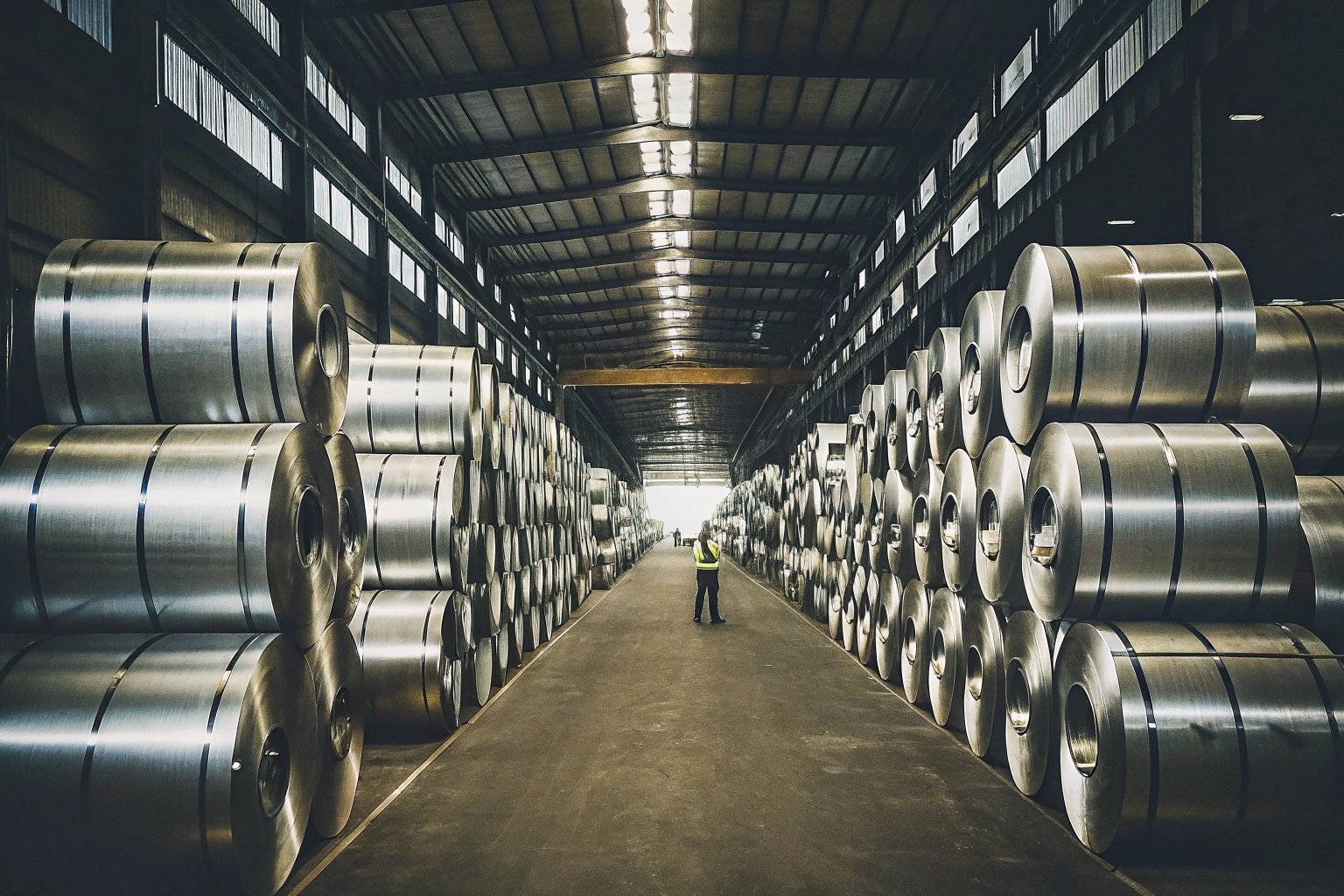
Stock inventory is a game-changer for my clients in Mexico and Europe. I remember a client named Carlos. He runs a cannery in Spain. One year, he had a sudden surge in orders for sardine cans because a competitor went out of business. His main supplier in Europe told him they could not deliver for 8 weeks. He was panicking. He called me and asked, "Chase, what is your MOQ? I need steel immediately."
If I had told him "25 tons and 40 days production," he would have lost his new customer.
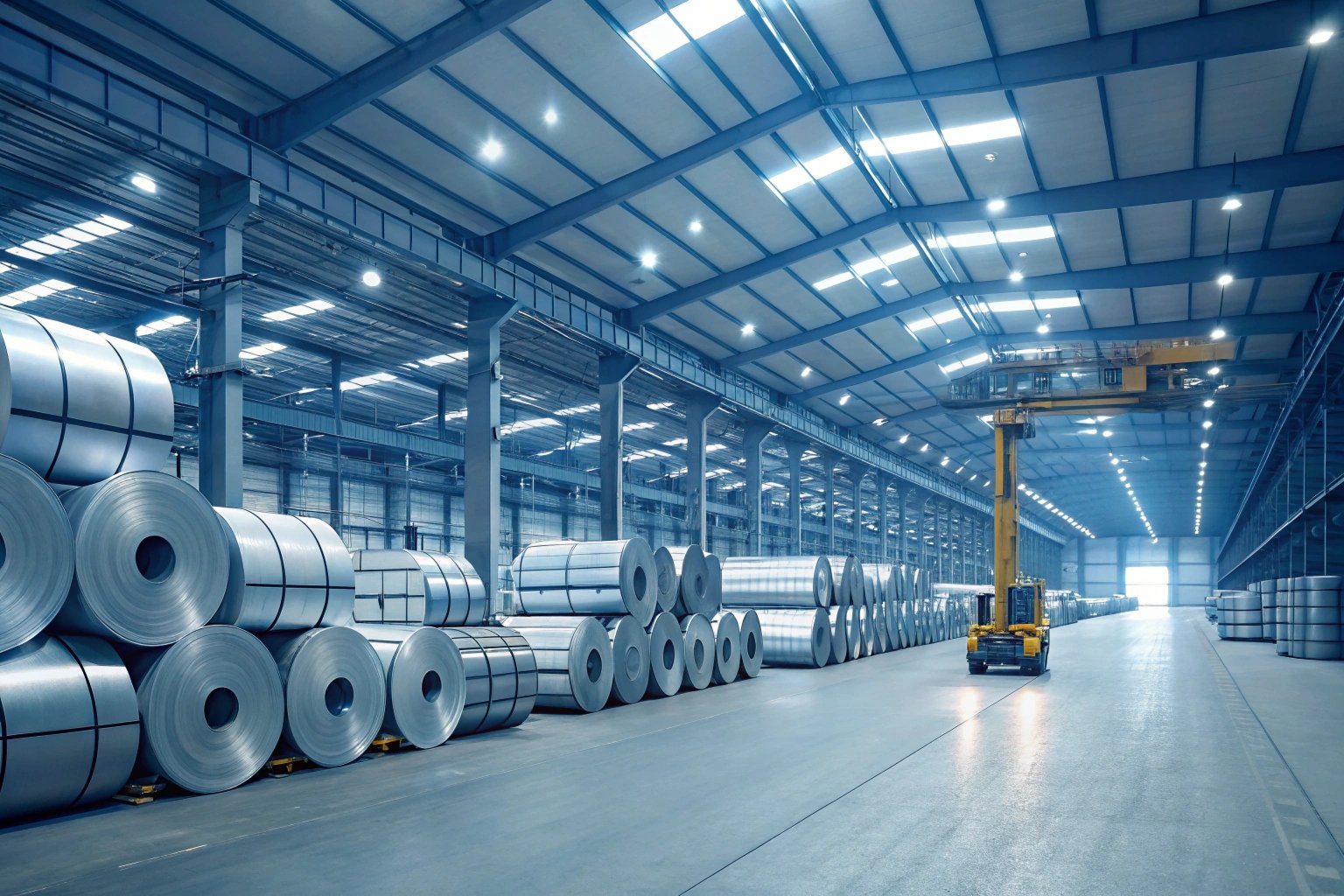
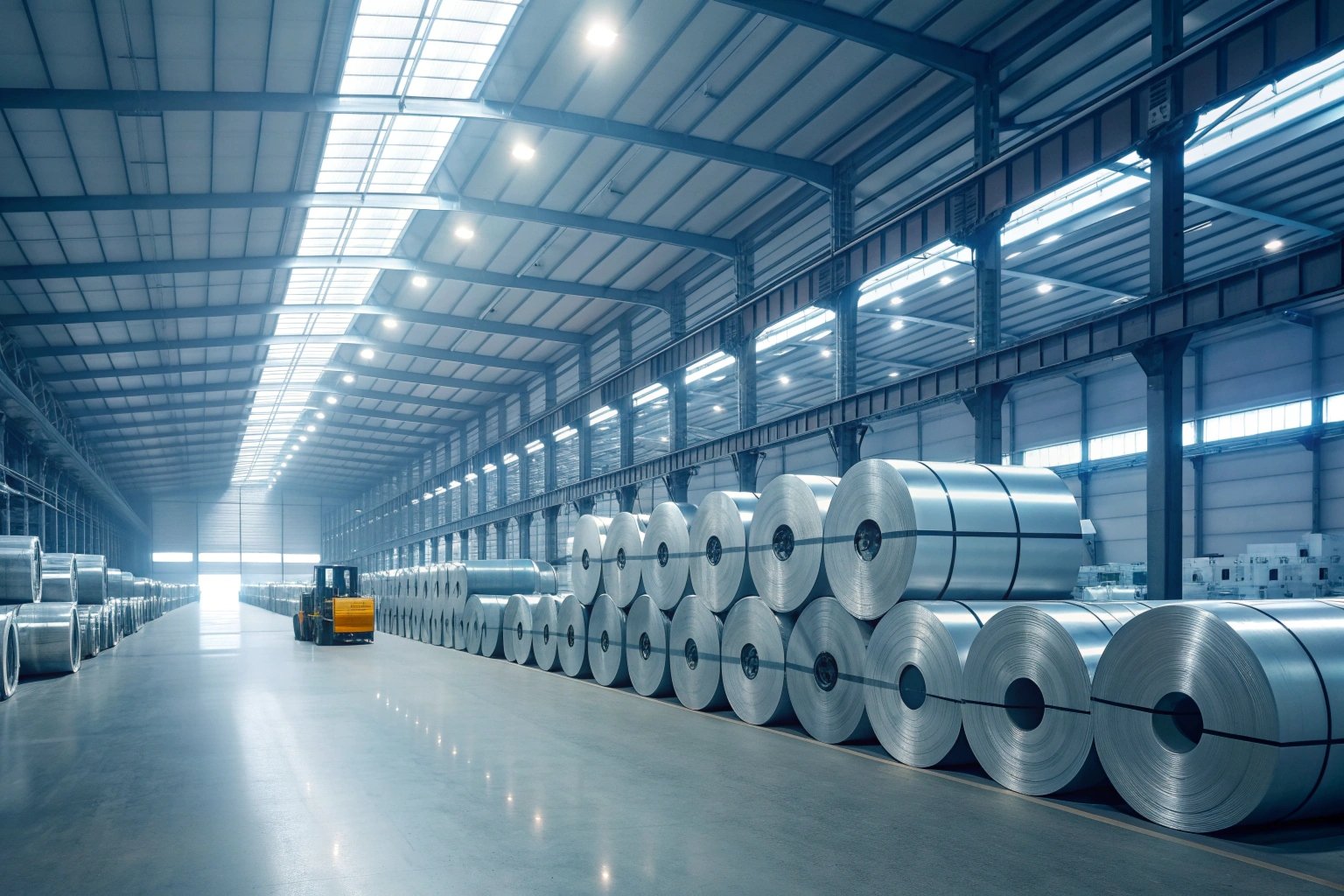
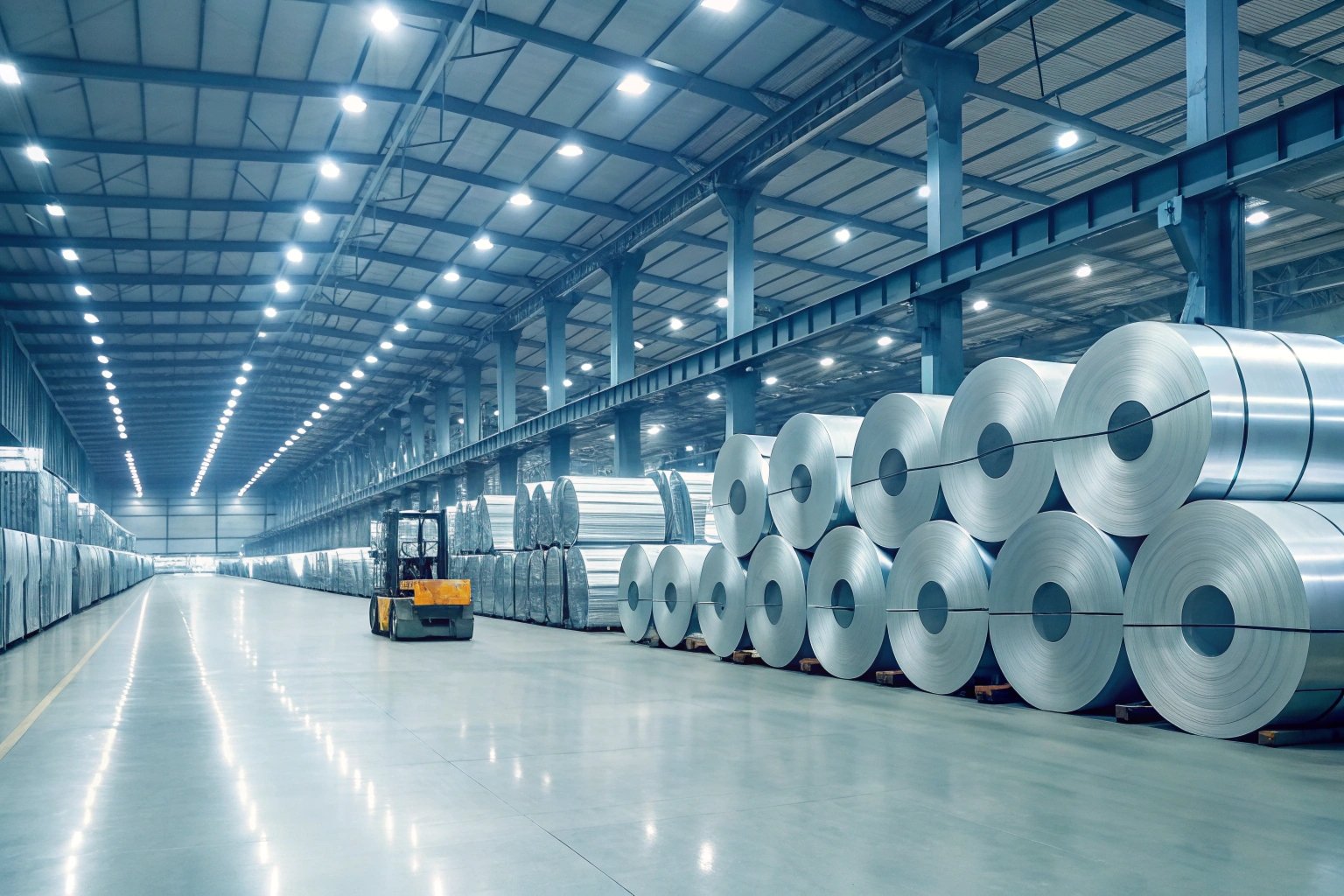
Instead, I checked our system. We have a standing inventory of about 100,000 tons of tin-mill black plate 6 and finished tinplate. This includes coils from big mills like Baowu and Shougang. I found a coil that matched his specifications almost perfectly. Because it was sitting on our floor, I did not have to start a machine or wait for a production slot. I just had to load it.
For stock items, we do not have the "setup cost" constraint. We can cut 2 tons for you if that is all you need. This model helps you with cash flow. You do not have to buy a huge mountain of steel that ties up your capital. You can buy exactly what you need for this month’s production.
[Image of tinplate cross section diagram]
However, there is a small trade-off. Stock items are "what you see is what you get." You cannot customize the exact tin coating weight 7 if it is already produced. If the stock is 2.8/2.8g tin coating, but you theoretically wanted 5.6/5.6g, we cannot change it. But usually, for standard food cans, the stock specifications are sufficient.
Here is a comparison to help you decide which route is best for you:
| Feature | Fresh Production | Stock Inventory |
|---|---|---|
| MOQ | 25 Tons (approx.) | 1 – 5 Tons |
| Delivery Time | 30 – 45 Days | 7 – 10 Days |
| Customization | Fully Customizable | Fixed Specifications |
| Price | Market Price | Often slightly lower (if older stock) |
For many of my clients, mixing these two strategies is the secret to success. They place big orders for their main products to get the best price and use stock orders for emergencies or smaller product lines.
How much surcharge applies if my order is below the standard MOQ?
Sometimes you have a special project, like a limited edition cookie tin, and you simply cannot buy 25 tons. You know you might have to pay a premium, but how much extra will it really cost?
If your order is below the standard MOQ, you should expect a surcharge. This is usually between $30 to $50 per ton, or a flat "machine setup fee" of around $500 to $1,000, depending on the complexity of the order.

Nobody likes paying extra fees. I get it. But let me explain where this money goes so you can see it is not just profit for us. It is about covering the physical costs of running a massive factory for a small job.
When we run a coating line or a printing line, getting the machine ready takes time. We have to mix the paint, calibrate the rollers, and heat up the ovens to the exact temperature required for curing process 8. This process can take 2 or 3 hours. During that time, the machine is running, consuming energy, and paying workers, but it is not producing any sellable product.
If we run 100 tons, that setup time is spread out over a lot of sheets. The cost per sheet is tiny, almost invisible.
If we run only 5 tons, that same 3-hour machine setup fee 9 has to be paid by a very small amount of product. That makes the cost per sheet skyrocket.
Also, there is wastage. When we start the line, the first few sheets are usually not perfect. We have to scrap them until the color is stable and the coating is even. On a big order, 50 sheets of scrap is nothing. On a small order, it is a significant percentage of the total material.
Here is a simple way to look at the surcharge tiers we often see in the industry:
| Order Size | Surcharge Estimation | Reason |
|---|---|---|
| > 25 Tons | $0 (None) | Standard efficiency achieved. |
| 10 – 25 Tons | $15 – $25 / Ton | Minor loss of efficiency. |
| < 10 Tons | $30 – $50 / Ton | High setup cost per unit. |
| < 5 Tons | Flat Fee ($500+) | Setup costs exceed profit margin. |
To avoid these charges, I always suggest my clients try to "piggyback." This means if I am already running a big order of Gold Lacquer for another client, and you need 3 tons of Gold Lacquer, I can add your order to the end of theirs. This way, we share the setup cost, and you save money.
We can also look at "Standard Sizes." If you can adjust your can height slightly to fit a standard sheet size, you might be able to buy from stock and avoid the surcharge entirely.
Can I order a sample coil for a trial run before mass production?
Quality is your biggest fear. You are worried about "fat cans" (swollen cans), rust, or paint peeling off. You want to test the material before you commit to a big contract.
Yes, ordering a sample coil is highly recommended. We typically provide a sample of 1 to 3 tons for a trial run. For strictly testing quality (like lab tests), we can even send a few sheets via courier for free.

I respect a buyer who asks for samples. It shows me you are serious about quality. In fact, for new clients, I insist on it.
I had a client in Spain who wanted to switch to Chinese steel to save costs. But he was terrified. He had a bad experience years ago with another supplier where the paint peeled off the cans after 6 months on the shelf. That is a disaster for any brand.
I told him, "Don’t trust my words. Trust your lab."
We sent him a small trial coil—about 2 tons. He ran it through his welding machines. He tested the lacquer adhesion. He even did a "pack test" with his high-acid tomato sauce to see if the can would corrode inside.
Only after the sample passed all tests did we sign the contract for 500 tons. This small step saved us both from a potential disaster.
When you ask for a sample, be specific. A "sample" can mean two things:
- A4 Size Sheets: These are free. We send them by DHL/FedEx. You can check the look, the tin coating weight, and the hardness in a lab. But you cannot make a can with them.
- Trial Coil (Baby Coil): This is a small coil, usually 1 to 3 tons. You have to pay for this, but it allows you to run your production line. You can see how the steel behaves in your welders and stamping machines.
What should you test?
When you receive a sample, do not just look at it. Torture it. Here are the critical tests I recommend my clients perform on a trial coil:
1. The Weldability Test
Run the material through your side-seam welder. Does the current flow smoothly? Is the weld strong? If the steel is too hard or the surface is dirty, the welder will jam.
2. The Retort Test
If you make food cans, you must cook the cans (retort) to kill bacteria. Put the sample cans in your retort cooker. Does the paint change color? Does it peel off (blushing)? This is vital for food safety.
3. The Acid Resistance Test
If you are canning pineapples or tomatoes, the acid will attack the metal. Use the sample to pack your actual product and leave it in an incubator for a few weeks. Check for hydrogen swelling 10 (fat cans).
If you are buying from Huajiang, we are confident. Our steel is used by huge can makers globally. But I always say: verify first. It sleeps better at night.
Conclusion
To wrap up, the standard MOQ is 25 tons, but our stock inventory allows for orders as small as 1-5 tons. We can mix sizes to help you maximize container space, and trial coils are always available to ensure quality.
Looking for a flexible supplier? Email me at chasechan@hj-tinplate.com and let’s discuss your stock needs.
Footnotes
1. Understanding how liquid assets impact business operations. ↩︎
2. The smallest amount of stock a supplier sells. ↩︎
3. Global statistics and trends in steel manufacturing. ↩︎
4. Heat treatment process that alters steel hardness. ↩︎
5. Legal definition and context of master coils. ↩︎
6. Raw steel substrate used for manufacturing tinplate. ↩︎
7. Technical standards for tin layer thickness measurement. ↩︎
8. Chemical process of toughening or hardening polymer material. ↩︎
9. Costs associated with preparing equipment for production runs. ↩︎
10. Chemical reaction causing gaseous spoilage in food cans. ↩︎