
I know the confusion you feel when looking at quotes from different Chinese suppliers. Some factories mention tons, others talk about sheets, and you worry about making a calculation error that hurts your profit.
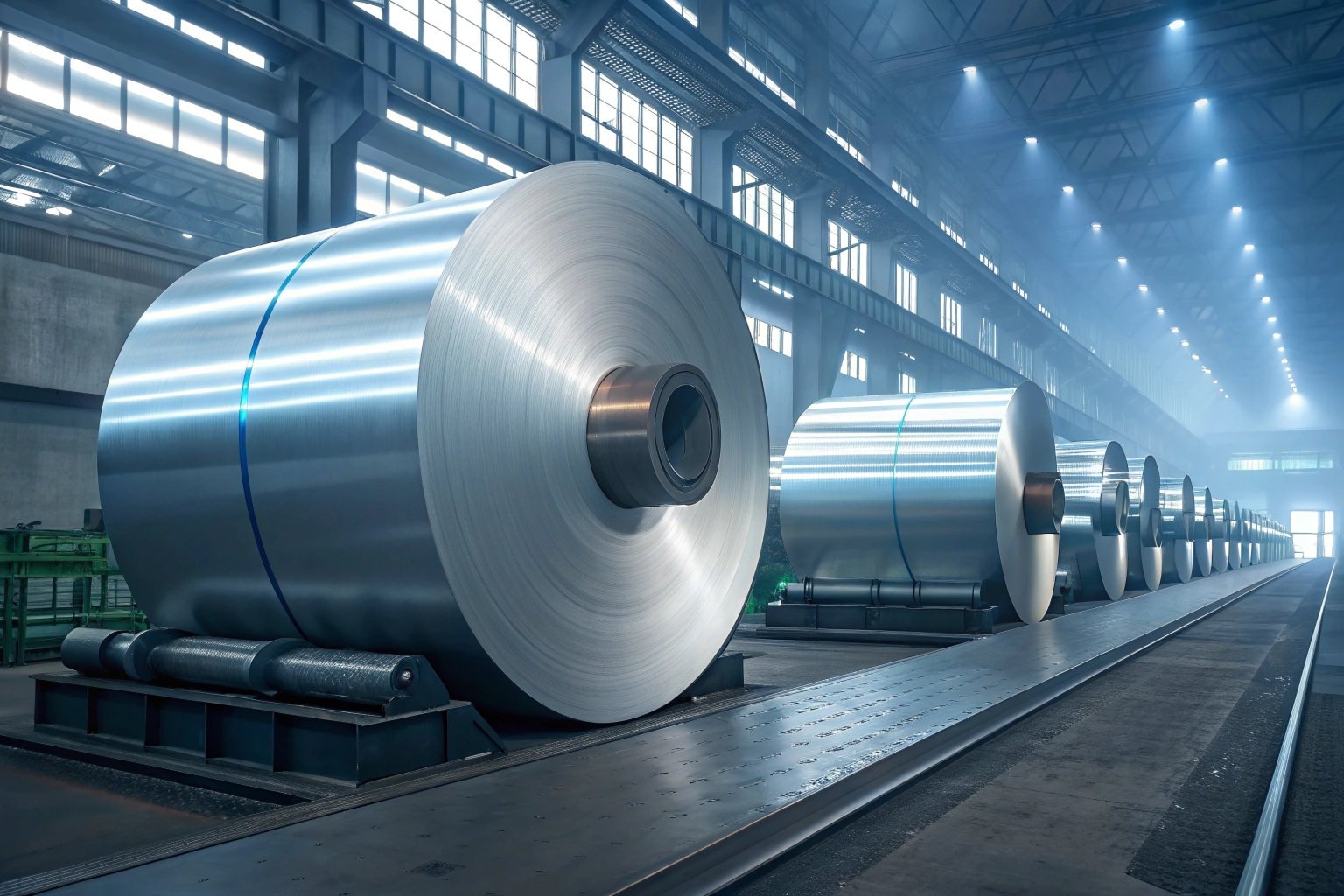
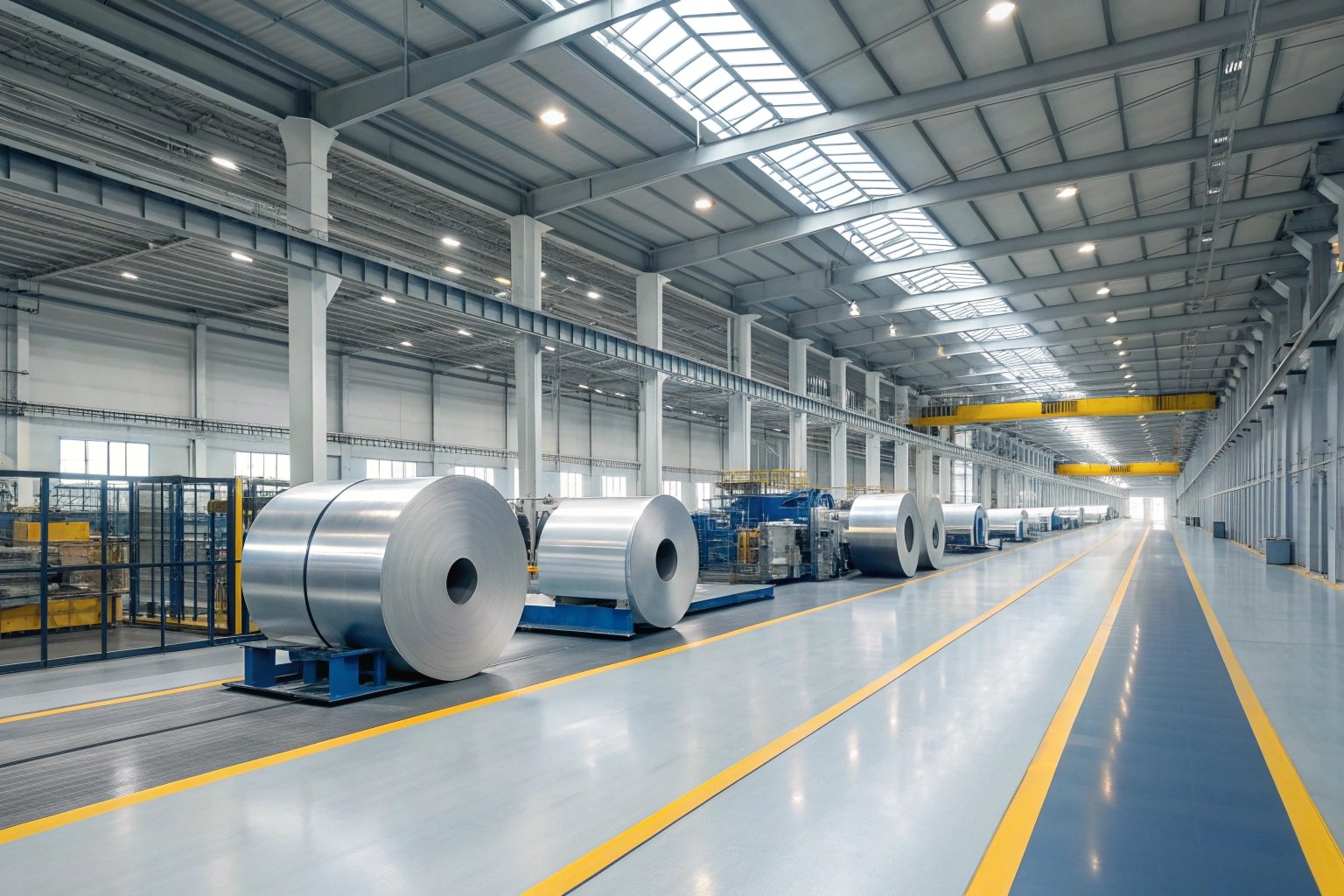
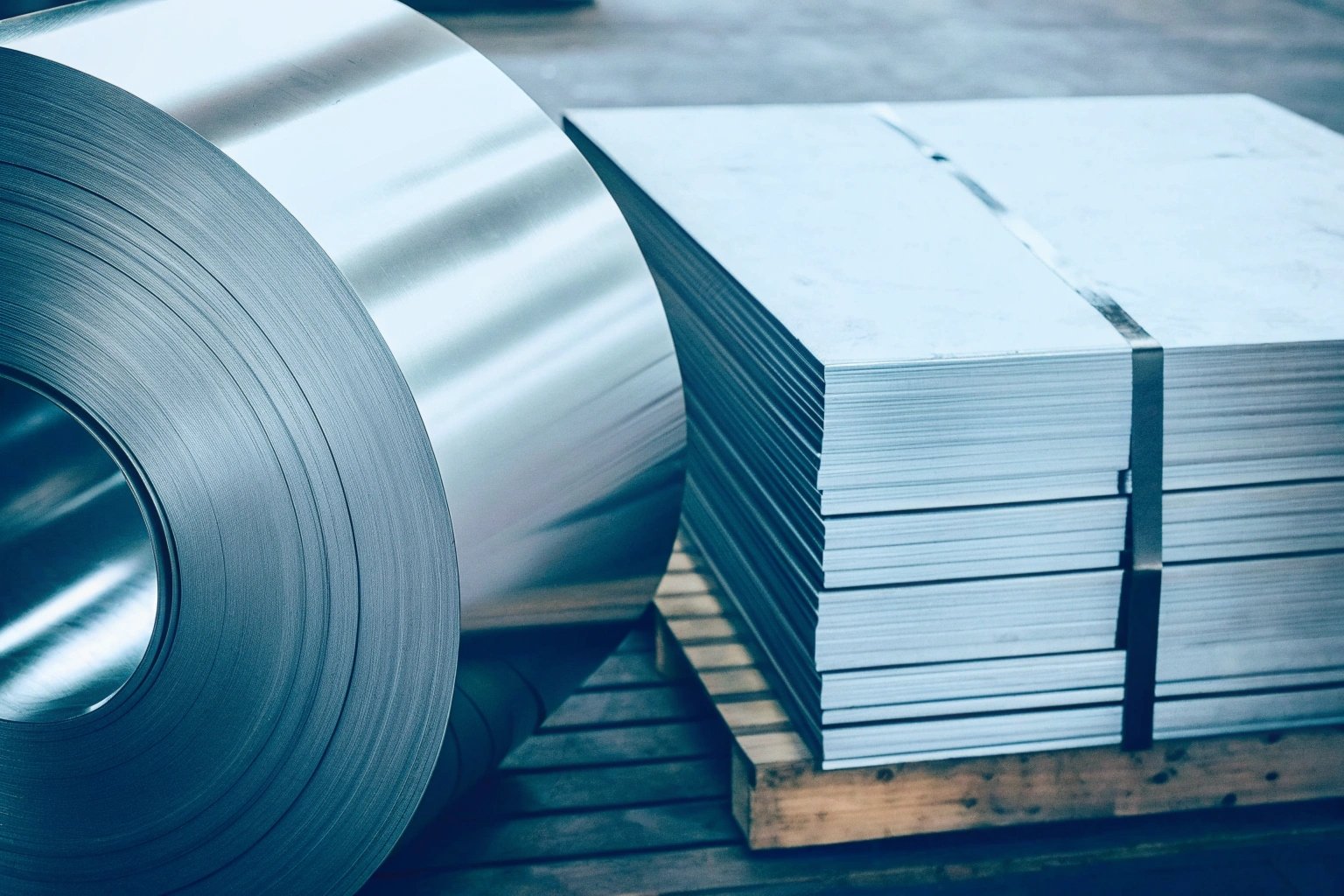
In China, Electrolytic Tin Plate is almost always priced by Metric Ton (MT). While we sell both coils and sheets, the core valuation comes from weight. Sheet pricing is usually just a conversion based on the tonnage price plus cutting fees.
Let me explain exactly how this pricing works so you can calculate your real costs accurately and avoid hidden fees.
How is Electrolytic Tin Plate priced in China—by MT, by sheet, or by coil?
You need to compare offers from different Chinese suppliers to get the best deal. But if one supplier quotes per sheet and another quotes per ton, you cannot easily see which deal is actually better for your business.
Mass wholesale orders always use Metric Tons (MT) as the pricing unit. Coils are weighed directly, while sheets are priced by converting the total weight. Per-sheet pricing is rare and only used for very small, non-industrial sample orders.

In the metal packaging industry, especially here in China, "Weight is King." whether you are buying Electrolytic Tin Plate 1 (ETP) or Tin Free Steel 2 (TFS), the primary unit of currency is the Metric Ton (MT).
I often have customers ask me, "Chase, can you give me a price per sheet?" I understand why they ask this. As a can maker, you sell your cans by the piece. You need to know that one sheet costs $1.50 so you can calculate that one can costs $0.15. However, the raw material supply chain operates on weight because steel is a commodity.
There are three main reasons why we price by MT:
- Raw Material Costing: As a manufacturer, I buy the "black plate" (the raw steel) from mills like Baosteel 3 or Shougang 4 by weight. My tin ingots for coating are also bought by weight. Therefore, my cost structure is entirely weight-based.
- Efficiency: When we ship 500 tons of material to a client in Mexico or Spain, counting millions of individual sheets is impossible. Weighing the containers is accurate and fast.
- Waste Management: When we process coils into sheets, there is always a small amount of scrap metal (trimmings). Pricing by MT ensures that the buyer pays for the material used, and we factor the processing loss into the overall tonnage price.
Sometimes, you will see "Coil" listed as a product, but this is a form, not a pricing unit. If you buy a coil, you pay for the net weight of that coil. If you buy sheets, you pay for the net weight of the sheets (plus a cutting fee).
Below is a table helping you understand when different pricing terms are used:
| Pricing Mode | Target Audience | Typical Quantity | Pros | Cons |
|---|---|---|---|---|
| By Metric Ton (MT) | Can makers, Traders, Factories | > 5 Tons | Industry standard, lowest cost, transparent. | Requires calculation to find unit cost. |
| By Sheet | Sample buyers, DIY shops | < 1 Ton | Easy to understand unit cost. | Price is usually 20-30% higher to cover admin costs. |
| By Coil | Large stamping factories | > 20 Tons | Same as MT (Coil is just the shape). | Requires uncoiling equipment at your factory. |
My Advice
Always ask for the price per MT. If you need a per-sheet price for your internal accounting, I can help you calculate it, but keep the contract in MT. This prevents any confusion about "theoretical weight" versus "actual weight" and ensures you get the best wholesale rate.
How do I convert the price per metric ton to price per sheet?
You buy raw materials in tons, but you sell your finished cans or components by the piece. If you cannot accurately convert the raw material cost to a single sheet cost, you might lose money on every can you sell.
To convert tonnage price to sheet price, you must calculate the theoretical weight of one sheet. Multiply the volume (Length × Width × Thickness) by the density of tinplate (7.85 g/cm³), then divide the price per ton by the number of sheets per ton.
This is the most common technical question I answer for my clients. The math is simple, but you must be precise. If you get the thickness wrong by even 0.01mm, your cost calculation will be off by thousands of dollars across a large order.
To get the price per sheet, we first need to find the weight of a single sheet. We use the standard density of steel, which is roughly 7.85 grams per cubic centimeter.
The Calculation Steps
Let’s imagine you are buying a standard specification for a food can body:
- Thickness: 0.20 mm
- Width: 800 mm
- Length: 900 mm
- Price per MT: $1,000 USD (Example)
Step 1: Calculate Volume of one sheet
Convert everything to meters to make it easy to work with tons later, or stick to millimeters and convert at the end. Let’s use millimeters but remember the density factor.
Formula: $Weight (kg) = Thickness (mm) \times Width (m) \times Length (m) \times 7.85$
$0.20 \times 0.8 \times 0.9 \times 7.85 = 1.1304 \text{ kg}$
So, one sheet weighs 1.1304 kg.
Step 2: Calculate Sheets per Ton
1 Metric Ton = 1,000 kg.
$1,000 / 1.1304 = 884.64$ sheets.
So, there are roughly 884 sheets in one ton.
Step 3: Calculate Price per Sheet
$Price per Sheet = Total Price per Ton / Sheets per Ton$
$1,000 / 884.64 = \$1.13$ per sheet.
Important Note on Tolerances
In the steel industry, there is a difference between Theoretical Weight and Actual Weight.
- Theoretical Weight: This is the math we just did. We assume the steel is exactly 0.20mm thick everywhere.
- Actual Weight: In reality, steel might be 0.195mm or 0.205mm.
Most reputable factories, including Huajiang, trade on Actual Weight. This means we weigh the truck or the container before it leaves. You pay for exactly the amount of steel you get. However, some suppliers might quote you based on theoretical weight but deliver slightly thinner sheets (within tolerance). This implies you get "more" sheets per ton, which sounds good, but the metal is thinner.
Always confirm with your supplier: "Is this price based on Net Actual Weight?"
Here is a quick reference table for common thicknesses:
| Thickness (mm) | Sheet Size (mm) | Approx. Weight per Sheet (kg) | Approx. Sheets per MT |
|---|---|---|---|
| 0.15 | 800 x 900 | 0.847 | 1180 |
| 0.18 | 800 x 900 | 1.017 | 983 |
| 0.20 | 800 x 900 | 1.130 | 884 |
| 0.25 | 800 x 900 | 1.413 | 707 |
Does the price include the anti-rust oiling and packaging costs?
I have seen buyers get a cheap quote, only to find rusty sheets upon arrival because they did not check the details. They did not verify if the price covered proper protection against ocean humidity.
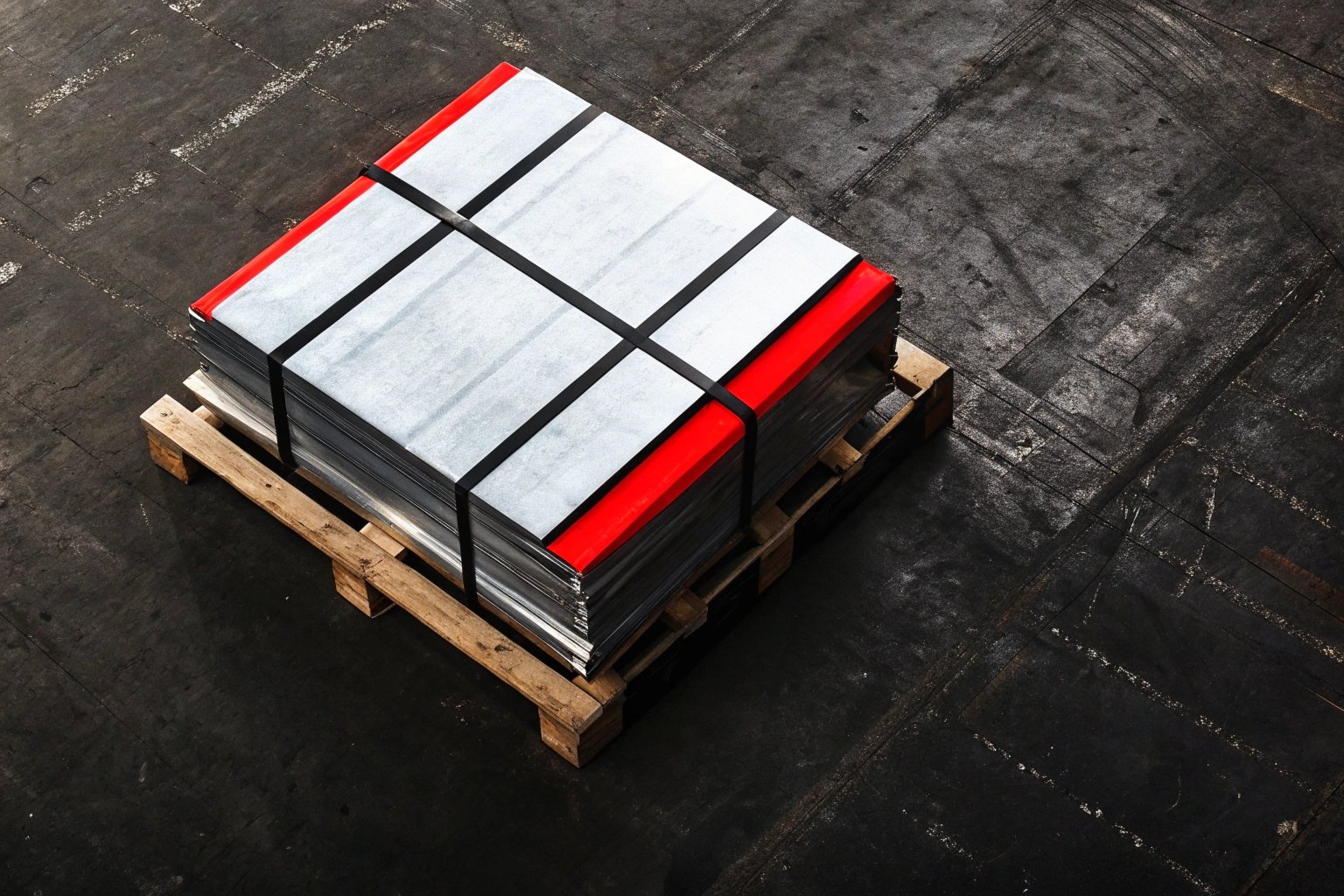
Standard FOB prices usually include basic anti-rust oiling (DOS oil) and seaworthy export packaging. However, special requirements like heavy oiling for high-humidity storage or personalized wooden skids may incur extra charges.
When you look at a price tag for a car, you assume it has tires and paint. Similarly, when I quote you a price for Electrolytic Tin Plate, it includes the essential protection needed to get the product from my factory in Fujian to your warehouse safely.
The Oiling Process
Every sheet of tinplate must be oiled. We use a food-safe oil called DOS (Dioctyl Sebacate) 5.
- Standard Method: Electrostatic oiling. This applies a very thin, uniform layer. It is invisible to the naked eye but prevents the tin from reacting with oxygen.
- The Cost: This is standard and included in the price.
- Special Request: Some customers in very humid tropical areas (like parts of Thailand or the Philippines) ask for "Heavy Oiling." This might add a tiny cost or just be a note in the contract, but you must ask for it. If the oil is too heavy, it can affect your printing capability, so we usually stick to the standard level unless you request otherwise.
The Packaging Strategy
Shipping steel across the ocean is risky. Saltwater and humidity are enemies of metal. Our "Seaworthy Packaging" is not just a box; it is a system.
Here is what is typically included in my standard price:
- Vapor Corrosion Inhibitor 6 (VCI) Paper: Wrapped around the metal to absorb moisture.
- Plastic Film: A waterproof barrier.
- Steel Corners and Sheets: Hard protection on top and sides to prevent physical damage from forklifts.
- Strapping: High-tensile steel straps to hold everything to the wooden skid.
- Wooden Pallet: Fumigated to meet international customs standards (ISPM 15) 7.
Hidden Costs to Watch For
While the above is standard, some things are NOT included:
- Custom Pallet Sizes: If your forklift setup requires a non-standard pallet size, we have to build them specially. This might add $10-20 per ton.
- Small Coil/Bundle sizes: Standard coils are 3-8 tons. If you need "Baby Coils" (e.g., 500kg each), the packaging cost goes up significantly because we use more wood and paper for the same amount of steel.
Packaging Tier Table:
| Feature | Included in Standard Price? | Why it matters |
|---|---|---|
| DOS Oiling | Yes | Prevents immediate rust. |
| VCI Paper Wrapping | Yes | Critical for ocean transport. |
| Fumigated Pallet | Yes | Required by customs in EU/USA. |
| Steel Corner Guards | Yes | Protects edges from impact. |
| Customized Pallet Size | No (Extra cost) | Needed for specific automated lines. |
| "Baby Coil" Splitting | No (Extra cost) | High labor and material cost per ton. |
For my clients like Carlos, who are very sensitive to quality, I always recommend sticking to the standard export packaging because it is time-tested. We ship thousands of containers a year, and rust claims are extremely rare because we do not cut corners on these "included" costs.
How often do steel prices fluctuate in the Chinese market?
You place an order today, but next week the market jumps, and you worry you made the wrong move. Uncertainty kills your profit margins, especially when you have fixed contracts with your customers.
Chinese steel prices fluctuate daily based on iron ore futures and global demand. However, significant price changes that affect tinplate usually happen on a monthly basis when major mills like Baosteel adjust their settlement prices.

The price of Electrolytic Tin Plate is not static. It is a commodity, much like oil or gold. However, it does not move as wildly as the stock market. Understanding the rhythm of these changes can help you buy at the right time.
The Daily vs. Monthly Rhythm
- Daily: The futures market for hot-rolled steel coils (the base material) changes every day on the Shanghai Futures Exchange 8. Traders watch this closely.
- Monthly: For the tinplate industry, the real signal comes once a month. Major state-owned mills like Baosteel and Shougang release their "Settlement Price Policy" usually around the 10th or 20th of the month.
- If Baosteel announces a rise of 200 RMB/ton, the whole market tends to follow.
- If they hold prices flat, the market stabilizes.
Factors That Drive the Price
- Iron Ore Prices: Since China imports most of its iron ore, global mining prices directly impact the cost of the base steel.
- Tin Prices: Although the tin coating is thin, tin is an expensive metal. A sharp rise in London Metal Exchange 9 (LME) tin prices will increase the coating surcharge.
- Exchange Rate: As an international buyer, you pay in USD. The exchange rate between the Chinese Yuan (RMB) and USD has a huge impact. If the RMB gets stronger, your USD price goes up, even if the steel price in China stays the same.
The "Valid Period" of a Quote
Because of these fluctuations, when I send a quotation to a client, I usually mark it as "Valid for 3 to 7 days."
I am not trying to rush you. I do this because I cannot predict the market two weeks from now.
If you are a savvy buyer, you should ask your supplier: "What is the current trend? Is the market moving up or down?"
Honest suppliers will tell you. For example, if I see iron ore prices dropping, I might tell you, "Wait a few days, the price might come down." If I see a shortage of raw material, I will tell you, "Lock this in now, it’s going up next week."
At Huajiang, we try to smooth out these bumps. Because we hold 100,000 tons of stock, we are less desperate than small traders. We can often hold a price for a good customer for a few extra days even if the market ticks up slightly, just to maintain the relationship. But eventually, we must follow the market trend.
Can I lock in the price for 6 months to avoid market volatility?
You want to promise stable prices to your supermarket clients, but the raw material market keeps moving. If raw material costs spike, you have to absorb the loss or break your contract.
Most factories cannot lock prices for 6 months due to the volatility of steel. However, at Huajiang, we can help you lock prices by purchasing the stock immediately using a deposit, and then storing it in our warehouse for you.
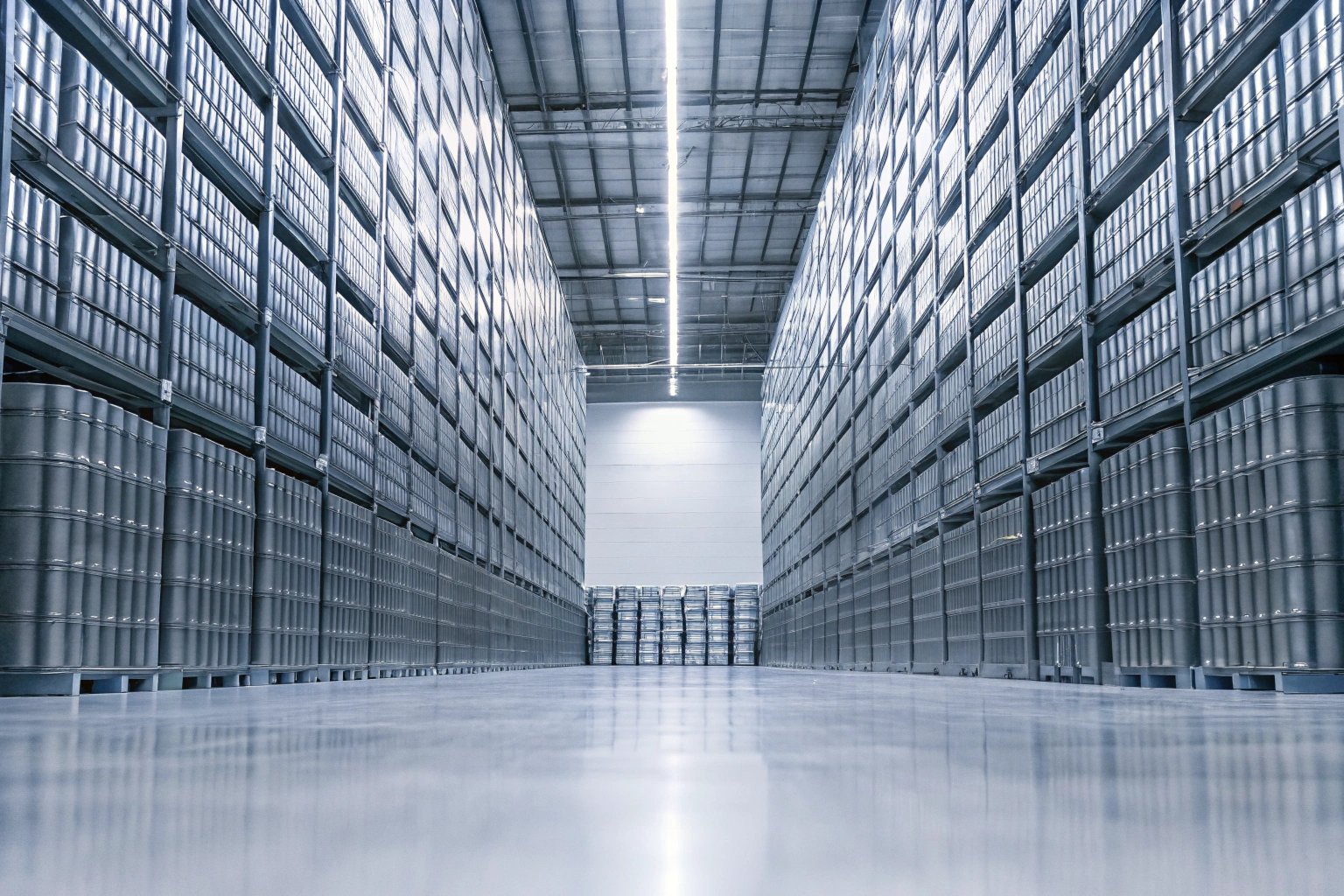
This is a classic problem. Your customer (the supermarket or food brand) wants a fixed price for the whole year. But the steel mill gives you a price that changes every month. You are stuck in the middle, taking all the risk.
Why Factories Say "No"
Standard practice in China is "Price Prevailing at Date of Shipment." This protects the factory. If we agree on $900 today, but shipment is in 6 months, and the price of steel goes to $1100, the factory loses huge money. No manufacturer wants to gamble on the futures market.
How We Solve This at Huajiang
We have a solution because we have two things many others don’t: Capital and Space.
We have a massive warehouse capacity and strong cash flow. Here is how I help my long-term clients lock in prices:
- The "Buy and Hold" Model:
If you know you need 500 tons every month for the next 6 months, we can sign a contract for the total 3,000 tons now at today’s price. - The Deposit Requirement:
To do this, you need to pay a higher deposit (usually 30% to 50%) or open a Letter of Credit 10 (LC) for the full amount. - Physical Lockdown:
Once we receive the deposit, we use that money to buy the raw coil immediately. We physically move that steel into our warehouse and tag it with your name. - The Result:
The steel is sitting there. It doesn’t matter if the market price doubles next month; your steel is already bought and paid for. We then process and ship it to you month by month according to your schedule.
Is This Right for You?
This strategy requires you to have good cash flow, but it guarantees stability.
Critical Comparison:
| Method | Payment Terms | Price Risk | Supply Security |
|---|---|---|---|
| Spot Buying | 20-30% Deposit per order | High. You pay the market price at that moment. | Variable. Stocks might be low in peak season. |
| Locking Price (Buy & Hold) | 30-50% Deposit upfront | Zero. Price is fixed on day one. | Guaranteed. Material is physically reserved. |
For clients like Carlos, who value security over taking risks, the "Locking Price" model is a lifesaver. It allows him to sleep at night knowing his profit margins are safe, regardless of what the steel market does.
If you are interested in this, you need to talk to us directly. We cannot do this for everyone, but for serious partners who want to build a stable supply chain, we are willing to commit our resources to support you.
Conclusion
Pricing for Electrolytic Tin Plate in China centers on the Metric Ton. To navigate this market safely, you must be able to convert tonnage to sheet costs, understand what packaging is included, and watch market fluctuations. If you have the capital, locking in prices through inventory reservation is the best way to secure your profits.
Would you like me to help you calculate the exact per-sheet cost for your specific tinplate dimensions?
Footnotes
1. Definition and properties of tinplate in packaging. ↩︎
2. Technical comparison of Tin Free Steel applications. ↩︎
3. Official website of China’s leading steel manufacturer. ↩︎
4. Corporate profile of Shougang Group steel conglomerate. ↩︎
5. Chemical safety and properties data for DOS oil. ↩︎
6. How VCI technology prevents corrosion during shipping. ↩︎
7. Global standards for wood packaging in trade. ↩︎
8. Real-time market data for Chinese commodities. ↩︎
9. Global benchmark pricing for non-ferrous metals. ↩︎
10. Explanation of this financial instrument used in trade. ↩︎