
I have seen too many factory managers stare at a shipment of tinplate 1 that looks "wrong" simply because the surface finish was not specified correctly. It hurts to see production lines stop and money wasted just because a supplier did not explain the visual and functional differences between finishes. You deserve to know exactly what you are buying before it arrives at your dock.
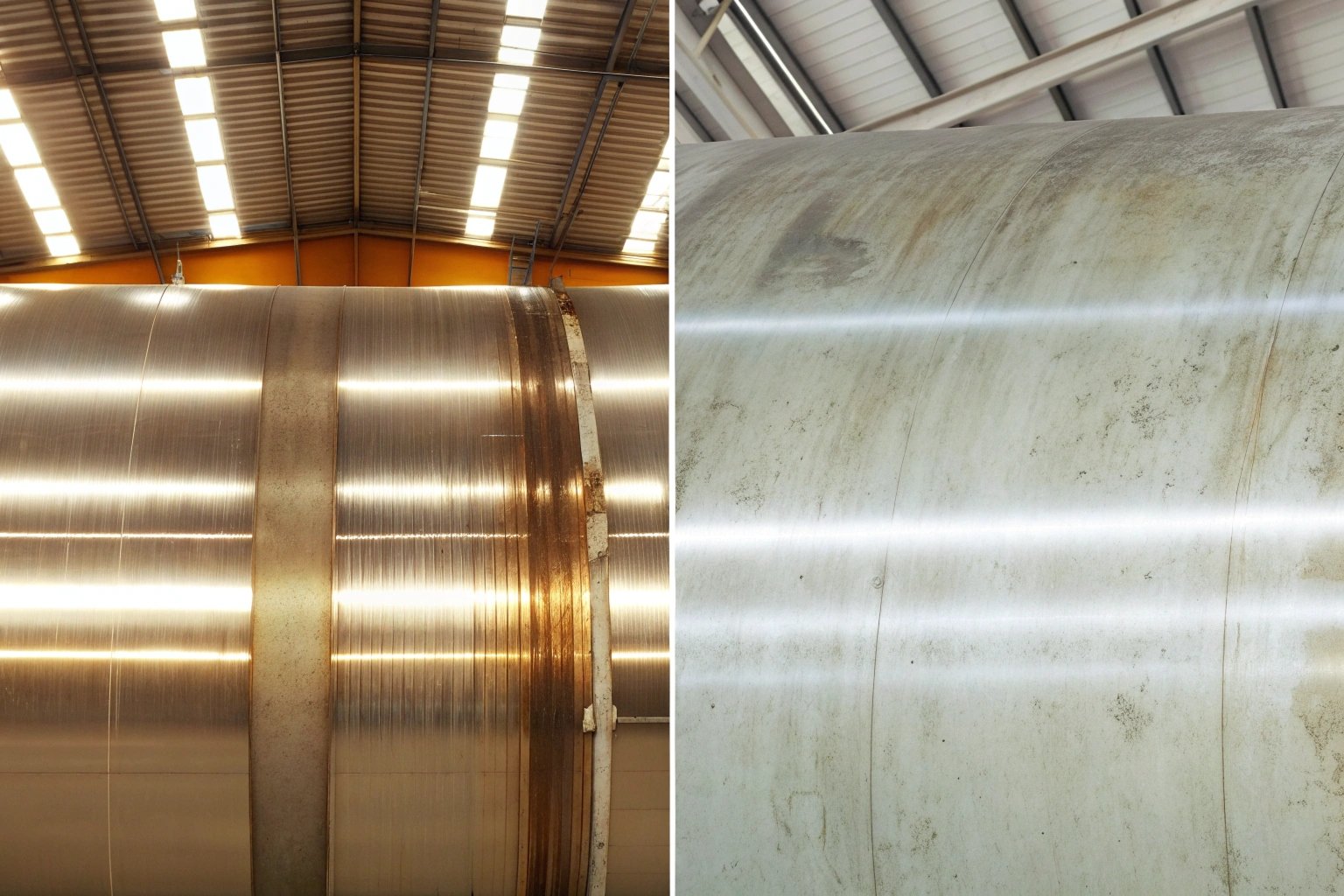
BA (Batch Annealing) finish typically results in a softer, brighter, mirror-like surface because the steel coils are heated in a batch furnace for several days. In contrast, CA (Continuous Annealing) finish is produced by passing the strip quickly through a furnace, creating a stiffer material with a more uniform, often matte or stone-like appearance that is better for high-speed can making.
Understanding this difference is not just about how shiny the can looks on the shelf; it changes how you print, how you weld, and how much you pay. Let me break down the technical realities of these two finishes so you can choose the right one for your cannery.
Which surface finish offers better adhesion for my printing line?
I know the frustration of watching ink peel off a metal sheet during a tape test 2, leaving you with a rejected batch and a headache. When you are running a high-speed printing line, you need the surface to grab the ink immediately and hold it tight through the curing process.
CA finish generally offers better direct adhesion for printing and lacquering compared to the ultra-smooth BA finish. The slightly rougher, "grainy" surface texture of CA provides more surface area for the ink to grip, whereas the mirror-like smoothness of BA often requires a specific sizing coat or lacquer to ensure the design stays put.
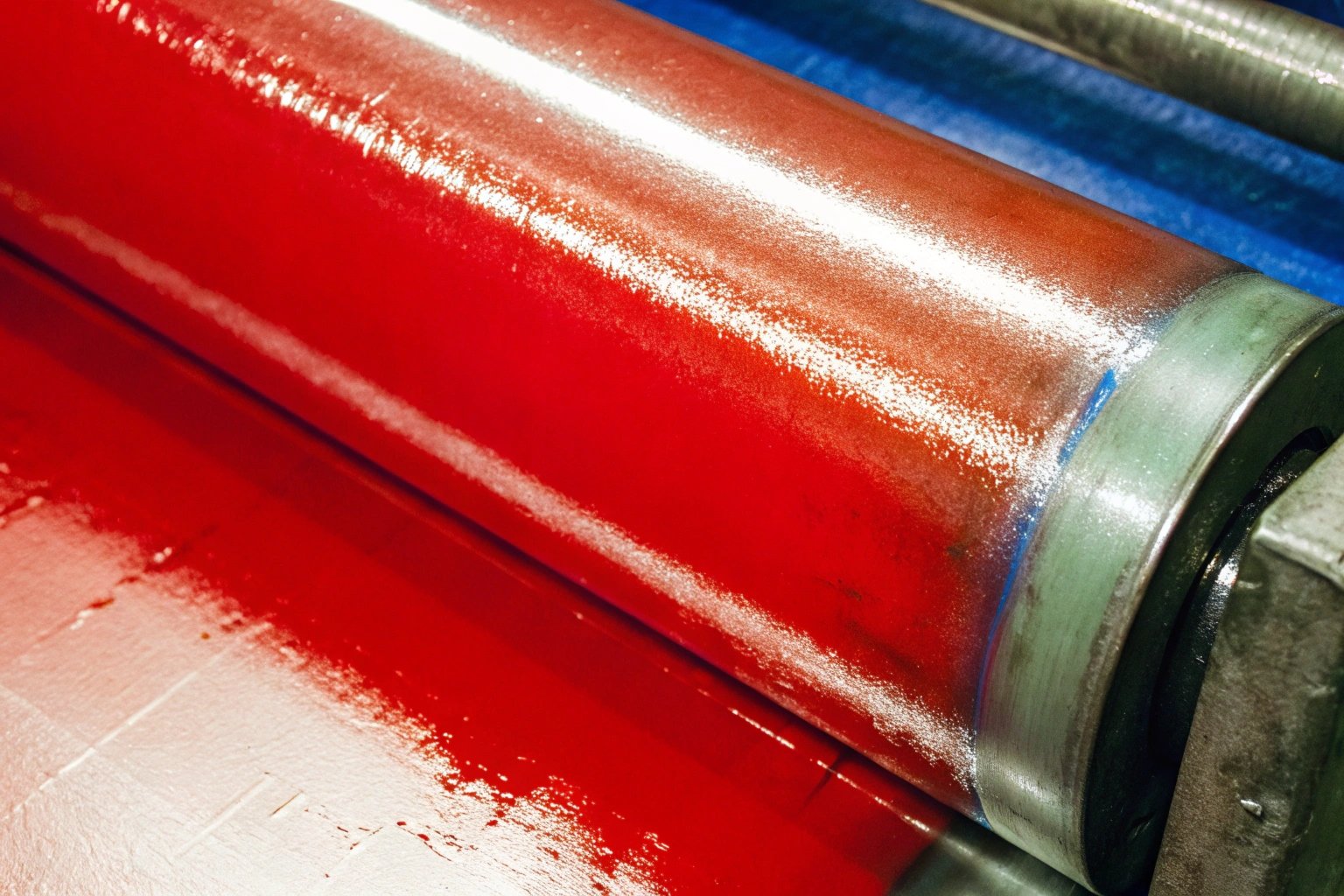
When we talk about adhesion, we are really talking about physics at a microscopic level. In my factories in Fujian, I often show clients the difference under a magnifying glass. The BA (Bright Annealed) surface is incredibly smooth. The roughness value (Ra) 3 is usually less than 0.1μm. While this looks beautiful to the naked eye, it acts almost like a freshly waxed car—liquids want to bead up and roll off rather than settle in. This low surface tension 4 means that if you apply ink directly to bare BA tinplate, it might not bond well.
For my clients who produce luxury cookie tins or decorative tea canisters, they love BA. However, they also know they must use high-quality primers or "sizing" coats. If your printing process is older, or if you are trying to cut costs on coatings by skipping the primer, BA can be unforgiving. You might find that the ink scratches off easily during the can-forming process.
On the other hand, CA (Continuous Annealed) surfaces, especially those with a "Stone" or "Matte" finish, have microscopic peaks and valleys. The Ra value is typically between 0.1μm and 0.3μm. When you apply wet ink or lacquer, it flows into these tiny valleys. As it dries, it mechanically locks onto the steel. This is why for high-volume food cans—like the millions of tomato or sardine cans we supply material for—CA is often the preferred choice. It is robust, consistent, and forgiving.
Here is a quick comparison of how they behave on a standard offset printing 5 line:
| Feature | BA Finish (Bright) | CA Finish (Continuous/Matte) |
|---|---|---|
| Surface Texture | Extremely smooth, mirror-like | Micro-roughness, grainy |
| Ink Wetting | Lower (ink may bead up) | Higher (ink spreads evenly) |
| Base Coat Need | Highly Recommended | Optional (depending on design) |
| Best Use Case | Luxury tins, metal sheets where bare metal is visible | Full-print food cans, industrial packaging |
For my clients dealing with acidic foods or those requiring heavy internal lacquering, I almost always recommend testing adhesion on CA stock first. It minimizes the risk of the internal coating failing. If the internal coating peels, the acid attacks the steel, leading to "swollen cans" or botulism risks later on. You want safety first, and a good surface grip is the foundation of that safety.
Is Bright Finish (BA) more susceptible to scratches during shipping?
Nothing ruins a relationship faster than opening a container after six weeks on the ocean only to find the material looks damaged. You might think the steel is weak, but often, it is just a matter of perception and the type of finish you selected.
Bright Finish (BA) does not physically scratch more easily than CA, but it makes every tiny abrasion highly visible due to its reflective nature. A microscopic rub mark that would disappear on a matte CA surface stands out like a scar on a mirror, making BA material require much stricter handling and higher-quality packaging protection.
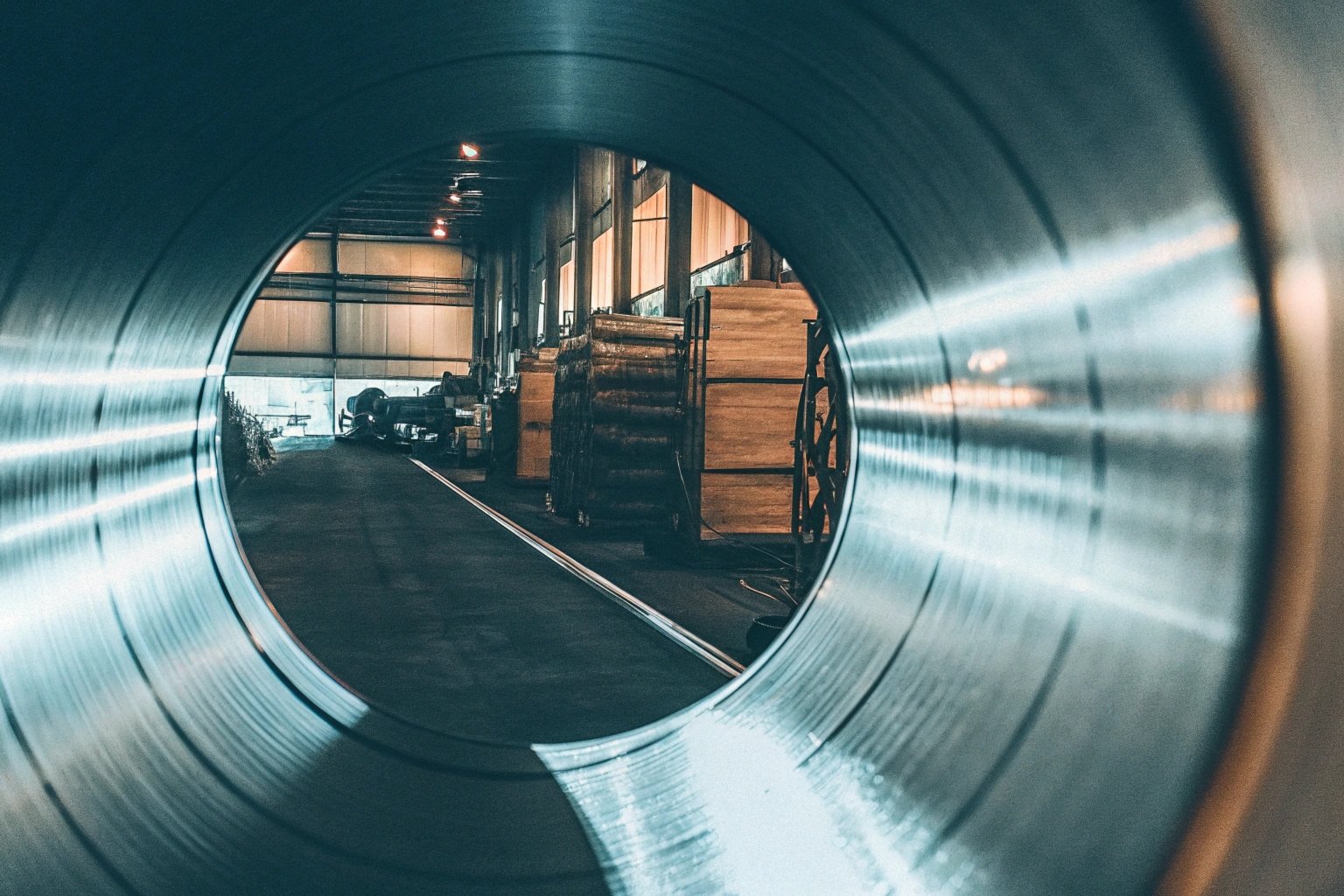
This is a classic case of optics versus mechanics. The hardness of the tin layer is roughly the same, but the way light hits the surface changes everything. I have had clients in Mexico claim a shipment was "defective" because of fine lines. When we measured the depth, the coating was intact, and the food safety was not compromised. However, the can looked bad, and in the retail world, a bad-looking can stays on the shelf.
I often tell my team that CA or Stone finishes are great at "hiding sins." Because the surface already has a texture, small abrasions from the sheets sliding against each other during transit blend in. The light scatters in different directions, so your eye does not catch the scratch. With BA, the light reflects perfectly in one direction. Any interruption to that reflection—even a fingerprint—is immediately obvious. This is known as Fretting Corrosion 6 or transit rub, and it is the enemy of BA finish.
If you decide to buy BA finish from me or any other supplier, you must insist on premium packaging. In our factory, when we pack BA coils or sheets, we change our process to ensure the material survives the journey:
- Protective Layering: We do not just stack them. We use higher grade Vapor Corrosion Inhibitor 7 paper that prevents rust and provides a soft cushion.
- Wooden Skids: We ensure the bottom clearance is higher to avoid forklift damage, as any bump to the coil edge ruins the mirror effect on the sides.
- Plastic Wrap: We use a tighter shrink wrap to prevent internal movement. If the sheets vibrate against each other inside the package (common on rough seas), they will micro-scratch.
If you are buying EXW (Ex Works) 8 and handling your own logistics, or if your warehouse team is rough with forklifts, BA finish will punish you. CA finish is much more rugged in a logistics environment. It can take a bit of rough handling and still look prime quality when it hits the production line.
Comparison of Defect Visibility
| Defect Type | Visibility on BA Finish | Visibility on CA Finish |
|---|---|---|
| Fine Scratches | High (Very obvious) | Low (Blends in) |
| Handling Marks | High | Low |
| Fingerprints | High | Low |
| Oil Stains | High | Moderate |
If your end customer is very picky about the cosmetic appearance of the bare metal (like a unprinted silver lid), you have to balance the beauty of BA with the risk of transport marks.
There is a misconception that "shiny" equals "expensive." In the modern market, that is changing. You might be looking for a way to make your product stand out on a crowded shelf without increasing your production costs significantly.
Yes, you can use Stone Finish (often produced via CA) to create a premium, vintage, or "organic" aesthetic that differentiates your brand from the standard shiny cans. The muted, textured look of Stone finish is increasingly popular for high-end seafood, pâté, and artisanal brands because it conveys a sense of rugged authenticity and robustness.
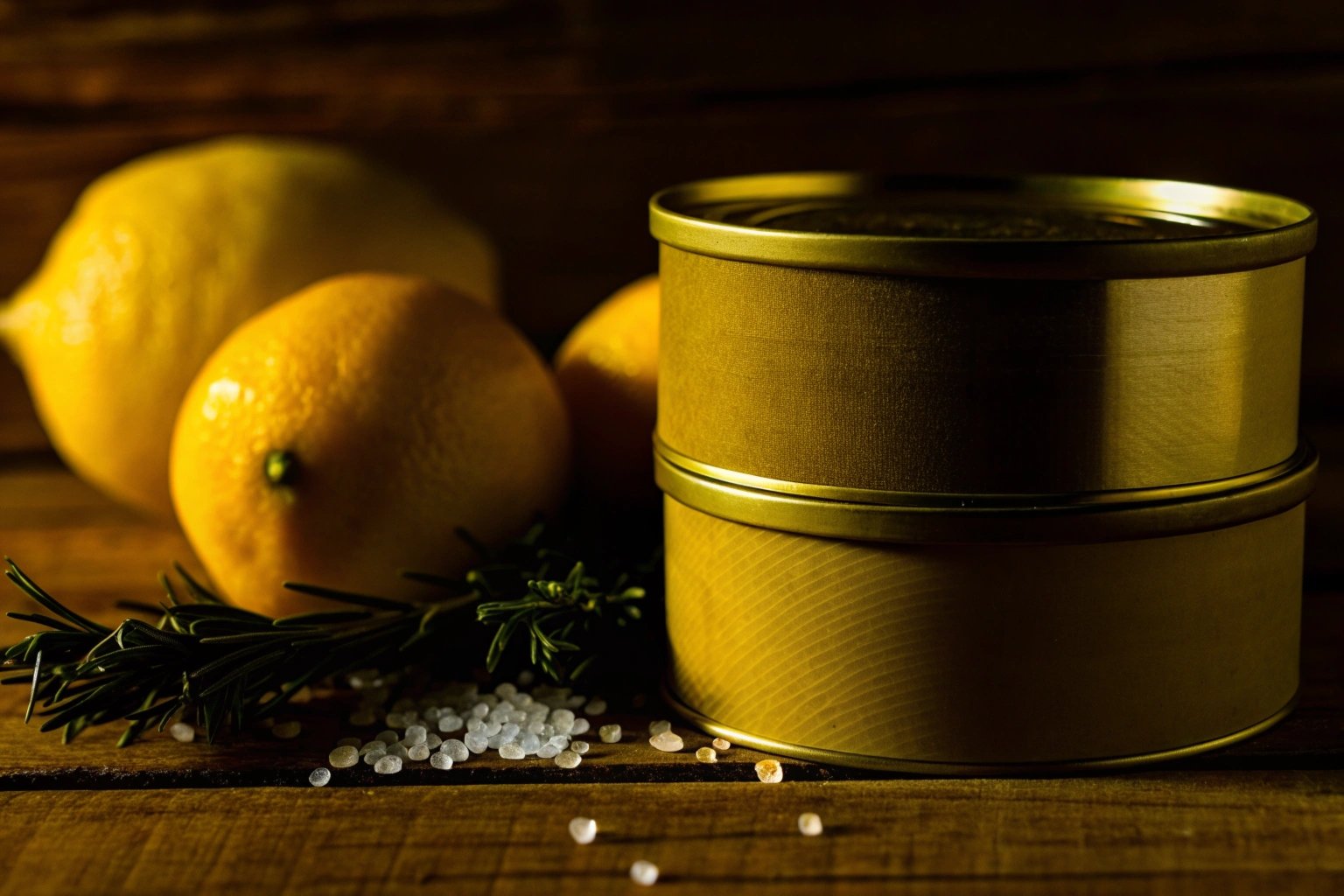
In the last five years, I have seen a shift in buying patterns, especially from Europe and South America. The "mirror" look of BA used to be the gold standard. But now, too many cheap products use it. It has become common. To stand out, my customers are asking for something that feels different to the touch. Stone finish has a specific surface roughness (Ra 0.4-0.6μm) that scatters light, giving it a soft, greyish-white appearance.
Stone finish feels industrial. When a customer picks up a sardine can with a stone finish, the tactile feedback is different. It feels stronger and less slippery. Marketing teams are using this to their advantage. They sell "traditional" or "hand-caught" products using this finish because it reminds people of older, durable tools, not mass-produced shiny plastic or metal. It connects the consumer to the idea of craftsmanship.
Beyond just looks, there is a functional "premium" aspect. Have you ever tried to open a shiny can with wet hands? It is slippery. Stone finish provides friction. This is a small detail, but for a premium user experience, it matters. Furthermore, Stone finish resists fingerprints. A shiny BA can looks great until someone touches it; then it looks greasy. A Stone finish can sits on a shelf or a dining table and maintains its clean look even after being handled.
However, you must be careful with your graphic design.
- For BA: Transparent lacquers (gold/red) look like jewels because the metal shines through.
- For Stone/CA: Transparent colors look matte and deep. It creates a "velvet" metal look.
If your design relies on high-reflectivity (like gold bars or shiny coins in the artwork), Stone finish will kill the effect. But if your design uses bold solids, black text, or retro styles, Stone finish elevates it.
| Design Goal | Recommended Finish | Why? |
|---|---|---|
| "Bling" / Luxury | BA (Bright) | Reflects light, looks like jewelry. |
| Organic / Natural | CA (Stone) | Low glare, feels earthy and solid. |
| Industrial / Retro | CA (Stone) | Hides scratches, looks tough. |
| Complex Printing | CA (Matte) | Better ink grip, sharper definition. |
Does the finish type affect the price per ton?
At the end of the day, you have a budget to meet. You might assume that because they are both "tinplate," the price should be identical. But the manufacturing process for these finishes consumes time and energy differently, which impacts the final invoice.
Generally, the finish type does affect the price, with BA (Batch Annealing) often costing slightly more or having longer lead times due to the slow, energy-intensive heating process that takes days. CA (Continuous Annealing) is a faster, high-speed process that is more cost-efficient for the mill, often resulting in a more competitive price for large volume orders.
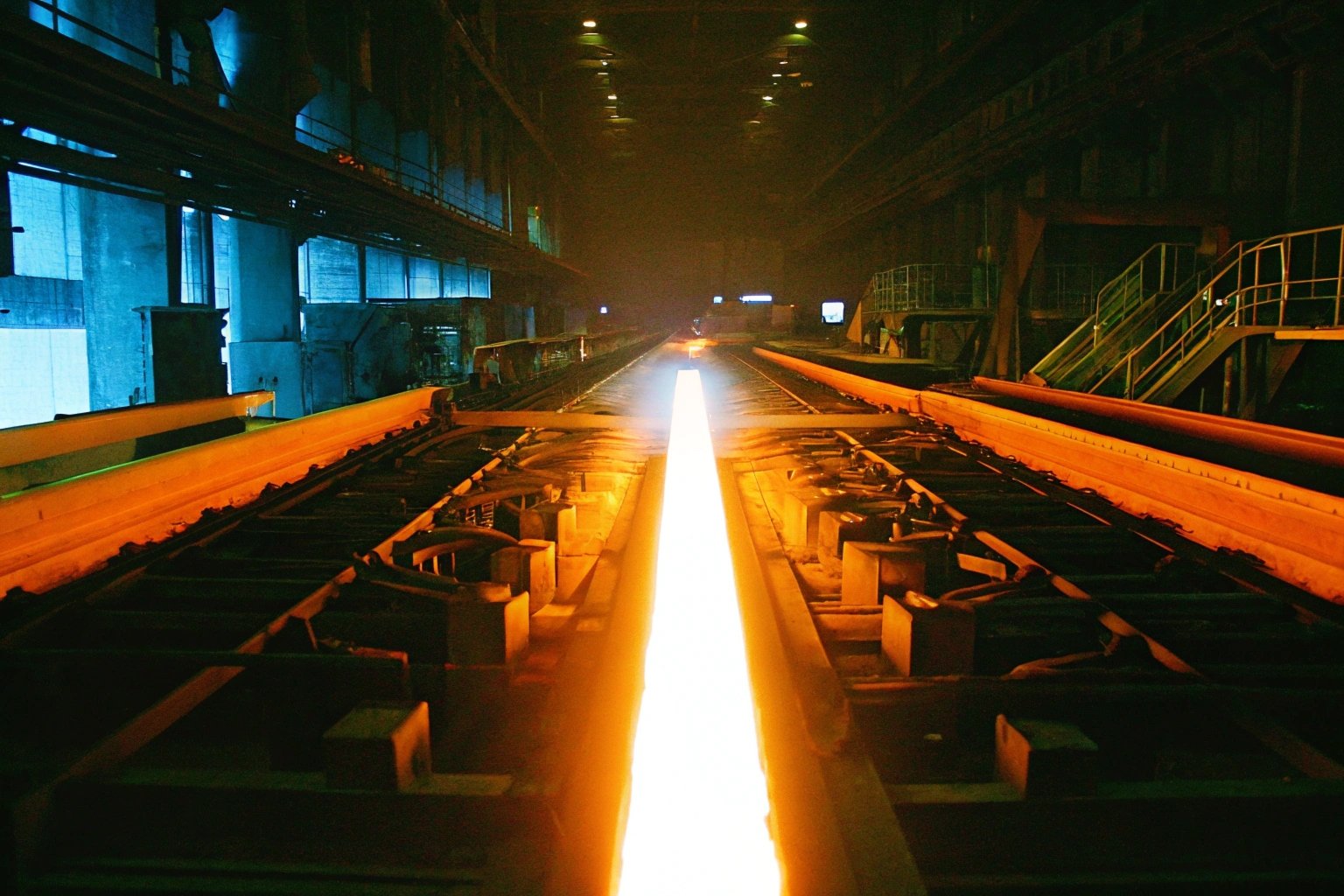
To understand the price, you have to understand the time inside my factory. It all comes down to the annealing stage—the process where we heat the steel to soften it after rolling.
When we produce BA (Batch Annealed) material, we take the steel coils, stack them up, cover them, and put them in a furnace. They sit there baking in a hydrogen atmosphere 9 for several days at temperatures around 700°C. Then, they have to cool down slowly. This "cooking" time ties up equipment and inventory. It is a slow process. If you order BA, you are paying for the fact that my furnace is occupied for a long time. It also consumes a significant amount of energy per ton because you are heating a massive thermal mass.
When we produce CA (Continuous Annealed) material, the steel strip uncoils and flies through a long furnace at hundreds of meters per minute. It heats up and cools down in a matter of minutes. It is incredibly efficient. Because I can push more tonnage through the CA line in a single shift, the overhead cost per ton drops. This efficiency allows us to offer CA material at a sharper price point, typically 2% to 5% cheaper depending on the steel grade.
There is also a hidden cost: Lead Time.
- CA: I can usually fit a CA order into production quickly because the lines run fast.
- BA: If my batch furnaces are full, you wait.
In a volatile market where steel prices change weekly, waiting an extra two weeks for BA production could mean the base price of steel goes up.
However, price is not just about manufacturing. It is about inventory. Because CA is the standard for the massive food industry, mills like ours (Huajiang) keep huge stocks of CA substrate. We might have 10,000 tons of CA coils ready to be tin-plated. BA inventory is usually smaller.
If you are a buyer like Carlos, buying for a massive tomato harvest season, you want the best price and the fastest delivery. CA is almost always the winner there. Unless your marketing department absolutely demands that mirror shine, switching to a high-quality CA finish can save you money on the material cost, and more importantly, it can save you weeks of waiting.
Cost Driver Summary
| Cost Factor | BA (Batch Anneal) | CA (Continuous Anneal) |
|---|---|---|
| Processing Time | High (Days) | Low (Minutes) |
| Energy Consumption | High per ton | Low per ton |
| Inventory Availability | Moderate | High |
| Overall Cost Impact | Typically Premium | Standard / Economical |
Conclusion
Choosing between BA and CA finish is not just a cosmetic decision; it is a strategic one for your business. BA offers that beautiful mirror shine and softer temper perfect for deep drawing 10, but it costs more and shows every scratch. CA provides a robust, printer-friendly surface with a consistent temper that saves you money and speeds up production. As your partner in China, I want to ensure you buy the material that fits your machinery and your market, not just the one that shines the brightest.
Footnotes
1. Overview of Electrolytic Tin Plate (ETP) properties and applications. ↩︎
2. Standard test method to assess coating adhesion quality. ↩︎
3. Technical explanation of Ra standards for surface texture measurement. ↩︎
4. Physics concept explaining how liquids spread on surfaces. ↩︎
5. Guide to offset printing technology used in metal packaging. ↩︎
6. Definition of surface damage caused by load and vibration. ↩︎
7. How VCI packaging chemically protects metals from rust. ↩︎
8. Shipping term defining buyer responsibilities for transport and risk. ↩︎
9. Role of hydrogen in steel annealing to prevent oxidation. ↩︎
10. Manufacturing process for forming metal into deep can shapes. ↩︎