
I know the fear of buying a full container of Electrolytic Tin Plate 1 from a new supplier without seeing it first. You worry about rust, bad coating, or poor quality.
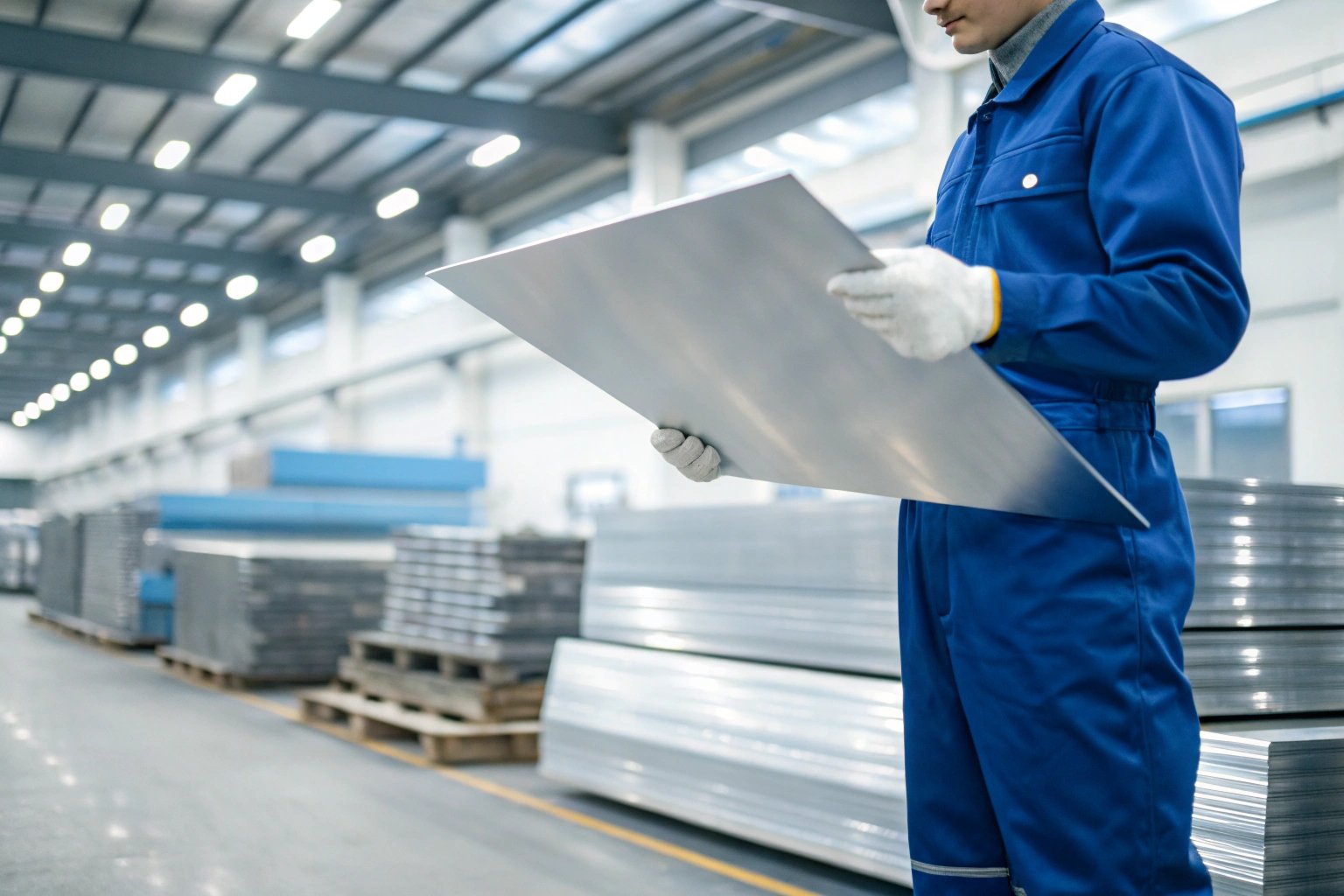
Yes, we provide Electrolytic Tin Plate (ETP) samples for testing before you commit to a mass purchase. We usually send A4-sized sheets so you can verify the thickness, tin coating weight, and surface finish in your own laboratory to ensure it meets production standards.
Let me walk you through exactly how our sampling process works at Huajiang to put your mind at ease.
How long does it take to ship A4 samples to my lab?
Waiting for samples slows down your production planning. You need to test the material quickly so you can lock in the price and shipping date immediately.
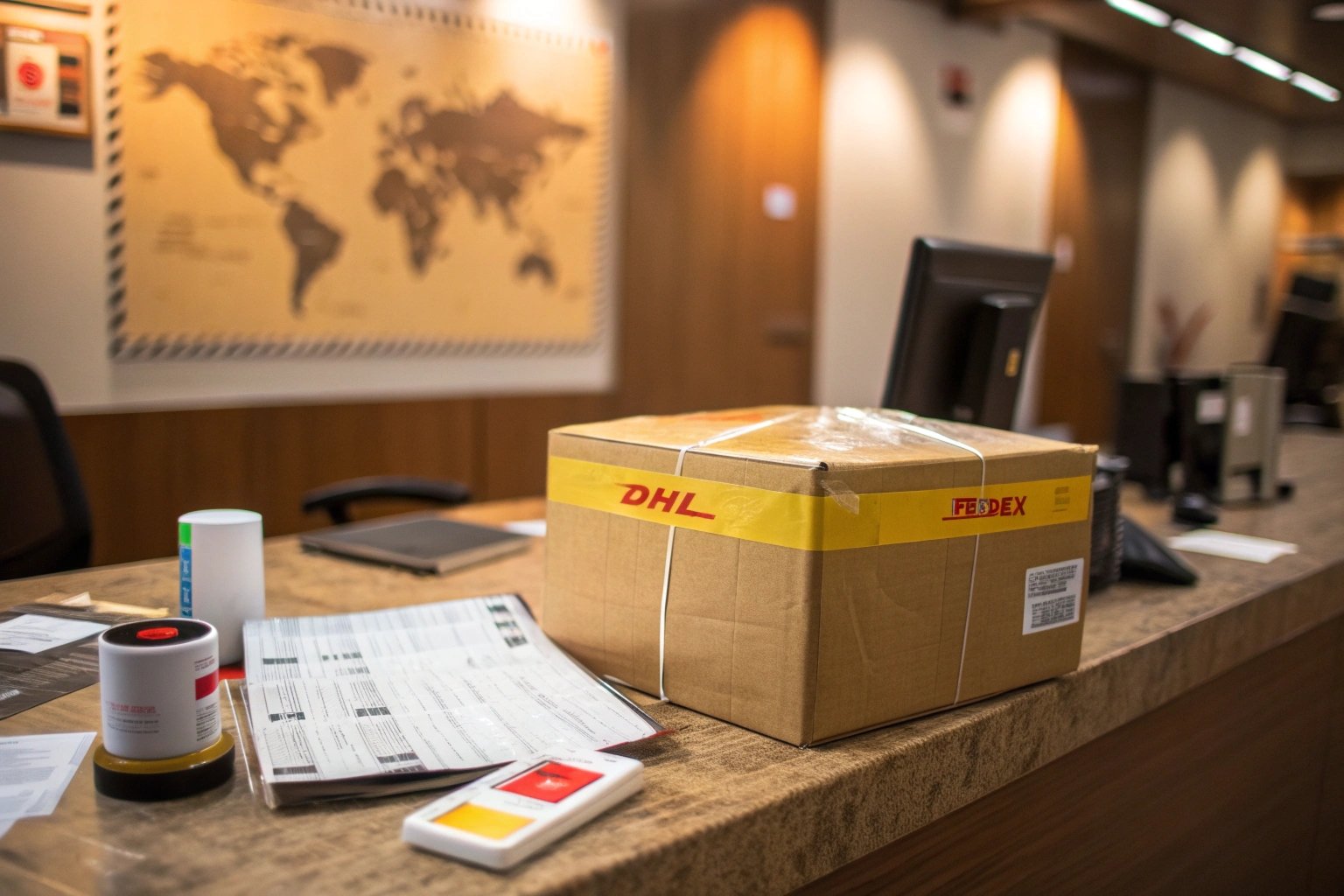
For standard specifications held in our 100,000-ton inventory, we prepare and ship samples within 24 hours. Using major couriers like DHL or FedEx, the package typically arrives at your laboratory in Mexico or Europe within 3 to 5 working days.
Speed is everything in our business. I understand that when you ask for a sample, you are usually in a rush. You might have a harvest season approaching for tomatoes or fruit, and you cannot afford to wait weeks just to see a piece of metal. This is where our business model helps you.
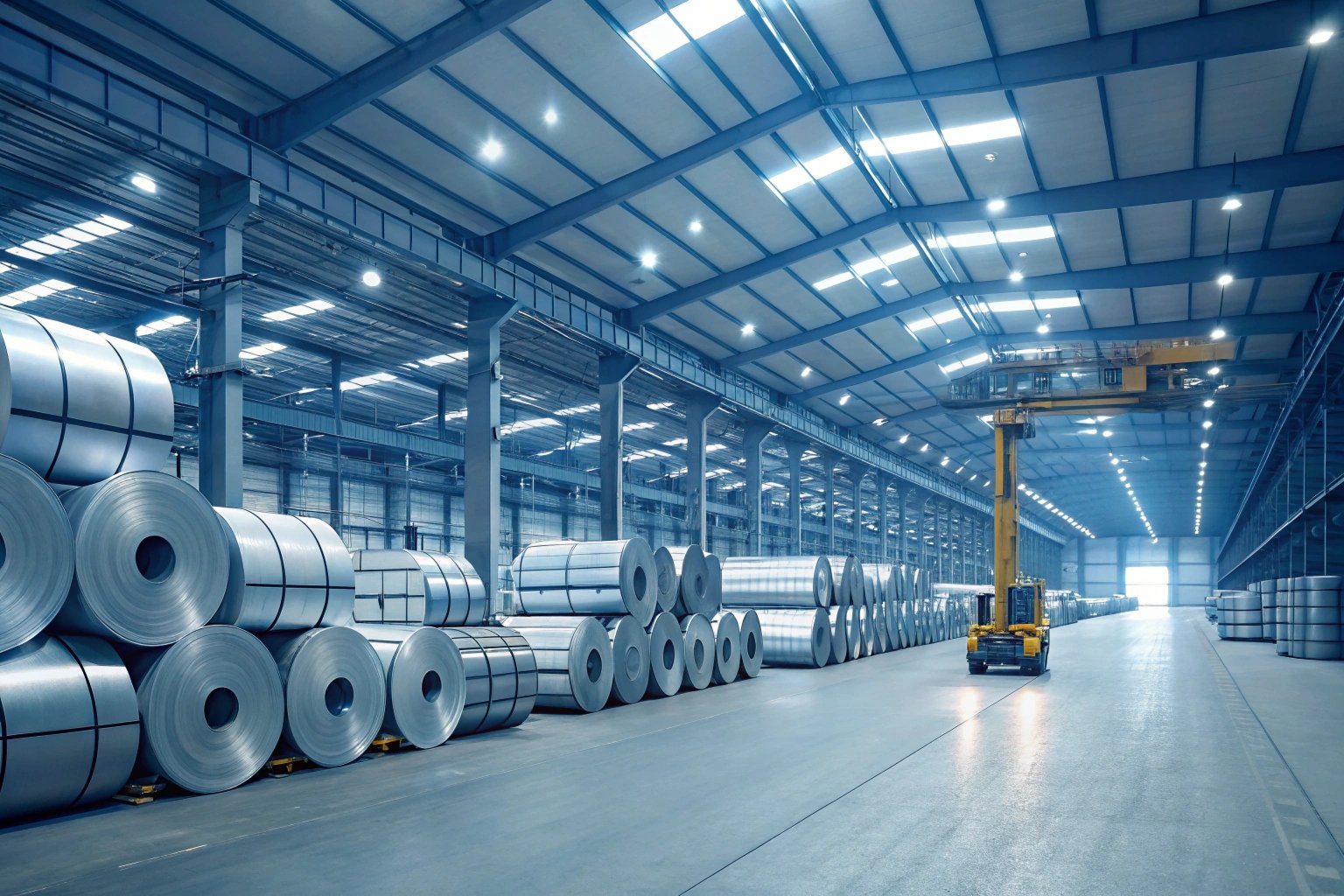
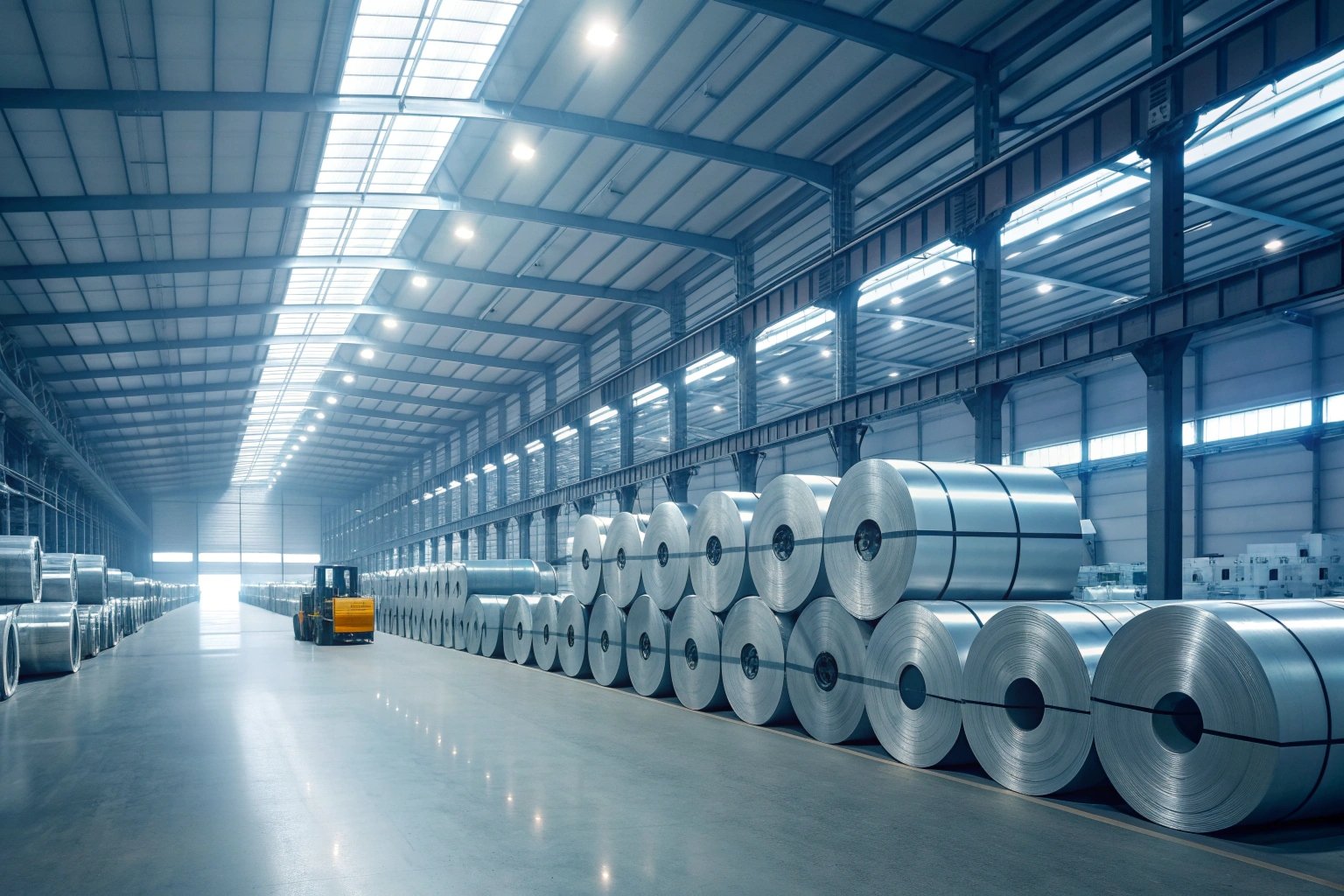
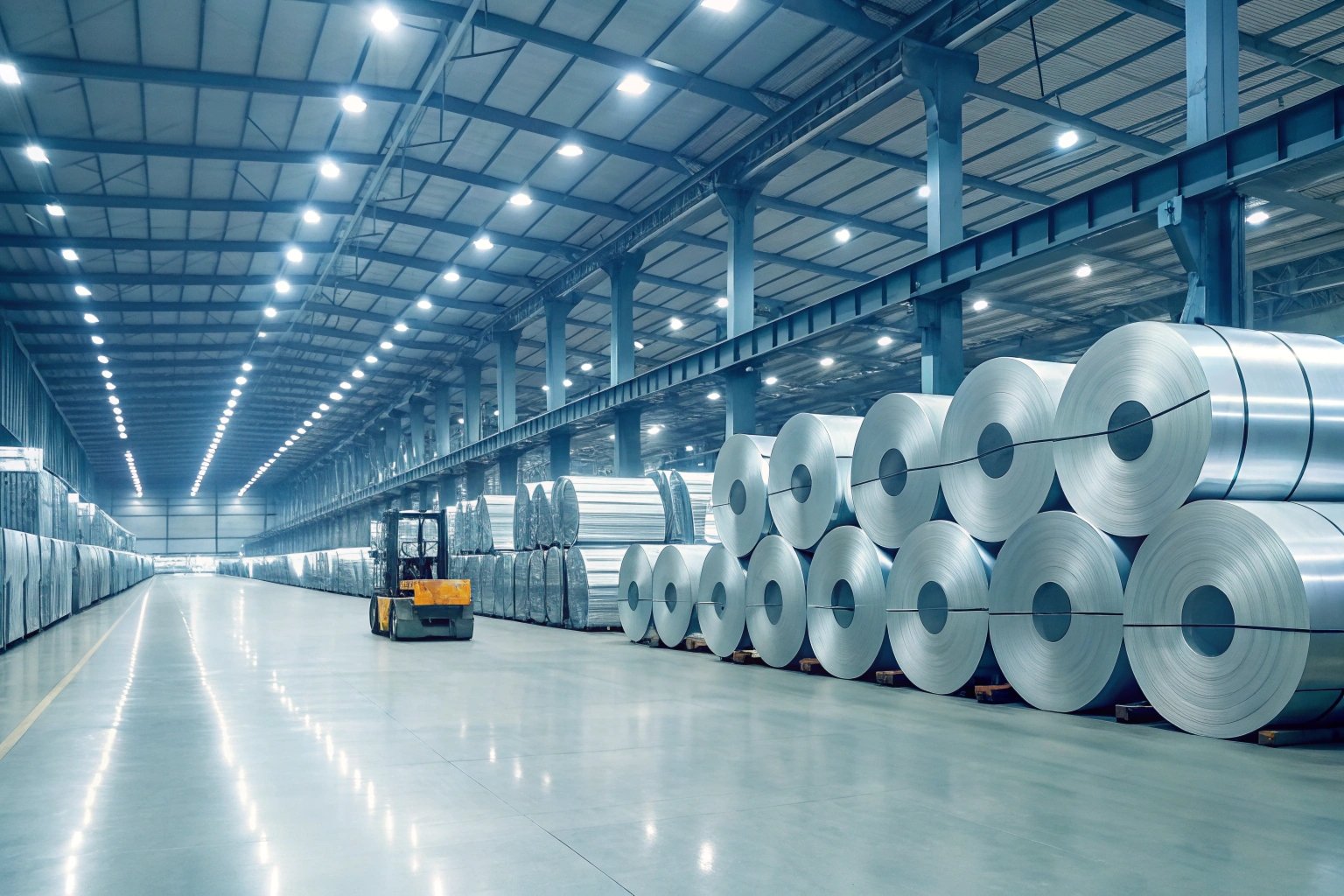
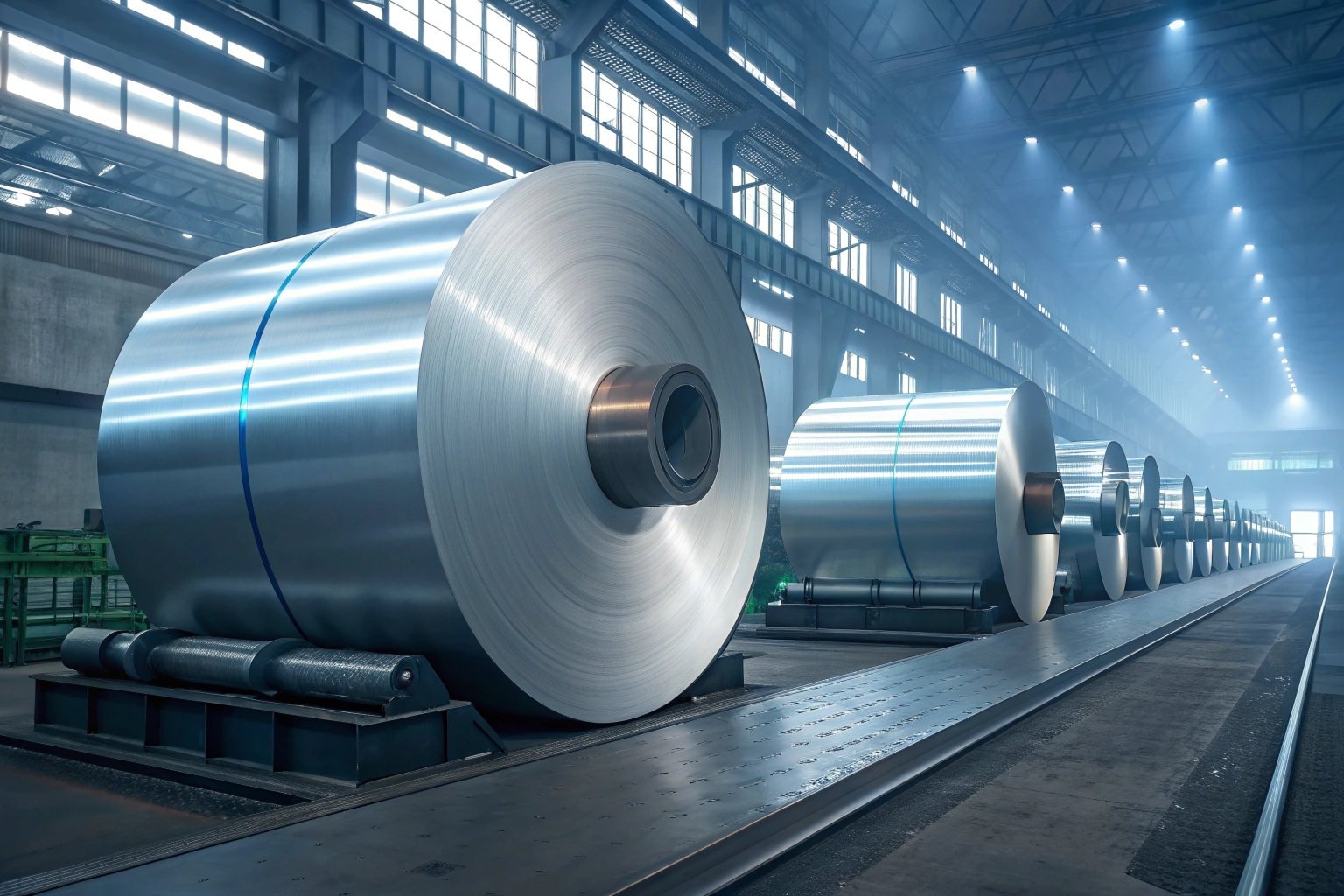
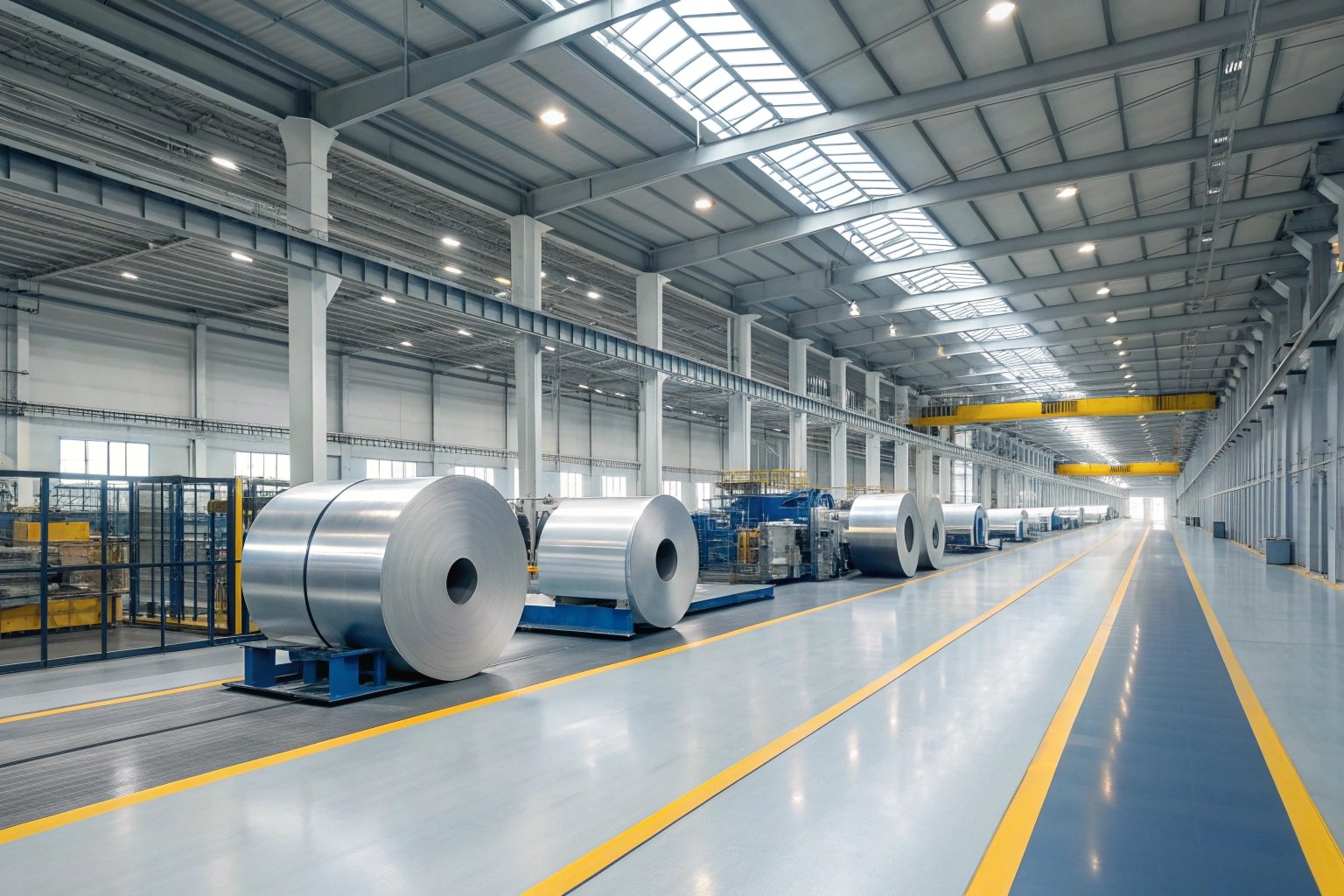
Because we are a large manufacturer with over 100,000 tons of coil in stock, we do not have to wait for the steel mill 2 to produce a new coil just to get you a sample. We go to our warehouse, find the exact thickness and temper you need, and cut a sample immediately. If you need a standard thickness like 0.18mm or 0.22mm with a standard tin coating like 2.8/2.8, we have it right now.
Here is the timeline we try to stick to for every new client:
The Sampling Timeline
- Day 1 (Morning): You send me your request with the specs (Thickness, Temper, Coating).
- Day 1 (Afternoon): My team goes to the warehouse, cuts the sheet, and packages it with cardboard to prevent bending.
- Day 1 (Evening): The courier (DHL/FedEx) picks up the package from our office in Fujian.
- Day 3-5: The package arrives at your desk.
We know that shipping to places like Mexico or Spain can take time, so we use the fastest priority service. We also provide you with a tracking number 3 immediately. Below is a table of average shipping times based on our experience with past clients.
| Destination Region | Courier Service | Average Delivery Time |
|---|---|---|
| North America (Mexico/USA) | DHL / FedEx Priority | 3 – 5 Days |
| Europe (Spain/Italy) | DHL Express | 4 – 6 Days |
| Southeast Asia (Thailand/Vietnam) | SF Express / DHL | 2 – 3 Days |
| South America (Brazil/Peru) | FedEx / DHL | 5 – 7 Days |
We pack the samples very carefully. We use stiff cardboard and plastic wrap. This ensures the corners do not get bent and the sheet does not get wet during the flight. We want the sample to look exactly as good on your desk as it did in our factory.
Do you charge for the sample or just the courier fee?
You shouldn’t have to pay high fees just to check if a supplier is honest. High sample costs often make buyers hesitate to try a new, better factory.
We offer free A4 samples for standard tinplate specifications because we are confident in our quality. You only need to cover the courier shipping fee. If you place a mass order later, we will deduct this courier cost from your final invoice.

I believe in being fair. We want to show you our quality, so we do not charge you for the metal itself. The cost of a few sheets of tinplate is an investment we are happy to make to win your trust. However, international air freight 4 is expensive. That is why we ask new customers to pay for the shipping cost.
This policy also helps us filter out people who are not serious. When a potential partner is willing to pay the $30 or $50 for shipping, I know they are serious about doing business. It creates a mutual commitment. We provide the material; you provide the transport.
How to Pay for Courier Fees
We try to make this very easy for you. There are two main ways we handle this:
- Freight Collect Account: If you have an account number with DHL, FedEx, or UPS, you can give it to us. We will arrange the shipment, and the courier will charge your account directly. This is the fastest way.
- Prepaid Transfer: If you do not have a courier account, we can check the cost for you. You can transfer the small amount to us via PayPal or Bank Transfer. Once we receive the slip, we ship it.
There are some exceptions where a sample might not be free. If you need a very specific, non-standard size that requires us to stop a production line to cut, or if you need a specific mold for a lid that we do not have, there might be a cost. But for 95% of buyers looking for standard tinplate sheets or standard Easy Open Ends 5 (like 307 or 401), the product sample is free.
Here is a simple breakdown of what is free and what might cost money:
| Item Type | Material Cost | Courier Cost |
|---|---|---|
| Standard Tinplate Sheets (A4) | Free | Buyer Pays |
| Standard Bottom Ends / EOE | Free | Buyer Pays |
| Custom Printed Proofing (Metal) | Charged (High Cost) | Buyer Pays |
| Existing Overrun Printed Sheets | Free | Buyer Pays |
As I mentioned in the bold paragraph, if you pay for the courier now and then place an order for a container later, tell me. I will credit that money back to you. I want our relationship to start on the right foot.
Can I get a sample that is already lacquered or printed?
Plain steel is easy, but you need to know if the coating sticks. You worry that the lacquer will peel off during the deep drawing process.
Yes, we can provide lacquered or printed samples. If we have your specific color or coating in our stock overflow, it is free. However, custom printing requires setting up the production line, so this usually incurs a setup fee or requires a proofing contract.
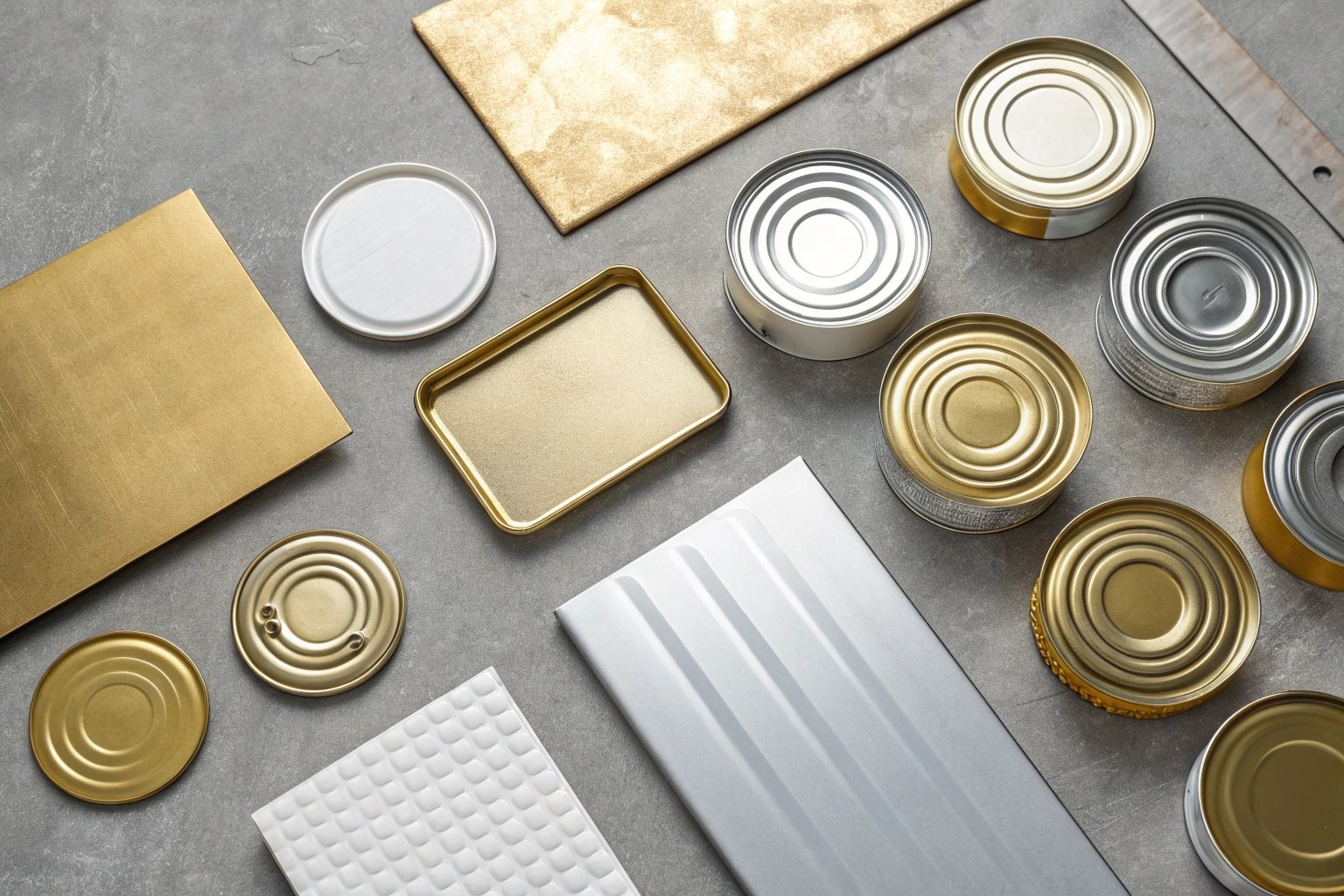
This is a very common question, especially from my clients who make food cans. You need to know if the gold lacquer will hold up against acid, or if the white coating looks clean enough for a premium brand.
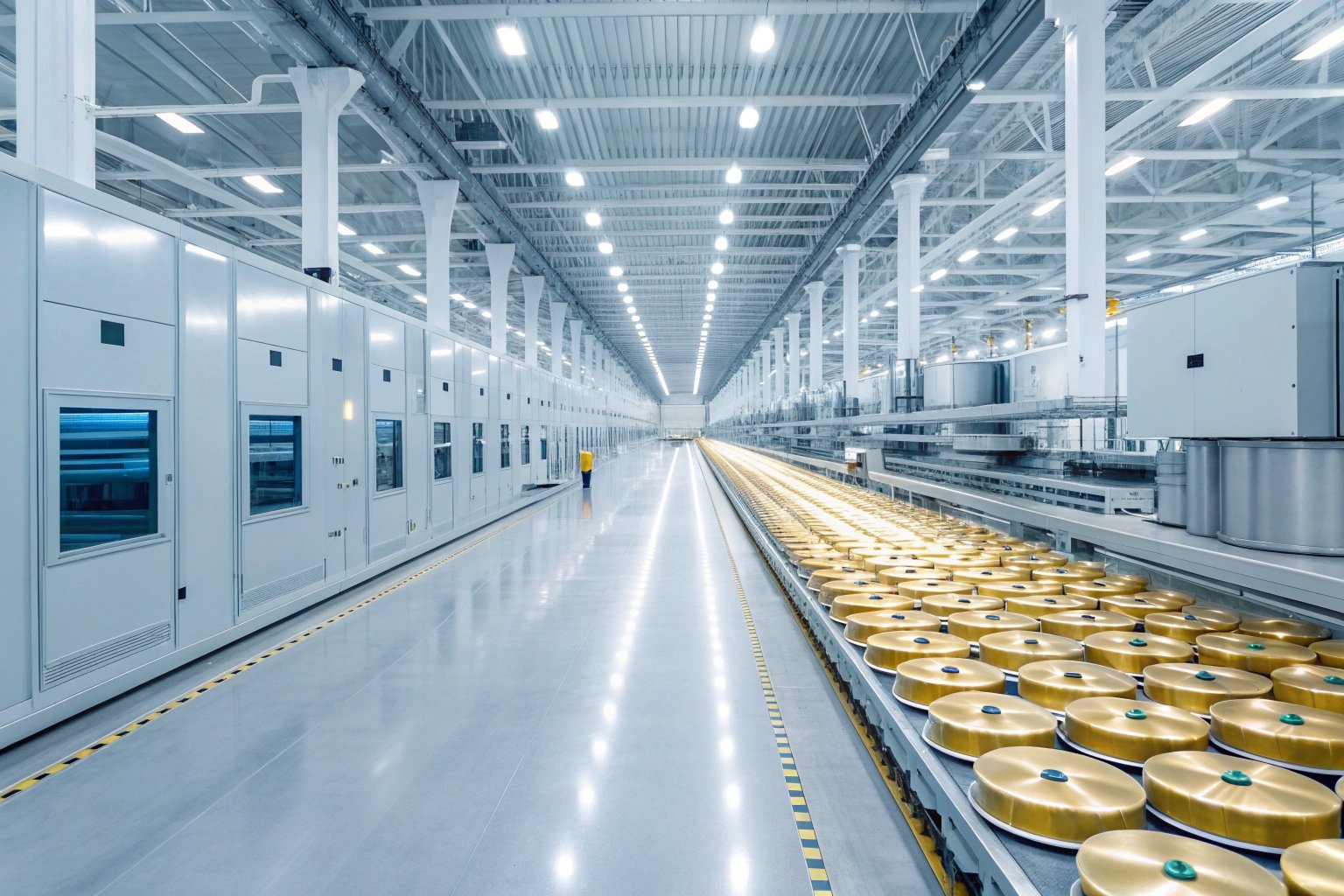
We have a huge advantage here because we have 5 coating lines and multiple printing lines running every day. We often have "overruns" or extra sheets from previous jobs. If you need a sample of "Gold Lacquer" or "Aluminum Paste," I can likely find a sheet in our factory that was produced recently. I can send this to you for free so you can test the chemical resistance and the adhesion of the paint.
Custom Printing Challenges
However, if you need your specific logo printed on just one piece of metal, that is difficult. Metal printing is not like paper printing. We use large offset presses 6. To print one sheet, we have to make the plates, mix the ink, and set up a huge machine. This costs a lot of money and wastes material.
If you absolutely need to see your logo on the metal before mass production, we call this "Iron Proofing." We can do it, but it costs money. Usually, we charge a fee for this service. If the order is very large, we might absorb this cost, but for standard orders, proofing is a separate bill.
Testing the Coating
When you get our lacquered sample, I encourage you to do the following tests:
- The Tape Test: Cut a grid into the lacquer and use strong tape to try and pull it off. You will see our coating does not peel.
- Sterilization Test: Put the sample in your retort cooker 7. See if the color changes or if the coating blisters. Our coatings are designed for high-temperature sterilization.
- Deep Draw: If you have a small press, try to stamp it. Our lacquer is flexible and moves with the steel.
If you are making cans for high-acid foods (like pineapple or tomato) or high-sulfur foods (like fish/meat), please tell me. I will select a sample that has the correct specialized coating. We use top-quality paints, including PPG and Valspar, to ensure food safety standards 8 like FDA and EU regulations are met.
How do I ensure the mass production matches the sample quality?
The sample was perfect, but the container arrival is a disaster. This is the biggest nightmare for every purchasing director in the canning industry.
We guarantee consistency by using the same raw material coil for your order as the sample. We also provide a Mill Test Certificate and welcome third-party inspections like SGS to verify the mass production matches the sample data before we load the container.
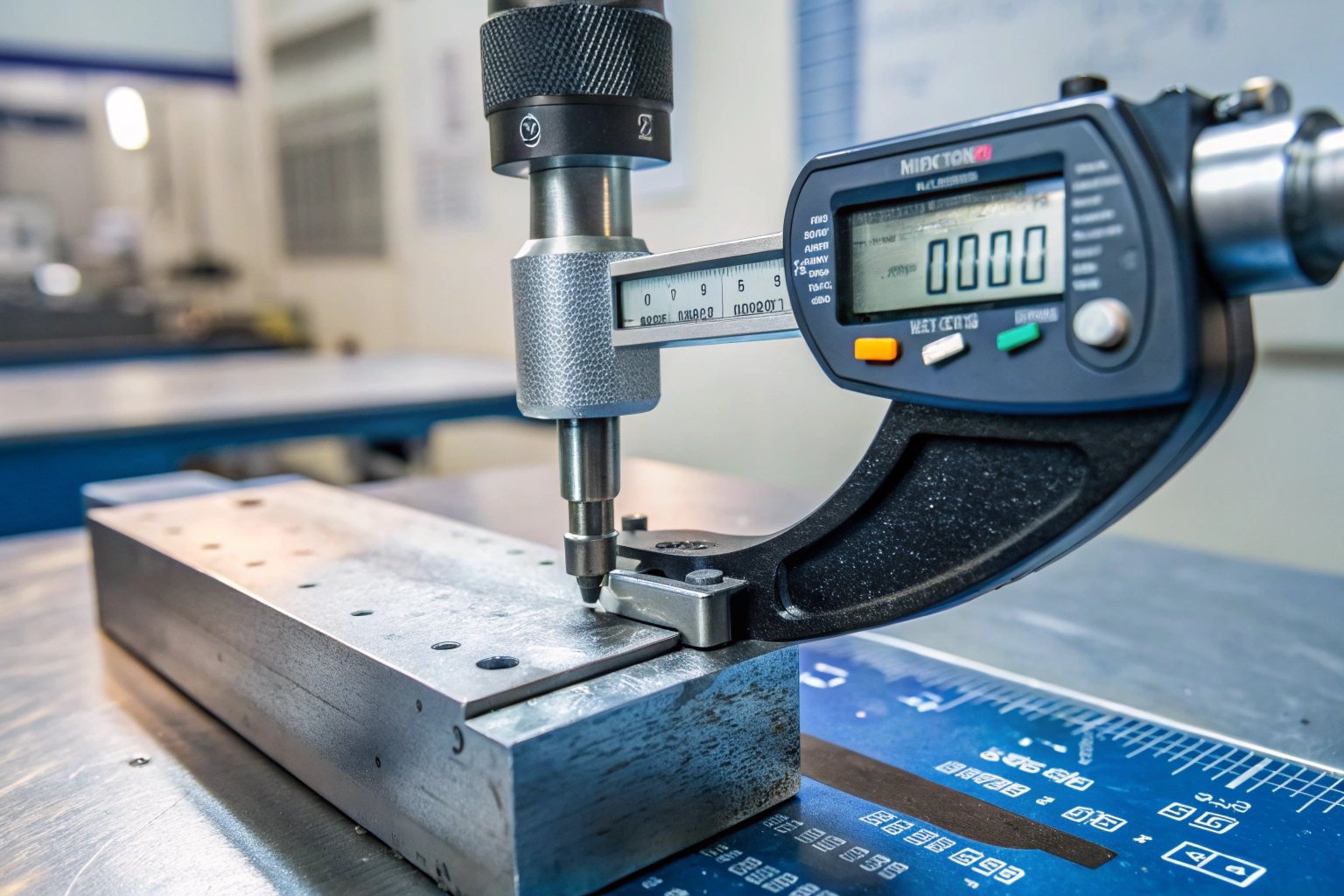
I have heard many horror stories from clients who switched to us. They tell me about factories that sent a "Golden Sample" that was perfect, but when the container arrived, the steel was rusty, or the thickness was wrong. This is "Bait and Switch," and it ruins businesses.
At Huajiang, we play a long game. We want you to buy from us for ten years, not just once. To ensure the mass production matches the sample, we use a strict system.
Traceability and Transparency
When I send you a sample, I keep a record of the "Heat Number" and the specifications of that exact sheet. When you place your order, we pull the coil from the same batch or a batch with identical chemical properties.
We also focus on transparency. Before we ship your container, we send you a detailed Mill Test Certificate 9 (MTC). This paper lists the exact chemical composition, temper, and coating weight of the steel you are buying.
Third-Party Inspection
The best way to feel safe is to hire a neutral judge. I always encourage my new customers to hire SGS 10 or Intertek. These are global inspection companies. You pay them to send an inspector to our factory in Fujian.
The inspector will:
- Randomly open bundles of your finished tinplate.
- Measure the thickness and width.
- Test the tin coating weight.
- Check for visual defects like oil spots or scratches.
If the inspector says the goods are bad, we do not ship. It is that simple. This puts the power in your hands.
Here are the key metrics we check to ensure your mass production matches your sample:
| Quality Metric | What We Check | Why It Matters |
|---|---|---|
| Temper | Hardness (e.g., T3, DR8) | Ensures the can won’t collapse or crack. |
| Tin Coating | Weight (e.g., 2.8g/m2) | Prevents rust and protects food safety. |
| Dimensions | Width & Thickness | Ensures the sheet fits your machinery. |
| Surface | Visual Inspection | No scratches or "pinholes" (holes in coating). |
By combining our internal QC with your right to use SGS, we remove the risk. You get exactly what you tested in your lab.
Conclusion
Testing samples is the smart way to buy. We make it cheap, fast, and safe for you to verify our quality before you spend a dollar on mass production. Let’s get a sample to your lab this week.
Footnotes
1. Definition and properties of Electrolytic Tin Plate material. ↩︎
2. Industrial facility for raw steel production and processing. ↩︎
3. Tool for real-time location monitoring of shipments. ↩︎
4. Logistics method for rapid global cargo delivery. ↩︎
5. Standard lid type used in commercial food canning. ↩︎
6. High-volume industrial printing technique for metal sheets. ↩︎
7. Equipment used for high-temperature food sterilization. ↩︎
8. Federal regulations ensuring food is safe for consumption. ↩︎
9. Certified document detailing metal chemical and physical properties. ↩︎
10. Leading global inspection, verification, and certification company. ↩︎