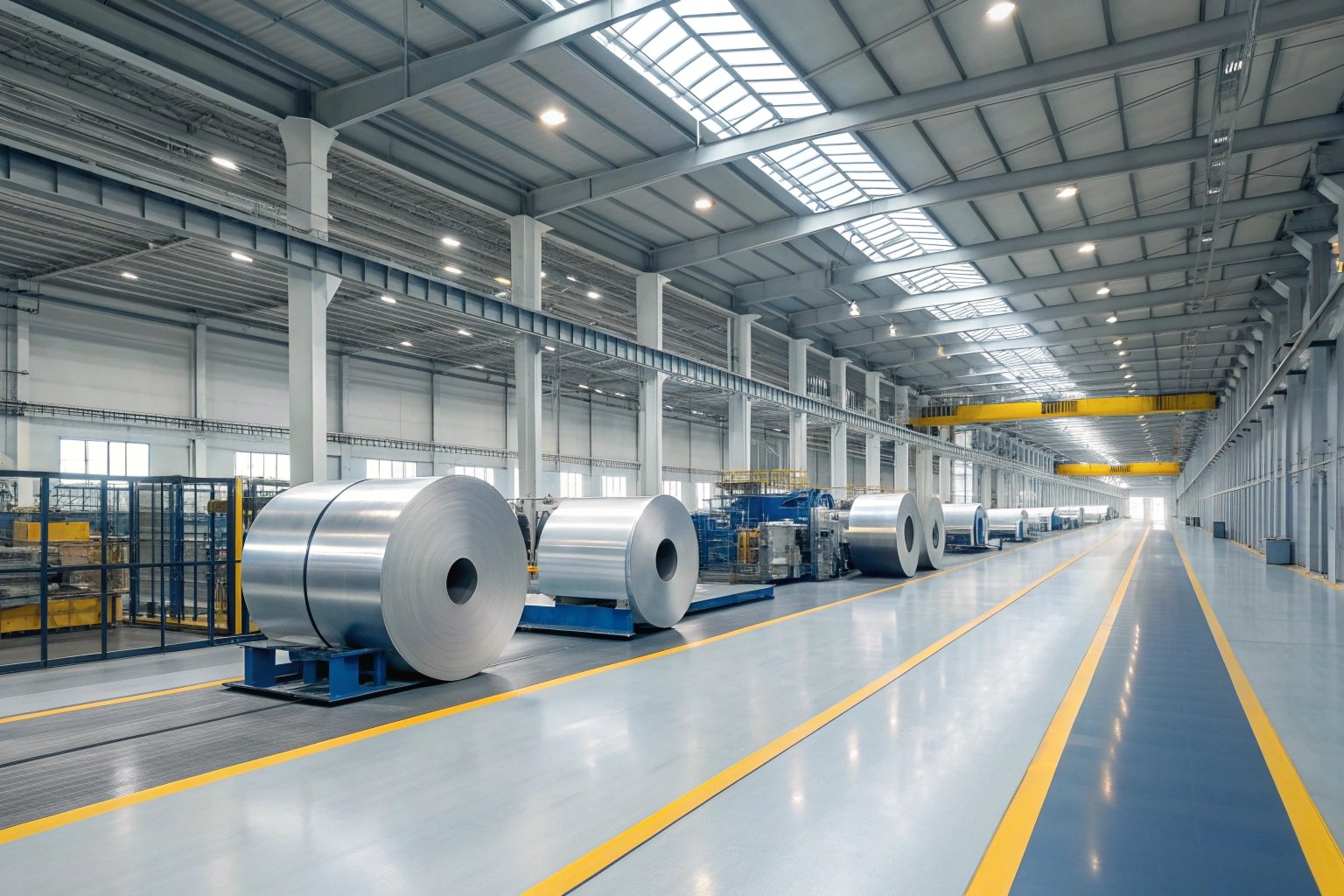

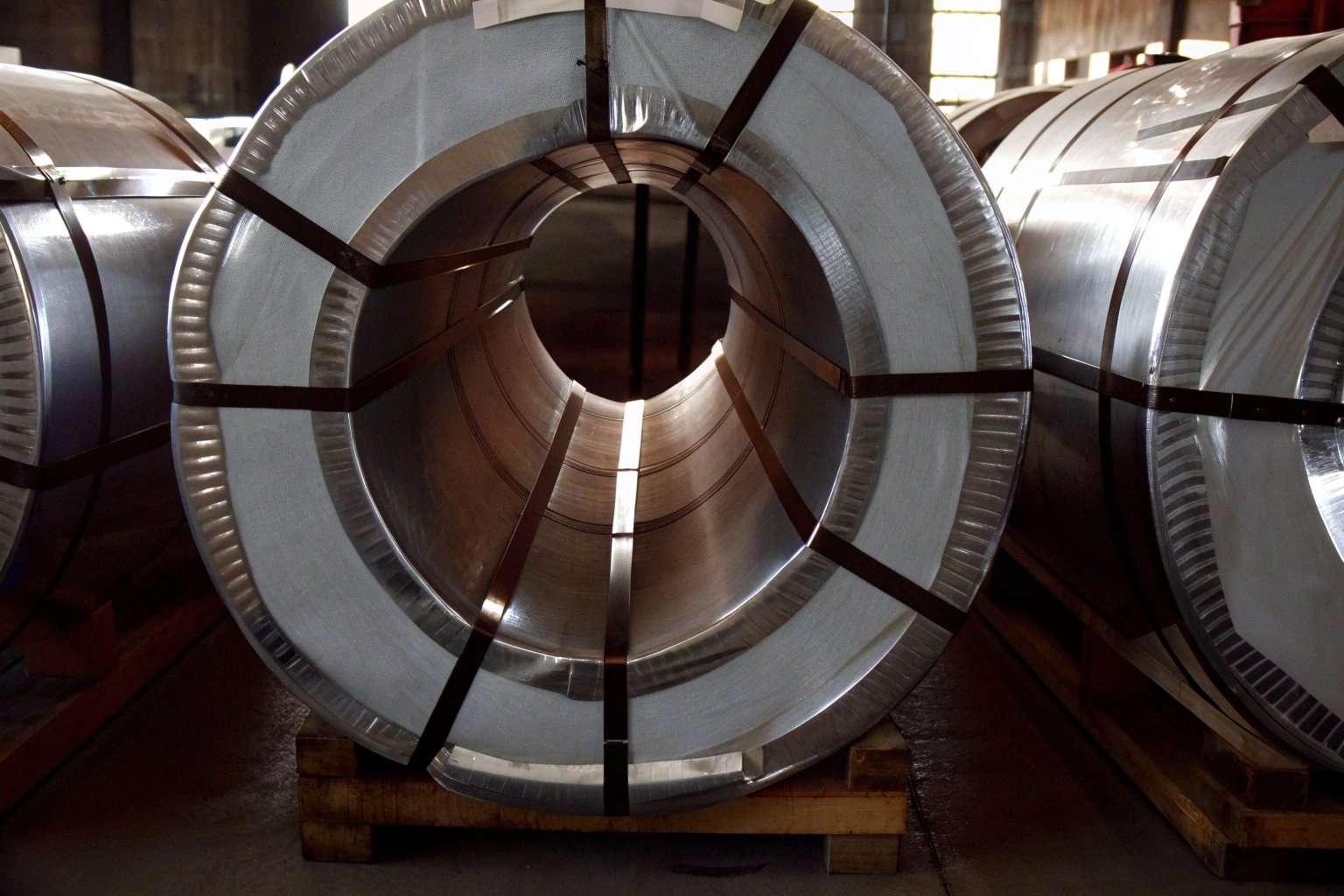
I know the sinking feeling of opening a container only to find rust spots on what should be pristine steel. It ruins your profit margins and damages your reputation with buyers.
To prevent rust during export, we use a "seaworthy" three-layer protection system. This involves cleaning the surface, wrapping the tin plate in VCI (anti-rust) paper and plastic film, and vacuum sealing it. We then secure it with steel strapping on ISPM 15 wooden pallets to ensure it arrives in perfect condition.
We have refined this process over twenty years of shipping to the US and Europe. We know that the ocean environment is harsh, and salt air can penetrate weak packaging. I want to walk you through exactly how we pack your order to guarantee it stays dry and safe.
Do you use VCI paper and plastic wrapping for moisture protection?
Moisture is the biggest enemy of Electrolytic Tin Plate 1 during a long sea voyage. If salt air touches the steel, corrosion starts immediately.
Yes, we strictly use VCI (Volatile Corrosion Inhibitor) paper combined with heavy-duty plastic wrapping. We create a vacuum-sealed environment that actively releases rust-inhibiting molecules to protect the steel surface, even if a small amount of humidity penetrates the outer layer.
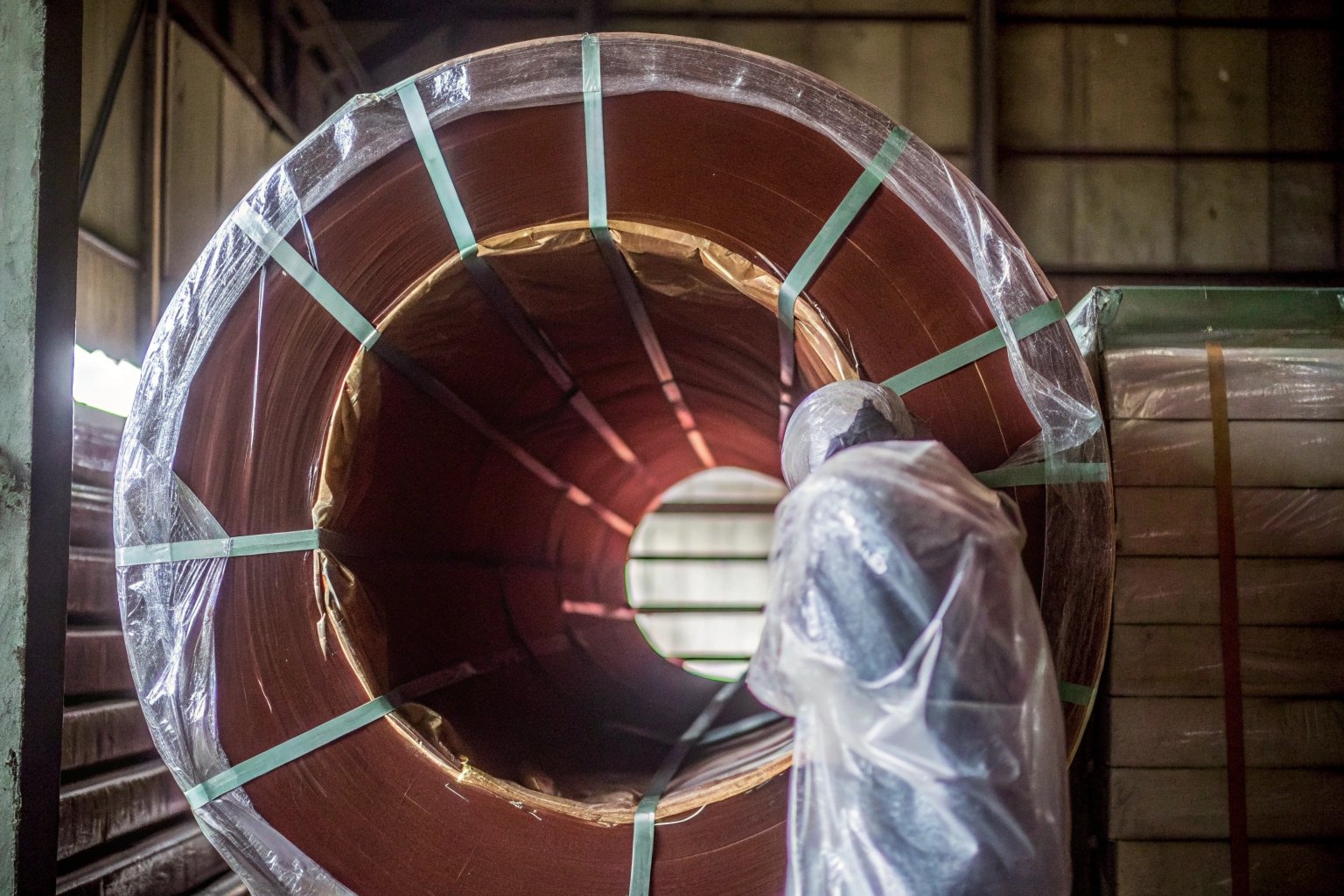
The inner layer of protection is the most critical part of our packing process. Before we even apply the paper, we ensure the tin plate is clean. For many of my clients in the food industry, we apply a very thin layer of food-grade oil. This acts as the first barrier. If you need dry plates for specific printing needs, we use a passivation process 2 instead of oil to keep the surface reactive but safe.
Once the surface is prepared, we wrap the coils or sheets in VCI paper. VCI stands for Volatile Corrosion Inhibitor 3. It is not just normal paper. It releases invisible molecules that settle on the metal. These molecules stop oxygen and moisture from reacting with the tin. It is like an invisible shield.
After the VCI paper, we apply a PE (Polyethylene) plastic film. We do not just wrap it loosely. We vacuum seal this layer. By removing the air, we reduce the chance of condensation forming inside the pack. To be extra safe, I often place silica gel desiccants 4 inside this plastic layer. These small packets absorb any moisture that might have been trapped during the packing process. This is vital when we ship from humid climates like Fujian to cooler climates in North America. The temperature change can cause container rain 5, but our internal desiccant system handles this risk.
Here is a breakdown of the inner protection materials we use:
| Protection Layer | Material Used | Function |
|---|---|---|
| Surface Coating | Food-grade oil or Passivation | Direct contact protection against oxidation. |
| Chemical Barrier | VCI Kraft Paper | Releases inhibitors to neutralize corrosive elements. |
| Moisture Barrier | PE Vacuum Film | Physically blocks water and air; creates a vacuum seal. |
| Humidity Control | Silica Gel Desiccants | Absorbs residual moisture inside the sealed package. |
How do you ensure the coils don’t move inside the container?
Even if the steel is dry, physical movement can destroy the protective wrapping. If a heavy coil shifts, it can tear the plastic, exposing the steel to salt air.
We secure every coil using a combination of hard inner liners, steel outer covers, and high-tensile strapping. We place coils on anti-slip mats and use wood blocking inside the container to prevent any sliding or tipping during rough sea conditions.
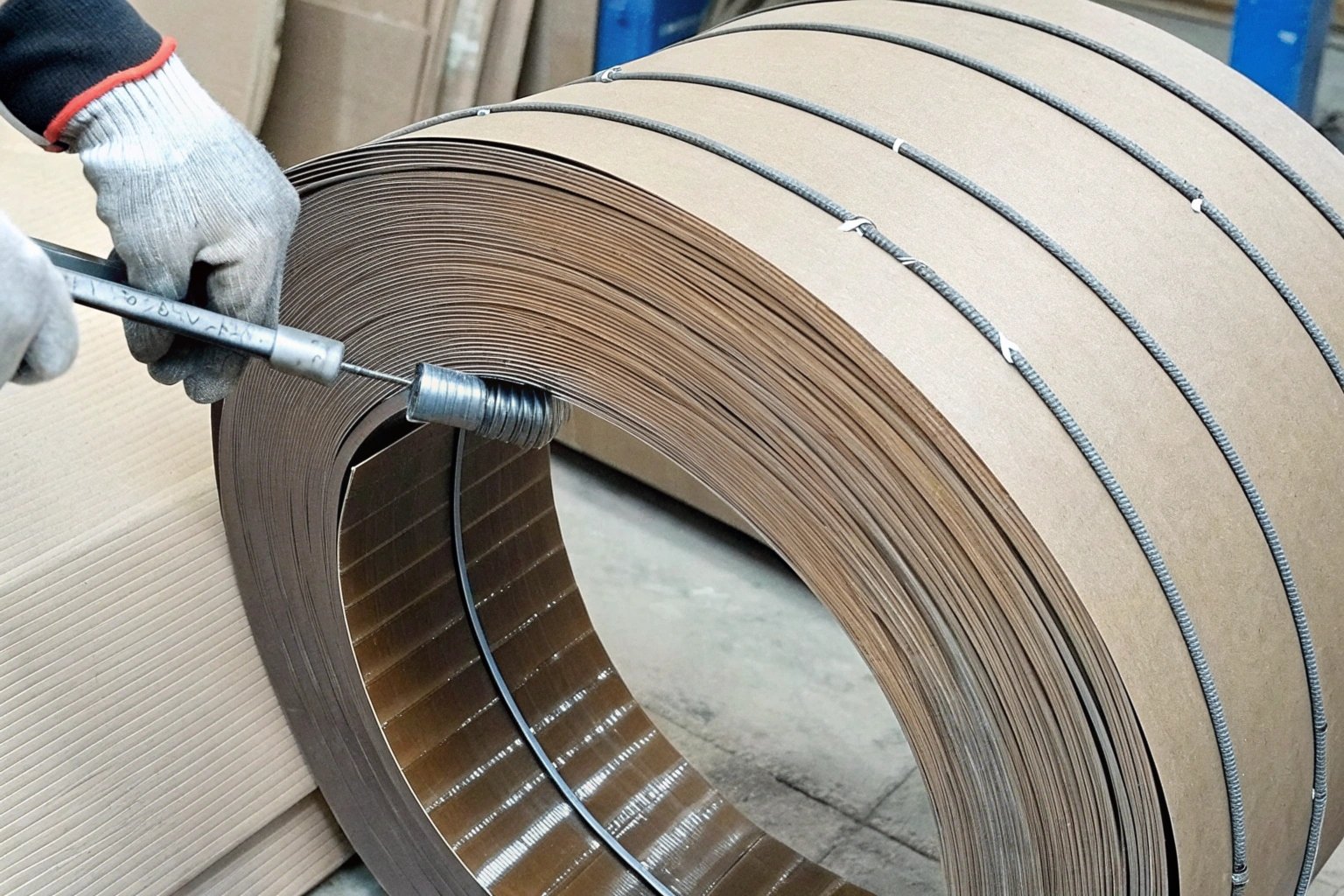
The physical security of the cargo is just as important as the chemical protection. Once the inner VCI and plastic layers are done, we move to the middle layer of protection. This layer is about impact resistance. We wrap the soft inner package with a layer of water-resistant kraft paper, followed by a layer of corrugated hardboard. This acts as a cushion.
Next, we install hard metal edge protectors (corner angles). The edges of a coil or a stack of sheets are the most vulnerable points. If a chain or strap digs into the edge, it damages the material. These metal angles distribute the pressure of the strapping bands. We then cover the entire package in a galvanized steel sheet. This effectively turns your soft package into a hard metal box.
Then comes the strapping. We use high-tensile steel bands 6. We do not use plastic straps for heavy coils because they stretch. We apply the straps in two directions: circumferentially (around the circle) and radially (through the eye). We typically use 3 circumferential bands and 4 radial bands. This cross-strapping technique locks the coil to the pallet.
Finally, we have to consider the friction between the steel and the pallet. We place a rubber or thick paper anti-slip mat at the bottom. This stops the steel from sliding on the wood. When we load the container, we do not just leave the pallets sitting there. We use wooden dunnage (blocks) nailed to the container floor to wedge the pallets in place. This ensures that even if the ship hits a storm, your coils stay exactly where we put them.
Strapping Specifications
| Component | Specification | Purpose |
|---|---|---|
| Strap Material | High-Tensile Steel (32mm width) | Prevents snapping under heavy load shifts. |
| Layout | 3 Circumferential + 4 Radial | Secures the coil in all directions (X and Y axis). |
| Tightening | Pneumatic Tensioner | Ensures maximum tightness without damaging the coil. |
Can I request wooden pallets that meet ISPM 15 standards?
You cannot risk your shipment being rejected at US Customs because of non-compliant wood packaging. This causes massive delays and fines.
Absolutely, all our wooden pallets and skids are fully compliant with ISPM 15 international standards. We use heat-treated wood stamped with the IPPC mark to prove it is pest-free, ensuring smooth entry through customs in the US, Europe, and elsewhere.

I know that for buyers like you in the US, compliance is non-negotiable. The ISPM 15 international standards 7 (International Standards for Phytosanitary Measures) exists to stop the spread of timber pests. We take this very seriously. We use solid wood pallets that have been heat-treated. This means the wood core reaches 56 degrees Celsius for at least 30 minutes. This kills any insects or larvae.
Every single pallet we use bears the IPPC stamp 8. This stamp includes the country code (CN for China), the treatment method (HT for Heat Treatment), and our unique provider number. This stamp is your passport through customs. Without it, port authorities can order the cargo to be re-exported or destroyed at your expense. I make sure this stamp is visible on at least two opposite sides of the pallet so inspectors can see it without moving the cargo.
We also design the pallets for heavy lifting. The tin plate is dense. A standard warehouse pallet cannot hold a 5-ton coil. We use custom-built "skids" with thick bottom runners. These allow forklifts to enter easily from all four sides. We ensure there is enough clearance so the forklift tines do not hit the coil itself.
For some customers who want to avoid wood regulations entirely, we can offer plywood pallets. Plywood is made with glue and heat, so it is exempt from ISPM 15 rules. However, solid wood is generally stronger for heavy steel coils. We usually recommend treated solid wood for the best balance of strength and cost.
Pallet Standards Comparison
| Pallet Type | ISPM 15 Required? | Strength Rating | Best Application |
|---|---|---|---|
| Solid Pine (Heat Treated) | Yes (Must have stamp) | High | Heavy coils (>3 tons), long transit. |
| Plywood / Composite | No (Exempt) | Medium | Lighter sheet packs, quick air freight. |
| Plastic / Steel | No (Exempt) | Very High | Returnable packaging systems (rare for export). |
What should I do if I find humidity damage upon opening the container?
Despite our best efforts, accidents or severe container leaks can happen. Knowing how to handle this quickly can save you thousands of dollars.
If you see rust or water damage, do not unload the cargo immediately. Take clear photos of the container seal, the floor, and the packaging before moving anything. Keep the packaging materials as evidence and notify us within 3 working days so we can activate the insurance claim process.
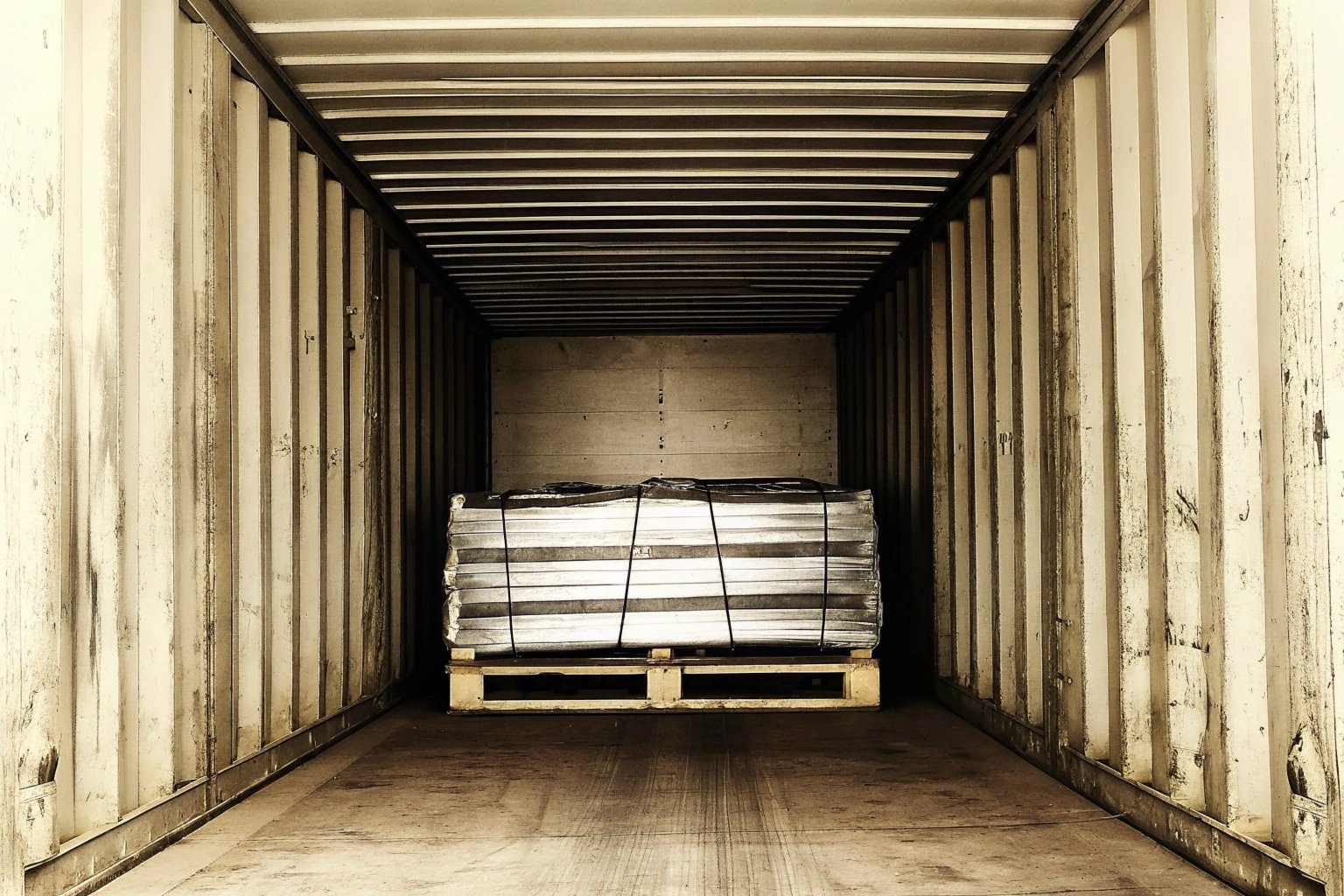
Discovering damage is stressful, but you must act methodically to protect your financial interests. The first few minutes after opening the container doors are crucial. First, look at the container floor. Is it wet? Are there water stains on the walls? This suggests a hole in the container, which is the carrier’s fault, not a packing failure.
Do not remove the steel straps or the outer metal sheet immediately. Take photos of the cargo exactly as it sits in the container. Capture the container number and the seal number in the same photo frame if possible. This proves the damage happened before you took possession. Once you unload, check the Shockwatch 9 or humidity indicators if we included them.
If you peel back the VCI paper and find rust, stop. Take close-up photos of the rust pattern. Is it on the top? This usually means water dripped from the container ceiling (condensation). Is it on the bottom? This means the pallet sat in water. This evidence helps us determine the root cause.
You should retain the packaging materials, especially the VCI paper and the plastic. Sometimes insurance adjusters want to test them. Send all this information to me immediately. As your partner, I will help you file the claim with the insurance company. We usually purchase All-Risk marine insurance for our clients (CIF terms 10), so you are covered. But the speed of your report matters.
We also trace the batch number. I keep records of the manufacturing date and the packing date. If we find that a specific batch had a packing issue, I can alert you to check other coils from that same lot. We believe in transparency. If it is our fault, we fix it. If it is the shipping line’s fault, we fight for you.
Conclusion
Exporting Electrolytic Tin Plate requires a robust defense against moisture and movement. We use a proven system: Inner VCI vacuum sealing, Middle shock-absorbing reinforcement, and Outer ISPM 15 palletizing. This ensures your steel arrives in the same premium condition it left our factory.
Footnotes
1. Overview of tin plating process and its industrial applications for protective coating. ↩︎
2. Technical definition of chemical treatments used to prevent corrosion on metal surfaces. ↩︎
3. How VCI technology works to protect metals from rust molecules. ↩︎
4. Understanding how silica gel absorbs moisture to maintain dry packaging environments. ↩︎
5. Causes and prevention of condensation inside shipping containers during transport. ↩︎
6. Specifications and benefits of steel strapping for securing heavy industrial loads. ↩︎
7. Official regulations for wood packaging material in international trade. ↩︎
8. Guide to interpreting markings on compliant wooden pallets for customs clearance. ↩︎
9. Product details for impact indicators used to monitor shipping conditions. ↩︎
10. Definition of Cost, Insurance, and Freight responsibilities in shipping contracts. ↩︎