


Electrolytic Tin Plate 1 coils can be tricky to pack. I often wonder how best to maximize efficiency without compromising safety or quality.
To calculate container loading for Electrolytic Tin Plate coils, first measure each coil’s dimensions and weight, then match these against container specifications. Weight limits often dictate capacity due to coil density. Always prioritize weight limits before volume.
Strategic planning ensures optimal use of container space. Let’s explore how you can handle the specifics seamlessly.
What is the max weight limit for a 20ft container to my port?
The weight limit of a 20ft container for my port challenges me to consider both weight and load distribution 2, ensuring each coil remains undamaged and that space is used wisely.
A standard 20ft container has a maximum weight limit of around 28 metric tons. This means you have to calculate carefully to avoid surpassing this threshold and risking penalties or damage.
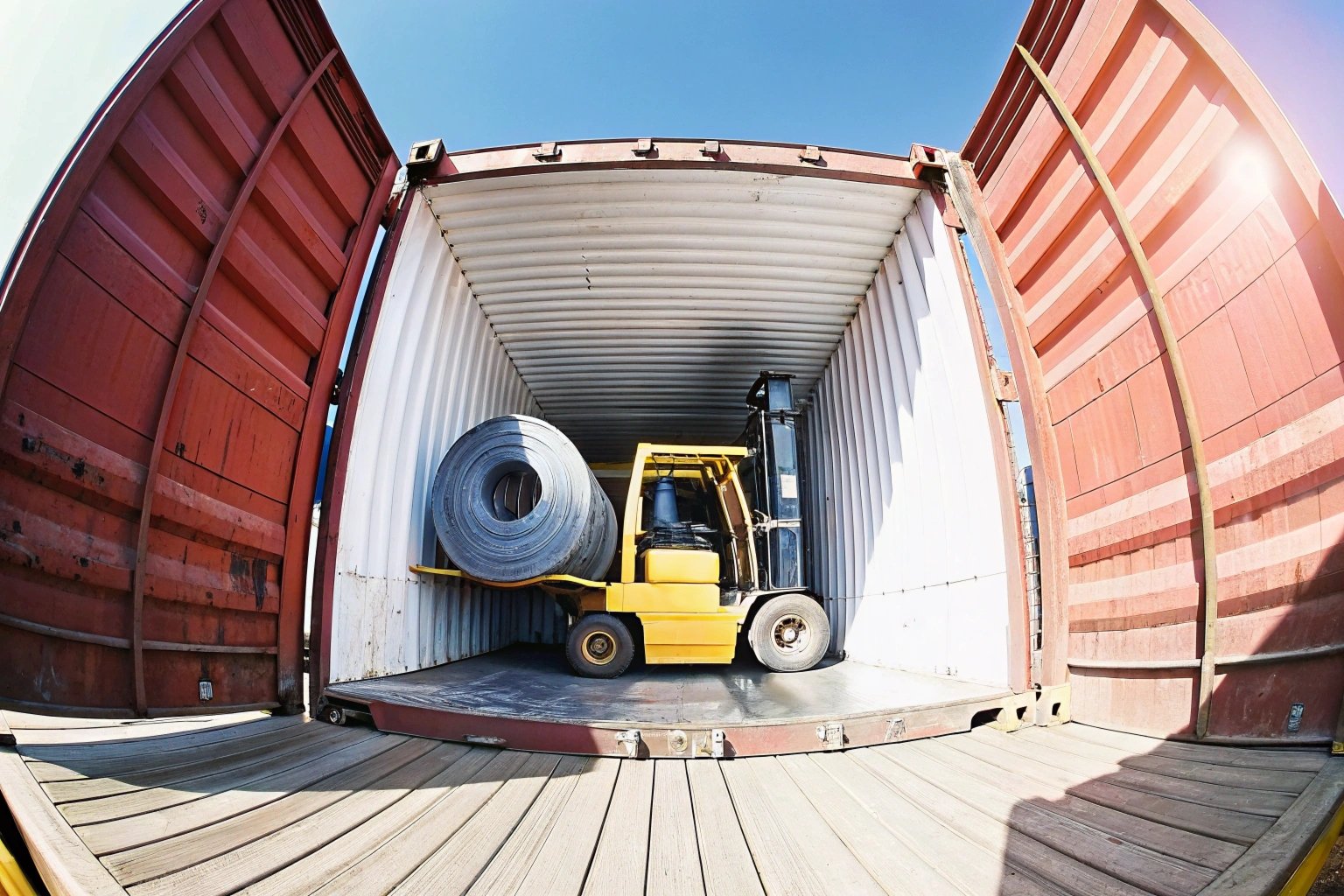
Given this limit, you need a keen eye on managing each coil’s weight with precision. It’s not just about fitting them in, but also balancing the load for safe shipment.
Understanding Container Parameters
| Container Type | Length | Width | Height | Payload Limit |
|---|---|---|---|---|
| 20ft Standard | 5.90m | 2.35m | 2.39m | ~28MT |
| 40ft Standard | 12.03m | 2.35m | 2.39m | ~30MT |
Each coil’s weight must fit within these limits. Calculating the average coil weight against these container specifications 3 prevents overloading, ensuring safer transport and easier handling.
Can you load 25 tons without damaging the coils?
I always caution when I get close to the weight limits. The prospect of damaging valuable coil product haunts me, especially during transport.
Yes, it’s possible to load 25 tons without damaging the coils, provided you use proper load distribution techniques such as dunnage and lashing strategies to stabilize and protect each item.
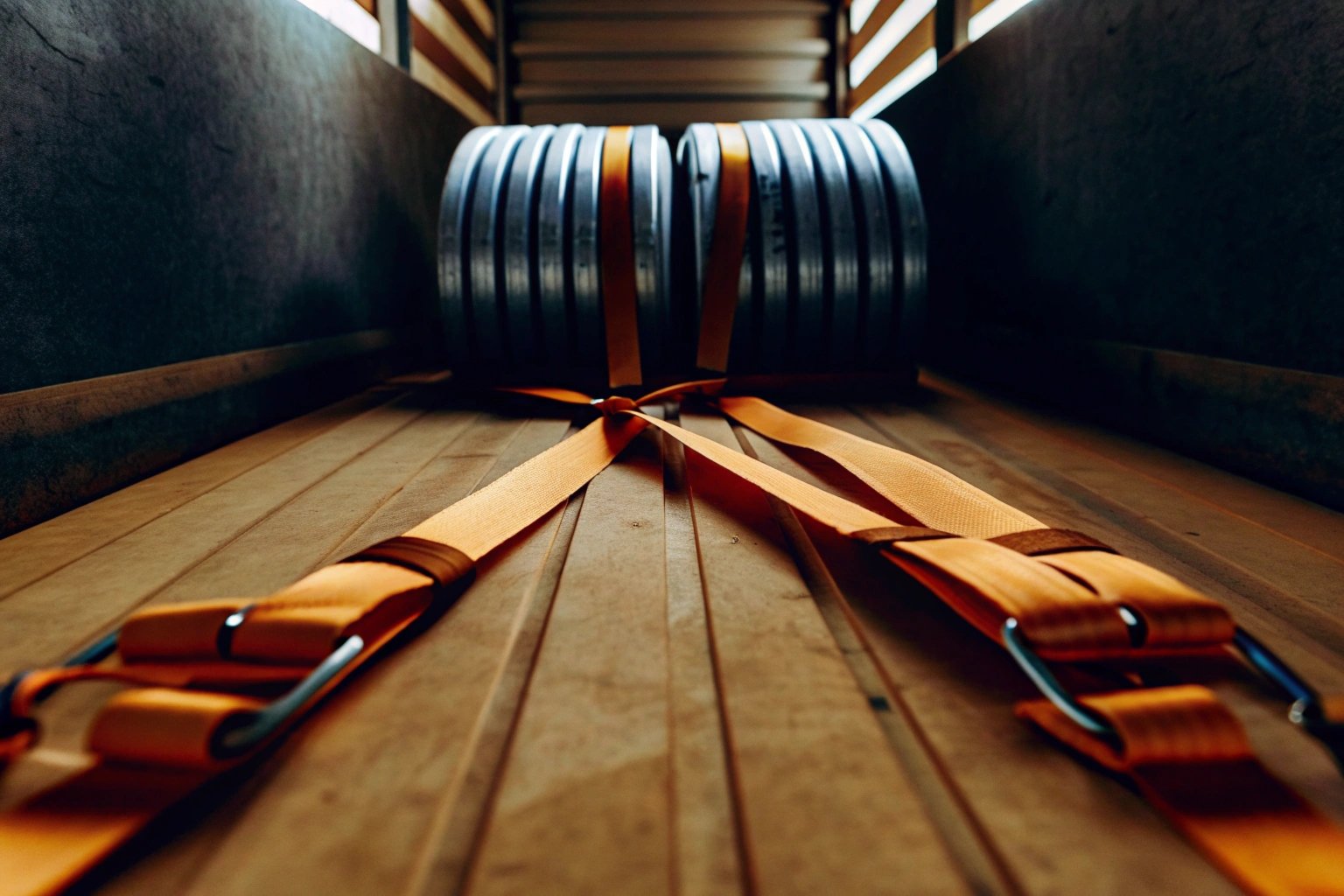
It’s not simply about adding weight; you must ensure that weight is distributed uniformly. Proper load stability 4 and precautions safeguard against potential damage during transport.
Load Stability Techniques
| Stability Method | Material | Purpose |
|---|---|---|
| Dunnage | Timber | Distributes weight over container floor |
| Lashing Straps | Nylon | Provides secure fastening |
| Cradles | Steel | Supports coil vertically |
Incorporating dunnage 5 and lashing creates a safer environment for the coils. These materials spread weight evenly across the container, preventing individual coil injury.
Do you recommend "eye-to-sky" or "eye-to-wall" loading?
Choosing between "eye-to-sky" and "eye-to-wall" setups often puzzles me. Each orientation brings its own set of advantages and challenges, affecting both capacity and transport security 6.
I recommend "eye-to-wall" loading for minimizing space usage and achieving greater efficiency within the container. This method allows for better stacking, optimizing cargo space use.
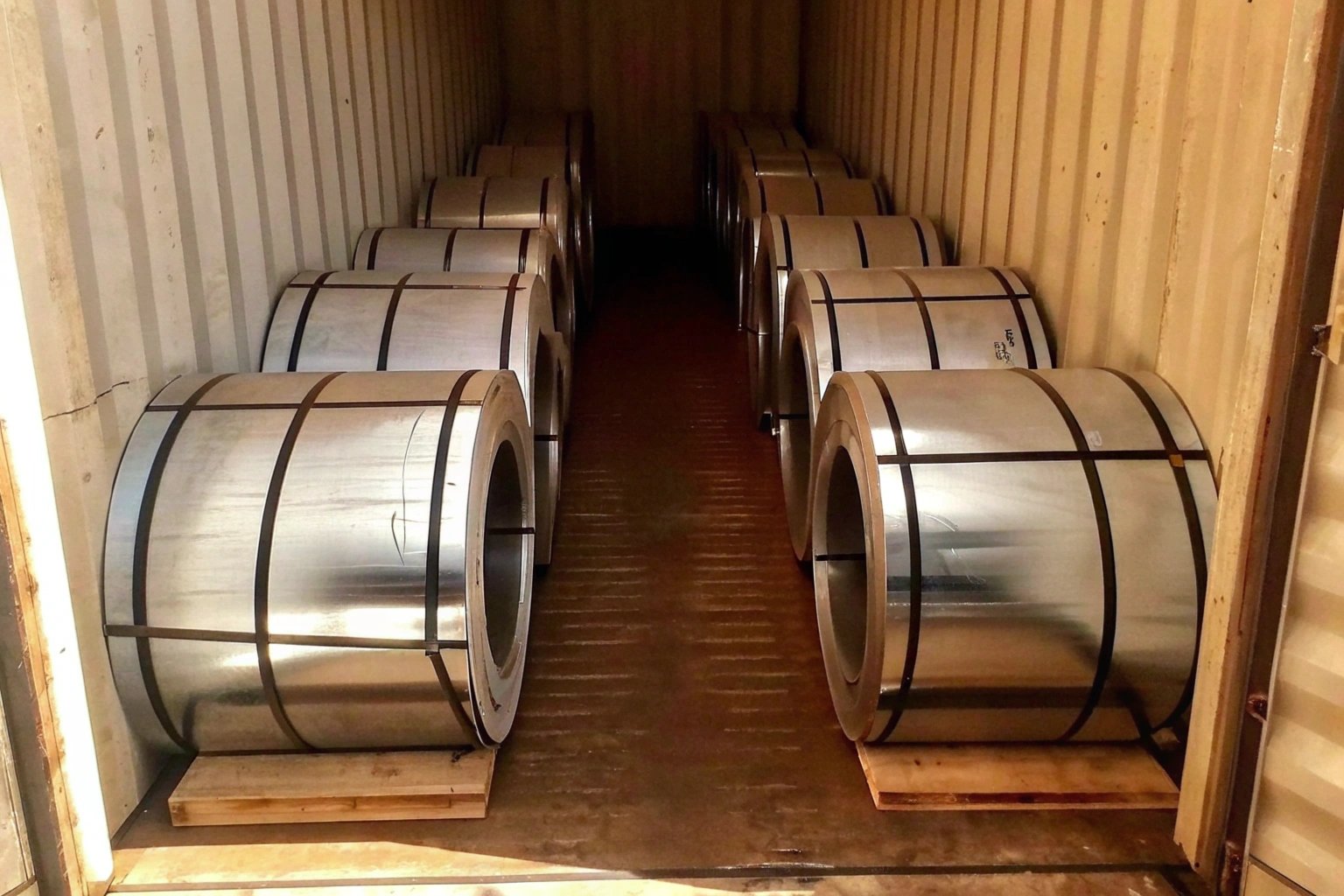
Orientation isn’t just a minor detail; it influences how effectively you use space and protect product integrity. "Eye-to-wall" aligns coils horizontally, maximizing payload capacity.
Loading Orientation Comparison
| Orientation | Pros | Cons |
|---|---|---|
| Eye-to-Sky | Easier access | Less space-efficient |
| Eye-to-Wall | Space-efficient | Requires careful bracing |
Choosing "eye-to-wall" tends to offer more room and stronger coil placement but demands careful attention to bracing to prevent movement.
How many coils can fit if I mix different widths?
Mixing coil widths often throws a wrench in traditional packing plans 7. It adds complexity but following a strategic approach ensures no space is wasted.
By adjusting coil arrangements, you can fit approximately 5-7 coils in a 20ft container even with mixed widths, ensuring all coils are safely stowed using strategic layering.
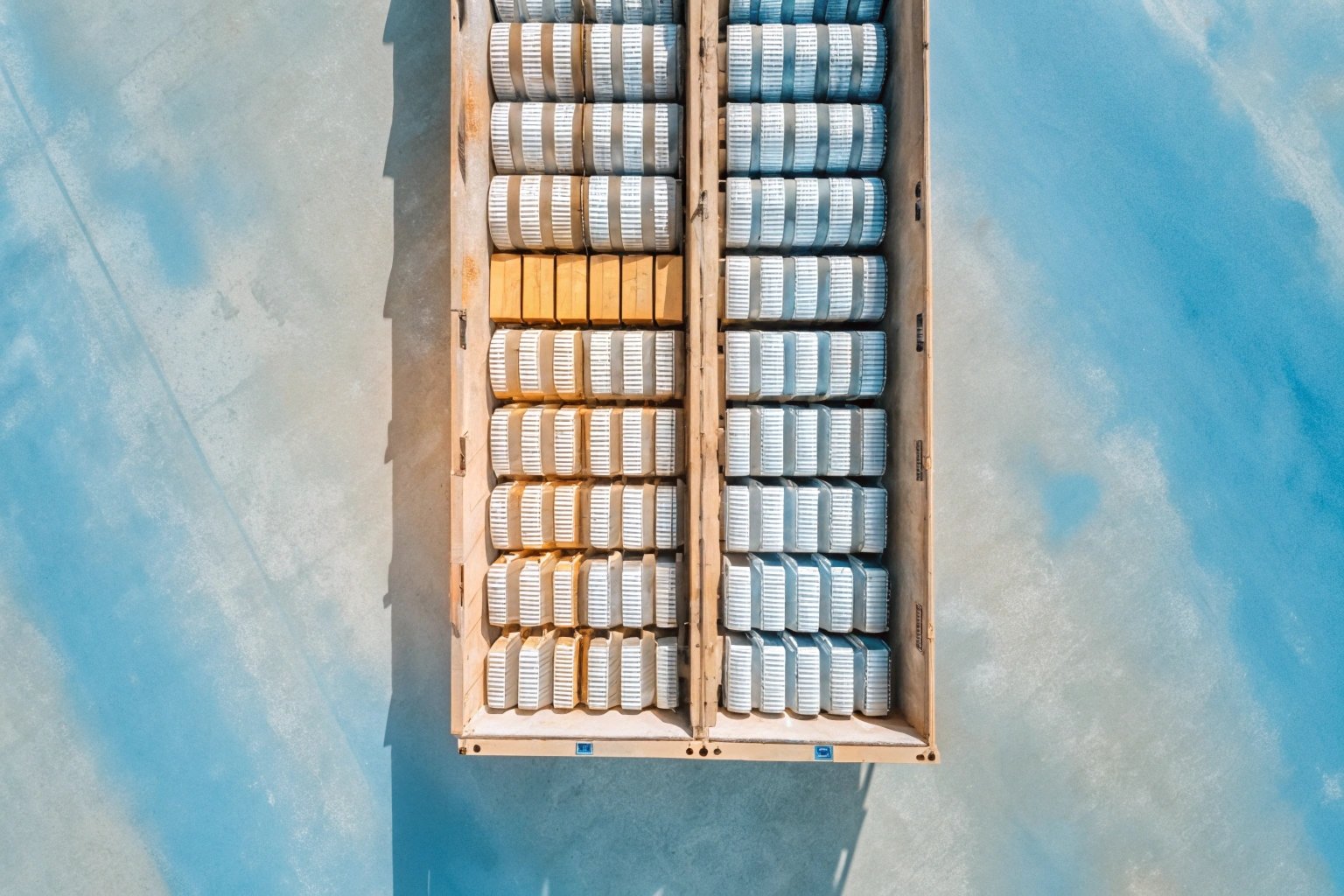
Every change in coil width requires recalculating total space used. Layering efficiently maximizes the payload while ensuring all coils are stable and not at risk during freight transport 8.
Efficient Arrangement Formula
| Arrangement Calculation | Formula | Example Calculation |
|---|---|---|
| Total width | Sum of coil widths | 1.2m + 1.5m + 1.8m |
| Volume use | Container capacity ÷ utilized width | 33m³ ÷ 4.5m |
Ensure width combination allows sufficient gap for handling. This mix strategy lets you maximize both weight and volume capacity 9 within set limits.
Conclusion
The careful balancing act of container loading 10 demands precision. Style and method dictate efficiency and safety, ensuring no product faces damage.
Grace@chinadingtai.com
Footnotes
1. Definition and properties of Electrolytic Tin Plate used in manufacturing. ↩︎
2. Best practices for distributing weight evenly inside shipping containers. ↩︎
3. Detailed dimensions and weight limits for standard shipping containers. ↩︎
4. Guidelines for ensuring cargo remains stable during ocean transit. ↩︎
5. Explanation of dunnage bags used to fill voids and secure cargo. ↩︎
6. Best practices for maintaining cargo integrity and security during transit. ↩︎
7. Strategies for optimizing packing to reduce costs and waste. ↩︎
8. Overview of freight transport logistics and shipment handling. ↩︎
9. Tools and formulas for calculating maximum volume capacity in logistics. ↩︎
10. Comprehensive guide on container stowage and loading procedures. ↩︎