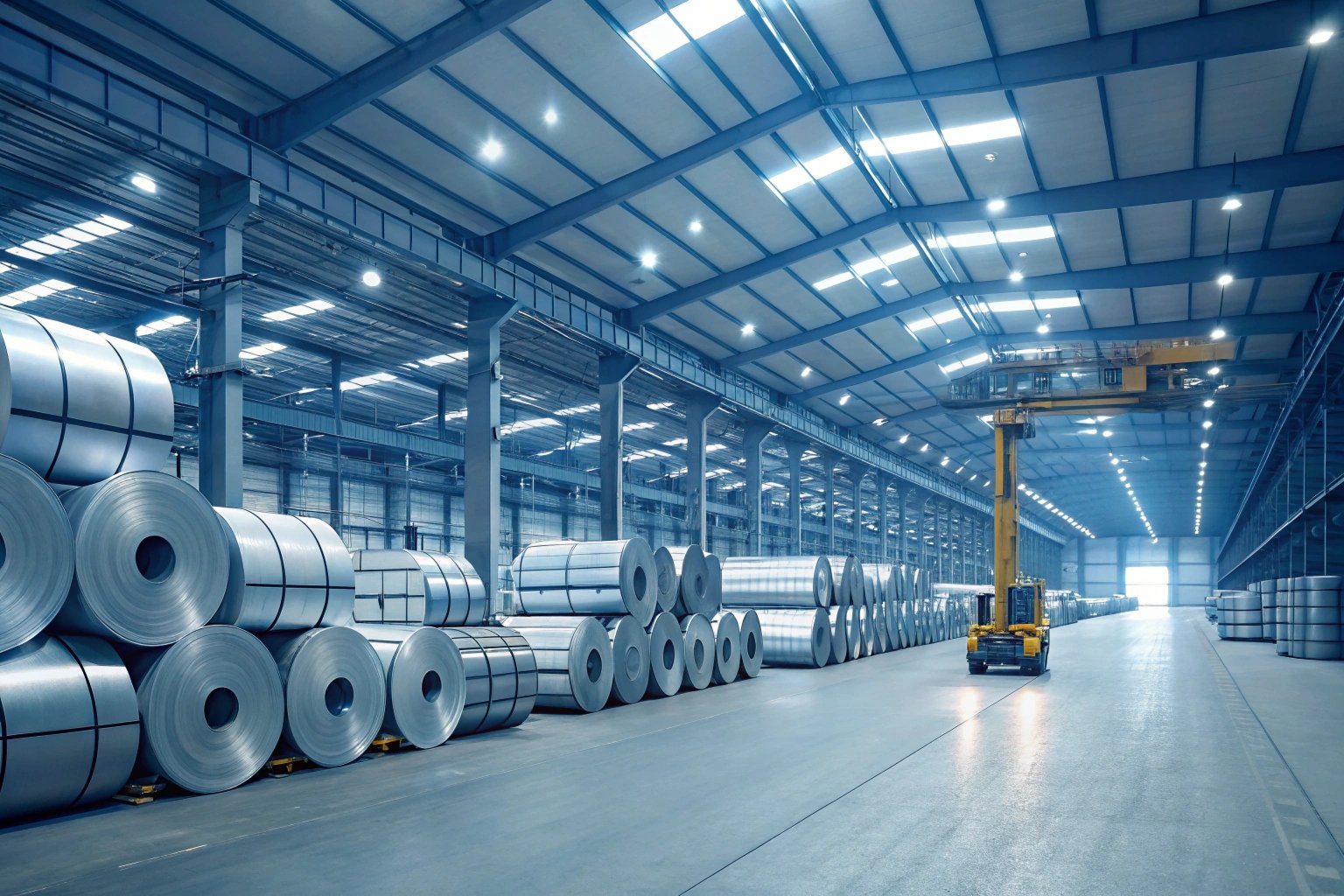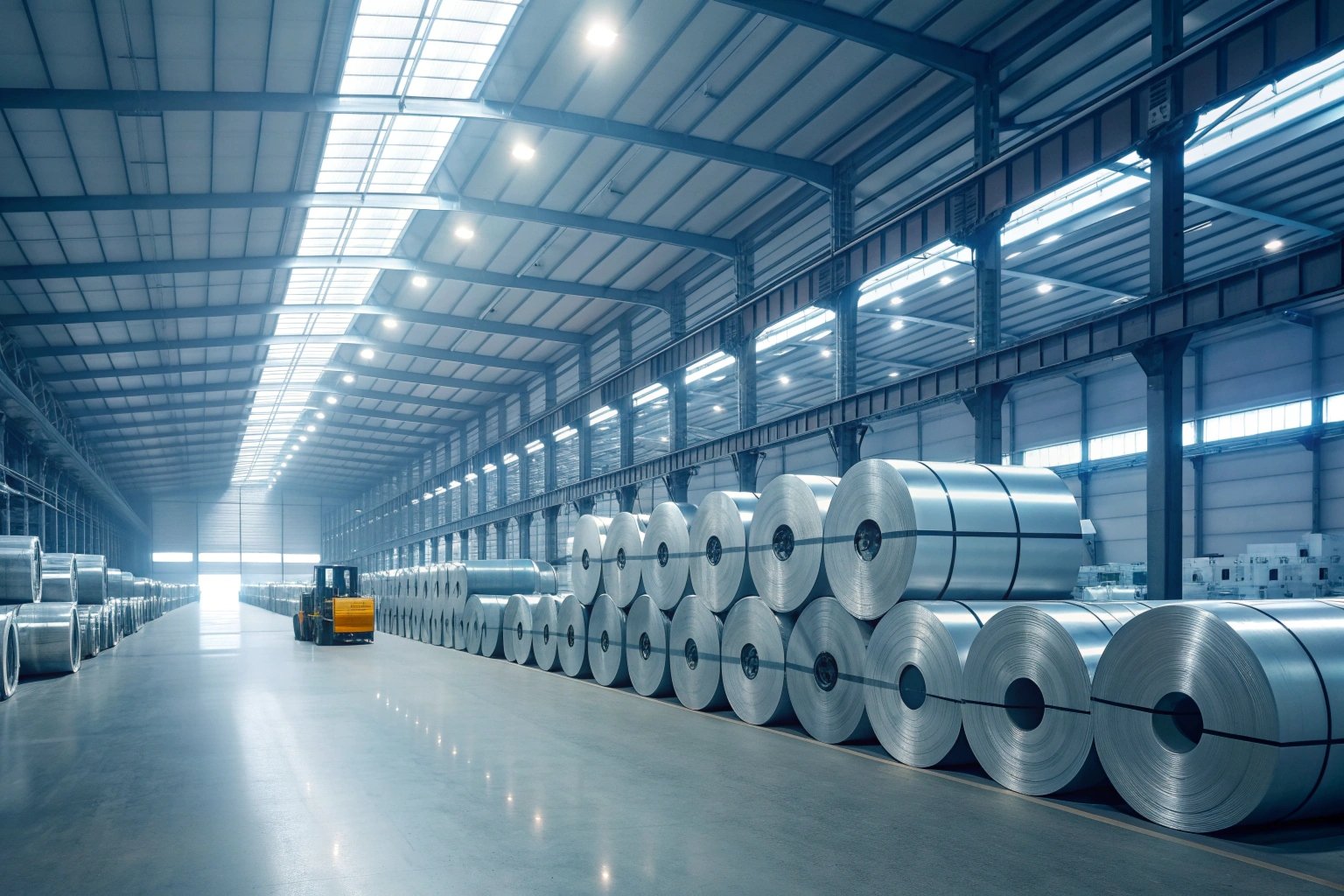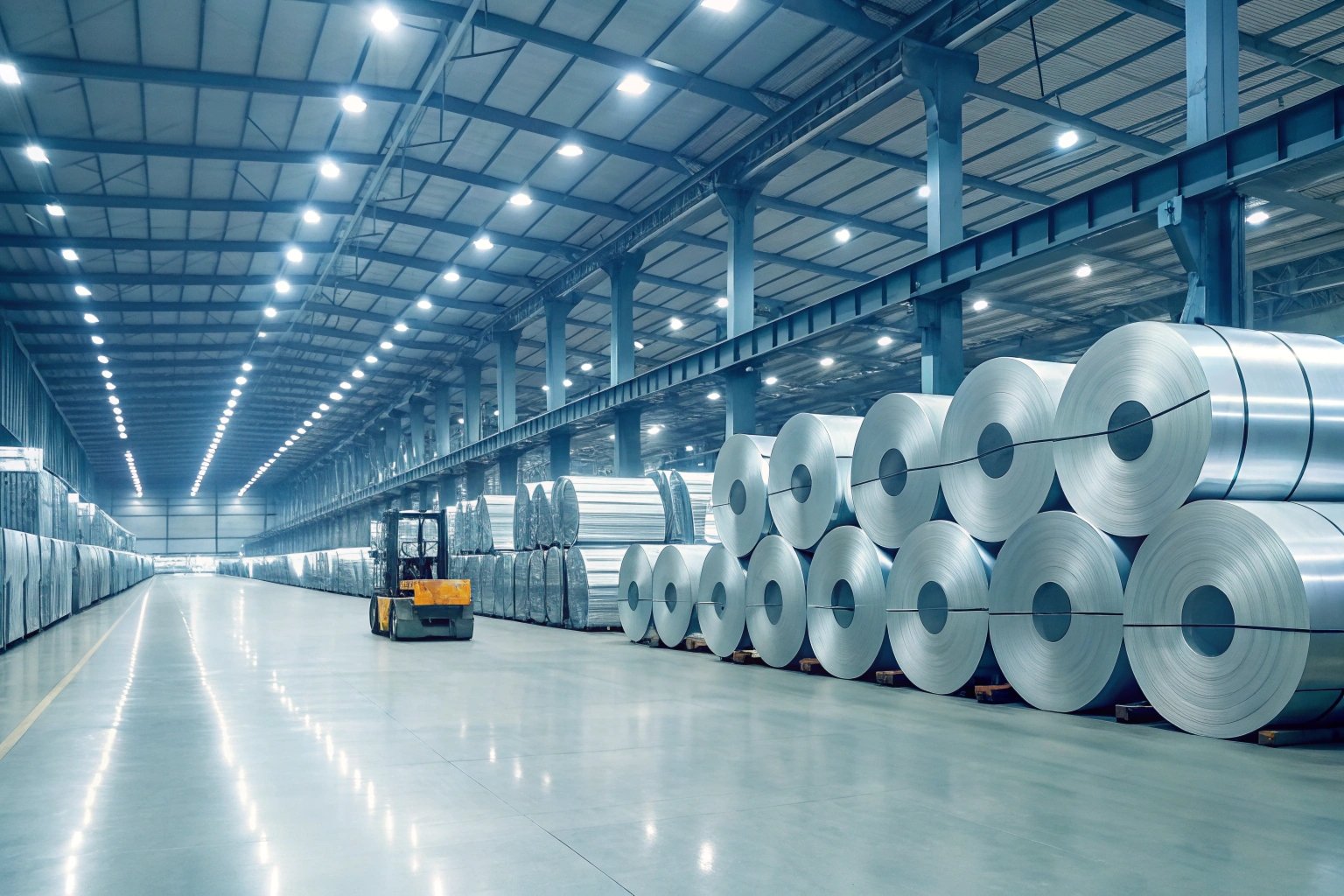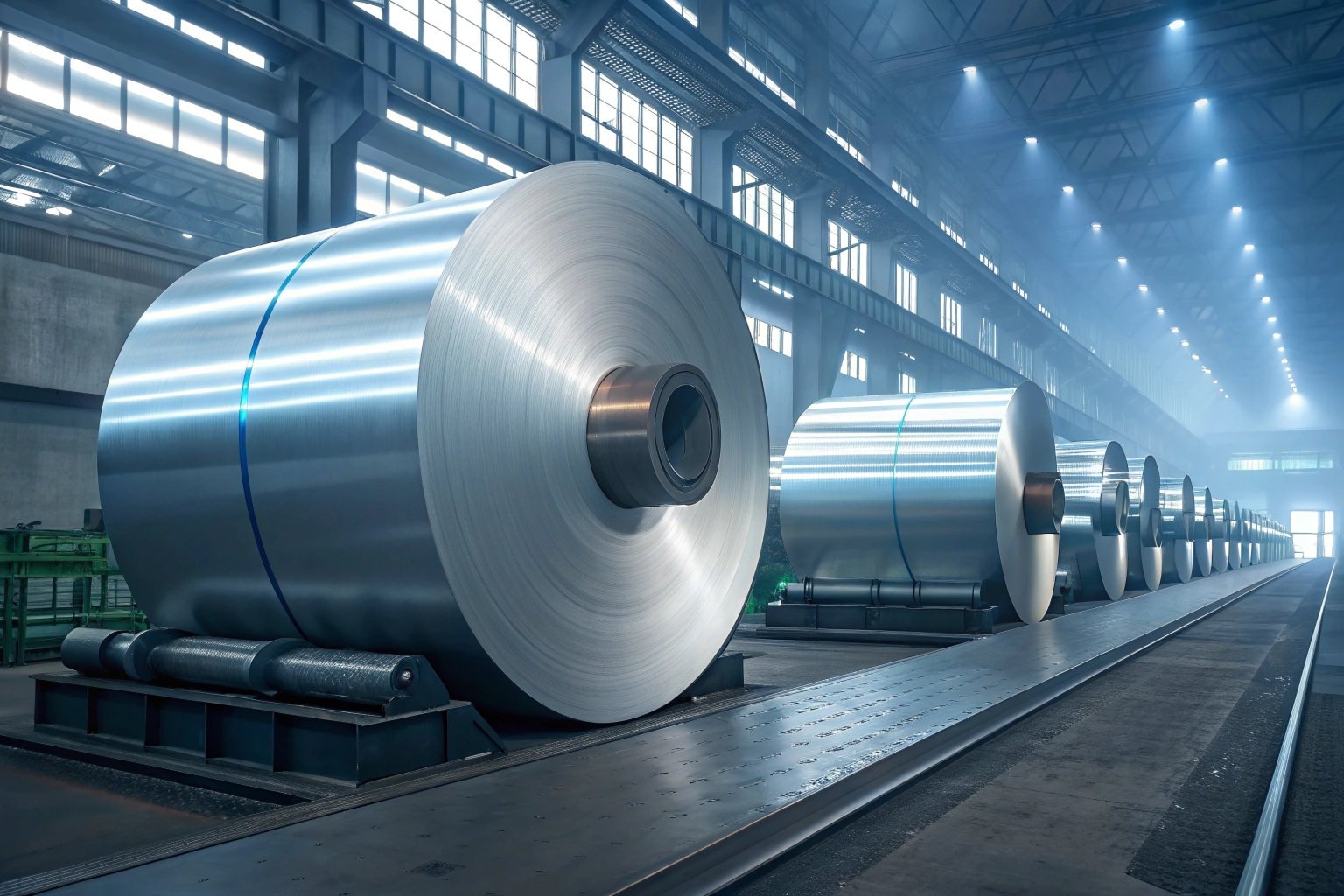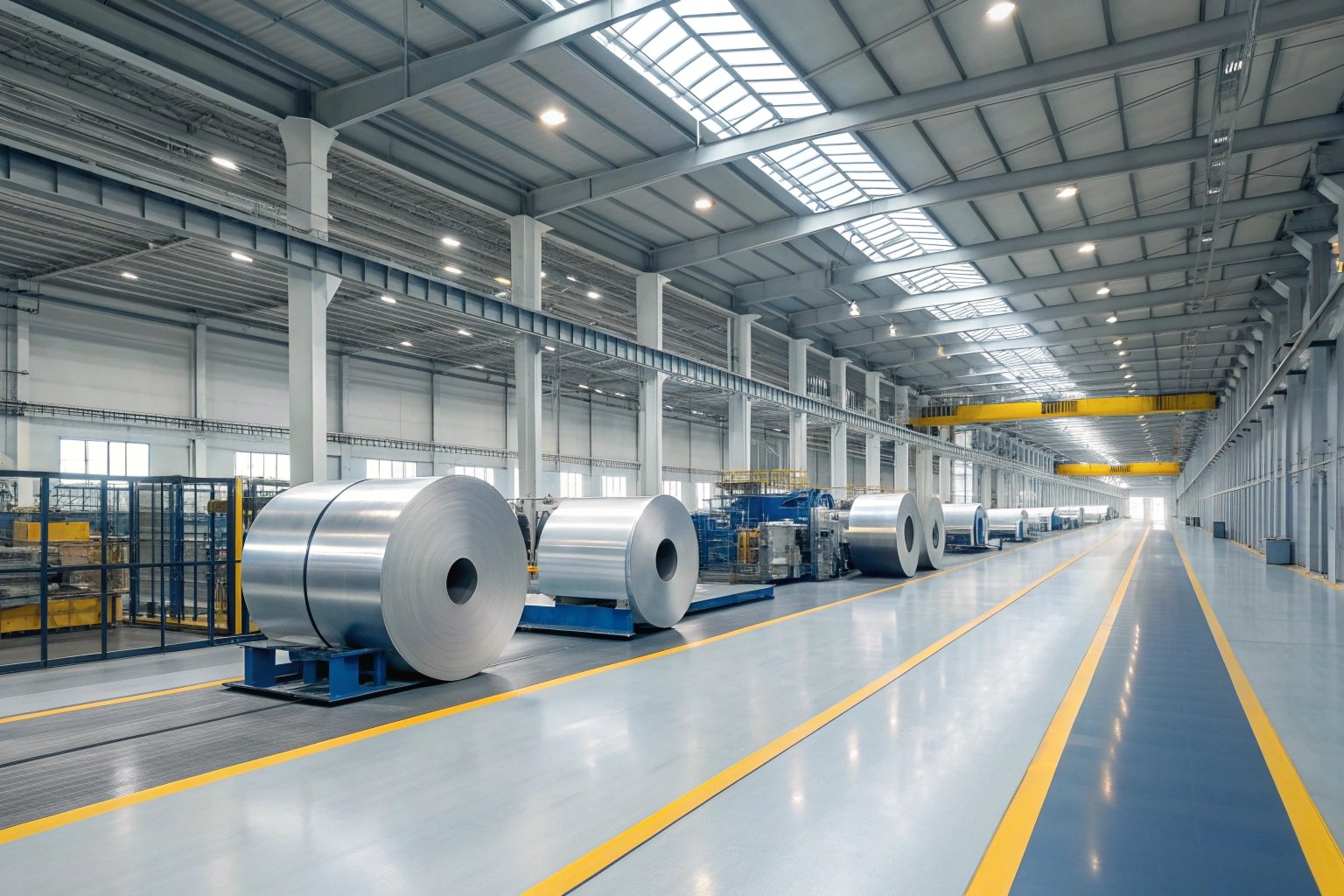

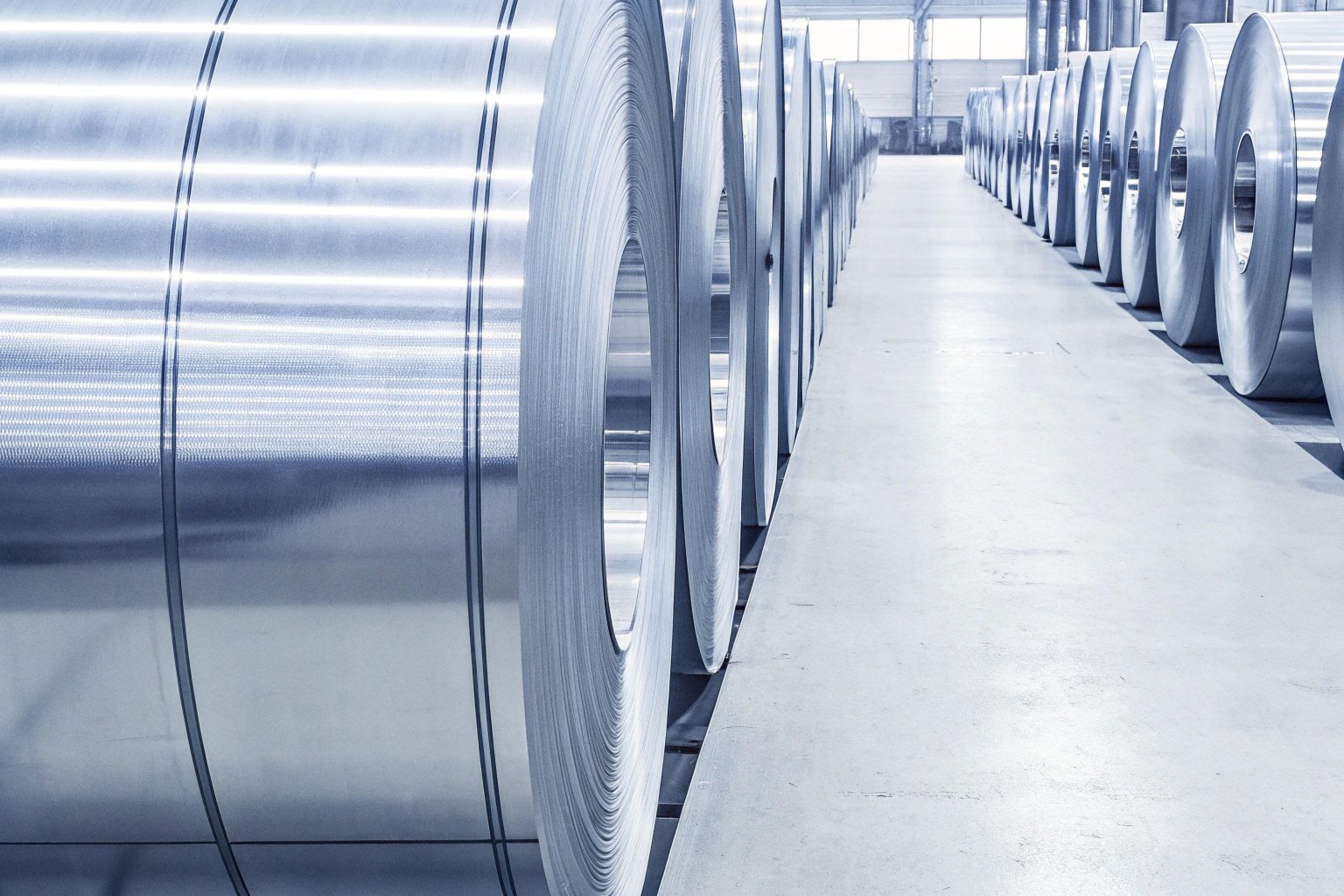
Every time someone asks about laminated Electrolytic Tin Plate 1 for packaging, I feel a sense of pride. We have been at the forefront of supplying high-quality packaging solutions for various industries. With our laminated Electrolytic Tin Plate, we offer a premium option speaking to both functionality and sustainability.
Laminated Electrolytic Tin Plate provides an enhanced option for packaging by employing polymer films like PET or PP over a tin-coated steel base. This structure delivers superior corrosion resistance 2 while meeting rigorous standards like those by the FDA for food safety 3. Available in customizable options, we provide laminated plates in different thicknesses, widths, and temper standards ensuring excellent customer fit.
We strive to serve various industries with flexibility and reliability. Our Electrolytic Tin Plates have helped numerous clients achieve superior packaging solutions, extending the shelf life and robustness of their products. As you explore your packaging needs, let laminated tin plates be the cornerstone of your strategy.
Is laminated steel better than lacquered tinplate for BPA-free cans?
Starting debates about packaging alternatives isn’t something new in our industry. I often hear discussions about various methods to keep food safe from unwanted chemicals like BPA. It’s a conversation we care deeply about, as it challenges us to deliver the best solutions.
Laminated steel emerges as a better option for BPA-free cans by providing a polymer film that acts as a secure barrier, contrasting with traditional tinplate. It effectively eliminates the need for Bisphenol A (BPA) 4 usage in the coating process as these polymer films create a continuous protective layer without epoxy-phenolic lacquers 5. As a consequence, it offers an eco-friendly alternative aligning with modern standards.
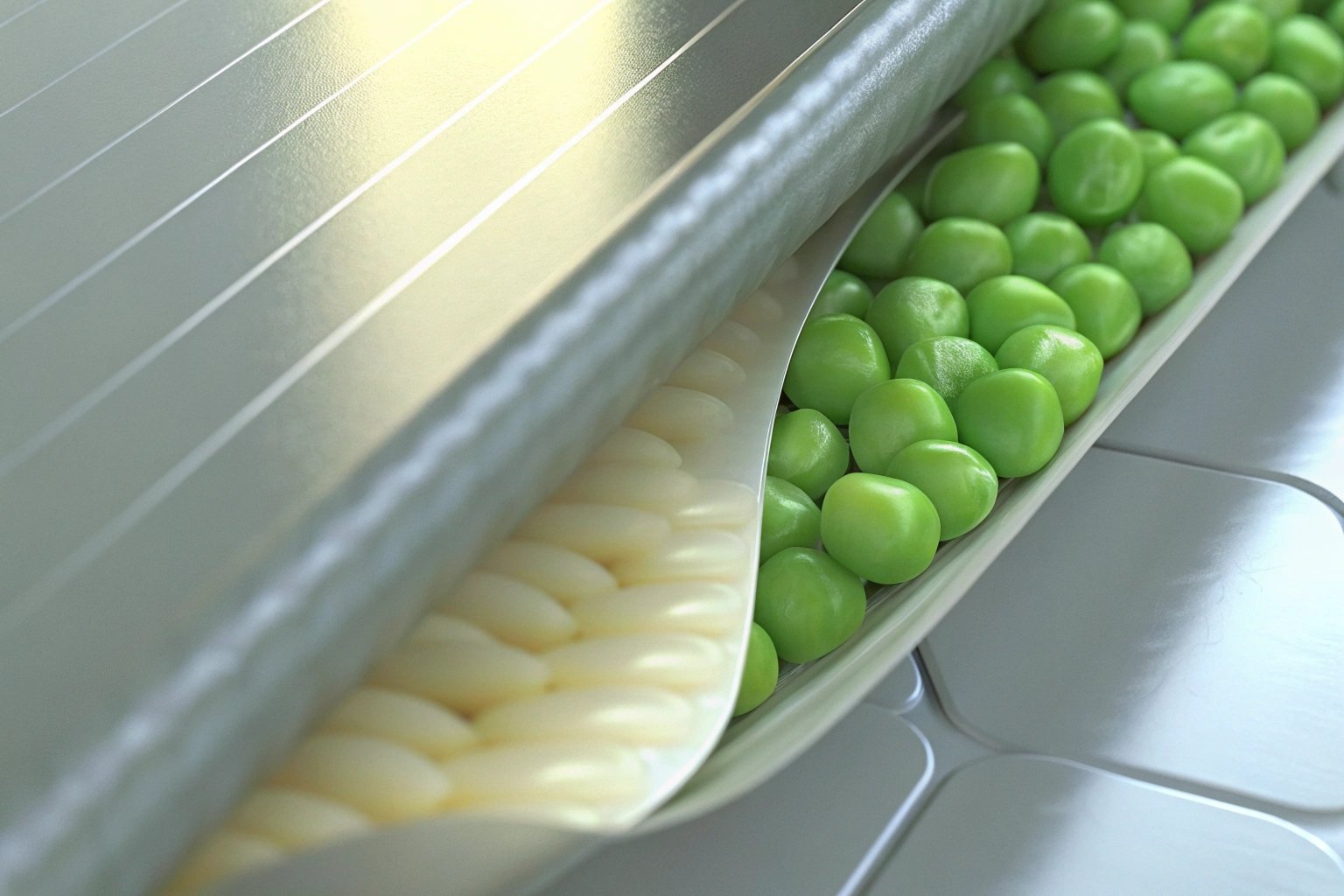
Delving into its advantages, laminated steel not only excises any BPA contact but also streamlines the manufacturing process. By eradicating stages like painting or baking, energy consumption significantly decreases. Additionally, laminated variants can boast superior adhesion and flexibility—important for rigorous can-forming processes. Also, aesthetic options are plentiful, allowing brands to maintain a visually compelling packaging design while ensuring safety.
Comparison of Laminated Steel vs. Lacquered Tinplate
| Feature | Laminated Steel | Lacquered Tinplate |
|---|---|---|
| BPA-Free | Yes, using polymer film | Requires alternative non-BPA lacquers |
| Production Efficiency | Streamlined without baking or painting | Involves painting and thermal curing |
| Environmental Benefits | Reduced energy and emissions | Higher energy use and CO2 emissions |
| Formability | Superior adhesion and flexibility | Potential cracking in deep forming |
| Visual Options | Diverse film laminations available | Limited to lacquers and coatings |
Can the laminate film withstand high-temperature retort sterilization?
When clients query about our products’ abilities under extreme conditions, I often reflect on resilience. High-temperature retort sterilization tests the durability of packaging but equally showcases our solutions’ strengths.
Laminate films are prepared to withstand the demanding environment of high-temperature retort sterilization 6, thanks to their robust polymer composition 7. These films maintain their integrity and adhesion under sterilization conditions, which are often necessary for food safety and longevity. This means they remain intact during processing, offering reliability and protection.
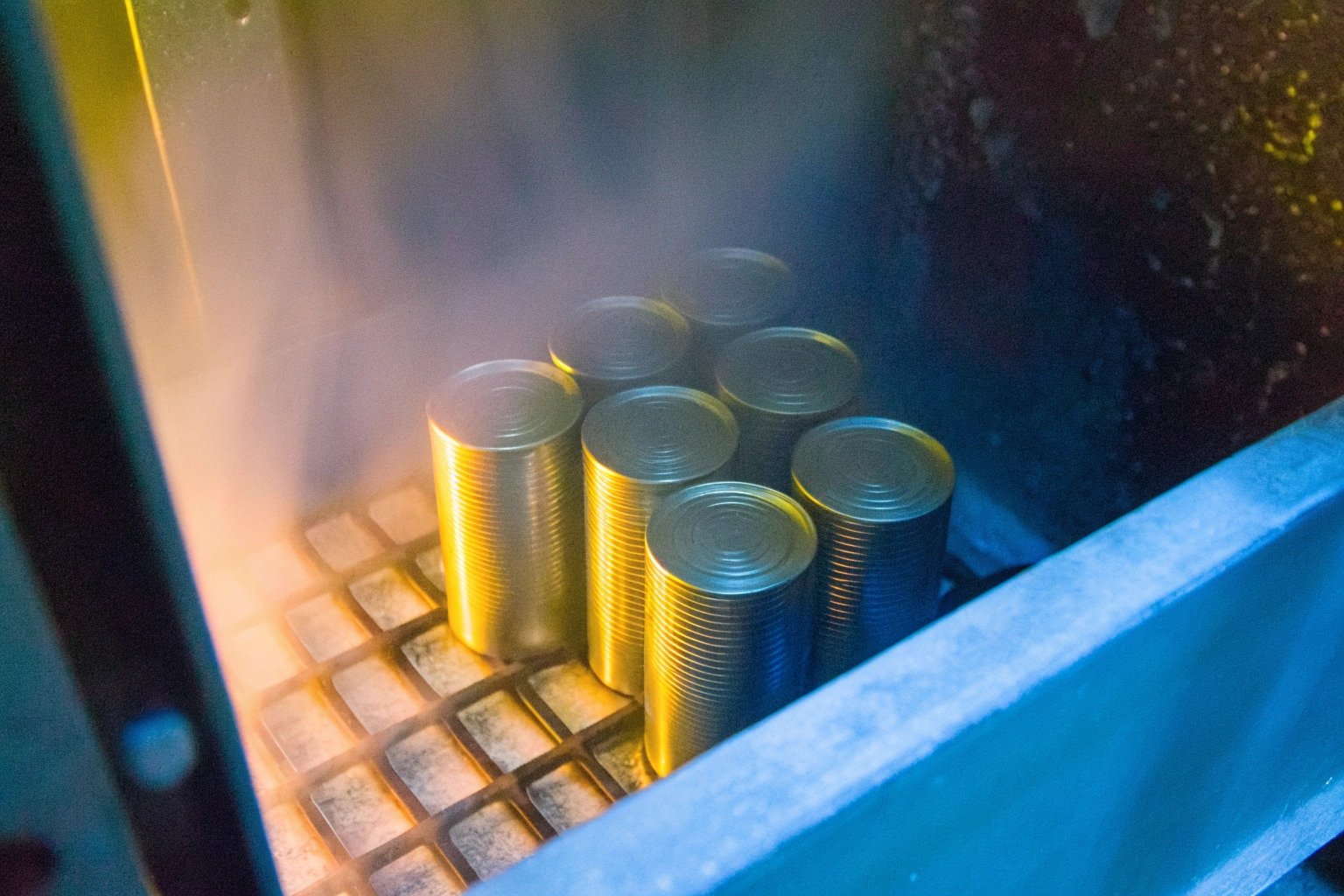
Exploring retort sterilization reveals the importance of material choice. Multiple layers ensure the film’s tenacity against prolonged exposure to heat and moisture. Our laminated solutions are engineered for flexibility under pressure, demonstrating robustness for high-intensity applications. They perform admirably in maintaining product integrity, crucial for businesses needing long-lasting preservation of their canned goods.
Factors in Film Durability During Sterilization
| Aspect | Description |
|---|---|
| Polymer Choice | PET/PP film known for thermal resilience |
| Multi-layer Structure | Ensures high adhesion and temperature endurance |
| Testing Protocols | Extensive testing against sterilization standards |
| Industrial Feedback | Positive reports from food and beverage sectors |
What is the cost difference between laminating and traditional coating?
People often see packaging processes as just another cost. Yet, I believe it speaks more to strategic choices and value-additions.
The cost comparison between laminating and traditional coating reveals that laminating, though higher initially, offers lasting benefits. Traditional coatings might seem cost-effective at first glance; however, laminated films bring in numerous efficiencies—from production to product lifespan enhancement—that can justify investment.

Evaluating expenses entails understanding broader impacts. Laminated steel tends to reduce long-term expenses through minimized energy consumption 8 due to fewer steps within the manufacturing process. It ensures better consistency, reducing waste and defects. Plus, improvements in product preservation expand market opportunities, providing more scope for profitability.
Cost Analysis Table
| Cost Element | Laminated Electrolytic Tin Plate | Traditional Coating |
|---|---|---|
| Initial Expense | High | Lower initial cost |
| Long-term Savings | Energy and waste reduction | Typically stable |
| Product Quality Impact | Enhanced durability and visual appeal | Dependent on coating type |
| Market Opportunities | Increased shelf life, BPA-free benefits | Standard market presence |
Do you have specific PET films for meat vs. vegetable cans?
Specialized needs in packaging are always fascinating and cue innovation. I often ponder if we could achieve specificity that meets diverse consumer demands without compromise.
We offer PET films designed for specific applications such as meat or vegetable cans. These films are engineered considering varying preservation needs, demonstrating flexibility and reliability. Each type ensures tailored protection and aesthetics appropriate for diverse contents.
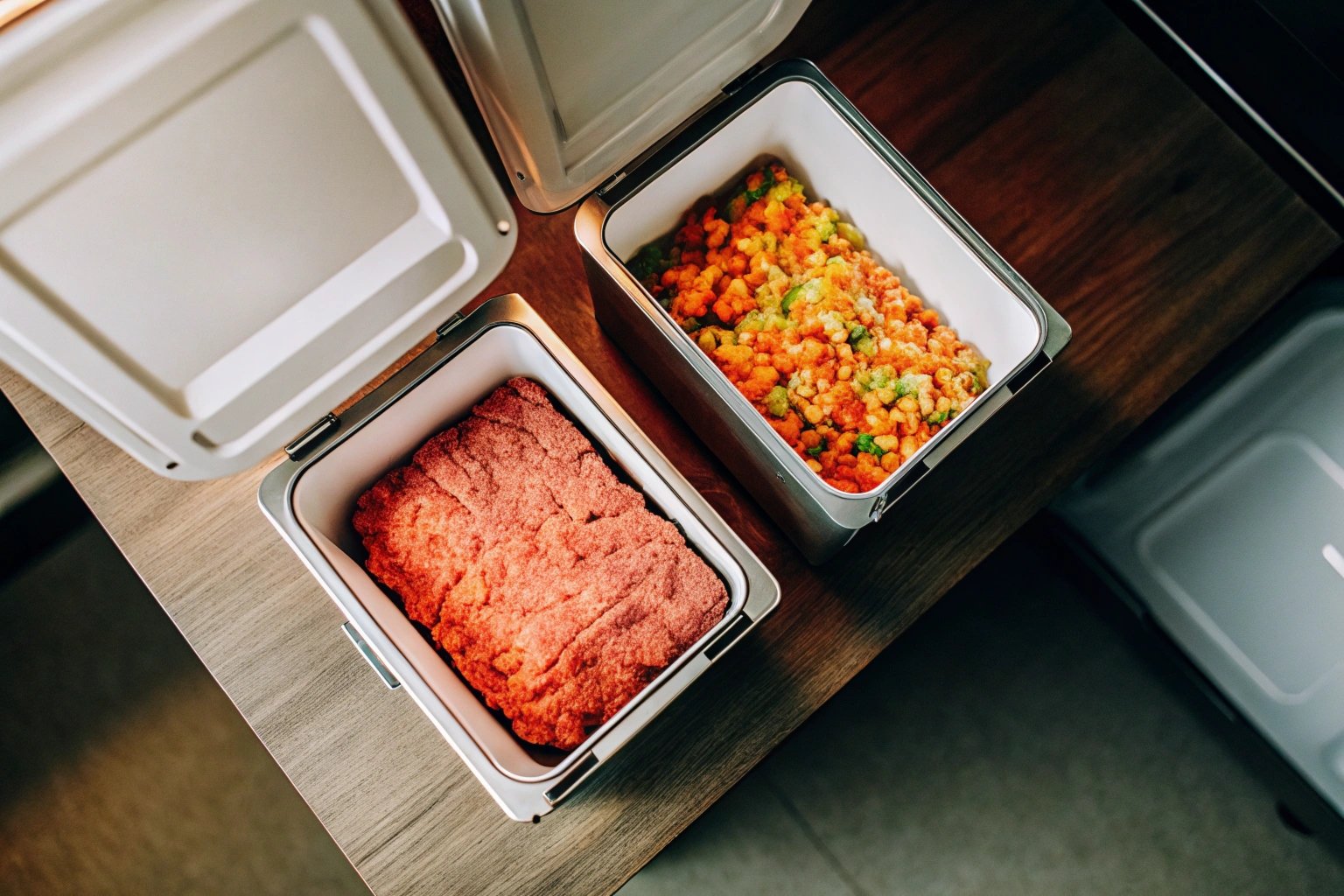
Understanding product-specific requirements showcase laminated solutions’ adaptability. For meat cans, PET films might emphasize barrier properties 9 against moisture and oxygen to uphold freshness. Meanwhile, vegetable cans focus on maintaining color and nutritional integrity. Tailored solutions are central to meeting regulatory compliances 10 and offer heightened consumer appeal.
Tailored PET Film Properties
| Application | PET Film Characteristics |
|---|---|
| Meat Cans | Enhanced barrier against moisture and oxidation |
| Vegetable Cans | Focus on color preservation and light reflection |
| Aesthetic Options | Available in various colors and textures |
Conclusion
Our laminated Electrolytic Tin Plate is a powerful choice for packaging, balancing innovation with safety. We guide you through selecting custom solutions to meet both industry standards and consumer expectations.
Footnotes
1. Definition and industrial applications of electrolytic tin plating. ↩︎
2. How materials withstand damage from oxidization and chemical reactions. ↩︎
3. Global standards and practices ensuring food is safe to eat. ↩︎
4. Health information regarding BPA in consumer packaging products. ↩︎
5. Technical overview of coating resins used in metal packaging. ↩︎
6. Explanation of thermal processing methods for shelf-stable foods. ↩︎
7. The molecular structure and properties of synthetic materials. ↩︎
8. Strategies for reducing power usage in industrial manufacturing. ↩︎
9. How packaging materials prevent permeation of oxygen and moisture. ↩︎
10. Adhering to laws, regulations, and guidelines in manufacturing. ↩︎