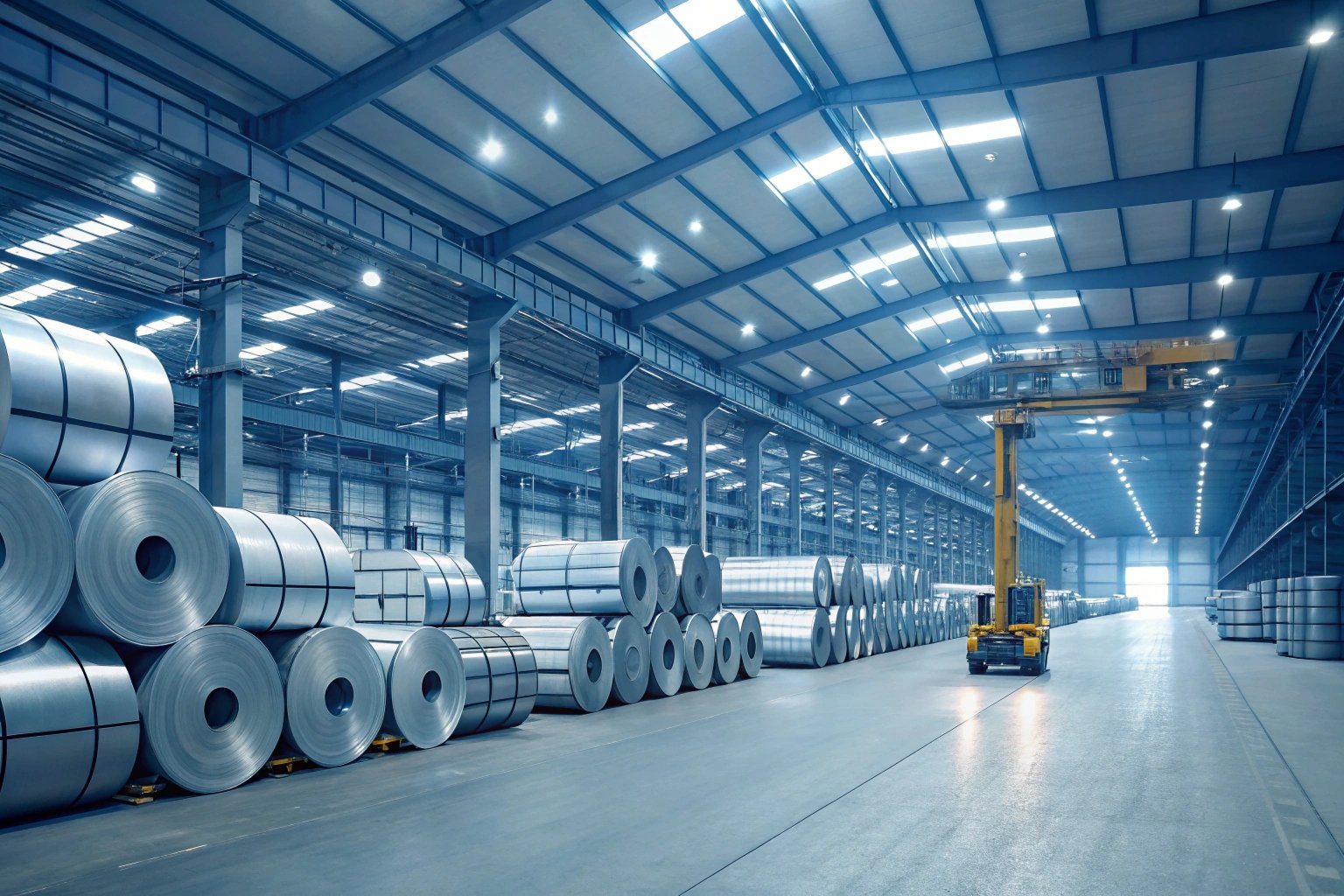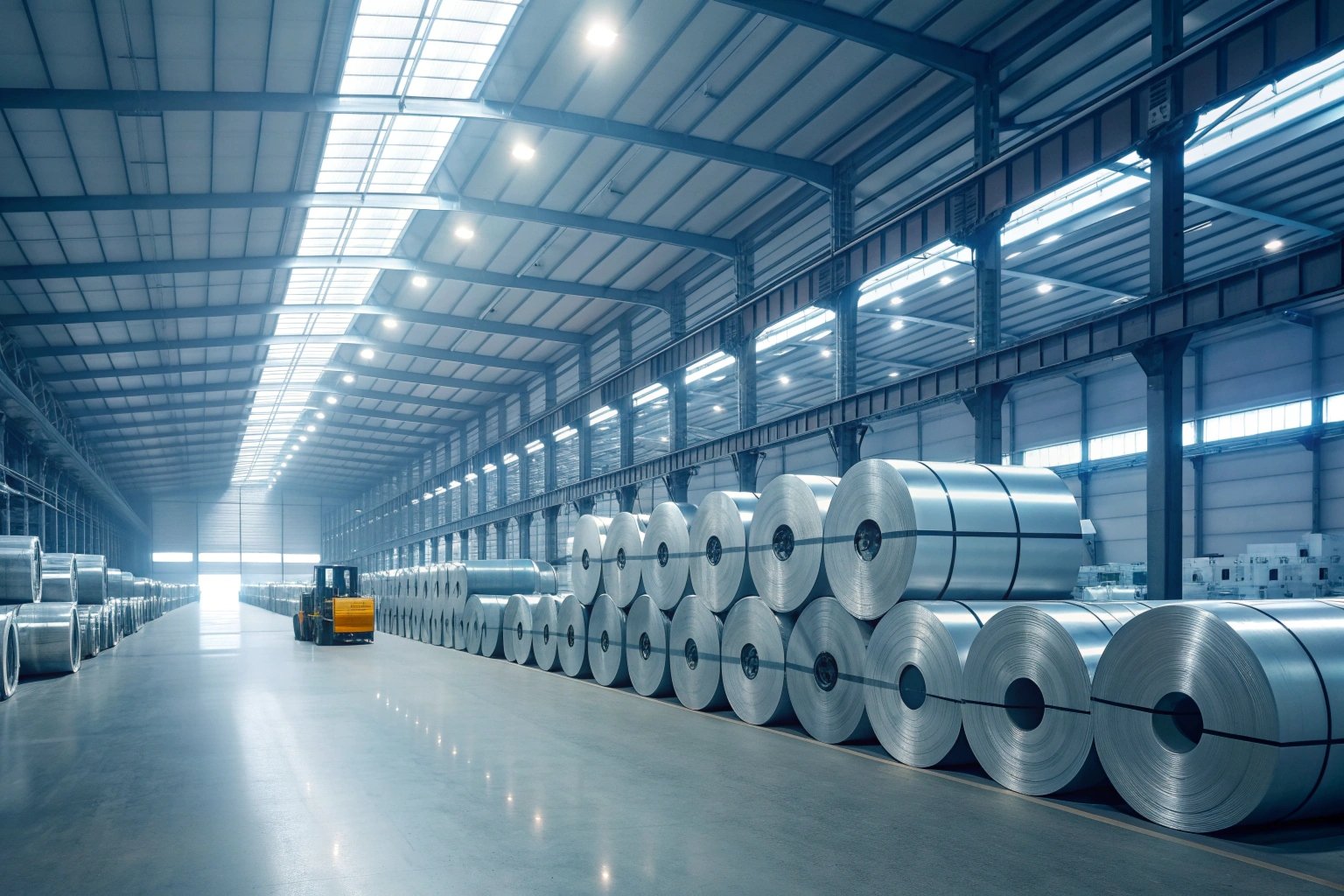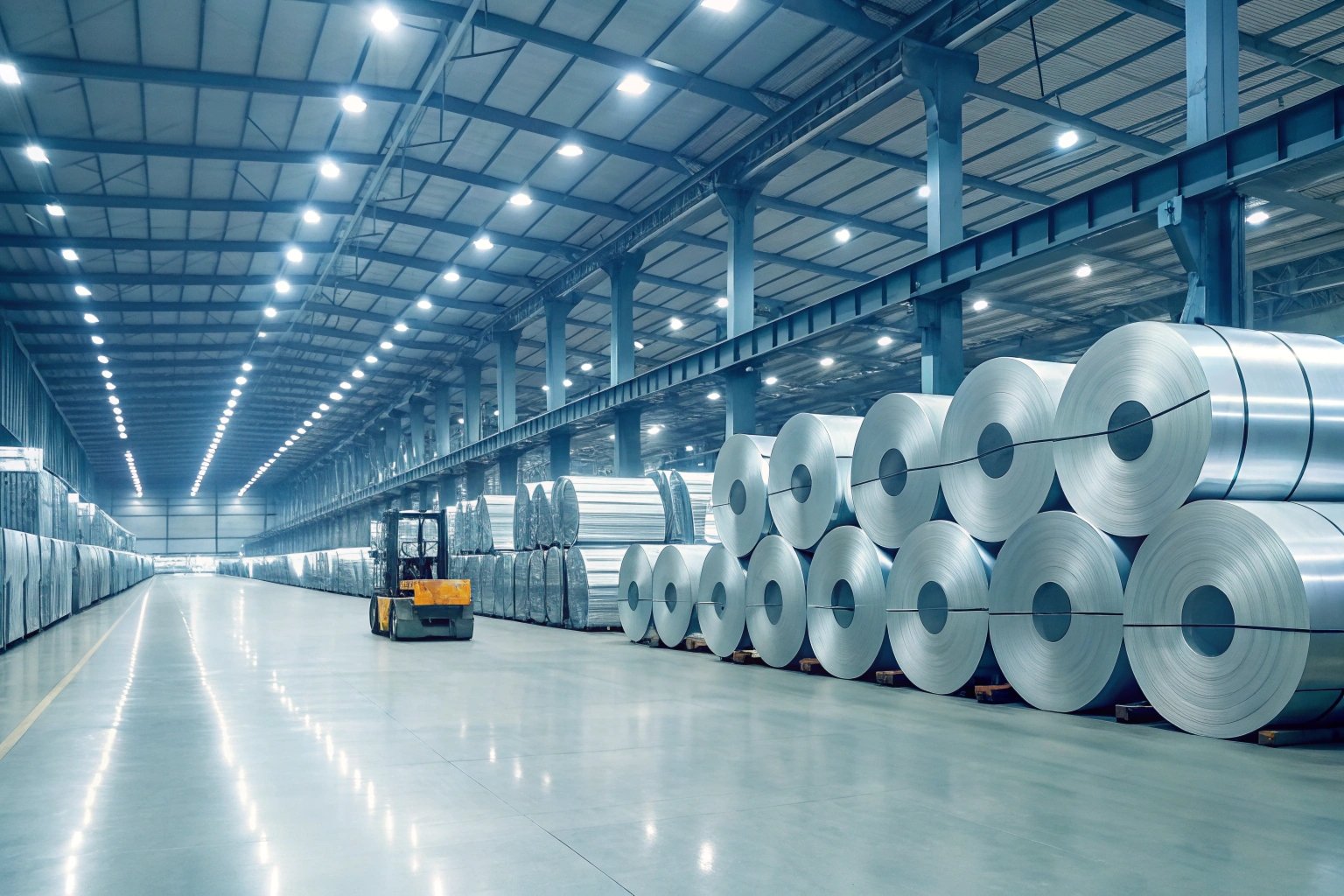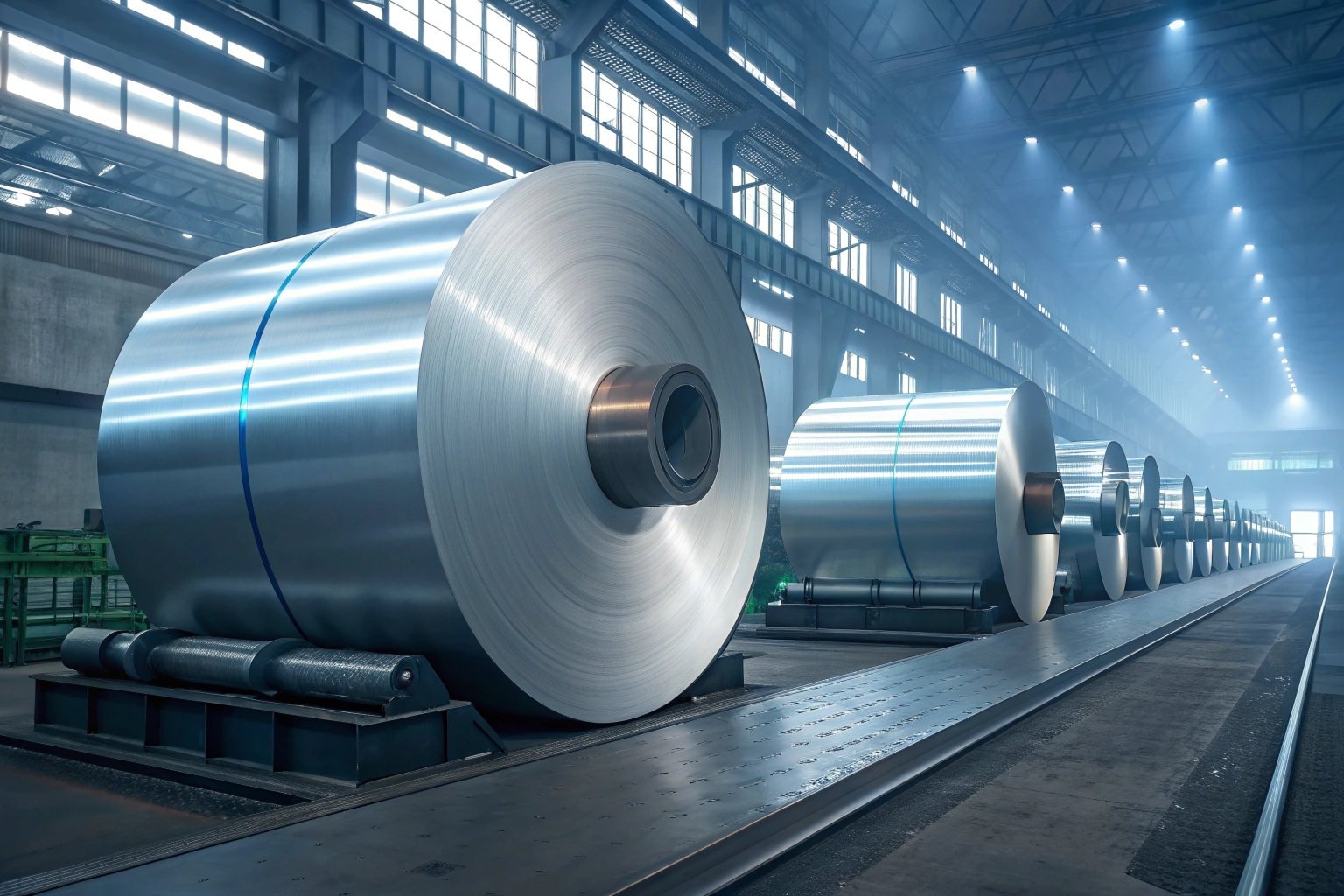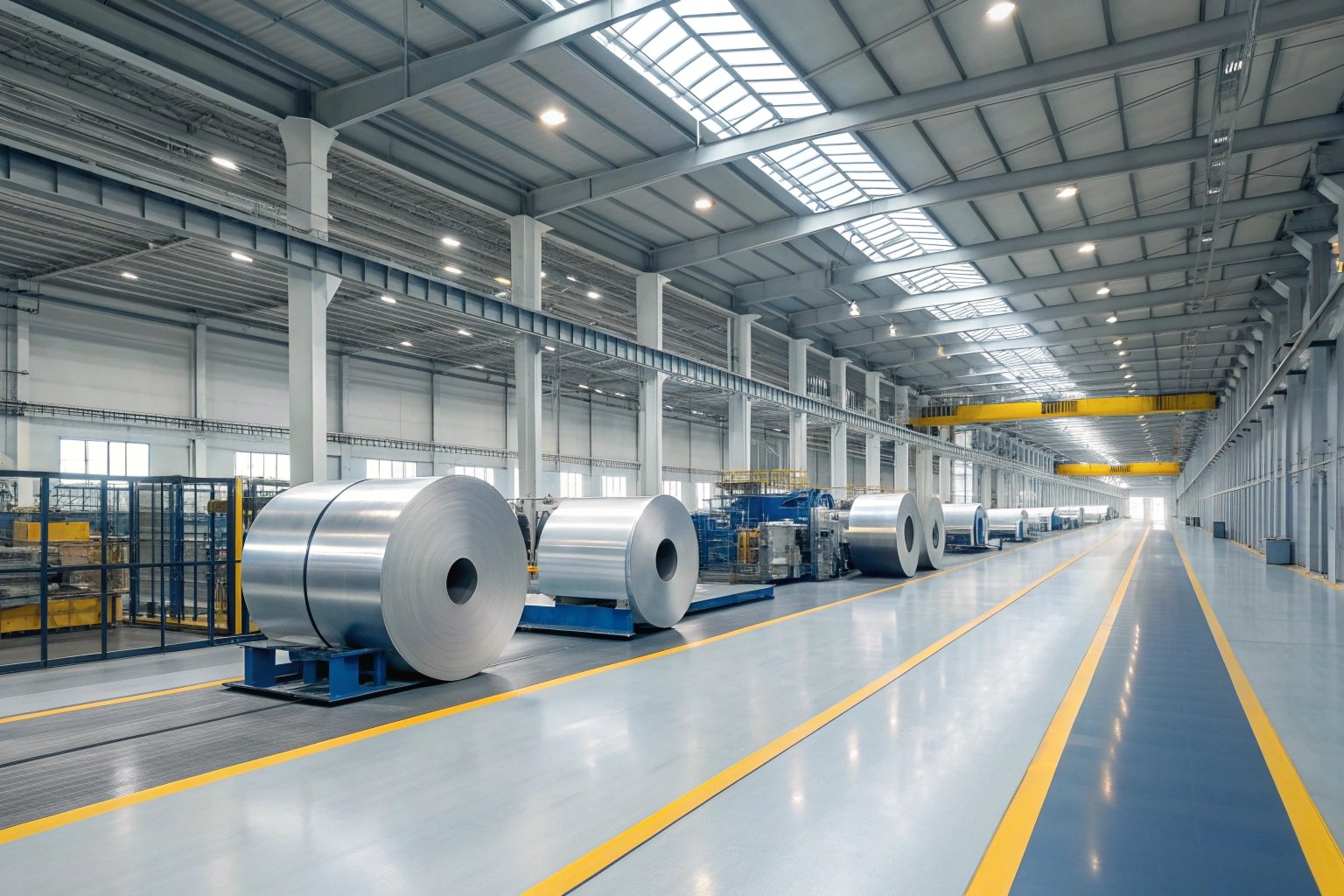

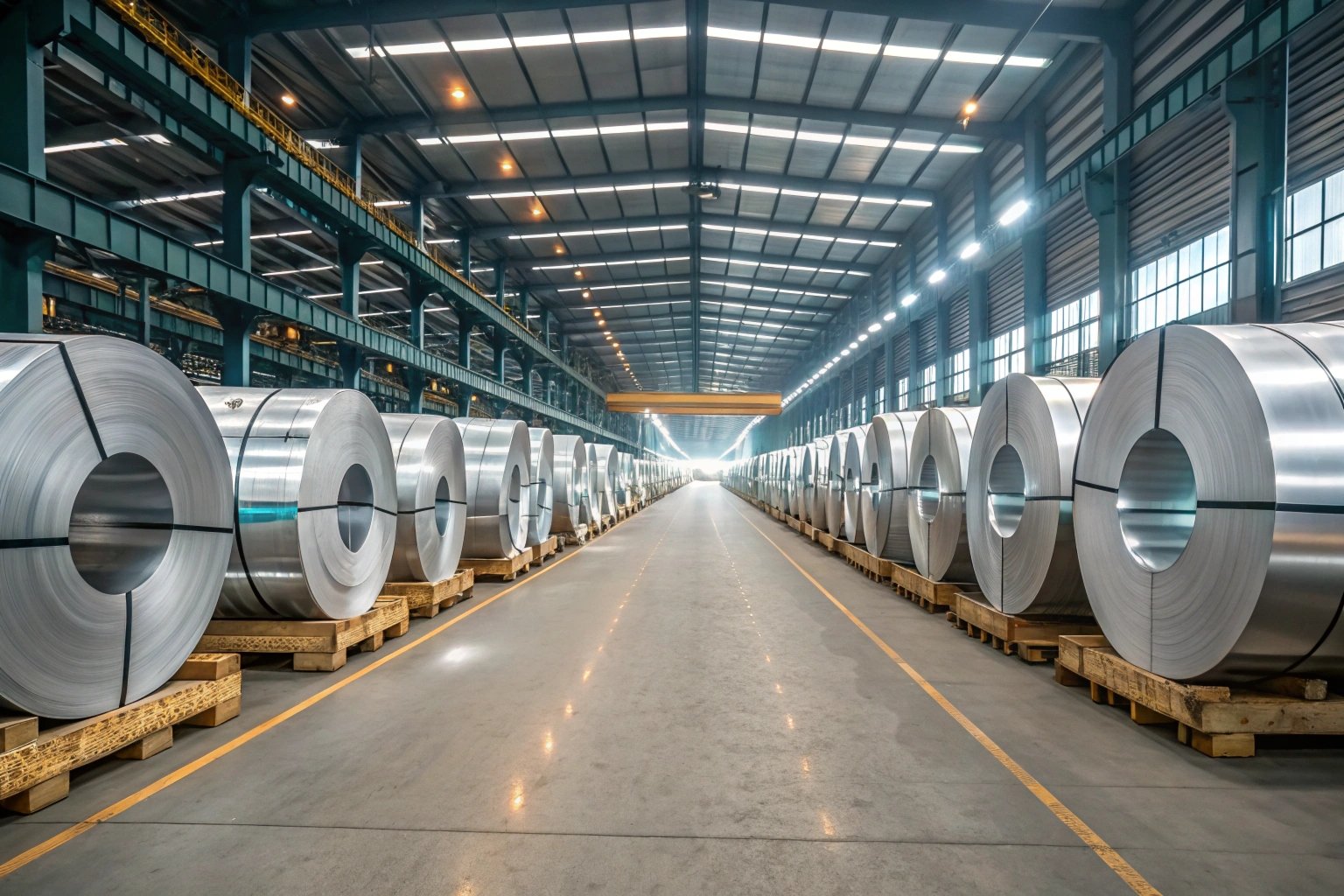
I have walked through our warehouse here in Fujian countless times, looking at the endless rows of Electrolytic Tin Plate 1 coils. When I see a client struggling to choose between materials, I often tell them that picking the right steel temper 2 is like choosing between a marathon runner and a sprinter. Both are athletes, but they run different races. In my 27 years in this industry, the confusion between DR8 and DR9 has caused more production headaches than almost any other specification issue.
The primary difference lies in hardness and ductility: DR9 is harder (HR30T 76±5) and stronger (Yield Strength ~620 MPa) than DR8 (HR30T 73±5, Yield Strength ~550 MPa). While DR9 allows for maximum material thinning, DR8 retains better formability for beading and flanging.
Understanding this distinction is critical because choosing the wrong grade can lead to two disasters: either your cans crumple under vacuum pressure because the steel was too soft, or your flanges crack during seaming because the steel was too brittle. As we navigate the high-speed world of can making, knowing exactly when to deploy the extra stiffness of DR9 versus the balanced performance of DR8 will save you money and protect your brand’s reputation.
Which grade offers higher yield strength for thinner cans?
Every procurement director I speak with, from Mexico to Thailand, has the same goal: reduce the steel gauge to save costs without sacrificing the can’s integrity. It is the holy grail of our industry. When you are buying thousands of tons, shedding just 0.01mm in thickness translates to massive savings.
DR9 offers the highest yield strength, typically ranging between 600-640 MPa (TH620), making it the superior choice for downgauging. It allows you to use thinner material than DR8 while maintaining the same axial load resistance and structural rigidity.
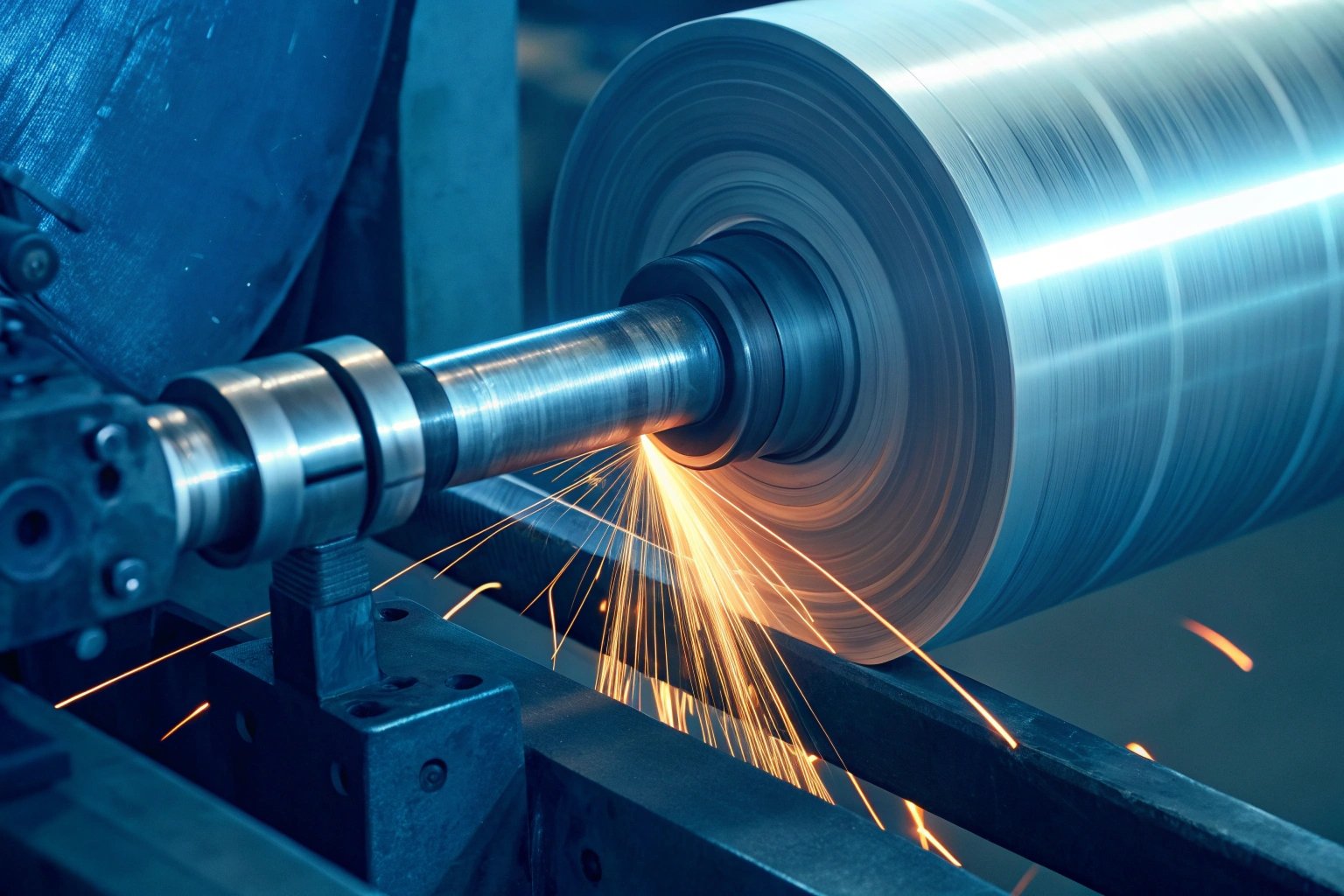
To truly understand why DR9 is the king of downgauging, we have to look deeper into the Double Reduced 3 (DR) process itself and the economics of stiffness. Unlike Single Reduced (SR) steel, which is cold-rolled once and then annealed, DR steel goes through a second cold reduction after annealing. This second pass is where the magic—and the danger—happens.
The Science of Stiffness
In the production of DR8, the second cold reduction is moderate. We reduce the thickness by about 15% to 20% after annealing. This aligns the grain structure to provide strength but leaves a small margin for flexibility.
However, for DR9, the reduction is much more aggressive, often exceeding 30%. This heavy work-hardening creates a steel structure that is incredibly dense and stiff. For a standard 3-piece food can, the body wall relies on this stiffness to resist the vacuum created after retorting 4 (sterilization). If you are currently using a 0.18mm DR8 material, you might be able to switch to a 0.16mm or 0.165mm DR9 material. The increased yield strength of the DR9 compensates for the loss in physical thickness.
Managing Springback
This strength comes at a specific cost: "Springback." When you roll a flat sheet of DR9 into a cylinder, it possesses a high elastic memory 5. It wants to snap back to its flat shape much more aggressively than DR8 does.
| Feature | DR8 (TH550) | DR9 (TH620) | Implications for Production |
|---|---|---|---|
| Yield Strength | ~550 MPa | ~620 MPa | DR9 resists denting better at lower thicknesses. |
| Rolling Limit | Standard Tension | High Tension | DR9 requires tighter machine settings to prevent "fluting." |
| Grain Structure | Elongated | Highly Elongated | DR9 is more sensitive to rolling direction (Anisotropy). |
| Cost Efficiency | High | Maximum | DR9 allows for the thinnest possible gauge. |
If your welder or body-maker is older or not calibrated for high-temper steel, DR9 can cause alignment issues at the welding station. The overlap might slip, or the weld might be inconsistent. I always advise my clients: before you order 500 tons of DR9 to save 5% on cost, make sure your welder calibration is tight enough to handle the springback energy.
The Downgauging Limit
There is a physical limit to how thin you can go. While DR9 is strong, it is also thin. If you go below 0.14mm or 0.15mm, you start to face issues not with strength, but with handling. The sheets become so light that they can "flutter" in high-speed conveyors, causing jams. DR8, being slightly thicker for the same strength application, sometimes offers better runnability on older lines simply because it has more physical mass to grip.
Is DR9 too hard for standard beading machines?
I remember a panicked call from a customer in South America. They had just switched to a harder grade of steel to save money, and their production line sounded like a car crash. The cans were collapsing during the beading process. They thought the steel was defective; in reality, the steel was just too strong for their machine settings.
Yes, DR9 can be too hard for standard beading machines if the bead depth is too aggressive or the tooling is worn. Its lack of ductility means it resists the stretching required to form deep beads, leading to body fractures or paneling.
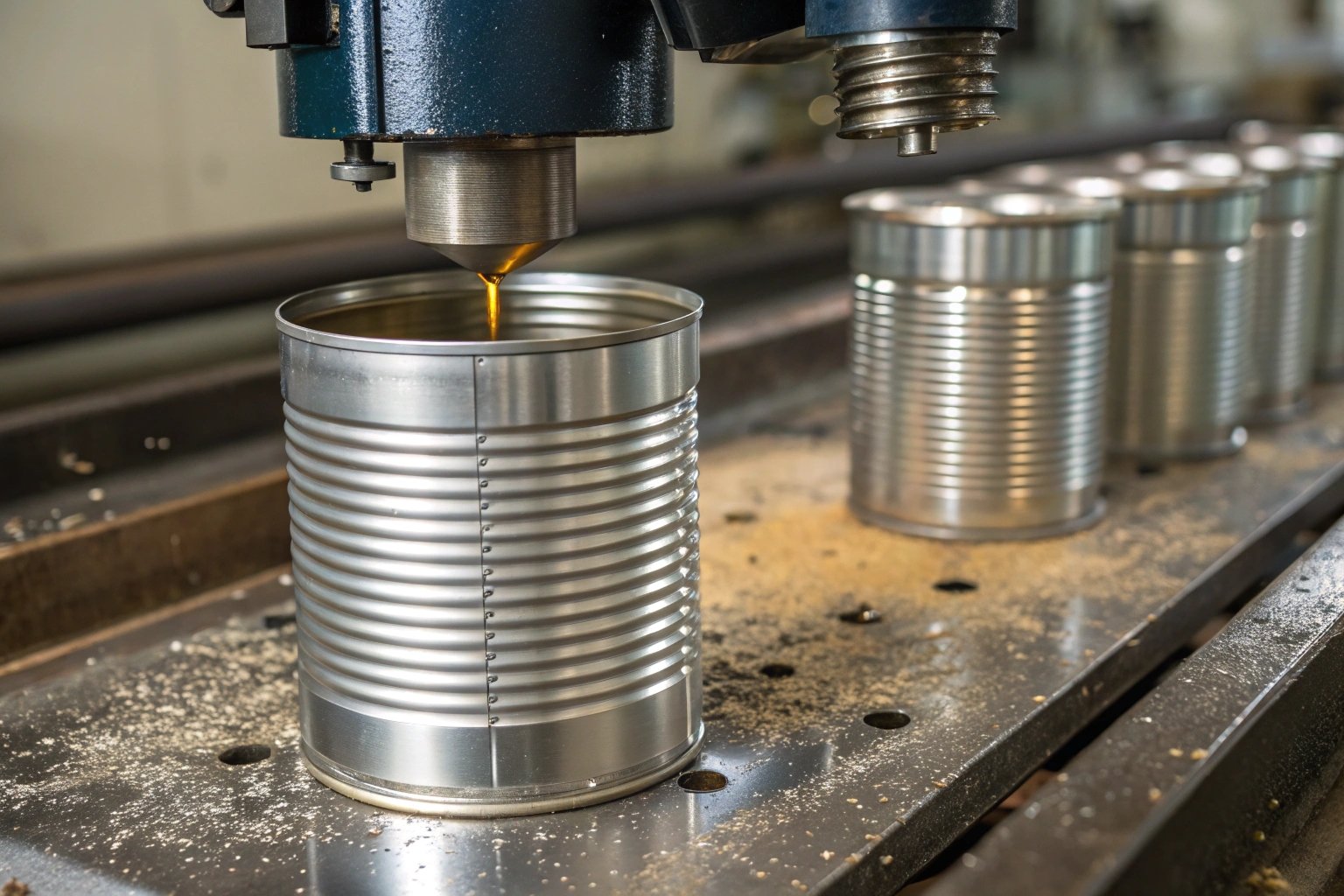
Beading is essential for 3-piece food cans 6. Those ribs you see on a tomato can aren’t for decoration; they provide radial strength to stop the can from sucking inwards under vacuum. To create a bead, the machine literally stretches the metal locally. This is where the difference between DR8 and DR9 becomes a production reality.
The Mechanics of Failure
DR8 retains a reasonable amount of ductility (elongation around 2-3%). It flows just enough to allow for standard beading profiles without tearing. DR9, however, has sacrificed almost all its ductility 7 for strength (elongation is often <1%).
When a beading machine hits DR9 with a deep profile setting, three things happen in rapid succession:
- Resistance: The steel fights the tool with immense force, wearing out your tooling faster.
- Fracture: Instead of stretching, the metal structure reaches its tensile limit instantly and snaps.
- Collapse: Once the structural integrity is broken, the can body loses its shape and crushes inside the machine.
Optimizing the Bead Profile
If you must use DR9 for a beaded can (to save weight), you cannot use the same deep, aggressive bead profile you used for softer steels. You must adapt.
- Wider Beads: Instead of narrow, sharp beads, use wider, shallower beads. This spreads the stress over a larger area.
- Cluster Beads: Use groups of small beads rather than one large bead.
Machine Compatibility Guide
Here is a quick reference guide I use when consulting with plant managers about their machinery capability. It helps them decide if they are ready for DR9.
| Machine Type | DR8 Compatibility | DR9 Compatibility | Advice |
|---|---|---|---|
| High-Speed Welder | Excellent | Good | Check calibration for springback. |
| Beader (Deep) | Good | Risky | Avoid deep beads with DR9; use shallow profiles. |
| Beader (Shallow) | Excellent | Good | Shallow beads work best for DR9. |
| Flanger (Spin) | Good | Moderate | Watch for flange cracks on DR9; reduce speed if needed. |
| Flanger (Die) | Excellent | Good | Die flanging is gentler on DR9. |
At Huajiang, we often send samples of DR9 to customers specifically to run a "Beading Trial." It is the only way to be 100% sure. If your machine forces the bead too fast or too deep, DR9 will crack. If your equipment is older, sticking with DR8 is often the safer, more profitable choice because you avoid the massive cost of downtime and scrapped cans.
Can I substitute DR8 for T5 to save weight?
We are all operating in a market where margins are thin. I have clients who have used T5 (SR grade) for twenty years because "that’s how we always did it." But when steel prices spike, they come to me asking for alternatives. They want the performance of T5 but the price per square meter of a lighter gauge.
You can absolutely substitute DR8 for T5 (SR) to reduce weight, often achieving a gauge reduction of 15% to 20%. DR8 provides similar structural rigidity to T5 but at a significantly reduced thickness, offering a direct cost benefit.
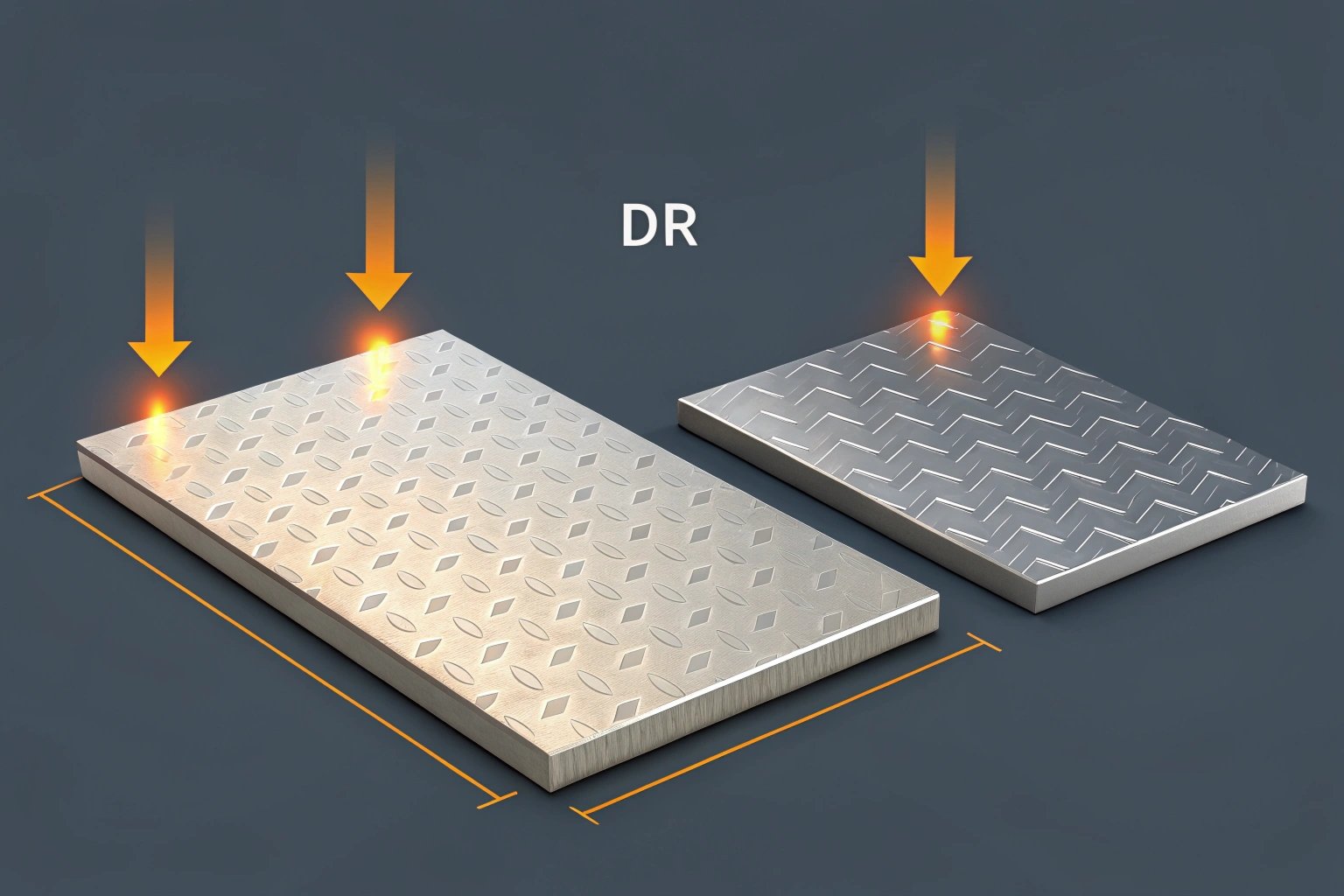
This substitution is the most common "win" I help my clients achieve. T5 (Type L or MR, usually annealed) is a Single Reduced 8 steel. It is soft and very ductile. It is great if you are making a complex drawn can (like a sardine club can). But for a standard round food can body? T5 is often "over-engineering" on the ductility side and "under-engineering" on the efficiency side.
The Logic of Substitution
Let’s look at the math. Strength in a can body comes from two places: thickness and temper (hardness).
- T5 (SR): Relies heavily on physical thickness for its strength. It is soft, so it needs to be thick to stay stiff.
- DR8 (DR): Relies on work-hardening (temper) for its strength. It is stiff, so it can be thinner.
If you are using a 0.22mm T5 material, you can often switch to a 0.18mm or 0.19mm DR8. The DR8 is stiffer, so even though it is thinner, it holds the vacuum just as well. This is a massive reduction in steel usage.
Risk Factors to Monitor
While the swap sounds like a no-brainer for cost savings, you must verify specific technical points to avoid quality issues:
- Flanging Technique: T5 is very forgiving. You can flange it aggressively. DR8 is stiffer. You may need to adjust your flanger heads to prevent cracking at the very edge. If you use a spin flanger, ensure the rollers are smooth and the speed is optimized.
- Rolling Direction (Grain): DR8 has a very distinct "grain direction." You must ensure your can body blank is cut so that the grain runs around the circumference of the can, not up and down. If you get this wrong with DR8, the can will "panel" (turn into a polygon shape) instantly under vacuum. T5 is less sensitive to this.
- Corrosion Resistance: The gauge reduction means the steel is thinner. If your product is highly acidic (like pineapple or pickles), you must ensure the internal coating (lacquer) is upgraded or verified. A thinner steel leaves less margin for error if corrosion starts.
Cost Benefit Analysis
I ran this calculation for a client in Spain recently who was hesitant to change. They were buying 500 tons of T5.
| Item | Original Spec (T5) | New Spec (DR8) | Result |
|---|---|---|---|
| Thickness | 0.24 mm | 0.20 mm | 16.6% Thinner |
| Weight per Sheet | 1.5 kg | 1.25 kg | Lighter Sheet |
| Cans per Ton | ~10,000 | ~12,000 | 20% More Cans |
| Material Cost | Baseline | Baseline + small premium | ~15% Net Savings |
Even though DR8 has a slightly higher processing cost per ton than T5 (due to the double rolling process), the yield (more cans per ton of steel) overwhelms that difference. It is pure profit sitting on the table. However, the transition must be managed carefully by your technical team to ensure the machinery adapts to the new, stiffer material.
Do you guarantee the elongation properties for DR grades?
This is a question that separates the experienced buyers from the novices. A novice asks only about hardness. An experienced buyer, perhaps someone managing a plant in Mexico or Italy, asks about elongation. They know that if the elongation is too low, the flanges will split, and the double seam will fail.
We do guarantee elongation ranges, but they are significantly lower than SR grades: DR8 typically offers ≥2%, while DR9 offers ≥1%. It is crucial to understand that these are minimums, and testing must align with the rolling direction to be accurate.
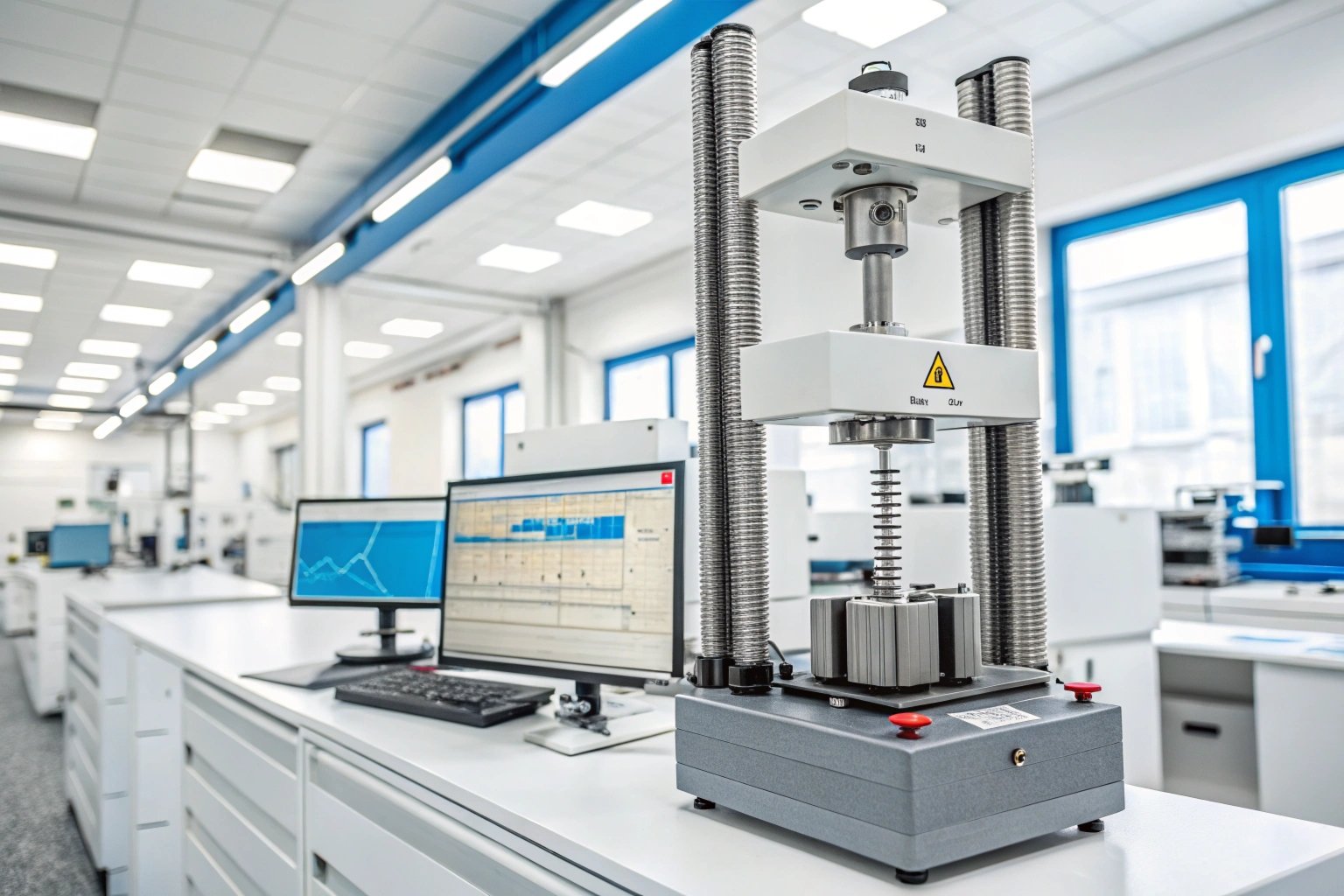
At Huajiang, we take this metric very seriously because we know that a split flange equals a leaking can, which equals a food safety recall. For my clients exporting to the EU or USA, that is simply not an option.
The "Brittleness" Factor
When we talk about DR grades, we are talking about steel that has been cold-worked to the limit. It is like a rubber band that has been stretched almost to its breaking point and then frozen there. It is strong, but it has very little "give" left.
- DR8 Elongation: Usually tests between 2% and 4%. This is just enough to allow for a 90-degree flange without splitting, provided the flanger is well-maintained.
- DR9 Elongation: Often tests between 1% and 2%. This is the danger zone. It requires very precise die-flanging (spin flanging is risky) and precise diameter control.
Anisotropy: The Hidden Variable
In our laboratory here in Fujian, we perform tensile tests on every coil. However, for DR material, standard tensile testing can be tricky because the material is so thin and hard. We focus heavily on Anisotropy 9. This is a fancy word for "directionality."
- L-Direction (Rolling Direction): The elongation is lower.
- C-Direction (Transverse Direction): The elongation is slightly better.
When we supply DR9, we ensure that the mechanical properties are consistent across the width of the coil. We use advanced continuous annealing and temper rolling processes to minimize the variation. If a supplier does not control this, you might get a coil where the center is ductile but the edges are brittle, leading to random failures on your line.
Warning Signs on the Line
If you are running DR8 or DR9 and start seeing these issues, your material might have low elongation (or "aging" issues):
- Micro-cracks at the flange edge: These are often visible only under a microscope but are fatal for hermetic sealing 10.
- Seam bumps: This occurs where the metal refuses to fold tightly in the double seam because it is too stiff.
- Lid fitting issues: The body doesn’t stretch enough to accept the end properly.
If you require high elongation (for example, for an Expanded Can or a complex shape), do not use DR grades. Stick to SR grades (T4 or T5). Do not try to force DR steel to do a job meant for soft steel. It will fail, and the cost of the failure will far exceed the savings from the material price.
Conclusion
The choice between DR8 and DR9 comes down to a balance of stiffness versus formability. Use DR8 if you need a versatile, high-strength material that can handle standard beading and flanging operations without fuss. It is the workhorse of the modern canning industry. Switch to DR9 only when you need maximum downgauging for simple can bodies or stiff ends, and you are confident your machinery can handle the higher hardness and lower ductility.
Footnotes
1. Overview of Electrolytic Tin Plate composition and applications. ↩︎
2. Standards for classifying steel temper and hardness. ↩︎
3. Technical details on the double reduced rolling process. ↩︎
4. Explanation of thermal retorting processes for canned food. ↩︎
5. Engineering mechanics of elastic memory in metals. ↩︎
6. Manufacturing overview of three-piece food can structures. ↩︎
7. Material science definition of ductility and tensile strength. ↩︎
8. Comparison of single reduced vs. double reduced steel. ↩︎
9. How directional grain structure affects sheet metal forming. ↩︎
10. Importance of sealing integrity for food safety. ↩︎