
Are you worried that your canned fruits might lose their flavor or cause the metal to rust from the inside? I have seen many buyers lose money because their can lids failed during the peak harvest season.
To prevent corrosion in high-acid fruit cans, high-acid grade epoxy-phenolic (EP) coatings and organosol coatings are the best choices. These coatings provide a thick, flexible barrier that resists organic acids and prevents metal migration, ensuring a shelf life of over 24 months for acidic contents.
Choosing the right protection for your tinplate bottom ends is not just about the price. It is about keeping the food safe and your reputation clean. If you pick the wrong lacquer, you risk "swelling" or leaks that can ruin an entire shipment. Let me guide you through the technical details of these coatings so you can make the best choice for your production line.
Which interior coating is best for preventing corrosion in fruit cans?
Do you know why some cans last for years while others rust in months? I have spent years watching how different coatings react to acidic fruit juices and the results are always clear.
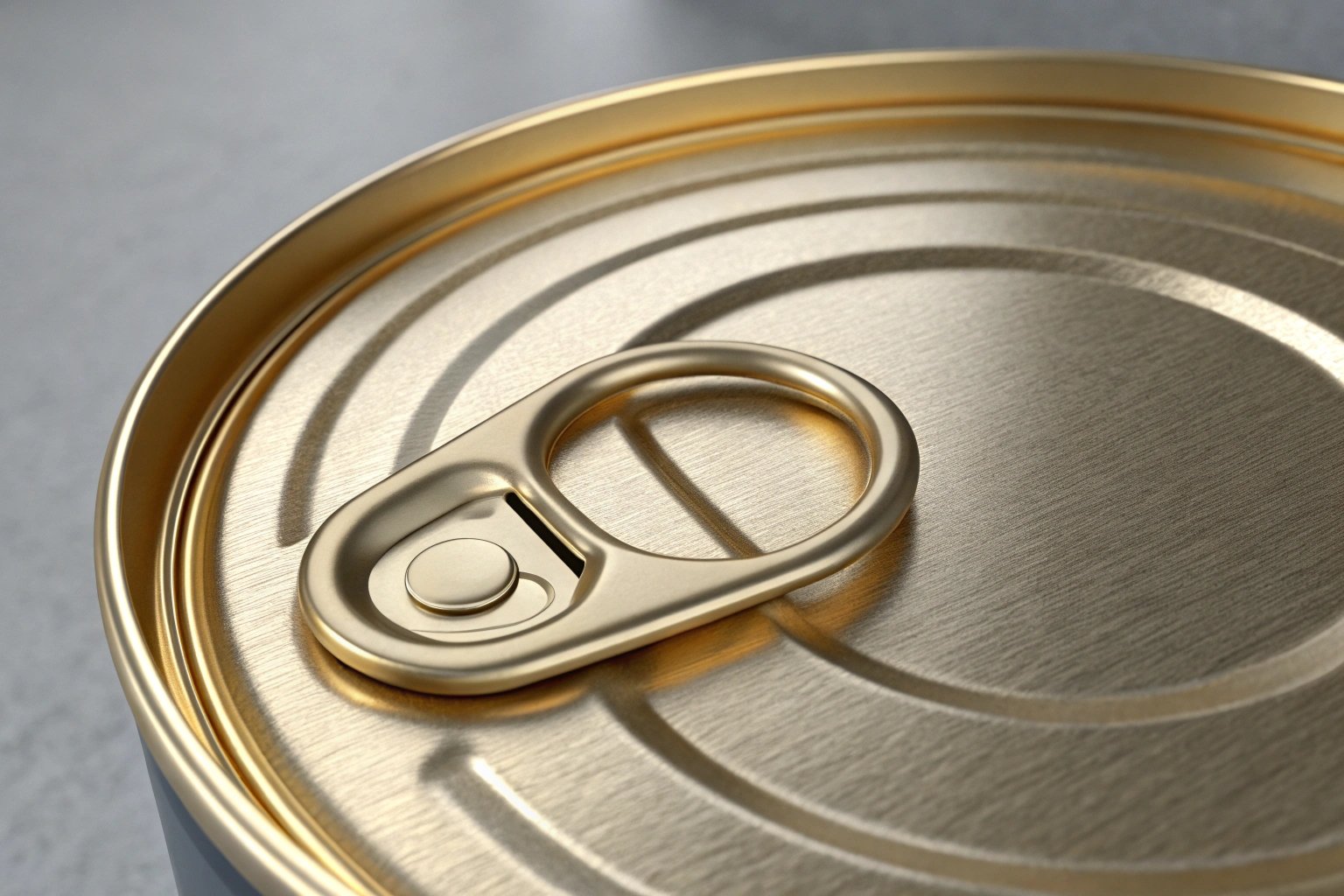
The best coating for fruit cans is the high-acid resistant epoxy-phenolic (EP) resin. It creates a dense cross-linked shield that stops acid from touching the steel. For very aggressive foods like tomato paste, organosol coatings offer even better flexibility and chemical resistance to prevent any localized pitting.
When we talk about high-acid foods, we usually mean items with a pH level 1 below 4.5. This includes pineapples, citrus fruits, and tomatoes. These foods are "hungry" for metal. If the coating has even a tiny hole, the acid will eat into the tinplate. This leads to hydrogen gas 2 buildup, which makes the can swell.
Understanding Epoxy-Phenolic (EP) Coatings
Epoxy-phenolic coatings are the "gold standard" in our industry. At Huajiang, we use these for most of our food-grade bottom ends. They are famous because they stick to the tinplate very well. Even when the can goes through the high heat of a retort 3 (around 121°C), the coating does not peel off.
| Coating Property | Epoxy-Phenolic (EP) | Organosol (PVC-based) |
|---|---|---|
| Acid Resistance | Excellent | Superior |
| Flexibility | Good | Excellent |
| Heat Stability | Very High | High |
| Common Color | Gold / Clear | Gold / Grey |
The Role of Organosol Coatings
If you are packing something very aggressive, I usually recommend Organosol 4. This is a PVC-based coating. It is much more flexible than standard epoxy. When we manufacture bottom ends, the metal is stamped and curled. This process can create micro-cracks in stiff coatings. Organosol is "stretchy," so it stays intact during the shaping process. This makes it perfect for the deep-drawn parts of a can or complex easy-open ends.
Why Thickness Matters
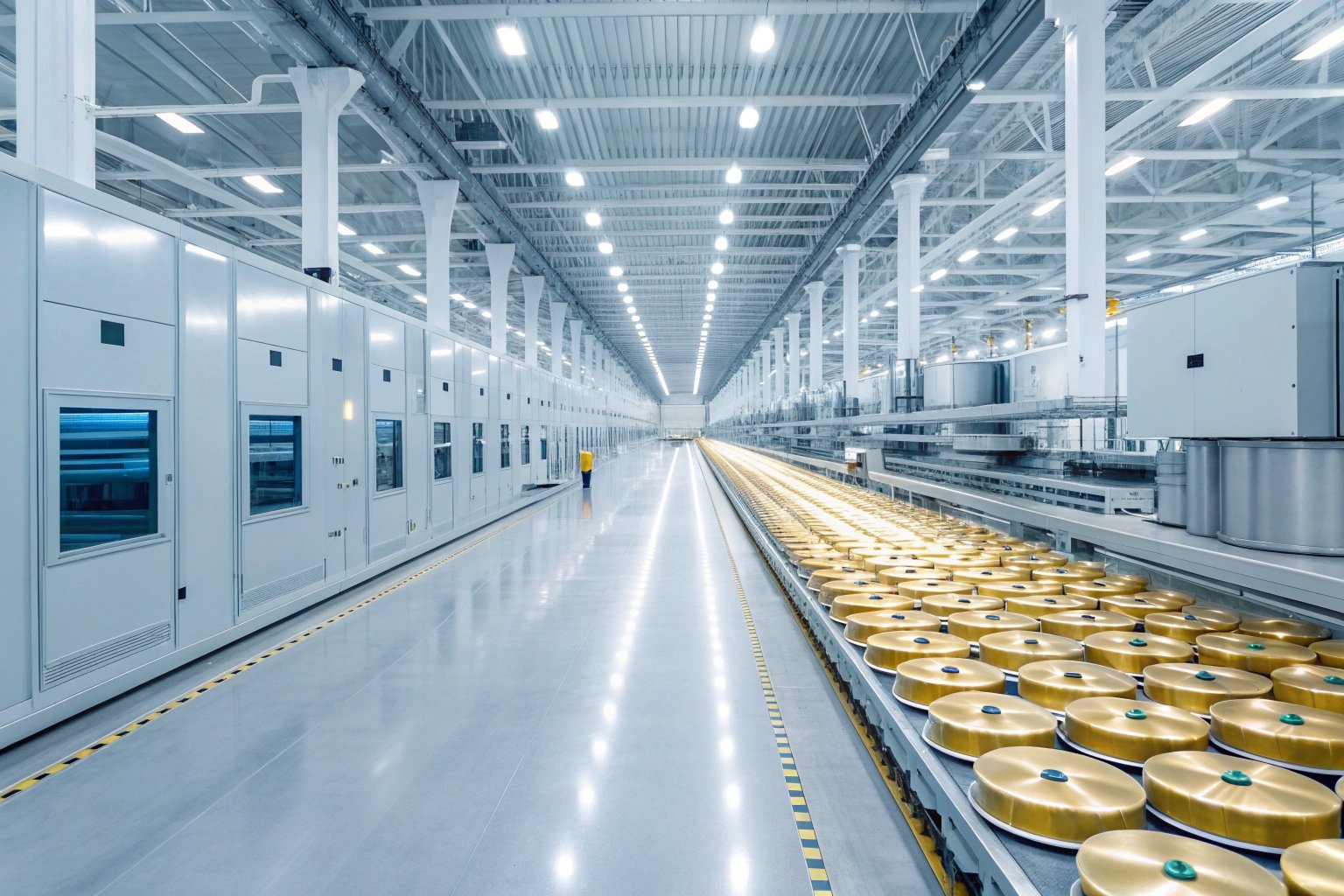
In my experience, many factories try to save money by using a thin layer of lacquer. This is a big mistake. For high-acid foods, we control the internal coating thickness between 8μm and 12μm. Anything less than that is like wearing a thin shirt in a rainstorm—eventually, you will get wet. We use 53 Fuji coating lines 5 to ensure every micron is applied evenly across the entire surface.
How do I test if the coating is compatible with my acidic contents?
How can you be sure your cans won’t fail six months after they leave your warehouse? I always tell my clients that a lab test today saves a disaster tomorrow.
You test coating compatibility using a copper sulfate test for porosity and a retort simulation with your specific food product. By heating the sample to 121°C for 60 minutes in the actual brine or juice, you can check for coating blush, peeling, or metal exposure immediately.

Testing is the only way to sleep well at night. When Carlos, a procurement director from Mexico, first came to us, he was stressed about "fat cans" (swelling). We showed him our testing process, and it changed his whole strategy. We don’t just look at the lid; we look at how the lid behaves when it is attacked by acid.
Common Laboratory Tests for Bottom Ends
To ensure the safety of your high-acid products, we perform several critical tests. These tests help us find weaknesses before the product is even shipped.
- The Porosity Test: We use an enamel rater 6 to pass a small electric current through the lid. If the current is high, it means the coating is too thin or has holes.
- Adhesion Test (Cross-Hatch): We scratch a grid into the coating and apply strong tape. If any coating peels off with the tape, the batch is rejected.
- Acid Resistance Test: We soak the ends in a 5% acetic acid solution at high temperatures to see if the gold lacquer turns white (blushing).
Simulating the "Shelf Life"
We also perform "Pack Tests." This is where we fill the cans with your specific product—like sliced peaches in syrup—and store them in a warm room (37°C). One month in this room is like six months on a real shelf. We check the iron and tin levels in the food. If the metal levels stay low, the coating is a success.
| Test Type | Objective | Pass Criteria |
|---|---|---|
| Retort Test | Check heat resistance | No peeling or bubbles |
| Copper Sulfate | Find pinholes | No red spots visible |
| Sulfur Stain Test | Check chemical barrier | No blackening of the tin |
Customizing for Your Content
Not all acids are the same. Citric acid in fruits behaves differently than the acetic acid in pickles. If your food is high in sulfur, like some meats or corn, we use a different "S-resistant" epoxy-phenolic. This prevents the "black stain" that happens when sulfur reacts with the tin. We have over 27 years of data to help you choose the exact chemical formula for your contents.
Should I use epoxy-phenolic or organosol coatings for my products?
Are you confused about which name to put on your purchase order? I get this question every week from buyers who want the best balance of price and safety.
Use epoxy-phenolic coatings for standard fruit cans like pineapples or pears where cost-efficiency is key. Switch to organosol coatings if you are producing easy-open ends or packing high-stress products like tomato concentrates, as organosol handles the physical stretching of the metal much better without cracking.
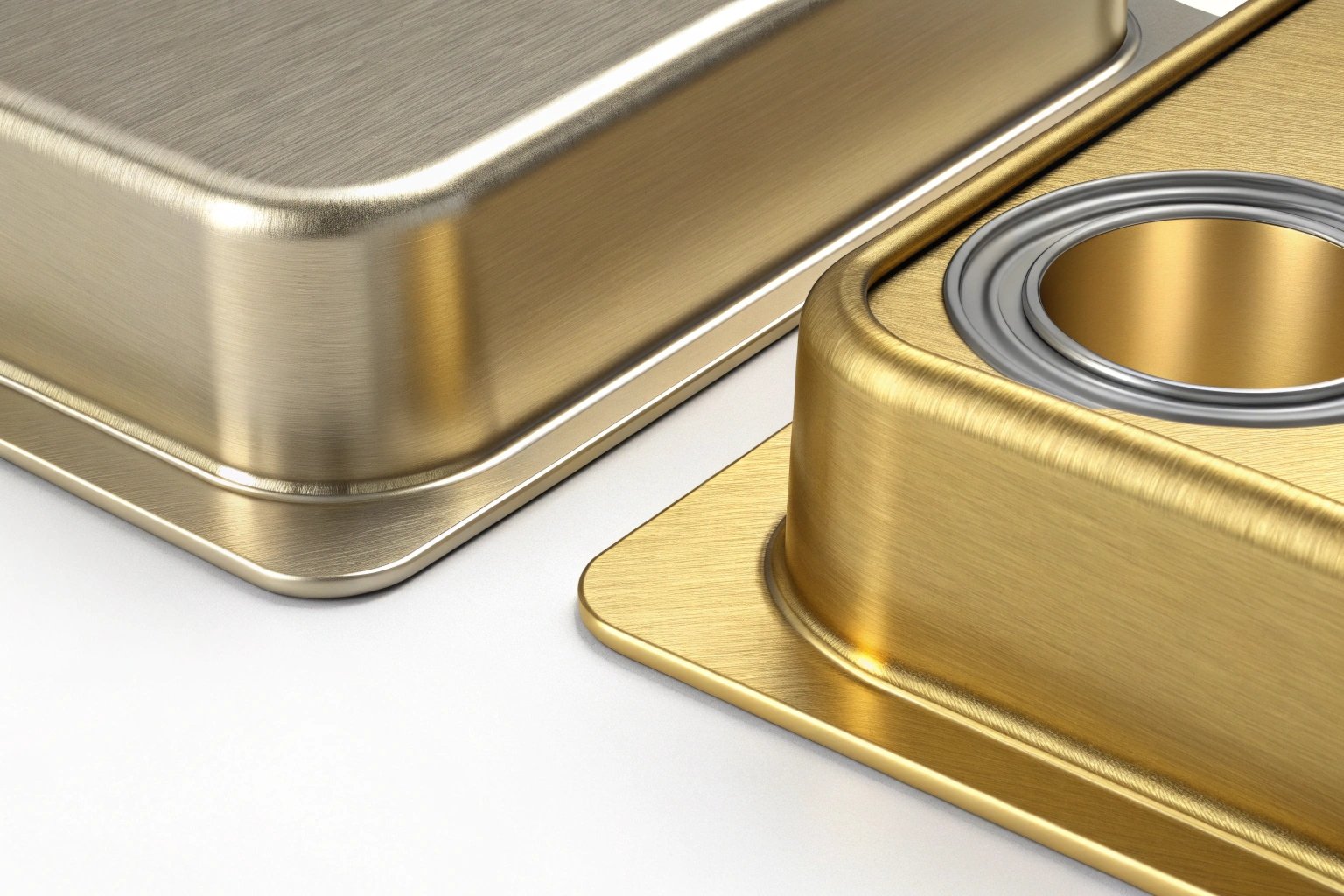
The choice usually comes down to the shape of the lid and the intensity of the acid. I often see customers using expensive organosol when a good EP coating would work just fine. On the other hand, using cheap EP on a complex lid for high-acid sauce is a recipe for disaster.
The Case for Epoxy-Phenolic (EP)
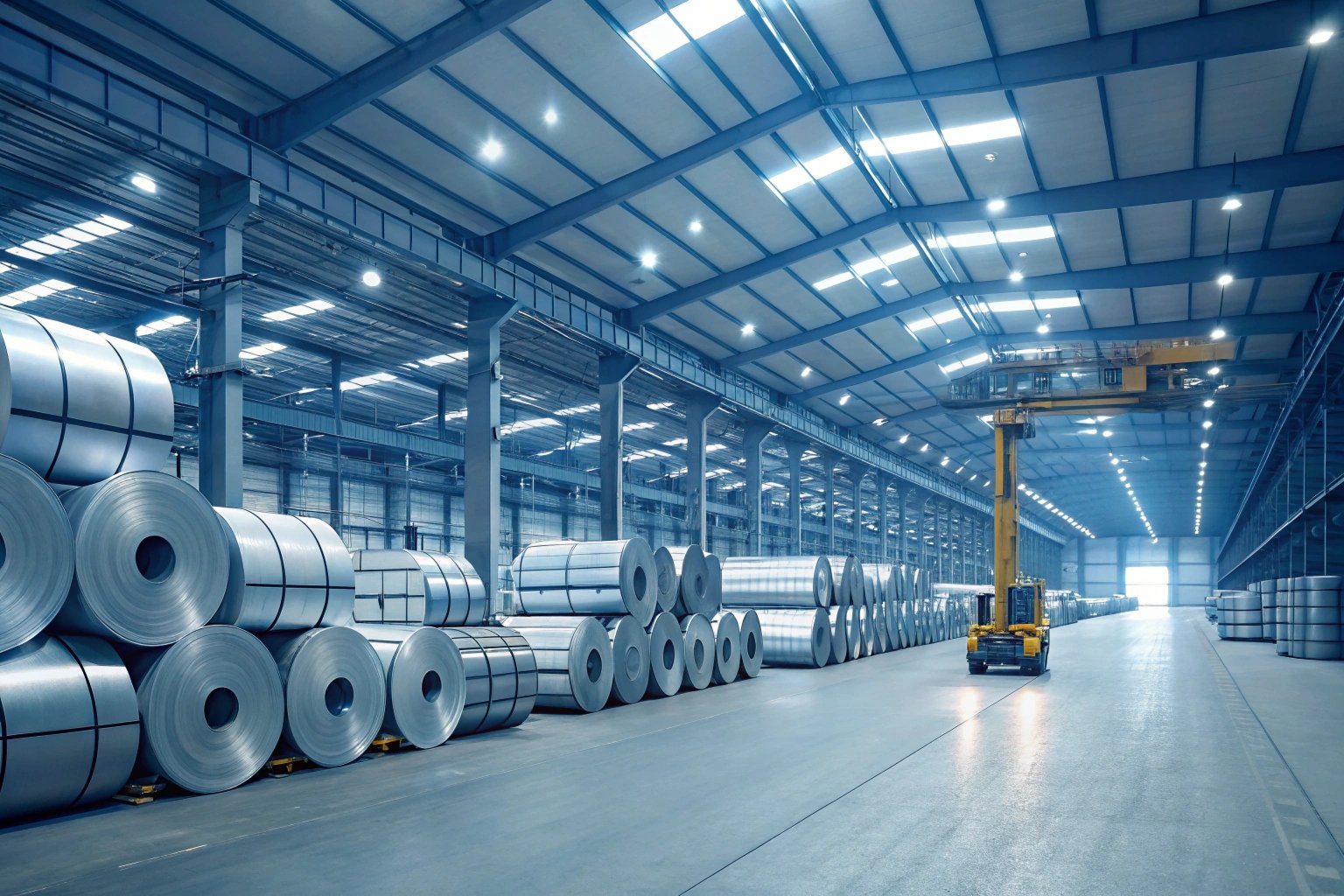
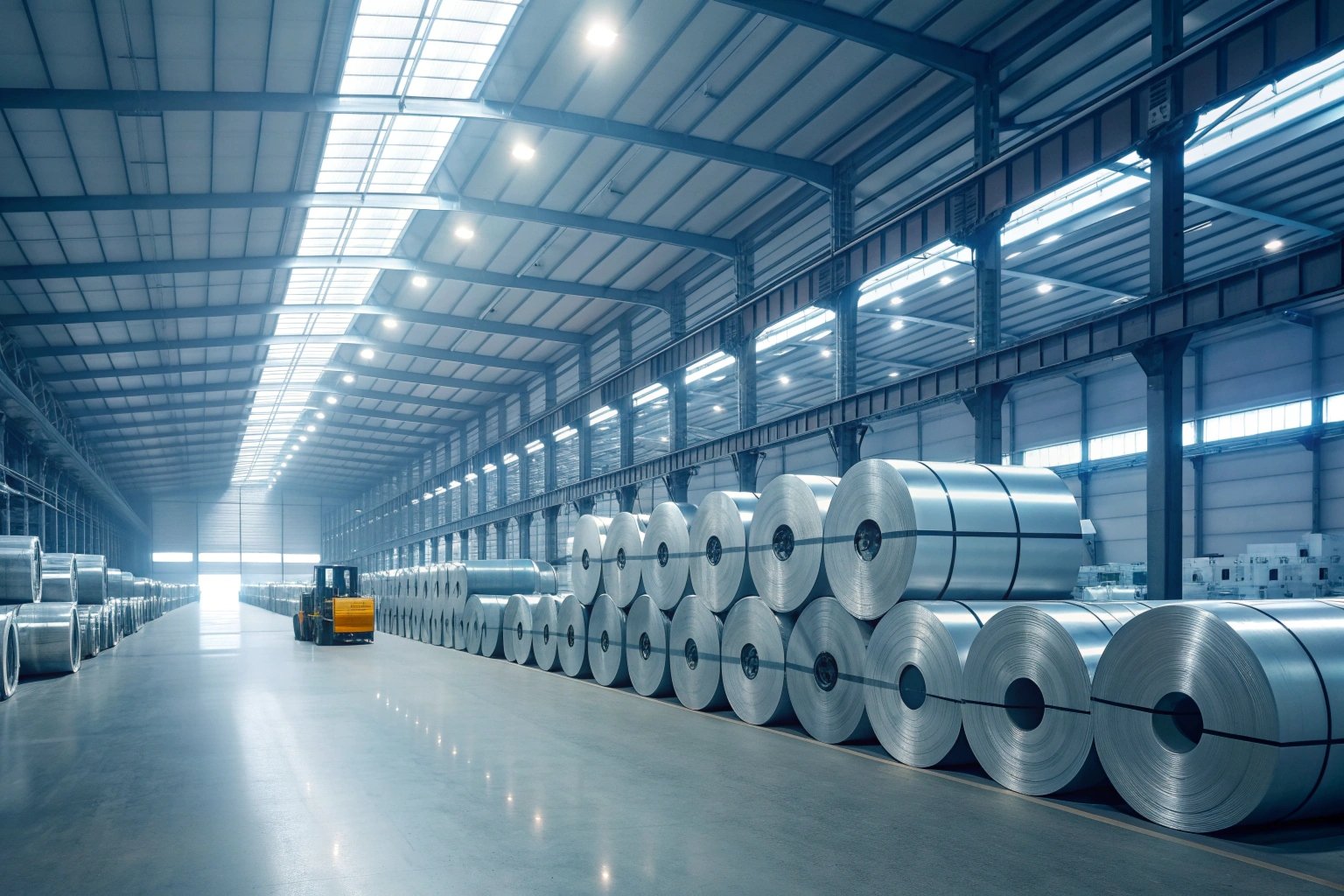
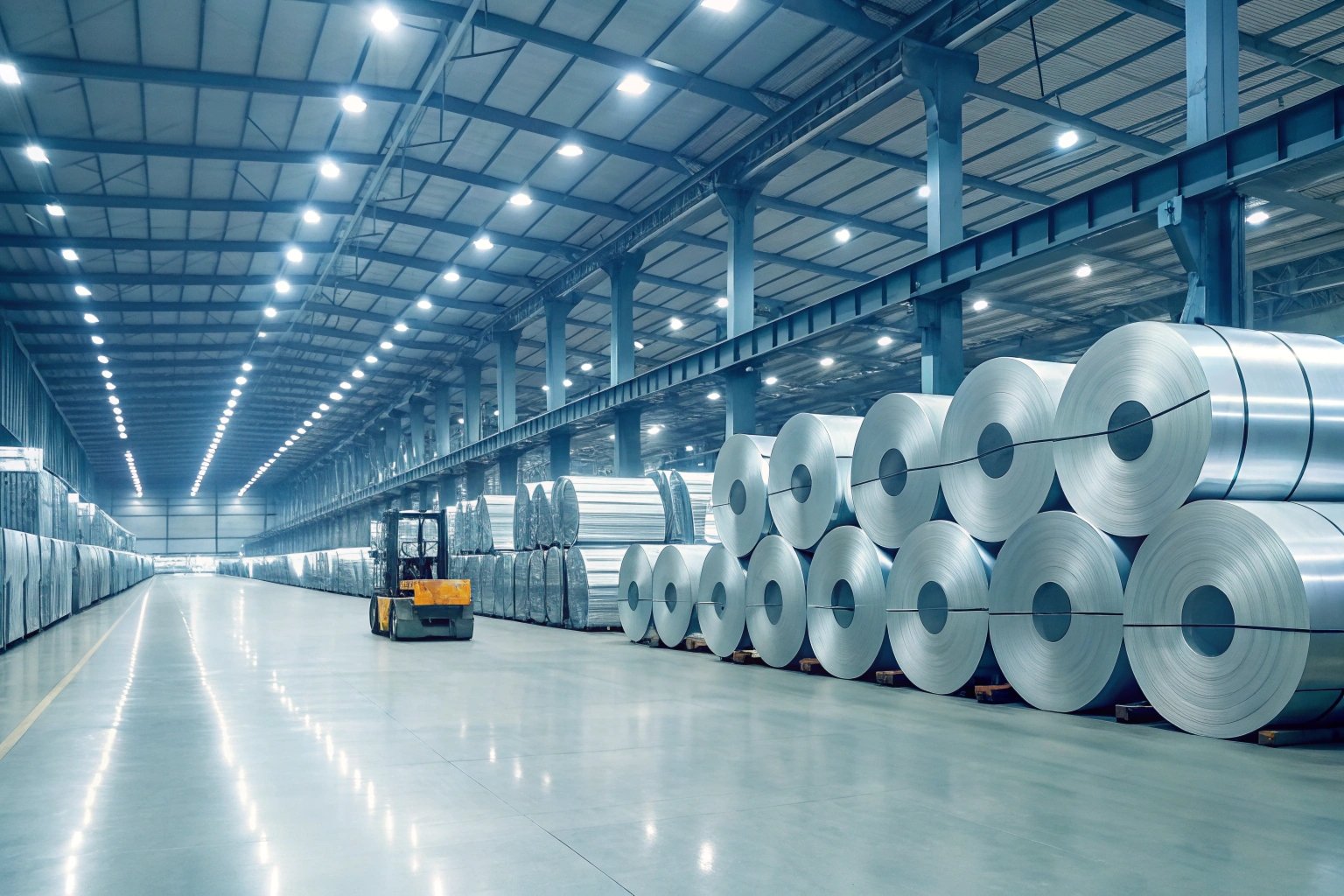
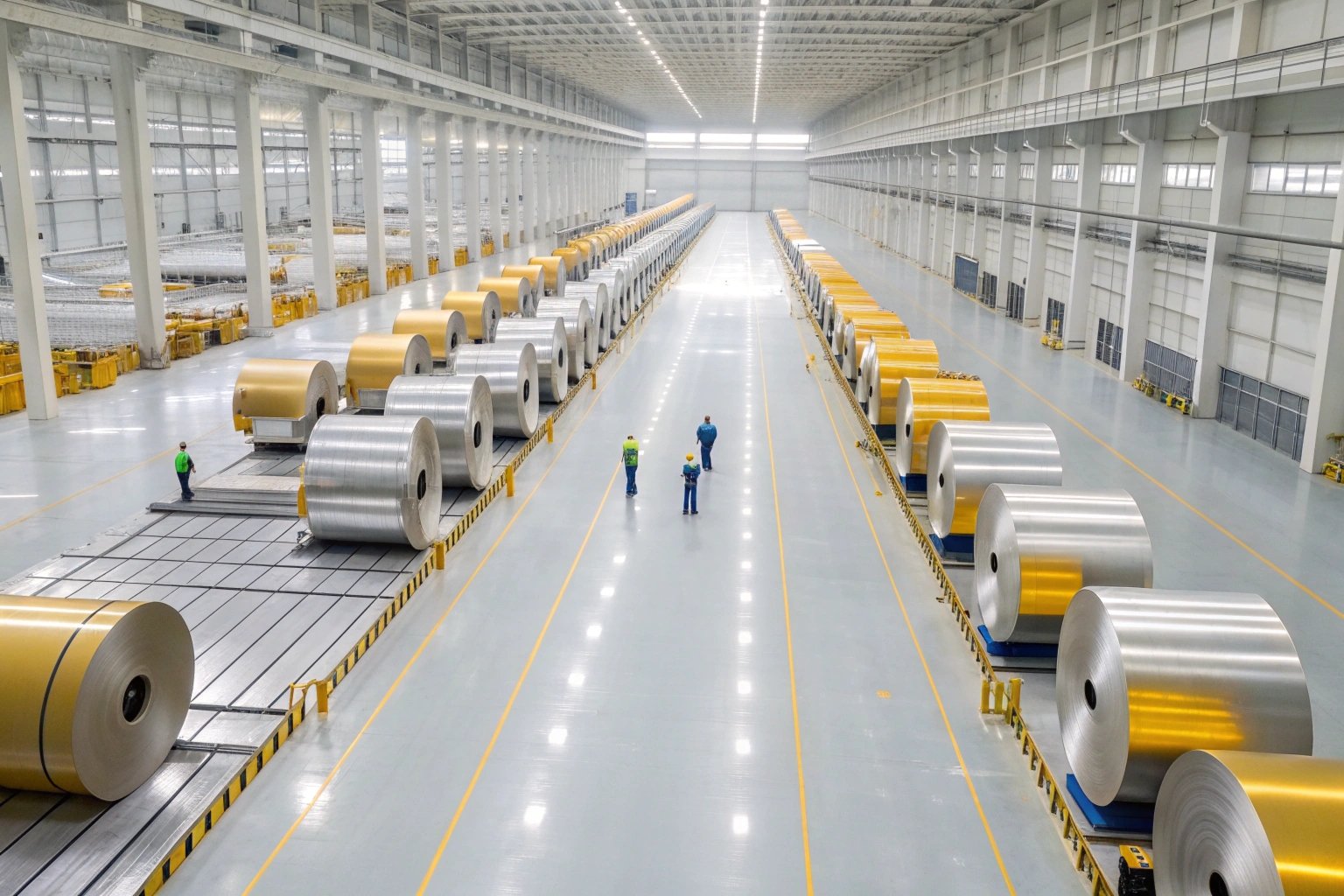
EP is the workhorse of the industry. It is very affordable compared to newer technologies. If you are a high-volume producer of standard vegetable or fruit cans, EP is usually the right answer. It provides a very hard surface that is difficult to scratch during the canning process. At Huajiang, we maintain a huge stock of EP-coated coils 7 because the demand is so steady.
When Organosol is Necessary
Organosol is a "high-performance" choice. Because it contains PVC resins, it is much softer and more rubbery than EP.
- Easy-Open Ends (EOE): When the "score line" is cut into a lid, the metal is stressed. Organosol flows into these gaps better.
- Deep-Drawn Cans: If the metal is stretched significantly, EP might crack, but Organosol will stretch with the steel.
- High-Fat/Acid Mix: Products like oil-based sauces with acid are very tough on coatings. Organosol offers better protection here.
Environmental and Regulatory Trends
Today, many of my clients in Europe and the USA are asking for BPA-NI (BPA Non-Intent) coatings. Traditional epoxy-phenolic contains Bisphenol A 8. While it is safe under current FDA rules, many brands want to stay ahead of future laws. We now offer BPA-NI Polyester and BPA-NI Organosol options. These are more expensive, but they allow you to print "BPA-Free" on your labels.
| Feature | Epoxy-Phenolic | Organosol | BPA-NI Polyester |
|---|---|---|---|
| Cost | Low | Medium | High |
| Processing Ease | High | Medium | Medium |
| FDA Compliance | Yes | Yes | Yes (Best for Marketing) |
How long will these coatings protect my cans from swelling?
Do you worry about your products sitting on a shelf in a hot tropical country? I have seen cans that looked perfect in the factory but failed after three months in a warehouse in Thailand.
With a high-quality 10μm epoxy-phenolic or organosol coating, your tinplate bottom ends will protect against swelling for 24 to 36 months. The exact time depends on the storage temperature and the specific pH level of the food, but the coating acts as a permanent barrier during the rated shelf life.
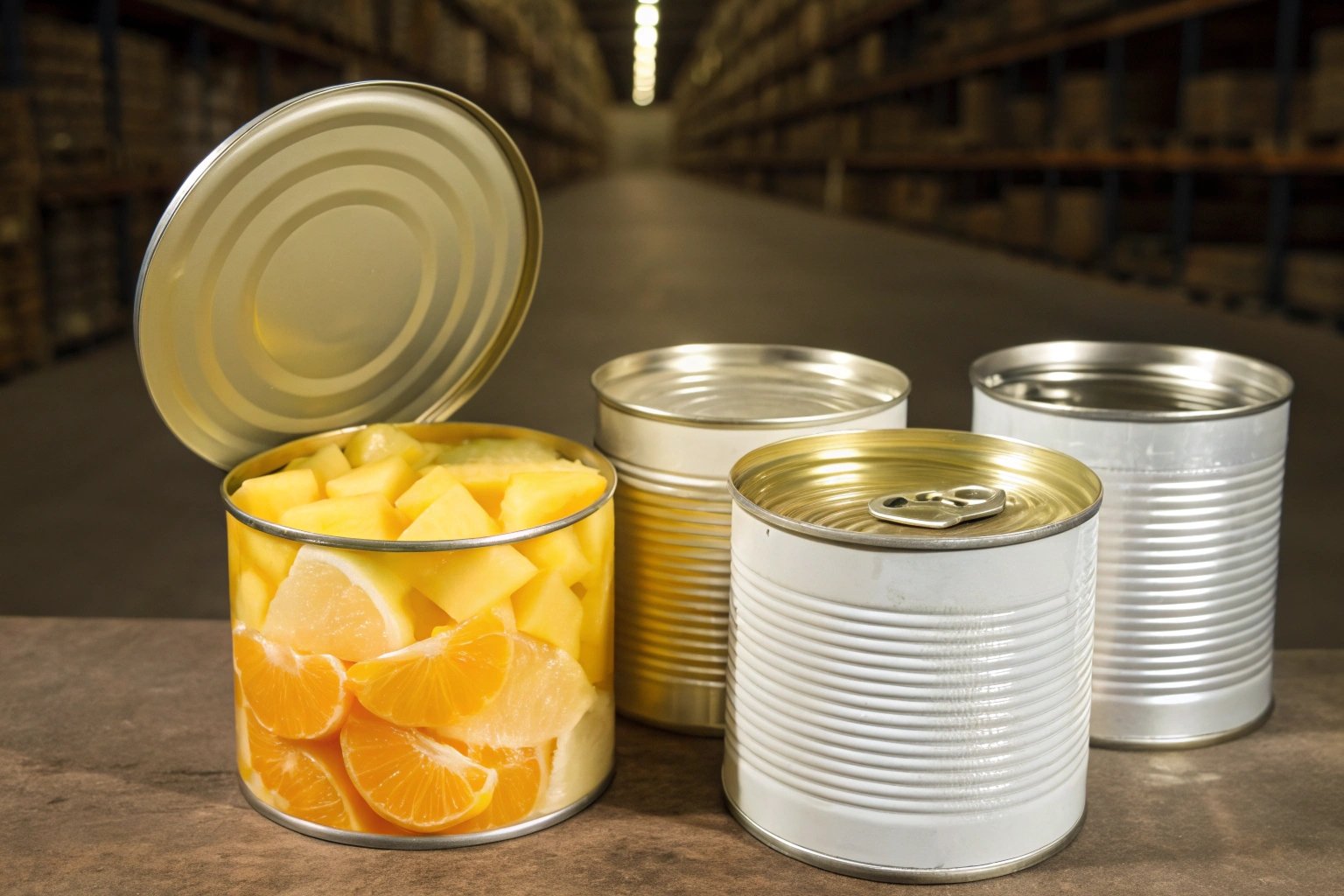
Swelling is caused by "hydrogen swells." This happens when the acid reacts with the iron in the steel. The reaction releases hydrogen gas, which builds up pressure. If your coating is perfect, the acid never touches the iron, and the can never swells. This is why we focus so much on "film integrity."
The Impact of Storage Temperature
Temperature is the enemy of packaging. If you store your cans in a warehouse at 40°C, the chemical reactions happen much faster than at 20°C. For my customers in the Middle East or SE Asia, I always recommend a slightly thicker coating (an extra 2μm) to provide a "safety buffer" against the heat. A little extra investment in the coating thickness can save you from a total loss of inventory.
Why "Huajiang" Quality Lasts Longer
We don’t just buy any steel. We use premium tinplate from big mills like Baosteel 9 and Shougang. The surface of the steel must be very clean before we apply the lacquer. If there is even a tiny bit of oil or dust on the metal, the coating will not bond correctly. Our 1,800 workers follow strict cleaning protocols to ensure the coating stays attached to the metal for years, not just months.
Preventing Post-Process Damage
Sometimes the coating is perfect, but it gets damaged after it leaves our factory.
- Seaming: If your seaming machine 10 is not set correctly, it can scratch the internal coating of the bottom end.
- Cooling Water: If your cooling water has too much chlorine, it can attack the outside of the lid.
We provide technical consulting to help your engineers set up their machines correctly. This ensures that the high-quality coating we provide actually does its job until the consumer opens the can.
Conclusion
Choosing the right interior coating for high-acid food is a balance of chemistry and engineering. Epoxy-phenolic (EP) is perfect for general use, while Organosol provides the flexibility needed for complex ends. By choosing a manufacturer with a full supply chain and strict testing, you ensure your fruit cans stay fresh and safe for years.
Footnotes
1. Explanation of pH levels and how they measure acidity in liquids. ↩︎
2. Properties of hydrogen and its role in chemical reactions within sealed containers. ↩︎
3. Technical overview of retort processing for food sterilization and safety. ↩︎
4. Introduction to organosols and their application in specialized industrial coatings. ↩︎
5. Details on high-precision Fuji coating machinery used in metal packaging. ↩︎
6. How enamel raters measure the integrity of internal coatings in metal cans. ↩︎
7. Product information on coated tinplate coils for industrial manufacturing. ↩︎
8. FDA information regarding the use of Bisphenol A (BPA) in food packaging. ↩︎
9. Official site of Baosteel, a leading global supplier of high-quality steel products. ↩︎
10. Guide to professional can seaming technology and equipment maintenance. ↩︎