
I know the pressure you face when a major US retailer asks for BPA-NI certification on your next shipment of canned goods. It feels like the rules are always changing.
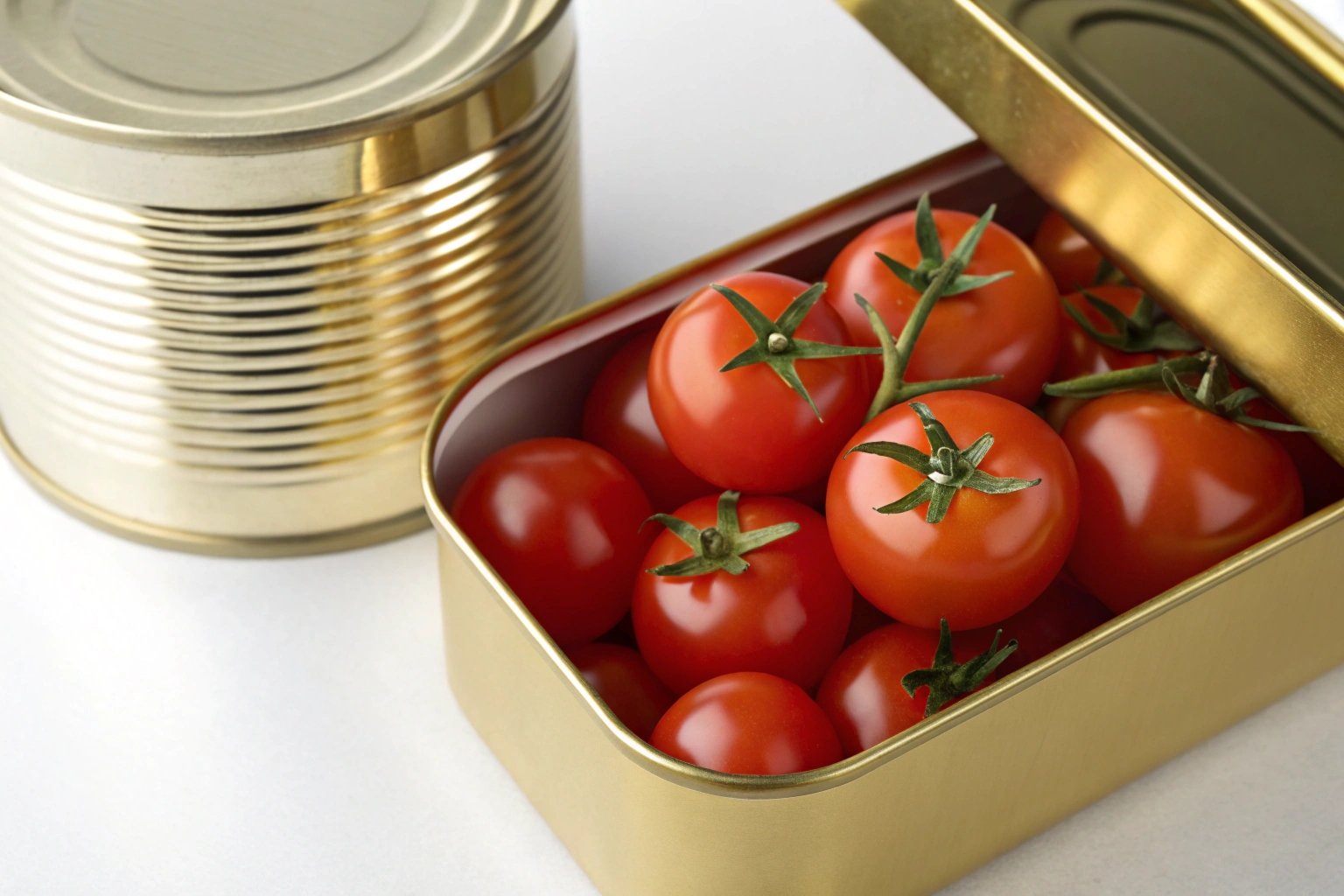
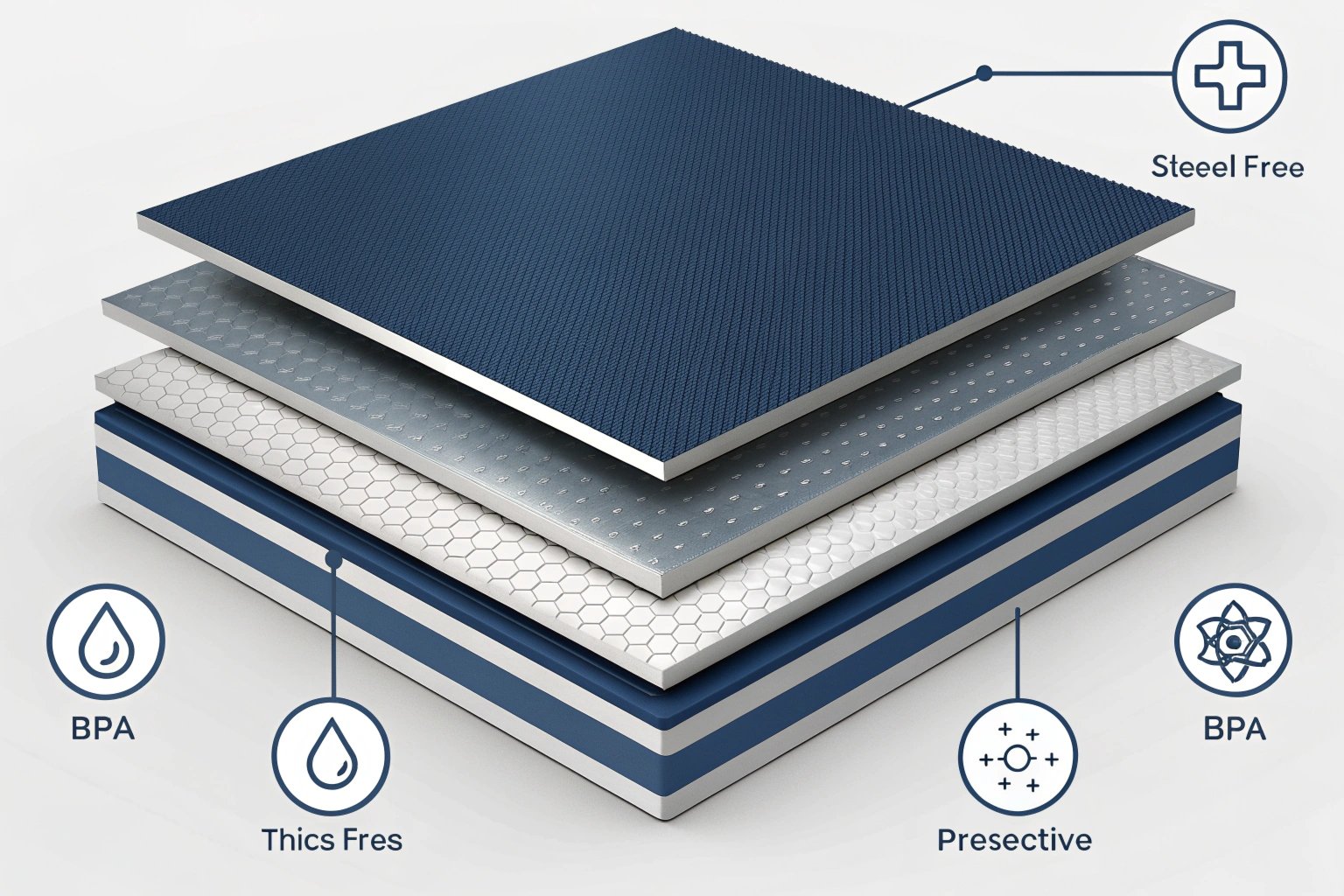
BPA-NI tinplate bottom ends are can bases made from electrolytic tinplate with internal coatings formulated without intentionally added bisphenol A. They help US importers meet FDA 21 CFR 175.300 standards, satisfy state-level rules like Prop 65, and match consumer demand for safer food packaging materials.
The transition to these new coatings can be tricky, but I am here to help you navigate the technical and regulatory hurdles so your supply chain remains rock solid.
Is BPA-NI certification mandatory for all my US and EU exports?
You might be wondering if you really need to make the switch right now or if your old coatings are still okay. I have seen many clients get confused because the FDA technically says BPA is safe, yet the market is moving fast in the other direction. If you want to sell to big names like Walmart or Whole Foods, you usually don’t have a choice.
BPA-NI certification is effectively mandatory for major US and EU retail channels due to brand policies and state laws like California’s Proposition 65, which requires clear warnings for products containing BPA. Importers must provide a Declaration of Compliance (DoC) and migration test reports to prove the coating has no intentionally added BPA.
While the federal FDA 21 CFR 175.300 1 remains the baseline, the reality on the ground is much stricter. I have dealt with many procurement officers in the US who simply will not sign a contract unless "BPA-NI" is explicitly stated in the technical data sheet. This is because consumers are hyper-aware of Bisphenol A 2 and associate it with health risks. In the EU, the European Food Safety Authority 3 has recently lowered the tolerable daily intake for BPA to extremely low levels, making it nearly impossible to use traditional epoxy-phenolic coatings.
Comparison of Global Standards for BPA in Packaging
| Region | Primary Regulation | Current Status of BPA | Requirement for Importers |
|---|---|---|---|
| USA (Federal) | FDA 21 CFR 175.300 | Allowed (except infant formula) | DoC recommended |
| USA (California) | Proposition 65 | Listed as reproductive toxicant | Mandatory warning or BPA-NI |
| European Union | Regulation (EU) 2018/213 | Strictly limited migration | Migration test mandatory |
| China | GB 9685-2016 | Allowed with SML limits | Compliance report required |
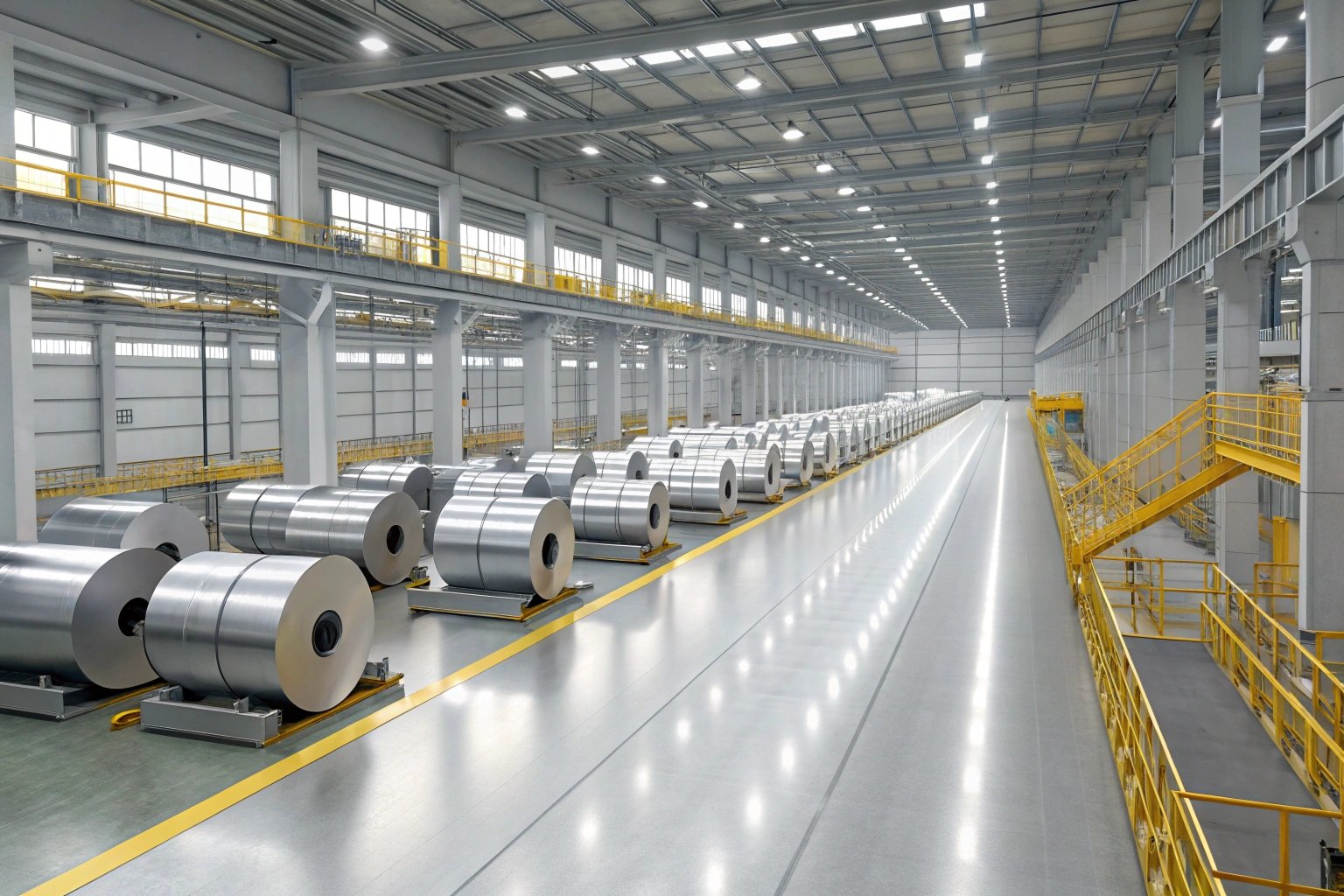
To keep your business safe, I always recommend looking at your worst-case scenario. If your product lands in a port and the buyer asks for a BPA-NI statement you don’t have, the delay could cost you thousands in demurrage fees 4. At Huajiang, we keep over 100,000 tons of tinplate in stock precisely because we know that when a regulation changes, our customers need to pivot immediately. Using a "non-intent" coating means that while the raw materials are BPA-free, we acknowledge the tiny environmental traces that exist in any modern factory, which is the most honest way to handle compliance.
Does switching to BPA-NI coatings affect the shelf life of my goods?

I often hear the concern that these newer coatings might not be as "tough" as the old-school epoxy. You are worried that your tomatoes might eat through the lacquer or that your meat cans might develop black spots. This is a valid fear because the chemistry of polyester and acrylic resins is fundamentally different from the resins we used for thirty years.
Switching to BPA-NI coatings does not decrease shelf life if the coating chemistry is correctly matched to the food’s acidity and processing heat. Modern BPA-NI polyesters are engineered to survive 121°C retort cycles and provide a high-barrier seal that matches the performance of traditional epoxy-phenolic linings.
In my 27 years in this industry, I have seen that the secret is in the "match." Not all BPA-NI coatings are the same. For example, if you are packing high-acid fruits, you need a specific type of polyester resin 5 that has high flexibility. If you are packing sulfur-rich vegetables like corn, you need what we call a "C-Enamel" version of BPA-NI that contains zinc oxide to prevent sulfide staining. If the coating isn’t applied at the right thickness or baked at the exact temperature, it can peel during the seaming process.
Common BPA-NI Coating Types and Applications
| Coating Type | Best For | Technical Advantage | Potential Limitation |
|---|---|---|---|
| Acrylic | Beverages, Light Food | Excellent color/clarity | Less flexible for deep drawing |
| Polyester | General Food, Acidic | Highly flexible, good adhesion | Can be sensitive to over-baking |
| Olefin/Organosol | Highly Aggressive Food | Extreme chemical resistance | Higher cost per sheet |
I recommend conducting a "pack test" whenever you switch suppliers. We provide samples for this exact reason. You need to see how the end behaves after it has been through the retort processing 6 and sat on a shelf for three months. Because we operate 53 Fuji coating lines, we can precisely control the film weight to ensure that even the most aggressive foods don’t reach the steel base. Consistency is the only way to avoid the nightmare of "blown cans" or product recalls.
How much more will I pay for BPA-Non-Intent tinplate ends?
I know you are under constant pressure to lower your costs. When you hear "new technology" or "special coating," you probably expect a massive price jump. In the B2B world, even a 2% increase in packaging costs can wipe out your margin. However, the price gap is closing faster than you might think.
BPA-NI tinplate ends typically cost 5% to 8% more than standard epoxy ends due to the higher cost of raw resin and more stringent manufacturing controls. However, sourcing directly from a vertically integrated manufacturer like Huajiang can often offset this premium through supply chain efficiencies and bulk raw material purchasing.
The reason for the extra cost isn’t just the lacquer itself. It is the cleaning of the lines, the separate storage of coils to prevent cross-contamination, and the more frequent lab testing required to verify the BPA-NI status. But here is the good news: because the global demand for BPA-NI has skyrocketed, the economies of scale 7 are kicking in. The resin manufacturers are producing more, which is bringing the price down.
Cost Factors in BPA-NI End Production
- Resin Raw Materials: Specialized polyesters are more expensive to synthesize than basic epoxies.
- Coating Thickness: BPA-NI often requires a slightly heavier film weight to achieve the same barrier performance.
- Energy Costs: Some BPA-NI lacquers require longer or hotter baking cycles to fully cure.
- Testing & Quality Control: Frequent migration testing and SGS audits add a small overhead to every batch.
I have helped many clients like Carlos Gomez save money by looking at the total picture. If you buy a cheaper end that fails in the market, you lose millions. If you buy a high-quality BPA-NI end from a factory that has 100,000 tons of stock, you save money on lead times and inventory holding. We pass our 5-8% cost advantage in production directly to you, which often makes our BPA-NI ends cheaper than a competitor’s standard epoxy ends.
What documentation do I need to clear customs with BPA-NI products?

Nothing is more frustrating than having a container stuck at the port in Los Angeles or Savannah because a customs officer is asking for a document you don’t have. For BPA-NI products, the paperwork is just as important as the metal. If the documentation is vague, the FDA can hold your shipment for "sampling," which adds weeks of delay.
To clear US customs smoothly, importers need a specific set of documents including a Declaration of Compliance (DoC) stating the coating is BPA-NI, an FDA 21 CFR 175.300 conformity report, and a third-party migration test (like SGS or Intertek) confirming the product meets safety limits.
I always tell my clients to be proactive. Don’t wait for the port to ask. You should have a "Technical Passport" for every SKU you import. This file should include the steel grade 8, the tin coating weight (like 2.8/2.8), and the specific brand of BPA-NI lacquer used. If you can show that your supplier is ISO 9001 9 certified and has passed audits by major global brands, the customs process becomes much faster.
Essential Documentation Checklist for Importers
| Document Name | Purpose | Key Information Included |
|---|---|---|
| Declaration of Compliance | Legal Guarantee | Confirms no intentional BPA added |
| SGS/FDA Test Report | Safety Proof | Results of global and specific migration tests |
| Mill Test Certificate | Material Origin | Steel grade, temper, and tin coating weight |
| Technical Data Sheet | Usage Guide | Baking limits, storage life, and food suitability |
When you work with us at Huajiang, we provide this entire package before the ship even leaves the port in Fujian. We know that for a procurement director, "peace of mind" is the most valuable commodity. We ensure that our coatings are not just "BPA-NI" in name, but are fully compliant with the latest EU food contact legislation 10 and US updates, so you never have to worry about a "rejected" stamp on your paperwork.
Conclusion
Transitioning to BPA-NI tinplate bottom ends is a smart move to future-proof your business in the US market. By focusing on correct coating selection, verified documentation, and sourcing from a manufacturer with massive stock and proven scale, you can balance food safety with your bottom line.
Footnotes
1. Official FDA regulation governing resinous and polymeric coatings for food contact. ↩︎
2. Detailed health and environmental information regarding Bisphenol A from the NIEHS. ↩︎
3. European authority providing scientific advice on food-related risks and BPA safety. ↩︎
4. Guide to understanding and managing costs associated with port storage and delays. ↩︎
5. Technical overview of the properties and chemistry of polyester resins in manufacturing. ↩︎
6. Explanation of the thermal sterilization process used for shelf-stable canned foods. ↩︎
7. Understanding how increased production volume leads to lower unit costs in industry. ↩︎
8. Information on steel types and technical standards used in global packaging markets. ↩︎
9. International standard for quality management systems to ensure consistent product quality. ↩︎
10. Comprehensive guide to European Union laws regarding materials in contact with food. ↩︎