

As someone who has spent years in the metal packaging industry, I often see buyers face huge losses due to rust or food spoilage caused by incorrect coating thickness. It is a costly mistake.
Food safety depends heavily on the dry film weight of tinplate ends; internal coatings usually range from 8 to 15g/㎡ depending on food acidity, while external coatings stay between 4 and 8g/㎡ to meet FDA and EU safety standards.
In this guide, I will share how to choose the right film weight for your specific products and how we at Huajiang ensure every batch meets global standards, helping you avoid hidden risks in your supply chain.
What does “dry film weight” actually mean?
When I talk to new clients, they are often confused by technical terms like "g/㎡." If the coating is too thin, your product touches metal and rusts; if it is too thick, it cracks during the canning process.
Dry film weight refers to the mass of the solid coating left on the metal surface after high-temperature curing, serving as the primary barrier that protects food from metal contact and prevents chemical reactions.

Calculating film weight is a simple but vital process. We weigh a piece of tinplate before coating and then again after it has been lacquered and baked. The difference tells us the exact weight. If the internal film weight is too low, the food’s acids or salts will attack the steel. This causes "swelling" in cans or gives the food a metallic taste.
In our daily production, we adjust these levels based on the lacquer type, such as epoxy-phenolic 1 or organosol. For dry foods like milk powder, a lighter coating works fine. However, for aggressive products like tomato paste, a much heavier layer is required. My experience has taught me that film weight is not just a number; it is the shield that keeps your food safe for years.
Dry Film Weight Requirements by Food Type
The table below shows the typical internal dry film weights we recommend for different categories:
| Food Category | Recommended Internal Weight (g/㎡) | Lacquer Type | Risk Factor |
|---|---|---|---|
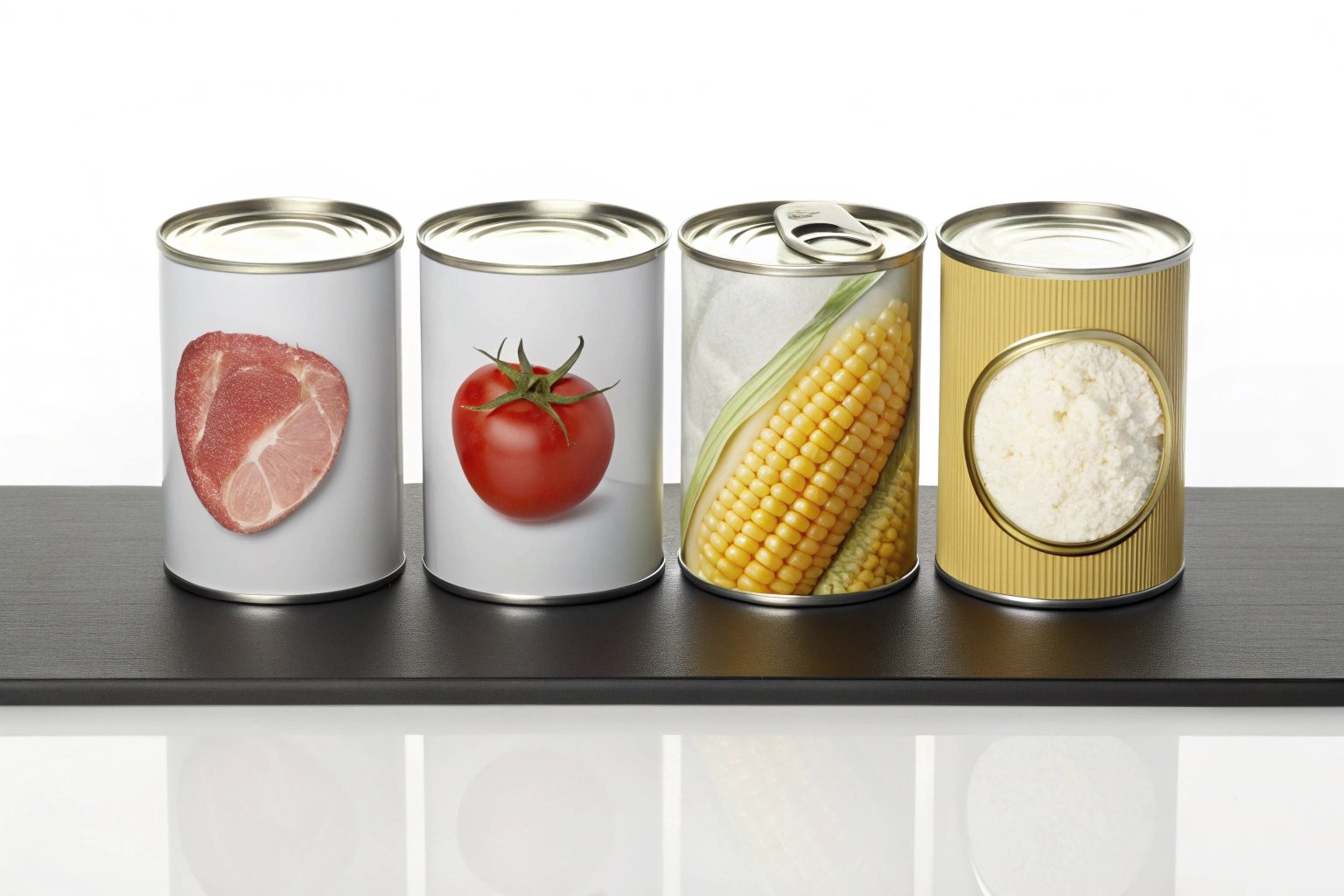
| Low-Acid (Corn, Meat) | 8 – 12 | Epoxy-Phenolic / Sulfur-Resistant | Sulfide staining |
| High-Acid (Tomatoes) | 10 – 15 | Organosol / High-Solid | Pitting corrosion |
| Dry Food (Milk Powder) | 3 – 6 | Clear Varnish / Aluminum | Abrasion rust |
| Beverages (Juice, Coffee) | 5 – 10 | BPA-NI (Non-Intent) | Flavor tainting |
Critical Depth and Uniformity
We don’t just look at the average weight. We must ensure the coating is even across the entire sheet. If the coating is thin at the edges where the "curl" is formed, that becomes the first point of failure. We use Fuji coating lines 2 from Japan to keep our tolerance within ±0.5g/㎡.
How do I check if the film weight is consistent across the batch?
I once met a buyer who received perfect samples, but the mass production batch rusted. This happened because the factory failed to control consistency during a long run, leading to "thin spots" in the coating.
Checking consistency requires multi-point testing using magnetic or eddy current gauges; a batch is only safe if 95% of samples stay within a deviation of ±1.5g/㎡ from the target weight across the entire sheet.
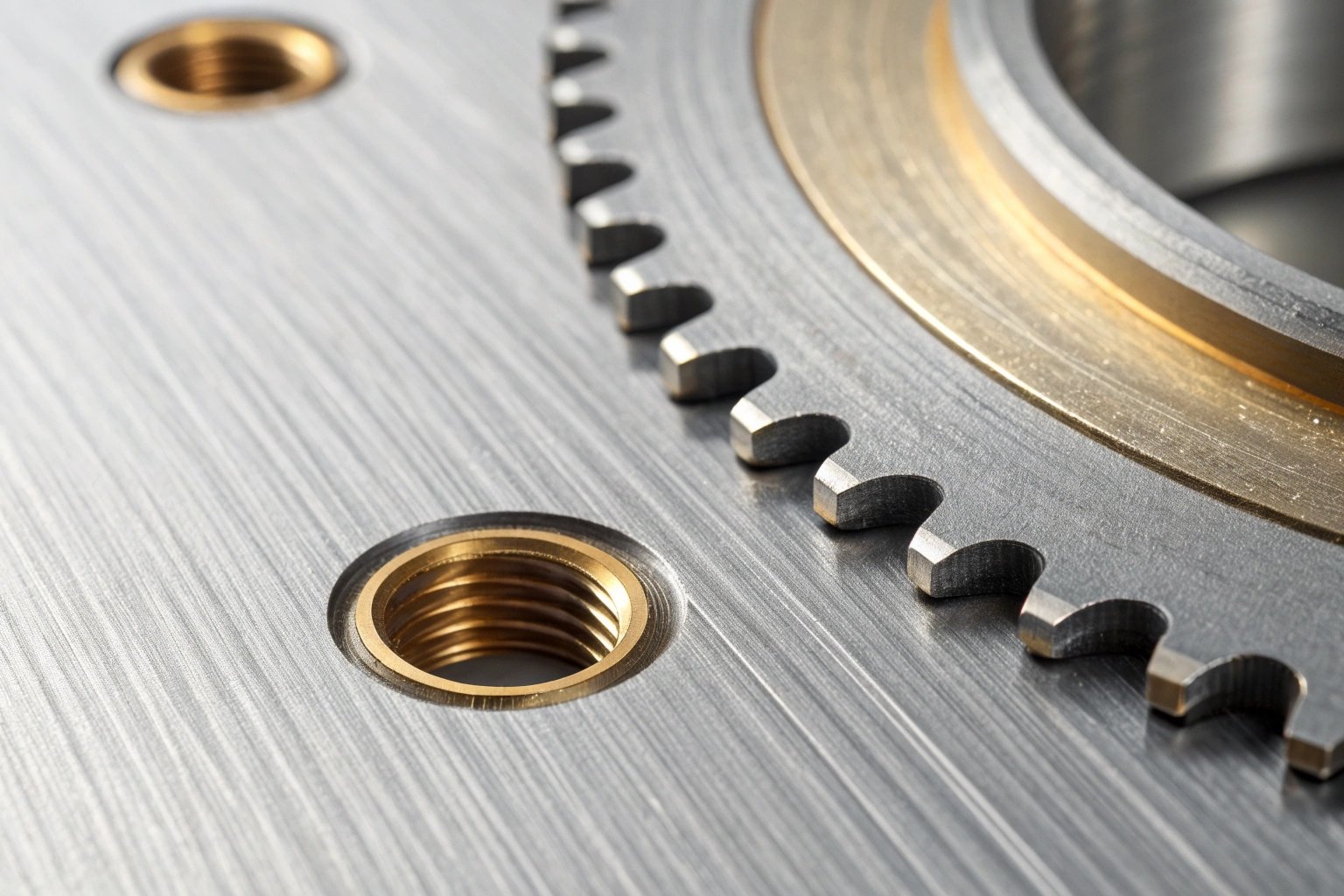
At our Huajiang facility, we follow a strict inspection routine. Every hour, our workers take samples from the line. We test nine different spots on a single tinplate sheet: top-left, top-middle, top-right, and so on. This ensures the coating rollers are applying pressure evenly across the whole width. If one side is even 1g lighter than the other, we stop the machine and recalibrate.
Beyond just weighing the film, we perform "Enamel Rating Tests" 3. We submerge the ends in an electrolyte solution and pass a current through them. If the coating is too thin or has tiny holes, the meter shows a high reading. We aim for near-zero mA (milliamps). This double-check gives procurement directors 4 like Carlos peace of mind, knowing their brand won’t face a recall due to faulty coatings.
Production Control Parameters
To keep the film weight stable, we monitor these three factors constantly:
| Parameter | Standard Range | Frequency | Consequence of Failure |
|---|---|---|---|
| Lacquer Viscosity | 25 – 60 seconds | Every 2 hours | Uneven coating or "runs" |
| Oven Temperature | 180°C – 200°C | Real-time | Poor adhesion or high migration |
| Curing Time | 10 – 15 minutes | Every batch | Brittle coating that cracks easily |
Digital Monitoring
We have now upgraded to automated thickness monitoring systems 5. This reduces human error. If the system detects a drop in weight, it alerts the operator immediately. This level of detail is why we have survived in this industry for 27 years.
Does a higher film weight always mean better corrosion resistance?
New clients often ask me to double the coating thickness, thinking it makes the can "invincible." I always tell them that "more is not always better" in the world of metal packaging.
Higher film weight can actually decrease safety if it makes the coating too brittle; thick layers often crack during the mechanical stress of stamping or seaming, creating paths for corrosion to reach the metal.

It is a balance of science. The coating must be thick enough to provide a barrier but thin enough to stay flexible. Think of it like paint on a car. If the paint is too thick and hard, it will chip off if you dent the metal. When we stamp a flat sheet into a circular end, the metal stretches. A thick, brittle coating will develop micro-cracks that are invisible to the eye but allow acids to seep through.
Cost is another factor. Lacquer is expensive. Adding unnecessary weight drives up the price for the buyer without adding real value. Instead of just adding weight, we focus on the "Retort Test" 6. We place the coated ends in a pressure cooker at 121°C for 60 minutes. If the weight is correct and the cure is good, the film won’t peel or change color. That is the true test of quality, not just the thickness.
Comparison of Coating Systems
Choosing the right chemistry is often more important than the weight:
| Feature | Epoxy Phenolic | Organosol | Polyester |
|---|---|---|---|
| Flexibility | Medium | Excellent | Good |
| Acid Resistance | Excellent | Excellent | Average |
| Sulfur Resistance | Excellent (w/ additives) | Good | Average |
| Relative Cost | Medium | High | Low |
Solutions for High-Sulfur Foods
For meat or fish cans, sulfur blackening 7 is a major issue. We don’t just add more film weight. We use special "Sulphur Resistant" lacquers containing zinc oxide 8. These lacquers absorb sulfur ions before they can react with the tinplate. This is a smarter, more cost-effective way to protect the product.
What are the industry standards for film weight on easy open ends?
When talking to experts like Carlos, the focus always shifts to Easy Open Ends (EOE). These ends are much harder to manufacture because they have a score line that must be easy to break but hard to rust.
Easy Open Ends require a slightly higher film weight, usually 10-12g/㎡ internally, to ensure the coating survives the heavy mechanical stress of scoring and riveting without exposing the underlying metal.
The manufacturing of an EOE involves "scoring" the metal—pressing a line into it so it can be pulled open. This thins the metal and stretches the coating. If the film is too thin, it will break at the score line. We produce 6 billion ends a year, and we know that a single rusty score line 9 can ruin a whole shipment.
To solve this, we often use high-flexibility lacquers and perform "Repair Coating" on the score line if necessary. The external side of an EOE also needs to be tougher. It experiences a lot of friction during transport. We usually recommend 5-8g/㎡ for the exterior and add a "slip agent" 10 to the lacquer. This helps the ends slide smoothly through your filling machines without scratching the protection off.
My Professional Advice for Your Supply Chain
Don’t just give your supplier a single number for film weight. Ask for a "Coating Specification Sheet" that includes the lacquer brand, the curing temperature curve, and the results of a 60-minute retort test. A professional supplier will always have this data ready.
Conclusion
Choosing the right dry film weight for tinplate ends is the key to food safety and a long shelf life. It must be customized for your food type and strictly monitored. Huajiang is ready to provide you with expert technical support and high-quality, cost-effective packaging solutions.
Footnotes
1. Comprehensive data on the chemical properties and applications of epoxy-phenolic resins in industrial coatings. ↩︎
2. Technical specifications for high-precision metal sheet coating machinery used in global production lines. ↩︎
3. Standard procedures for evaluating the electrical porosity and integrity of internal metal can coatings. ↩︎
4. Professional resources and certifications for leadership roles within global supply chain procurement. ↩︎
5. Advanced sensor technologies for real-time thickness and quality measurement in manufacturing processes. ↩︎
6. Validation protocols for food packaging durability during high-temperature sterilization and retort processing. ↩︎
7. Scientific research on the chemical reactions causing sulfur staining in canned protein-rich foods. ↩︎
8. Technical properties of zinc oxide as an additive for sulfur resistance in food-grade lacquers. ↩︎
9. Engineering standards for the structural integrity and safety of easy-open end score lines. ↩︎
10. Information on additives that reduce surface friction and improve scratch resistance in metal coatings. ↩︎