
I know the stress of choosing between tradition and innovation when your reputation is on the line. Picking the wrong lining compound can lead to leaks, ruined batches, and angry customers.
Water-based lining compounds are the modern, eco-friendly choice that reduces VOC emissions and improves safety, while solvent-based compounds remain the heavy-duty standard for extreme heat sterilization and highly aggressive food contents due to their superior chemical resistance.
Making the switch might feel risky for your production speed. I want to show you exactly how these two technologies compare so you can protect your factory and your profits.
Should I choose water-based or solvent-based lining for my cans?
I often see buyers struggle with this choice because they want to be "green" but fear a drop in quality. You need a solution that fits your specific processing machinery.
The choice depends on your food type and local laws; water-based liners are best for standard food and beverage cans where environmental compliance is key, whereas solvent-based liners are better for high-acid or high-sulfur products requiring extreme retort stability.
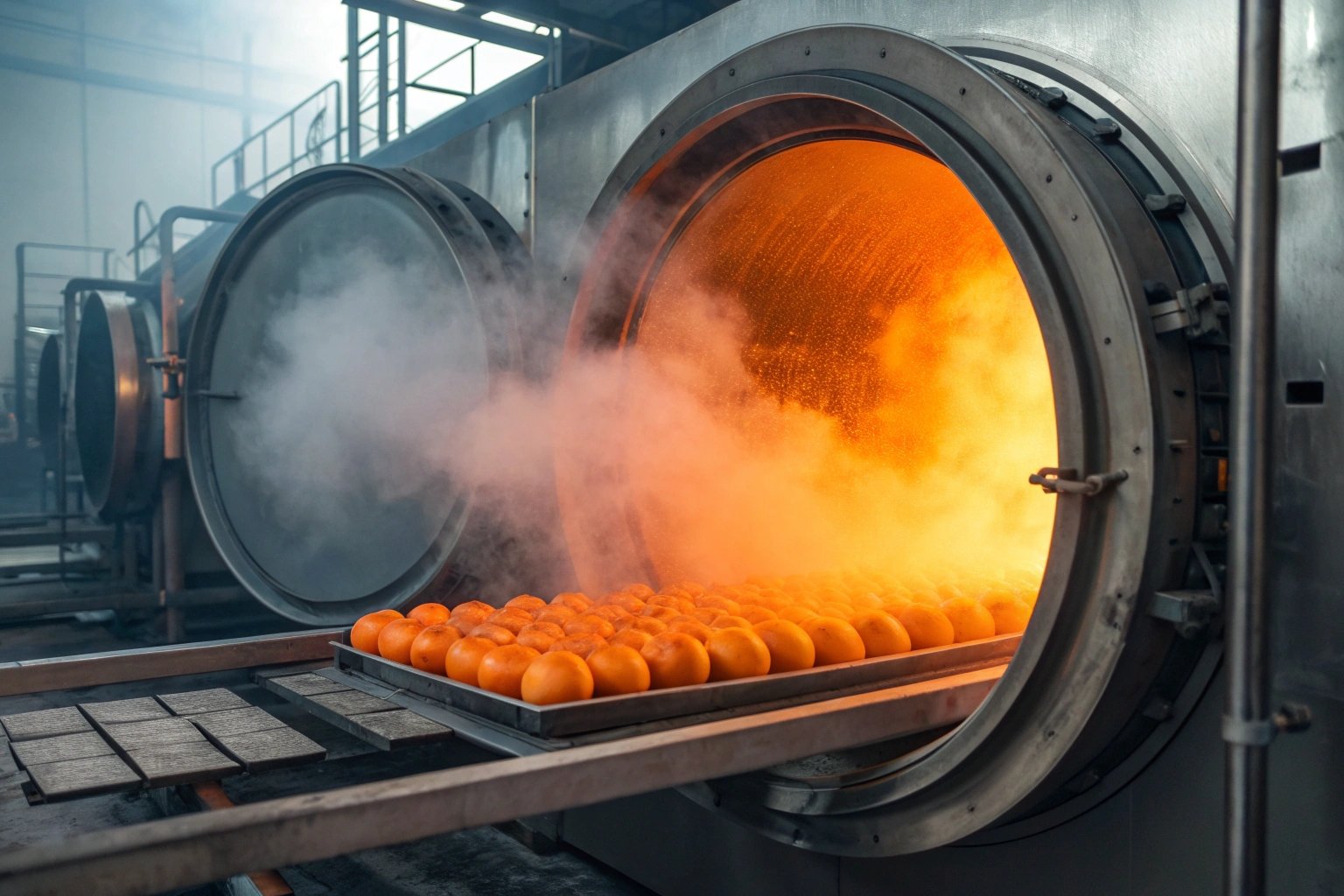
In my 27 years at Huajiang, I have watched the market shift. Many of our clients in Europe now demand water-based linings to avoid heavy taxes on VOCs 1. These compounds use water as a carrier, making them non-flammable and much safer for our 1,800 workers. However, if you are packing something very aggressive, like spicy meat or high-acid fruits, you might still need the "bite" of a solvent-based system. Solvent systems form a very tight polymer web 2 that stands up to the harshest 121°C sterilization cycles without budging.
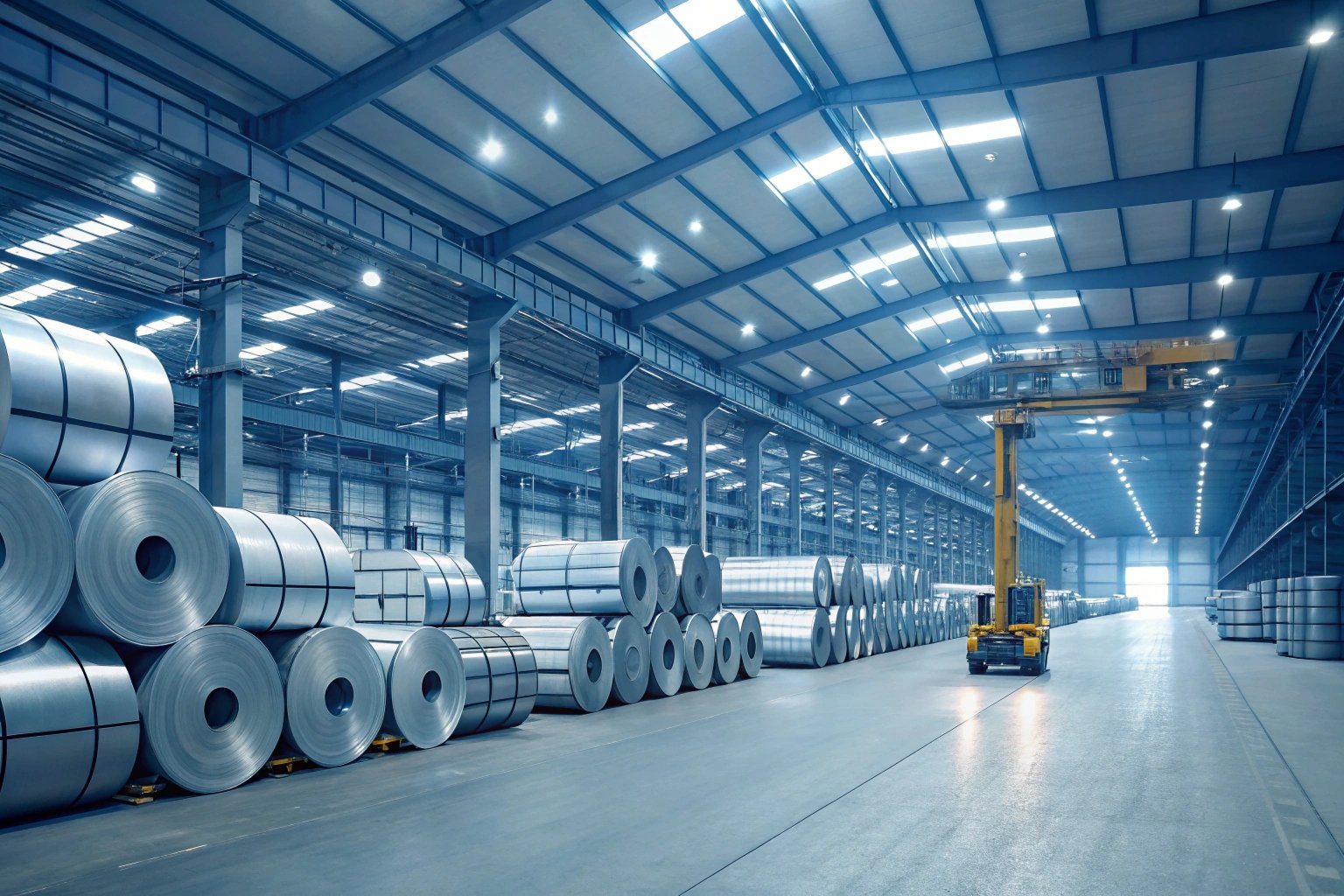
At our facility in Fujian, we maintain 100,000 tons of stock to ensure we can provide both types quickly. If your factory has older lining machines, solvent-based might be easier because it dries faster and is more "forgiving" of slight adjustments. But if you are building a new, sustainable brand, water-based is the path forward. It simplifies your waste management 3 and keeps your facility smelling clean, which is a huge plus for modern audits.
Comparison of Processing Features
| Feature | Water-Based Compound | Solvent-Based Compound |
|---|---|---|
| Drying Speed | Slower (Requires better airflow) | Fast (Flash evaporation) |
| Clean-up | Soap and water | Chemical solvents (MEK/Toluene) |
| Equipment | Standard (Stainless preferred) | Explosion-proof required |
| Storage | Non-hazardous | Flammable storage needed |
Which compound provides a better hermetic seal for vacuum packing?
I understand that a "leaker" is a nightmare for a procurement director like Carlos. When you pull a vacuum, every microscopic gap in that seal is a potential point of failure.
Solvent-based compounds generally offer a more consistent hermetic seal for high-vacuum applications because they create a denser, more rigid gasket with superior adhesion to the tinplate, ensuring the vacuum remains intact throughout a long shelf life.
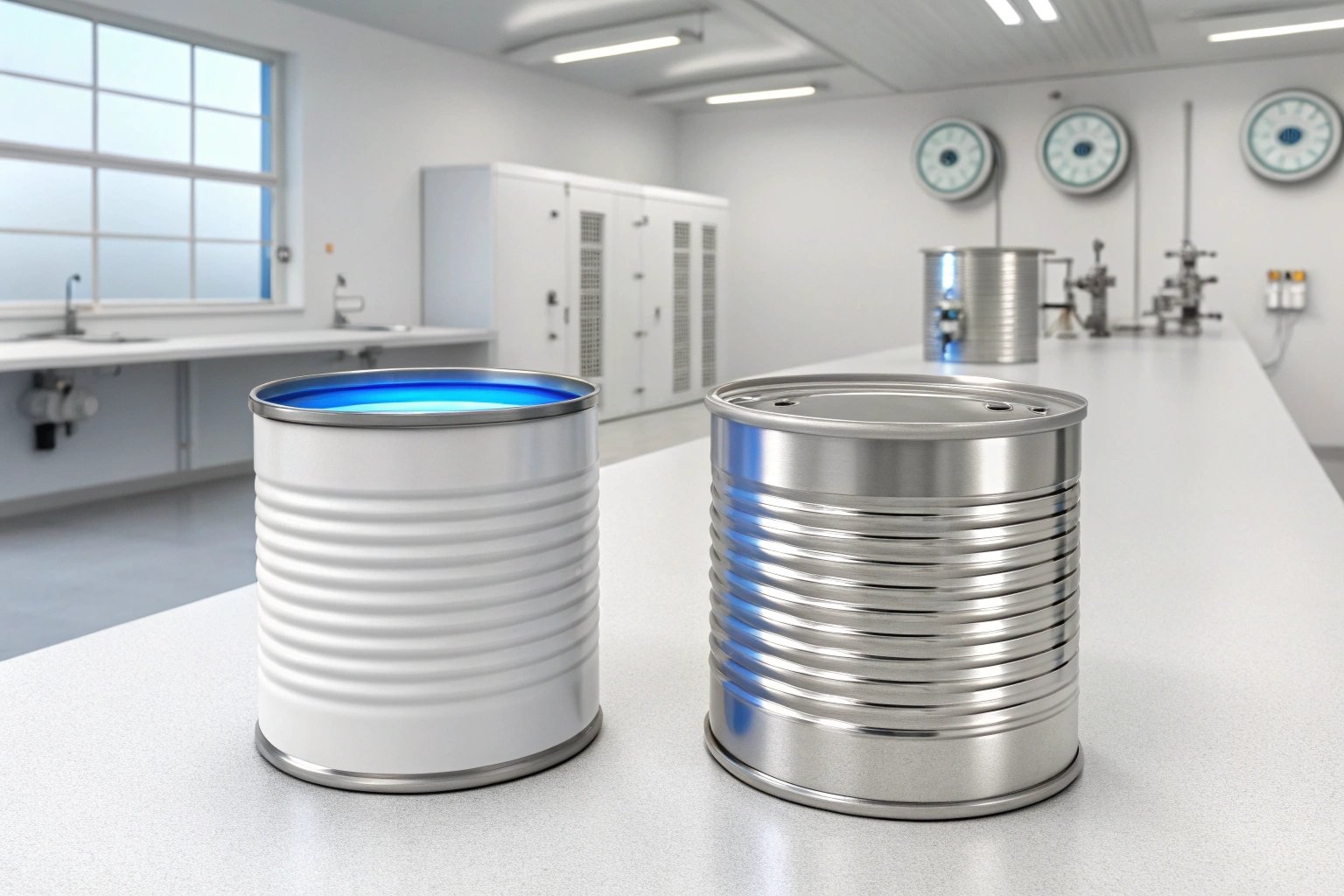
When we talk about vacuum packing, we are talking about the physical strength of the gasket. A solvent-based lining essentially "glues" itself to the tinplate. This bond is very hard to break, even when the can is under internal pressure or external vacuum. For high-end export orders 4 where the can might sit in a hot shipping container for weeks, this extra security is worth the cost. It prevents "micro-leaks" that can cause food to spoil without the can even looking damaged.
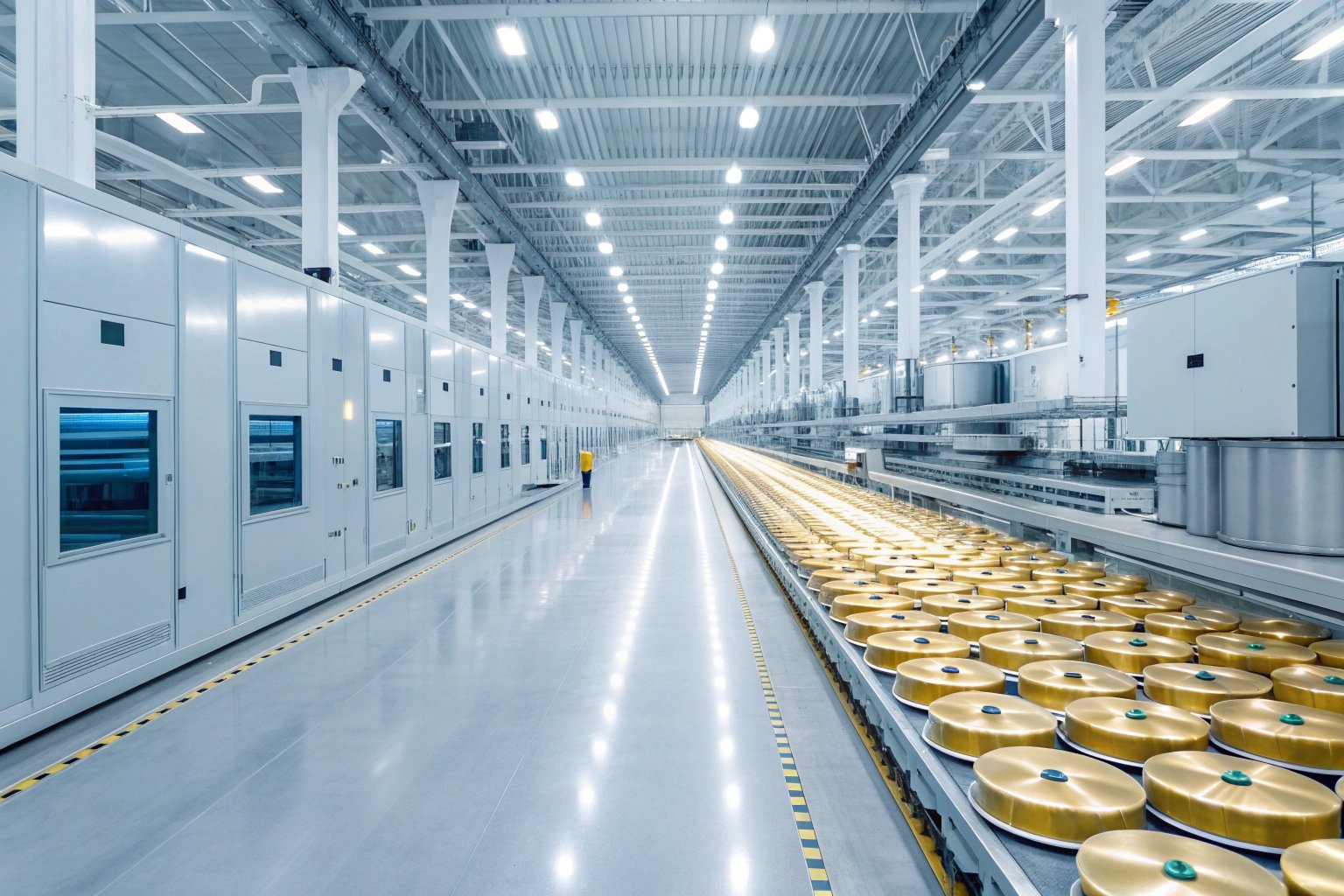
However, water-based technology has closed the gap. Modern water-based dispersions 5 now achieve excellent "flow" into the curl of the lid. This means they fill the seam just as well as solvent versions for 90% of common products like corn or peas. The secret is in the curing. If your ovens are tuned correctly and you remove all the moisture, a water-based seal 6 is incredibly reliable. We use 53 Fuji coating lines to ensure our lids have a perfectly uniform lining, which is the real secret to a perfect vacuum.
Performance by Food Type
| Content Category | Recommended Liner | Reason |
|---|---|---|
| High Vacuum Fruits | Solvent-Based | Superior oxygen barrier |
| Vegetables (Brine) | Water-Based | Cost-effective and stable |
| Carbonated Drinks | Water-Based | Low flavor migration |
| High Fat/Oil Meat | Solvent-Based | Resists oil penetration |
Are water-based compounds compliant with current EU environmental laws?
I see many clients moving to water-based systems simply because the law is forcing their hand. Keeping up with REACH and VOC regulations is a full-time job for many compliance officers.
Yes, water-based compounds are the gold standard for EU compliance, as they eliminate nearly all Volatile Organic Compounds (VOCs), allowing manufacturers to meet REACH standards and avoid the high costs of solvent recovery systems.
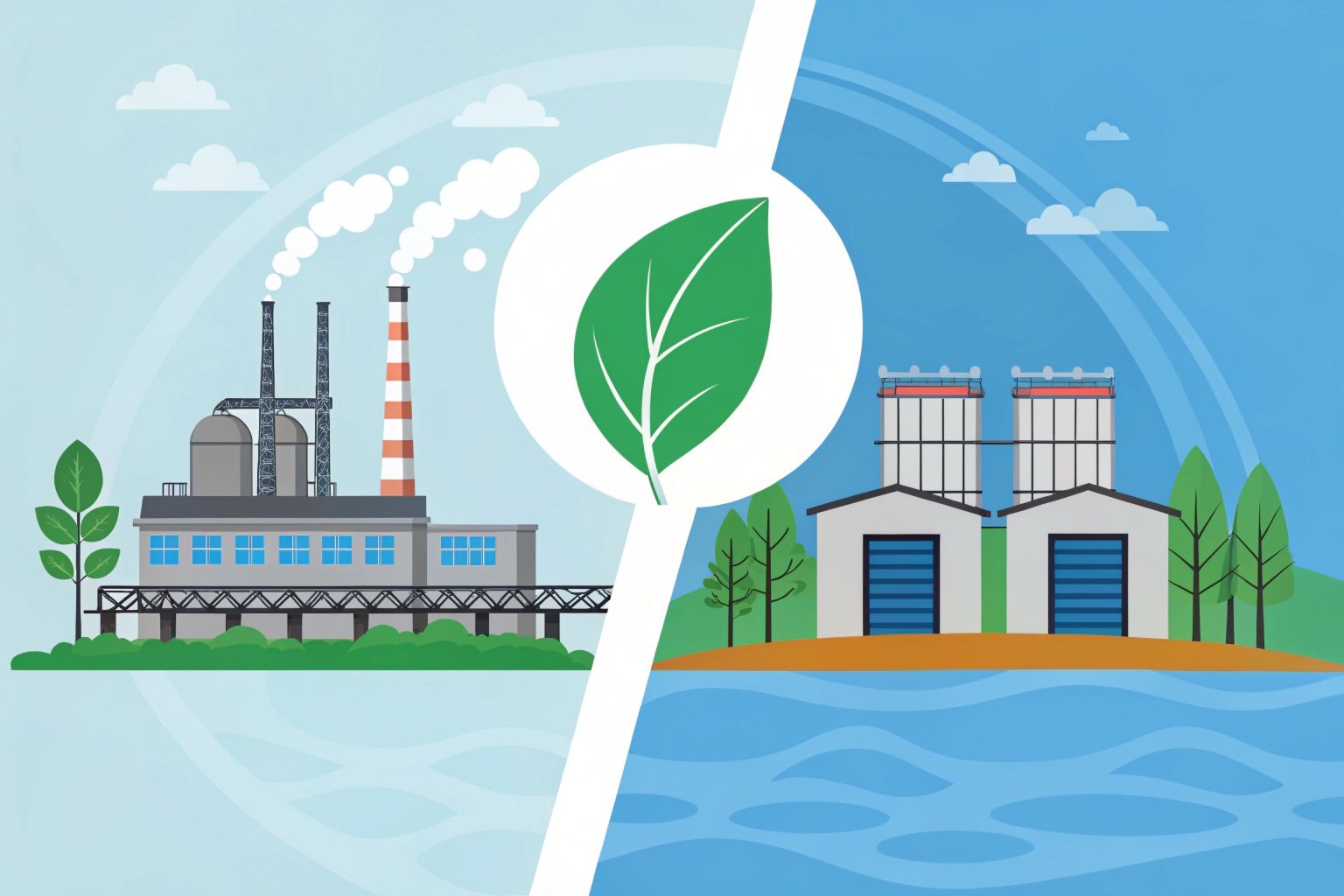
In Europe and North America, the rules are getting tighter every year. If you use solvent-based linings, you often have to install afterburners 7 to burn off the fumes before they hit the atmosphere. This uses a massive amount of gas and increases your carbon footprint. By switching to water-based, you eliminate that entire problem. It makes your factory "greener" overnight. This is a huge selling point when you are dealing with large food brands that have strict ESG goals 8.
At Huajiang, we’ve helped many customers transition. We provide the technical diagnosis needed to make sure your ends don’t rust during the drying process—a common fear with water-based systems. Because our products meet FDA standards 9 and are SGS certified, you can be sure that "going green" won’t result in a "red" balance sheet from quality failures. It’s about being proactive rather than waiting for a fine from an environmental inspector.
Regulatory and Safety Benefits
- Zero Flammability: You save on insurance premiums because your warehouse isn’t a fire hazard.
- Worker Health: No more chemical smells in the lining room, leading to better employee retention.
- Simplified Shipping: Water-based compounds aren’t classified as "Dangerous Goods," lowering logistics costs.
How does the lining compound affect the aging process of the seal?
I have seen cans that look perfect in the factory but fail six months later in a warehouse in Mexico or Spain. The "aging" of the rubber gasket is what determines your true shelf life.
The lining compound dictates the gasket’s long-term elasticity; solvent-based linings are historically more stable against chemical degradation from the food, while water-based linings are less likely to become brittle or "chalky" over time in non-aggressive environments.
Aging is about how the polymer inside the seal reacts to time and temperature. Solvent-based linings are like a "tough old boot"—they are very stable and don’t change much once they are cured. This is why they are still the favorite for products that need a 3-year shelf life. They resist the salts and acids that try to eat away at the seal. If your customer is storing cans in a hot, humid environment, the chemical stability 10 of a solvent-based liner provides a safety margin that is hard to beat.
On the other hand, water-based liners have the advantage of being "cleaner." They don’t have residual solvents that can slowly evaporate or migrate into the food, which can sometimes affect the taste of sensitive products like water or light juices. For a modern factory, the goal is to match the liner to the expected life of the can. If your product moves fast—like pet food or seasonal vegetables—water-based aging is perfectly acceptable and often more cost-effective. We always look at the content’s acidity and sterilization heat before recommending a specific formula.
Aging Risk Factors
- Retort Temperature: Higher heat (121°C+) speeds up the aging of the seal.
- Storage Humidity: High humidity can cause "under-film corrosion" if the liner doesn’t adhere perfectly.
- Acid Content: Very low pH foods (like pickles) require specialized solvent or high-performance water-based liners.
Conclusion
Choosing between water-based and solvent-based lining is a strategic decision for your business. Water-based is the future for safety and law, while solvent-based remains a powerhouse for specialty needs.
Footnotes
1. Explore official EU taxation policies regarding environmental pollutants and VOC emissions. ↩︎
2. Technical explanation of how polymer networks provide structural integrity in industrial coatings. ↩︎
3. Comprehensive guide to managing hazardous waste and achieving industrial compliance. ↩︎
4. Resources for managing international trade and ensuring high-quality export standards. ↩︎
5. Scientific overview of chemical dispersions used in water-based lining technologies. ↩︎
6. Industry news and technical updates on modern coating and sealing advancements. ↩︎
7. Information on air pollution control technologies used in manufacturing facilities. ↩︎
8. Definition and importance of ESG criteria in modern global business strategies. ↩︎
9. Official FDA guidelines for materials used in food packaging and contact surfaces. ↩︎
10. Deep dive into the chemical stability of materials under extreme environmental conditions. ↩︎