
I know the panic of a stopped canning line during harvest season. It’s a nightmare. But what if your supplier’s warehouse could save you from that disaster?
Sourcing from a supplier with massive inventory ensures continuous production during raw material shortages. It stabilizes your costs against steel price volatility and guarantees rapid delivery for urgent orders, preventing revenue loss.
Let’s look at how my 100,000-ton stockpile directly benefits your business and keeps your operations safe.
How does your large inventory protect me from raw material shortages?
The global steel supply chain 1 is fragile. One delay at a port can ruin your production schedule. I hate seeing clients suffer because of upstream issues.
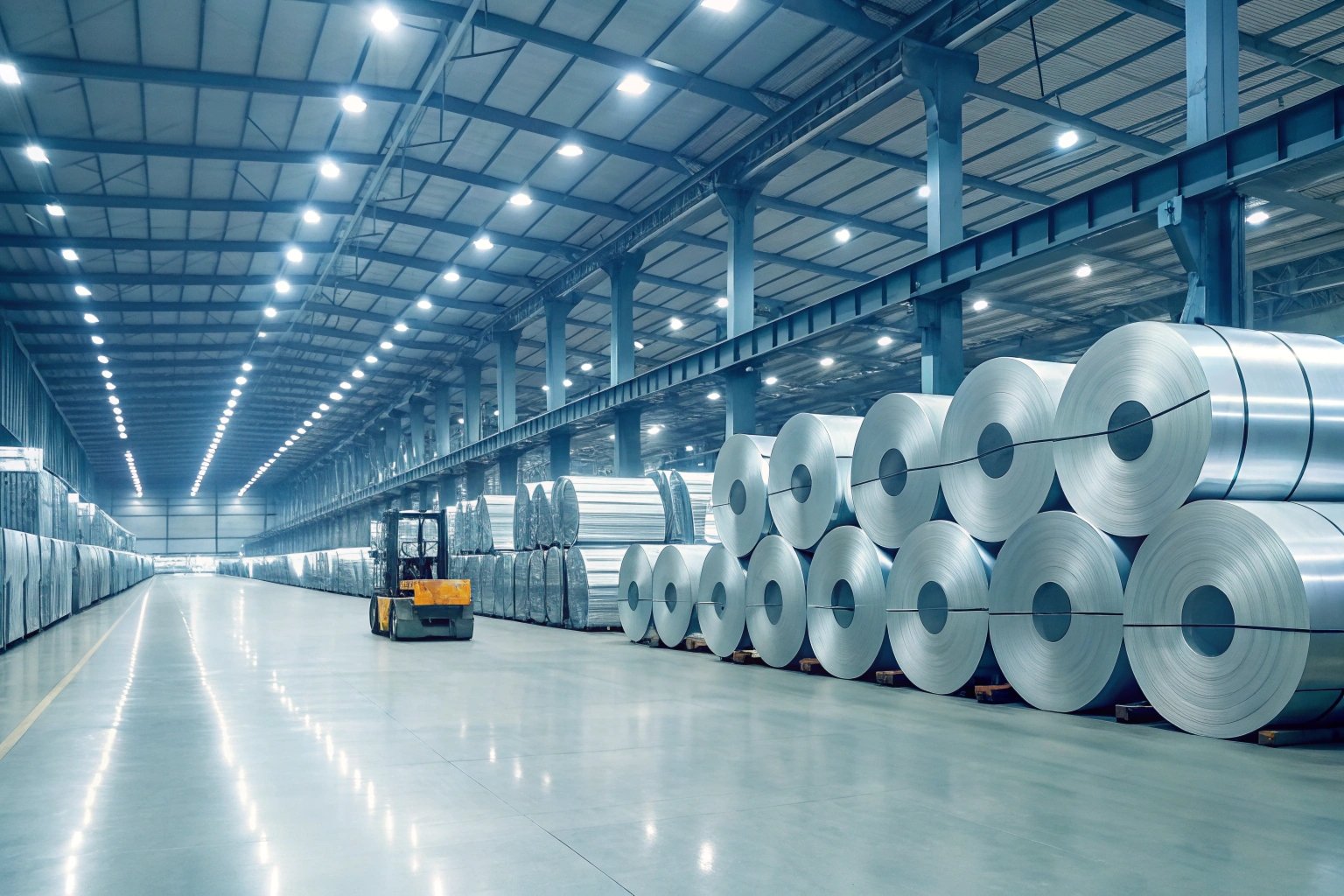
A large inventory acts as a strategic buffer, decoupling your production from global supply chain disruptions. By holding extensive stock, I ensure your canning lines keep running even when the market faces severe raw material scarcity.
When we talk about supply chain security, we have to look at the reality of the metal packaging industry. Global events, shipping crisis, or even a sudden strike at a major steel mill can halt the flow of tinplate. For a cannery manager, this is the worst-case scenario. If you cannot get the bottom ends to seal your cans, your fresh produce—whether it is tomatoes in Spain or fruit in Thailand—will rot.
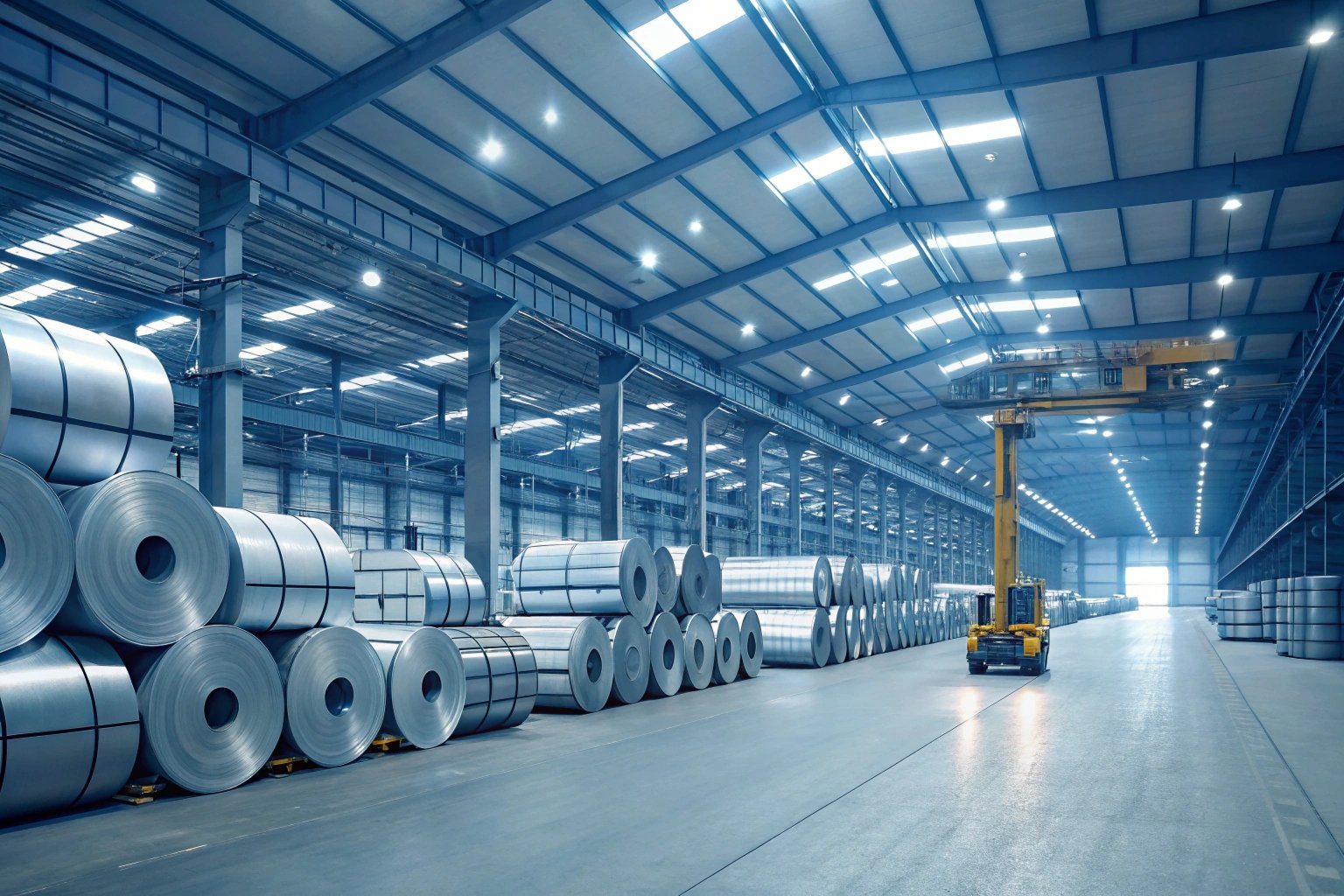
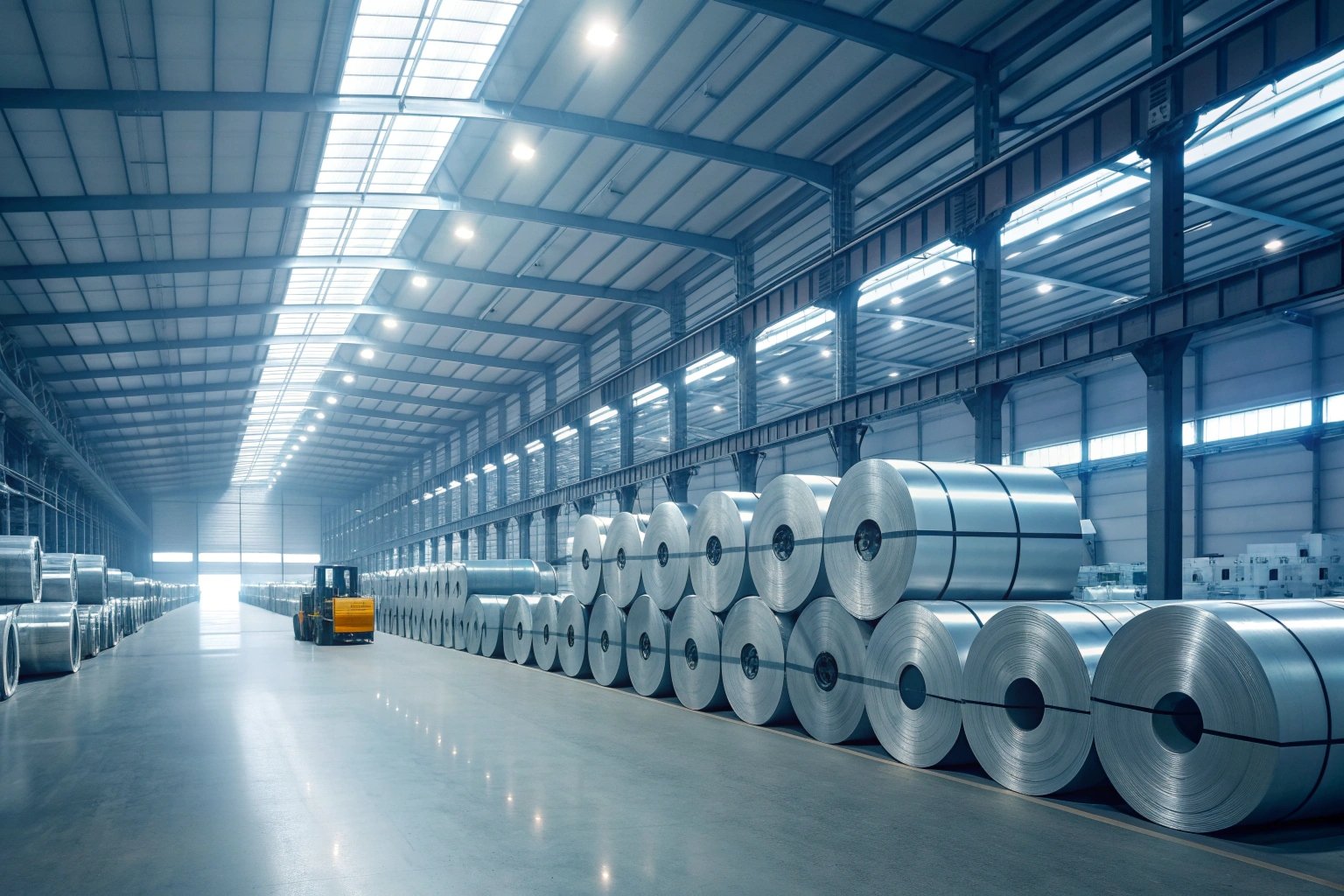
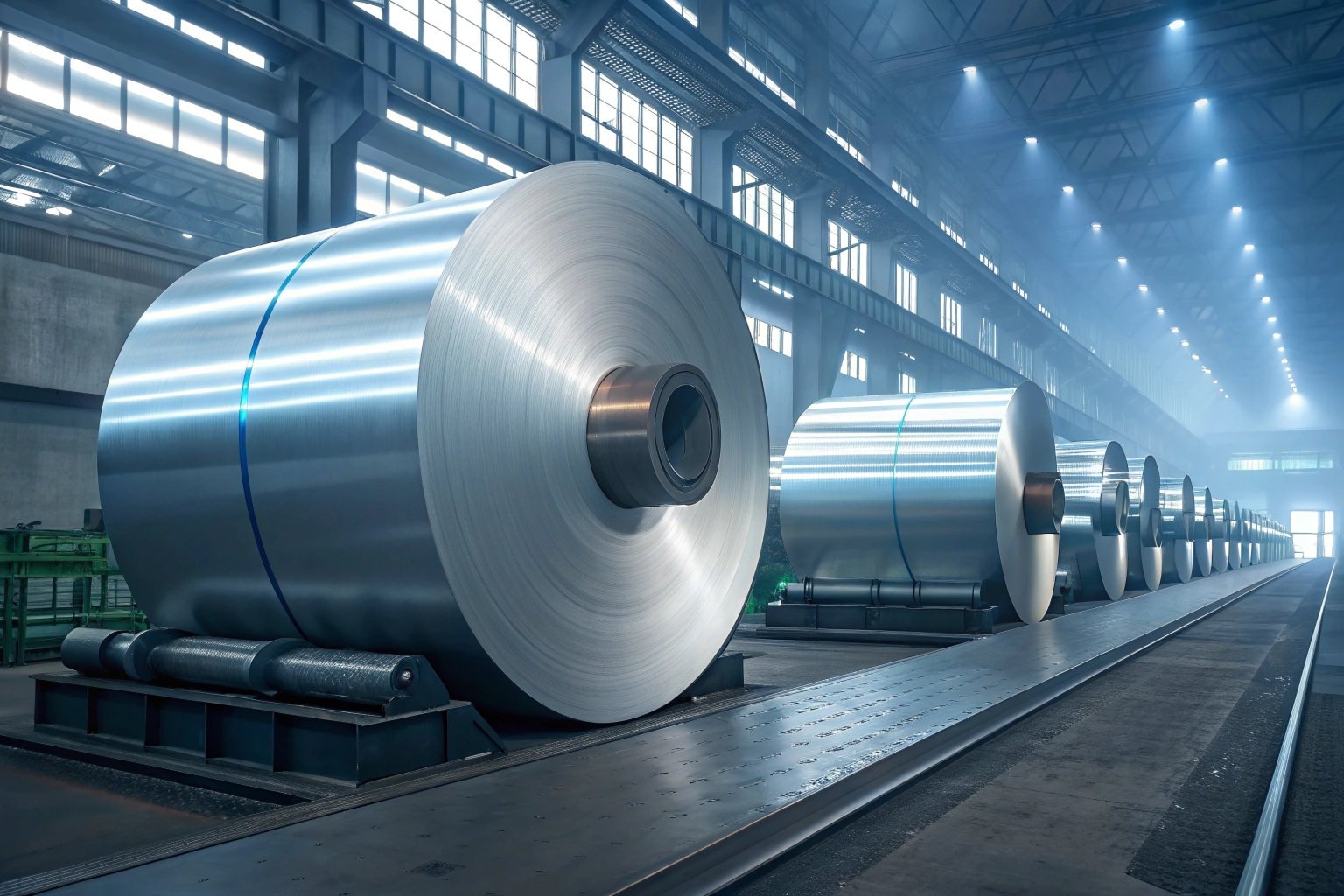
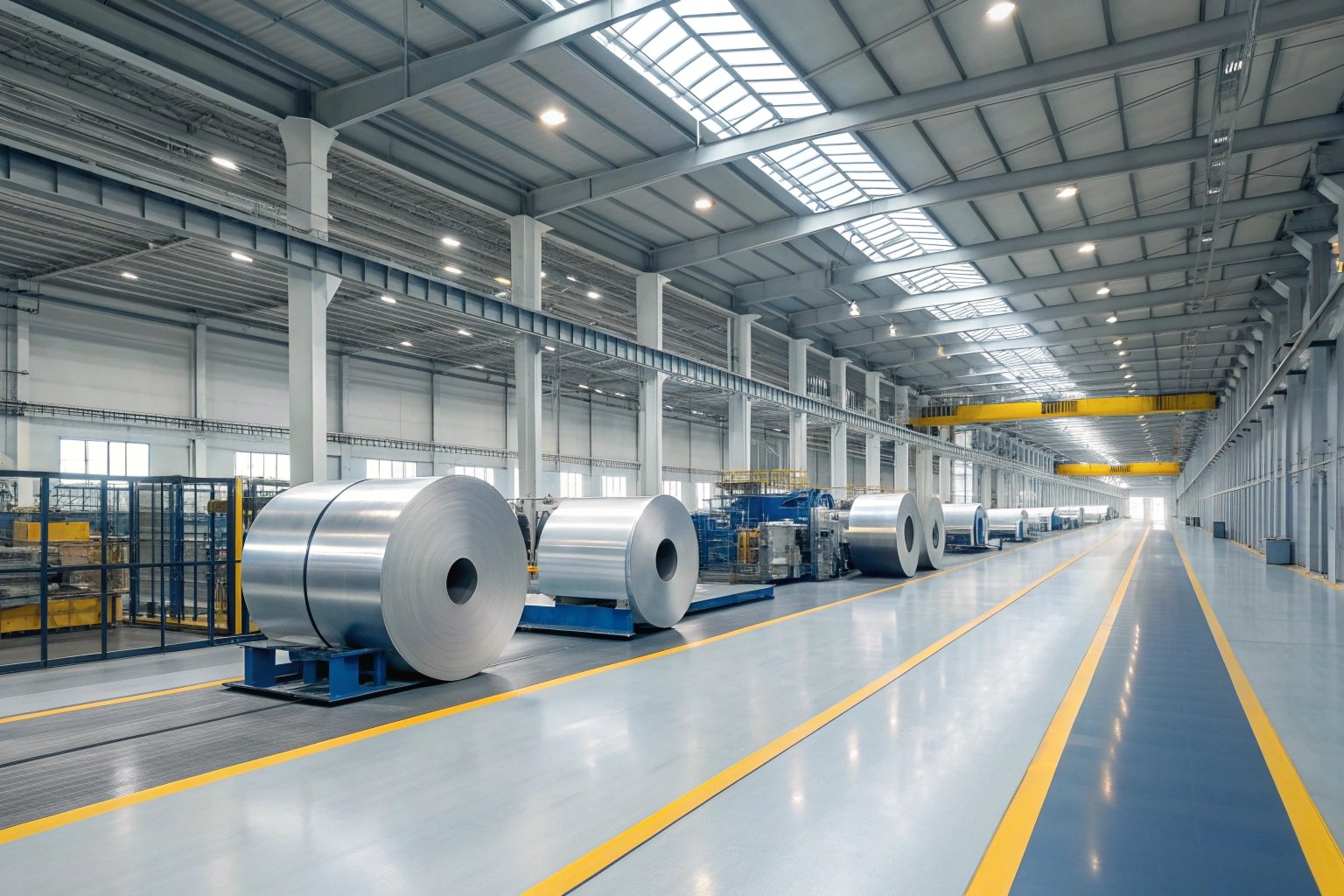
This is where my business model at Huajiang makes a massive difference for you. We do not just buy steel when we get an order. We maintain a constant stock of nearly 100,000 tons of tinplate and chrome-plated coils (TFS) 2 from top mills like Baosteel and Shougang. Think of this as a giant reservoir. Even if the "river" of global steel supply dries up for a few months, our reservoir is full enough to keep your factory running without interruption.
The "Bullwhip Effect" in Packaging
In supply chain theory, small fluctuations upstream can cause massive shortages downstream. By holding a massive physical inventory, I absorb these shocks so you do not feel them. You get the stability of a local partner with the pricing of a global manufacturer. This mitigates the Bullwhip Effect 3 often seen in manufacturing.
Comparing Risk Profiles
To help you understand the value of this buffer, look at the difference between a standard supplier and a high-inventory supplier like us:
| Feature | Standard Supplier (Just-in-Time 4) | Huajiang (High Inventory) |
|---|---|---|
| Reaction to Steel Shortage | Delays your order by weeks or months. | Fills your order immediately from stock. |
| Risk of Line Stoppage | High risk during global disruptions. | Near-zero risk due to buffer stock. |
| Material Origin | Dependent on current market availability. | Consistent, pre-vetted material from top mills. |
| Stress Level | High uncertainty during peak season. | Peace of mind year-round. |
This protection is vital for high-volume canning. You need to know that your bottom ends are sitting in my warehouse in Fujian, ready to go, rather than waiting to be melted down at a steel mill.
Can I get faster shipping if you have the coil stock available?
Time is money, especially when your customers are screaming for product. Waiting 60 days for a new production run is often not an option.
Yes, having coil stock available significantly reduces lead times by eliminating the raw material procurement phase. We can jump straight to cutting, coating, and stamping, often cutting delivery schedules by weeks compared to competitors.
Speed is often the deciding factor in who wins a contract. In the traditional manufacturing model, when you place an order for 307 or 401 bottom ends, the factory has to turn around and order the steel coil. That procurement step 5 alone can take 30 to 45 days. Only after the steel arrives can they start printing and stamping. By that time, your market opportunity might be gone.
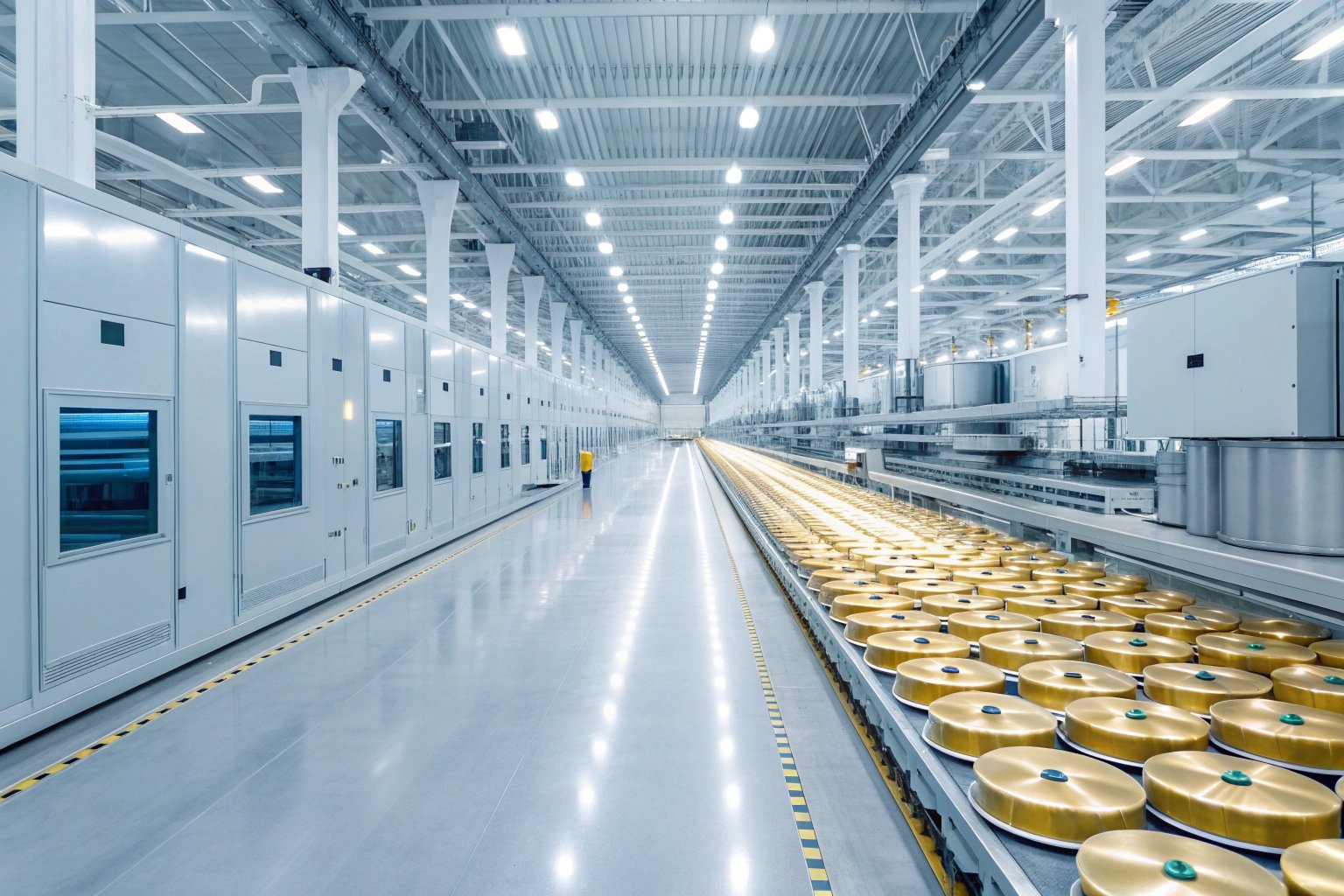
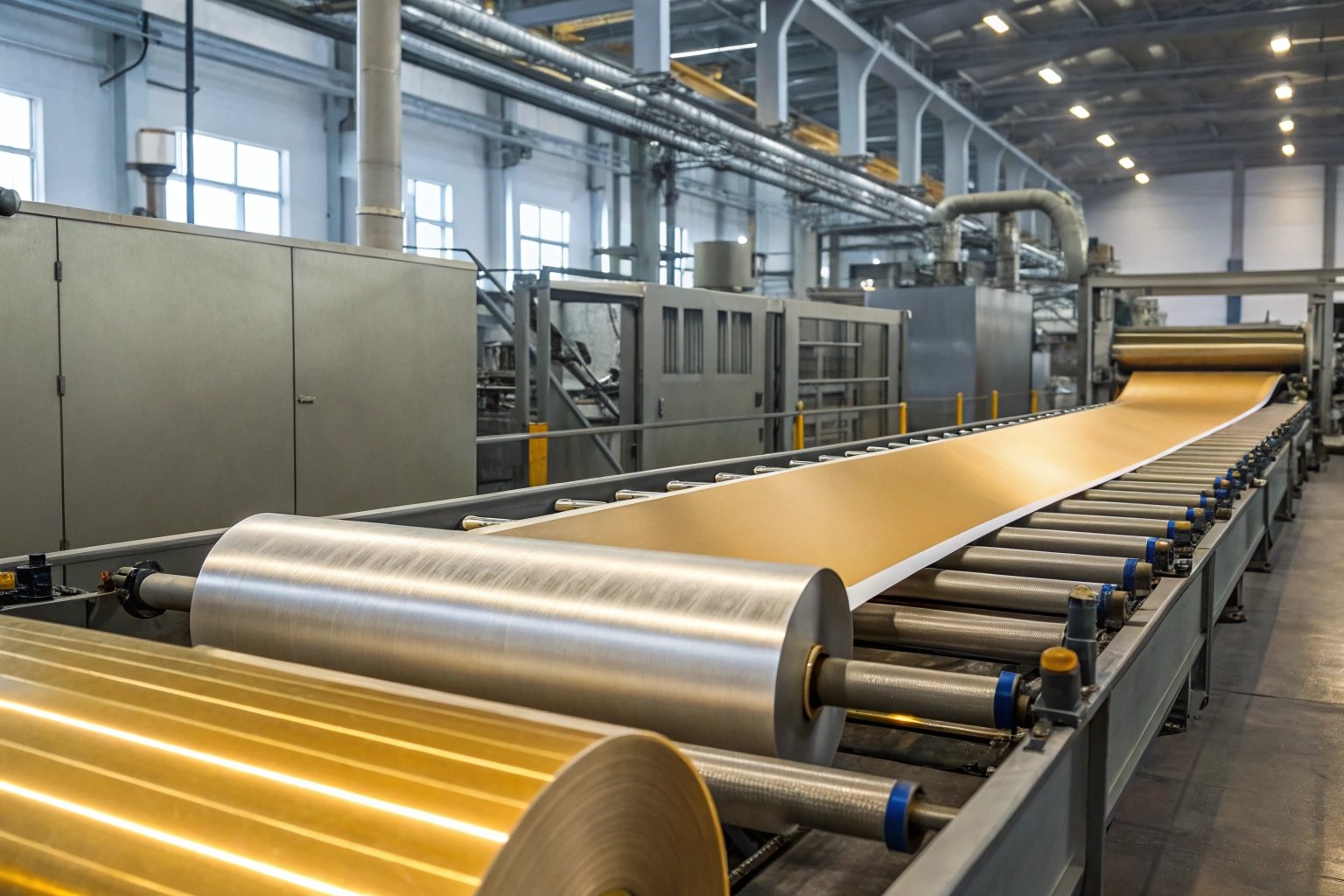
Because I hold the master coils in stock, we skip that entire waiting period. The moment you confirm your order, we pull the coil from our warehouse. We immediately move it to one of our 53 Fuji coating lines. We do not wait for the steel mill; we start working for you on Day 1. This ability to "jump the queue" is how we help our partners in Mexico and Europe react to sudden market demands.
The Production Timeline Advantage
Let’s break down where we save time. The process of making a sanitary can end involves several steps: lacquering 6, curing, cutting, and stamping. The longest variable is usually getting the raw metal.
- Standard Process: Order Coil (30 days) -> Transport (5 days) -> Coat/Print (5 days) -> Stamp (3 days). Total: ~43+ days.
- Huajiang Process: Pull Stock (1 hour) -> Coat/Print (5 days) -> Stamp (3 days). Total: ~8-10 days.
This speed does not just mean you get product faster; it means you can hold less inventory yourself. You do not need to tie up your cash flow stocking six months of lids because you know I can replenish you in a fraction of the time.
Flexibility in Coating
Another aspect of speed is the ability to customize quickly. Since we have the raw "bright" plate (uncoated tinplate) in stock, we can apply the specific interior lacquer you need based on your food product. Whether you need an aluminized spray for high-sulfur meats or a gold epoxy for acidic fruits, we apply the coating to the raw stock immediately. We don’t have to hunt for pre-coated metal that might not match your specs.
Will a massive inventory help stabilize my unit price during inflation?
Steel prices fluctuate wildly. Trying to budget for next year feels like gambling. I believe you deserve predictable costs, not nasty surprises.
Absolutely. Large inventory allows us to average out material costs over time. Because I buy thousands of tons when prices are low, I can shield you from sudden market spikes, offering more stable and predictable pricing.
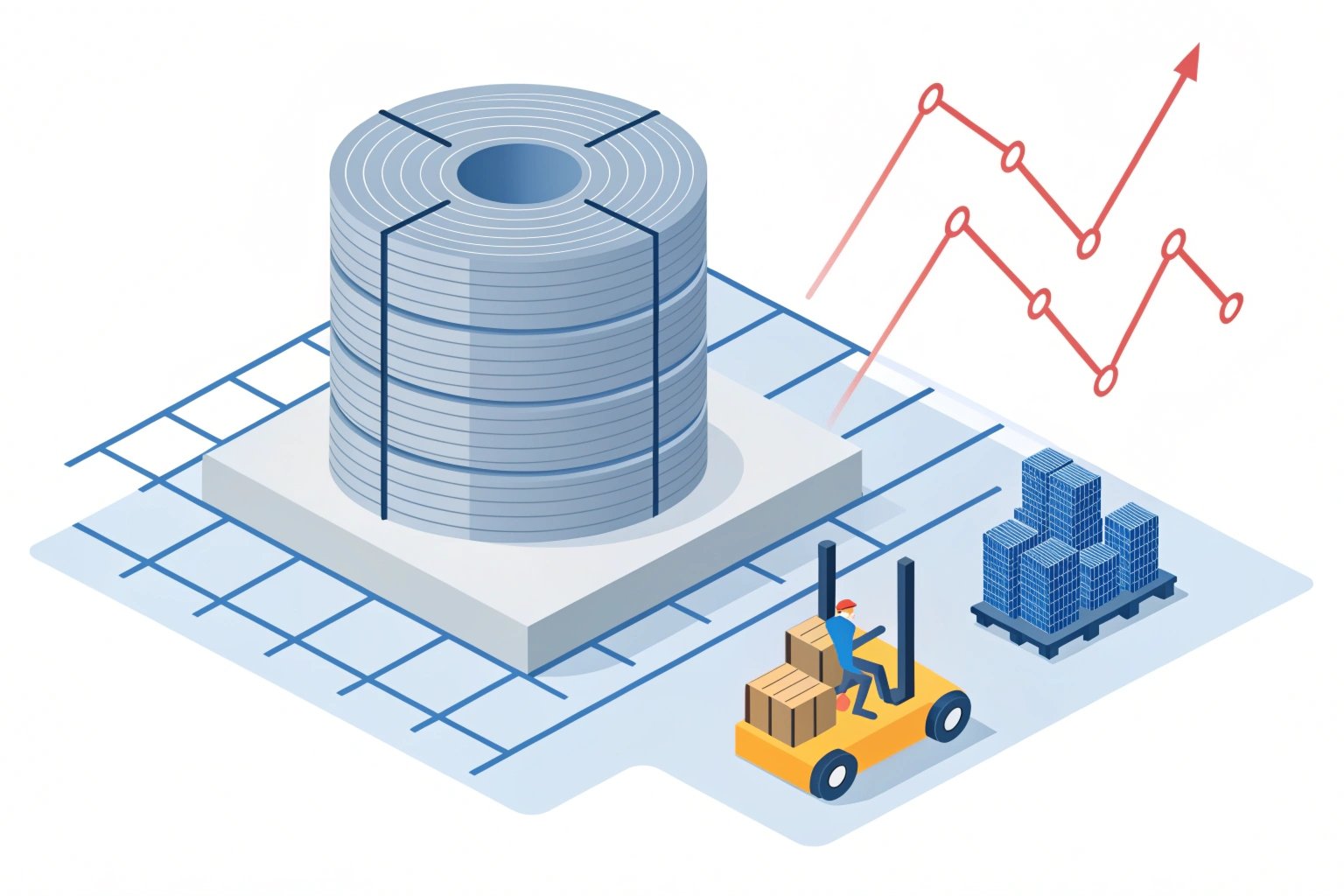
Price volatility is the enemy of long-term planning. I know that as a buyer, you have set prices with your retail customers. If the price of tinplate jumps 20% overnight because of a market fluctuation 7, that margin comes directly out of your pocket. This is a common pain point for buyers who rely on smaller factories that buy material at "spot prices."
My strategy is different. Because Huajiang buys in massive volume—often securing 10,000 tons at a time—we have strong bargaining power with the steel mills. More importantly, we buy when the market dips. This allows us to build a "low-cost position." When the market price eventually rises, I am still sitting on inventory that I bought at a lower price.
Sharing the Benefit
I pass this stability on to you. Instead of changing your price every week based on the daily steel index, I can offer price validity for longer periods. This allows you to sign annual contracts with your customers without fear that your raw material costs will explode mid-year.
Inventory as a Financial Hedge
Think of my warehouse as a bank. We deposit steel when it is cheap.
Here is a simplified look at how this impacts your unit cost:
| Market Scenario | Small Supplier Action | Huajiang Action | Impact on Your Price |
|---|---|---|---|
| Steel Price Spikes | Must buy expensive steel immediately. | Uses existing low-cost stock. | Your price stays stable. |
| Supply Shortage | Pays premium to get any material. | No need to buy; uses reserve. | Your price stays stable. |
| Currency Fluctuation | Passes currency loss to you. | Hedged by physical assets. | Minimal impact. |
By smoothing out the peaks and valleys of the market, I help you maintain a consistent profit margin. You are not just buying a metal lid; you are buying financial predictability. This is crucial for long-term growth in competitive markets like South America and Europe.
Do you keep my specific sizes in stock for emergency orders?
Standard sizes are easy, but what about your custom specs? When you need a specific diameter fast, "standard" answers don’t help.
For our long-term partners, we maintain strategic safety stocks of specific sizes like 307 or 401 ends. This dedicated inventory ensures that even unexpected demand spikes or emergency orders are fulfilled immediately without production delays.
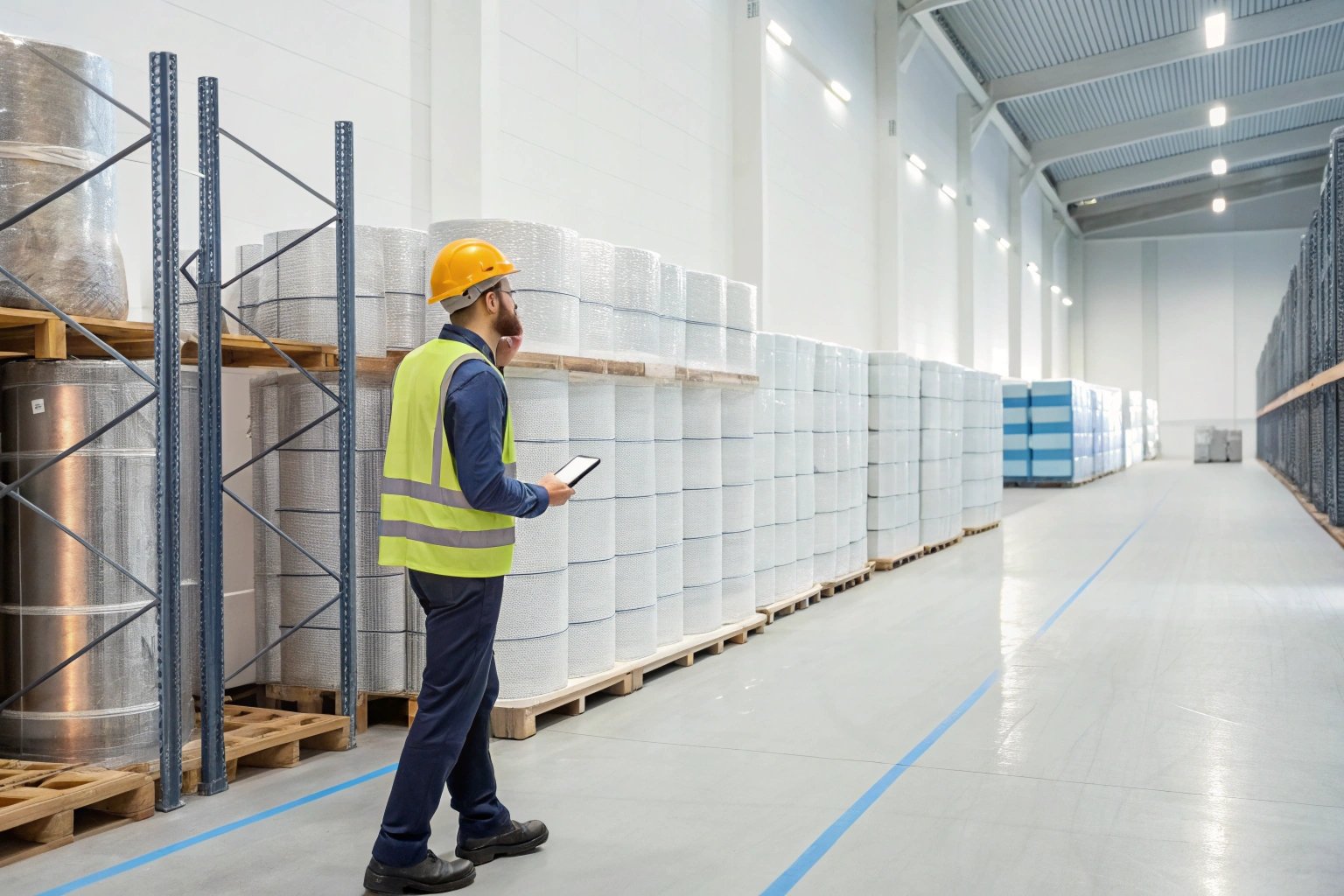
While having raw coils is great, having finished goods is even better for emergencies. I understand that in the food industry, demand is not always linear. Sometimes a harvest is bigger than expected, or a competitor fails, and you suddenly get a huge order from a supermarket chain. You need lids now, not in two weeks.
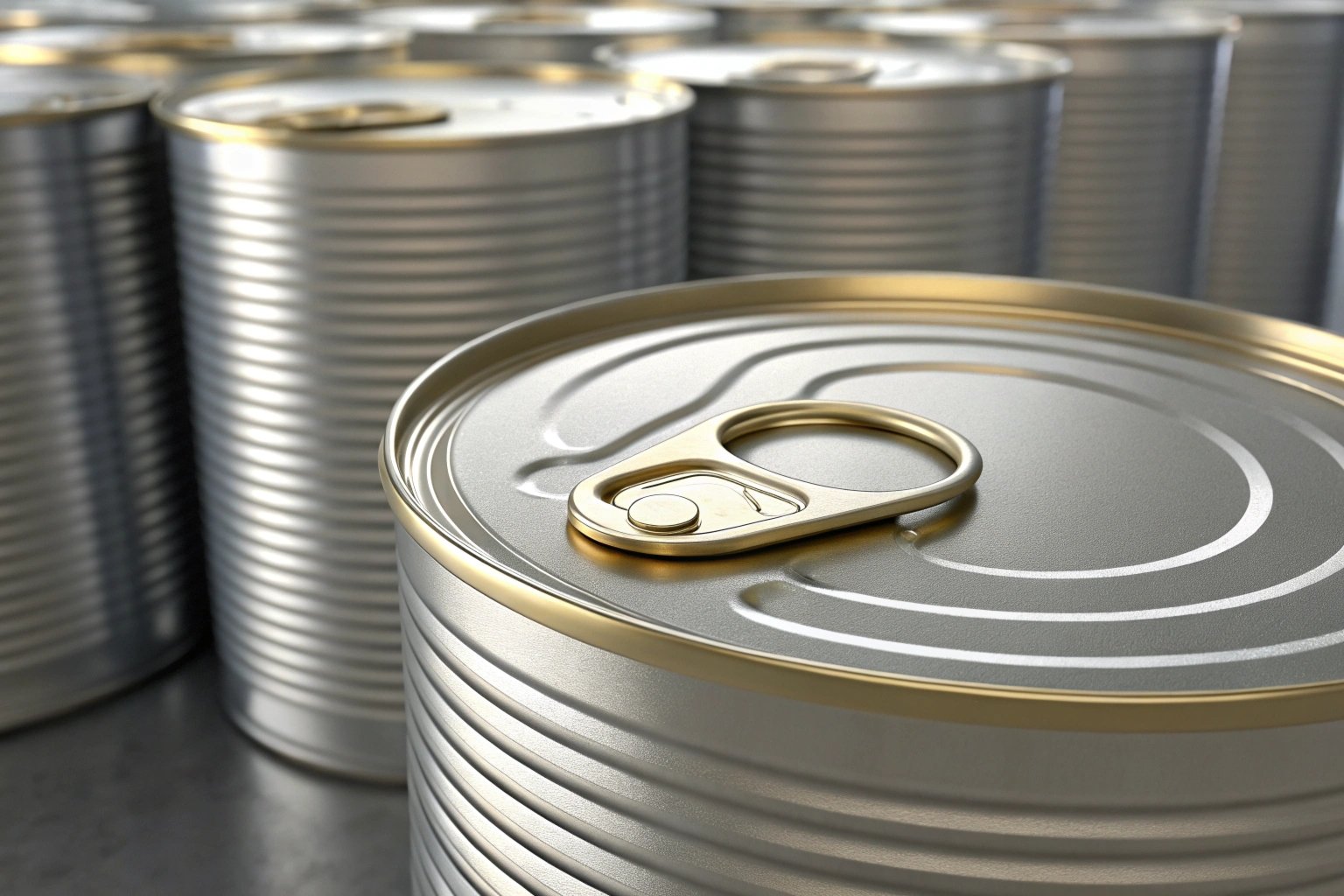
For my regular customers (like Carlos), we implement a Vendor Managed Inventory 8 (VMI) style approach. Once we understand your annual consumption, we do not just wait for your order. We proactively manufacture a buffer stock of your specific sizes—whether it is a 307E (83mm) or a 401E (99mm) Easy Open End. We keep these in our humidity-controlled warehouses, ready to ship.
The Safety of "Ready-to-Ship"
This is particularly important for specialized items. If you use a specific printing design or a special food-grade lacquer (like BPA-NI 9), waiting for a new print run takes time. By keeping a portion of your forecasted volume as finished goods, we eliminate the printing and curing time completely for urgent top-ups.
Managing Quality Over Time
You might worry about rust or degradation if products sit in a warehouse. This is where our facility quality matters. We treat finished inventory with the same care as fresh production:
- Climate Control: Our warehouses monitor humidity to prevent moisture attacks on the cut edges of the ends.
- Packaging: We use robust packaging with moisture-barrier liners to ensure the ends remain pristine.
- FIFO (First-In, First-Out) 10: We manage stock rotation strictly so you never receive "old" product.
Strategic Stocking Plan
We categorize products to maximize your protection while minimizing waste:
| Product Type | Example | Stocking Strategy | Benefit |
|---|---|---|---|
| Universal Sizes | 202/211/300 Normal Ends | High Volume Stock | Immediate shipment for anyone. |
| Customer Specific | Printed 401 EOE | Dedicated Safety Stock | Your brand is always ready. |
| Niche/Low Volume | Square/Oval Ends | Raw Material Stock | Quick production, low liability. |
This tiered approach means that for your core products, we are effectively your external warehouse. You save on storage space and costs, while I take on the inventory responsibility. It is a partnership that allows you to be agile without being asset-heavy.
Conclusion
A massive inventory is not just about storing metal; it is about buying you speed, price stability, and safety. It protects your business from global chaos and keeps your lines running.
Footnotes
1. Analysis of risks and resilience strategies within the global steel industry. ↩︎
2. Technical specifications for Electrolytic Chromium Coated Steel (ECCS/TFS). ↩︎
3. Definition of how upstream fluctuations cause larger downstream supply chain issues. ↩︎
4. Explanation of inventory management strategies that minimize holding costs. ↩︎
5. Overview of the strategic process for obtaining goods and services. ↩︎
6. Details on protective coatings used in metal packaging for food safety. ↩︎
7. Understanding how statistical dispersion of returns affects market stability. ↩︎
8. Supply chain agreement where the supplier manages the buyer’s inventory. ↩︎
9. Information on Bisphenol A non-intent coatings for food contact safety. ↩︎
10. Asset management method where the oldest inventory items are sold first. ↩︎