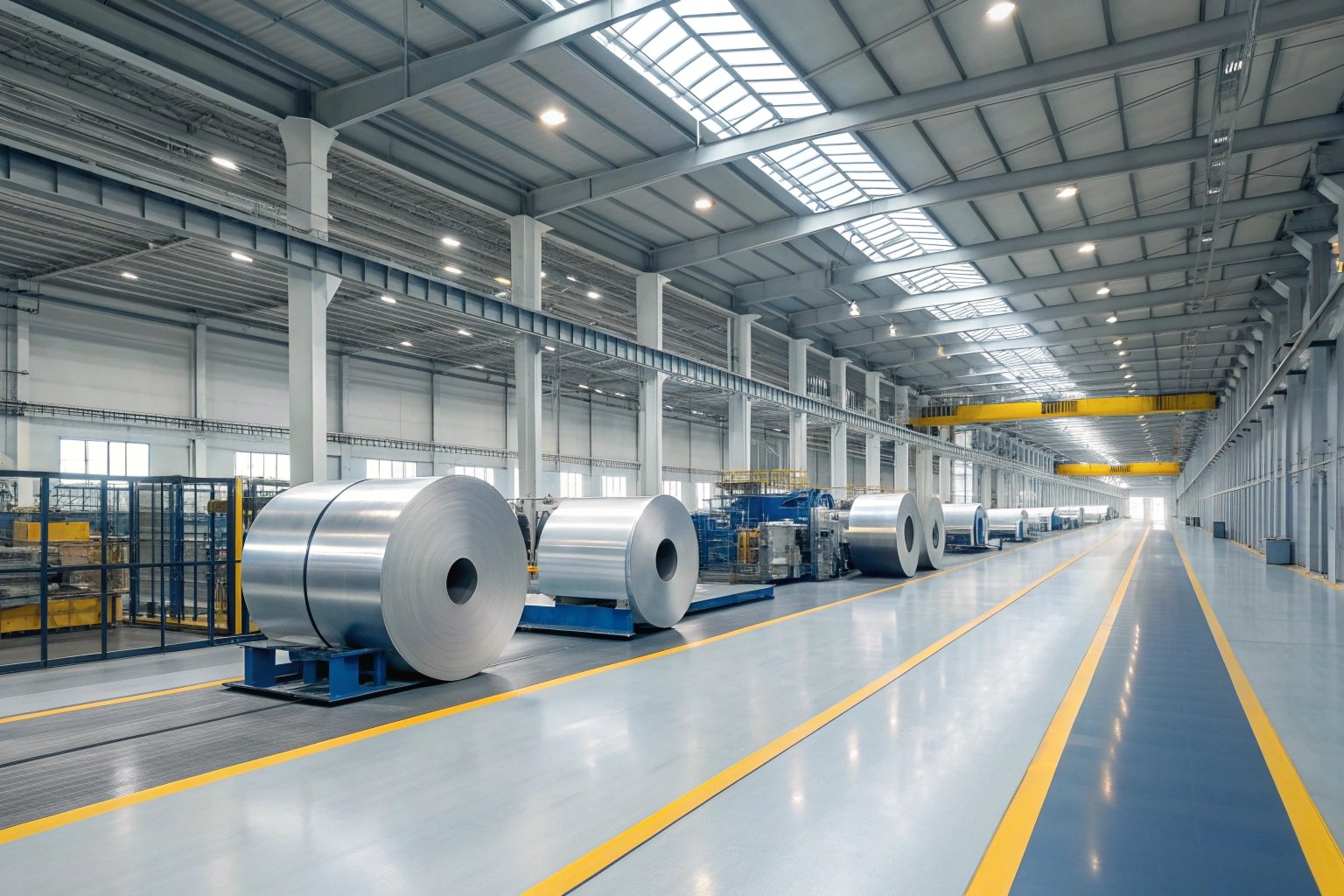

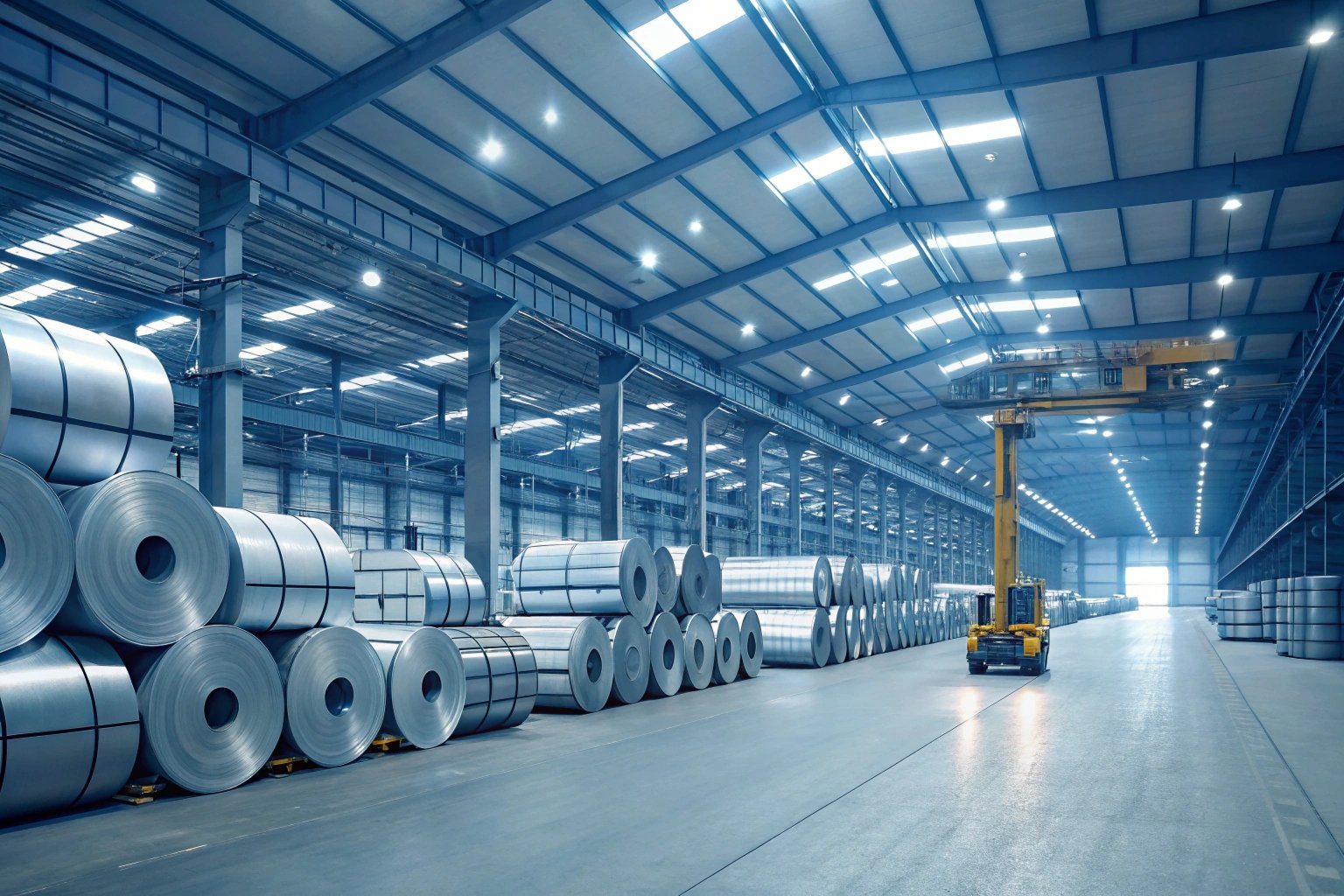
I often see production reports that make my heart sink. You look at the raw material entering the factory and the finished products leaving, and the numbers do not match. Somewhere in the middle, good money is disappearing into the scrap bin. If you are buying tinplate bottom ends 1, you might feel this pain in your unit price without even knowing why.
Efficient scrap management is the hidden lever we use to control costs for high-volume buyers. By switching from straight to scroll shearing, we increase material yield by 8% to 12%. Furthermore, sorting waste streams creates a revenue return loop, allowing us to keep your prices stable even when steel markets fluctuate.
We need to stop looking at scrap as just "trash." In my business, scrap is a resource that has simply lost its way. When I optimize how we cut every sheet of tinplate, I am not just tidying up the factory floor. I am directly attacking the overhead costs that usually end up on your invoice. Let me explain how we turn waste reduction into your profit margin.
How does efficient scrap management lower my final purchasing price?
Every time I walk past a bin full of metal skeletons—the leftovers after stamping—I see wasted dollars. You might worry that high raw material costs are eating into your budget. It is frustrating to pay for steel that never actually makes it onto your can, isn’t it?
Scrap management lowers your price by maximizing the number of lids we get from a single ton of tinplate. By using advanced nesting software and scroll shearing, we reduce the "web" waste between cuts. This higher utilization rate means you pay for more product and less waste.
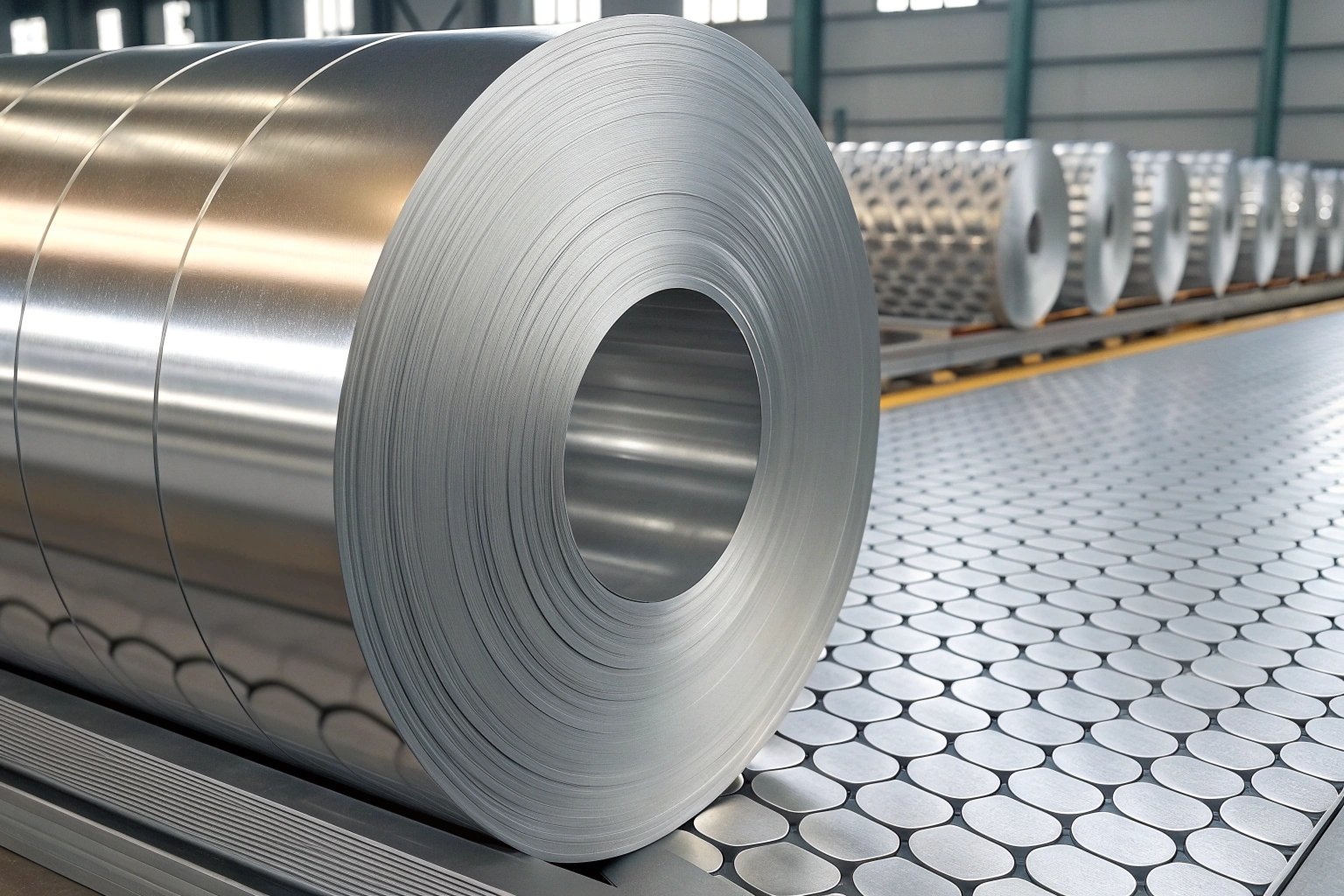
To understand the real impact on price, we have to look at the Yield Rate 2. This is the percentage of the tinplate coil that actually becomes a finished product. In the traditional stamping world, this number was often disappointingly low.
When we process orders for massive clients—like those needing millions of 401E ends for vegetables or fruits—raw material accounts for nearly 70% to 80% of the total cost. If I waste 20% of that material, I have to charge you more to cover that loss. There is no way around it.
The Power of Scroll Shearing
The biggest game-changer in my factory has been the shift from straight shearing to Scroll Shearing 3 (often called zigzag shearing). Imagine trying to cut circles out of a rectangular piece of paper. If you line them up in straight rows and columns, you leave large diamond-shaped gaps between the circles. That is waste.
Scroll shearing changes the shape of the tinplate sheet before it even hits the stamping press. We cut the edge of the sheet in a wave pattern that matches the shape of the round ends. This allows the circles to "nest" deeply into each other, like fitting puzzle pieces together.
Here is how this translates to raw numbers:
- Straight Shearing: Often results in a material utilization of only 75% to 78%.
- Scroll Shearing: Pushes utilization up to 85% or even 92% for certain sizes.
Inventory Depth Matches Coil Width
Another factor is our inventory. Because we keep 100,000 tons of coil in stock from mills like Baowu 4, I usually have the exact right width for your specific bottom end size.
If a factory only stocks standard widths, they might have to use a 1000mm wide coil to make a product that fits best on a 980mm layout. That extra 20mm is trimmed off the side and thrown away. That is a 2% loss right there. Because I have a massive stock, I can pick the coil that minimizes side trim waste.
I treat these savings as a buffer. When the global steel price jumps up by 5%, I do not always have to pass that increase to you immediately. I can often absorb it by improving my yield efficiency. This keeps your pricing consistent, which I know is vital when you are planning annual budgets for a large food group.
Material Utilization Comparison
| Cutting Method | Waste Description | Typical Yield % | Impact on Unit Cost |
|---|---|---|---|
| Straight Shearing | Large diamond gaps between circles; significant side trim. | 75% – 78% | High (pays for 25% waste) |
| Scroll Shearing | Tight nesting; wavy edge follows product shape. | 88% – 92% | Low (pays for <10% waste) |
| Optimized Coil Width | Minimal edge trimming; matched to die size. | +2% to +5% Bonus | Very Low |
Does the use of scroll shearing affect the quality of the cut edge?
You might be asking, "If you are cutting corners to save money, are you compromising the safety of my food cans?" It is a valid fear. You cannot afford to have a jagged edge or a damaged coating on a can of acidic tomato paste.
Scroll shearing actually improves edge quality when executed with high-precision dies. Unlike straight cuts which can stress the metal, the scroll pattern follows the natural geometry of the lid. This results in cleaner edges, fewer burrs, and less risk of coating micro-cracks.

The concern about edge quality is something I take very seriously. In the canning industry, especially for high-acid foods like pineapples or pickles, the integrity of the cut edge (the "cut edge corrosion" risk) is critical. If the lacquer chips off during the shearing process, the iron is exposed. Eventually, the acid eats through, and you get a swollen can or a leak.
Precision is Key
Some buyers assume that because scroll shearing is more complex, it is "rougher" on the metal. The opposite is true in my experience, provided you have the right equipment. We use Japanese Fuji coating lines and high-speed stamping presses that are calibrated to the micron.
When we use scroll shearing, we are not just chopping metal; we are using a primary scroll shear to prepare the sheet. The blade clearance is adjusted based on the thickness of the tinplate (usually between 0.15mm and 0.28mm for bottom ends).
- If the clearance is too tight, the metal shears under too much pressure, causing work hardening 5.
- If the clearance is too loose, the metal tears rather than cuts, leaving a "burr" (a sharp ridge).
The Burr Limit
We adhere to a strict standard: the burr height must not exceed 5% of the plate thickness. For a 0.20mm plate, that is a microscopic margin. Because scroll shearing allows for better positioning of the punch, we actually see less vibration and movement during the stamping stroke compared to a poorly nested straight sheet.
Coating Protection
Furthermore, scroll shearing protects the coating. In straight shearing, the waste skeleton is heavy and can sometimes flop around, scratching the painted surface of the next sheet. With scroll shearing, the waste skeleton is lighter and structurally weaker (which is good in this context), so it falls away quickly without damaging the pristine surface of your lids.
For my clients in Europe and Mexico who demand strict adherence to FDA and EU safety standards, this is non-negotiable. We perform an Enamel Rater Test 6 (ERT) to check for metal exposure. Our data shows that ends produced from scroll-sheared sheets consistently pass these tests with the same or better scores than straight-sheared ones, simply because the mechanical stress is distributed more evenly.
Critical Quality Parameters
| Parameter | Standard Requirement | Scroll Shearing Impact | Benefit |
|---|---|---|---|
| Burr Height | < 10% of Thickness | Typically < 5% | Prevents injury; better seaming. |
| Lacquer Integrity | < 5 mA (ERT Test) | Maintains Integrity | No rust spots; safe for food. |
| Dimension Stability | +/- 0.05 mm | High Stability | Ensures airtight double seam. |
I know you hate hidden fees. When you see a quote, you want to know exactly what goes into that number. It feels like suppliers are just guessing prices sometimes, doesn’t it? You need hard data to justify your decisions to your boss.
I can provide transparent cost modeling that shows the direct link between yield and price. By isolating the raw material cost and subtracting the "scrap credit," I show you the net material usage. This transparency proves that our efficiency translates directly into your savings.

Let’s break this down with some "napkin math" that I often share with procurement directors. This helps demystify where the pennies go.
The "Net Metal" Concept
When you buy a standard easy-open end or a bottom end, you are not just buying the circle of metal. You are buying the square it came from.
- Gross Weight: The weight of the rectangular sheet required to stamp the ends.
- Net Weight: The weight of the actual finished ends.
- Process Scrap: The difference between Gross and Net.
In a B2B model like ours, I calculate the price based on the Gross Weight. However, because I have optimized my scrap management, the Gross Weight I need to produce 1,000 lids is lower than a competitor who runs an inefficient factory.
A Real-World Scenario
Let’s say the price of Tinplate is $1,200 per ton.
To make 1,000 units of a specific 401# bottom end:
- Inefficient Factory (Straight Shear): Needs 25kg of tinplate.
- Material Cost: $30.00
- Huajiang Optimized Factory (Scroll Shear): Needs 22kg of tinplate.
- Material Cost: $26.40
That is a $3.60 saving per 1,000 ends. If you are buying 50 million ends a year (which is typical for a decent-sized cannery), that is $180,000 in pure savings just from the shearing method.
The "Scrap Credit" Factor
It goes deeper. I do not just throw the scrap away. I sell it.
The 3kg of scrap generated in the example above has value. Because we segregate our scrap (separating plain tinplate from lacquered), we get a better price from recyclers.
- I might get back $300/ton for high-quality, sorted scrap.
- I factor a portion of this "Scrap Credit" back into your operational costs. This allows me to lower my cost modeling 7 conversion cost (the fee I charge for manufacturing), making the final EXW or FOB price 8 even more competitive.
By managing inventory depth (my 100,000-ton stock), I also avoid "minimum order quantity" penalties from steel mills. I can combine your order with others to maximize the layout on a master coil, reducing the cost burden on you.
Cost Efficiency Model
| Cost Component | Standard Process | Huajiang Optimized Process | Why? |
|---|---|---|---|
| Raw Material Usage | 100% (Baseline) | 88% – 90% | Scroll shearing & nesting. |
| Scrap Generation | High (20-25%) | Low (10-12%) | Better layout planning. |
| Scrap Recovery Value | Low (Mixed Scrap) | High (Sorted Scrap) | Clean, segregated recycling. |
| Total Material Cost | $$$ | $$ | Savings passed to client. |
Is your scrap recycling process compliant with global environmental standards?
Sustainability is not just a buzzword anymore; it is a requirement for doing business with top-tier brands. You cannot afford to have your supply chain linked to pollution or wasteful practices. If your supplier is dirty, your brand looks dirty.
Yes, our scrap recycling is fully compliant with ISO 14001 and supports global sustainability goals. We segregate waste streams to ensure 100% recyclability, sending pure steel back to furnaces and responsibly treating coated waste. This aligns perfectly with the green procurement policies of major European and American food groups.
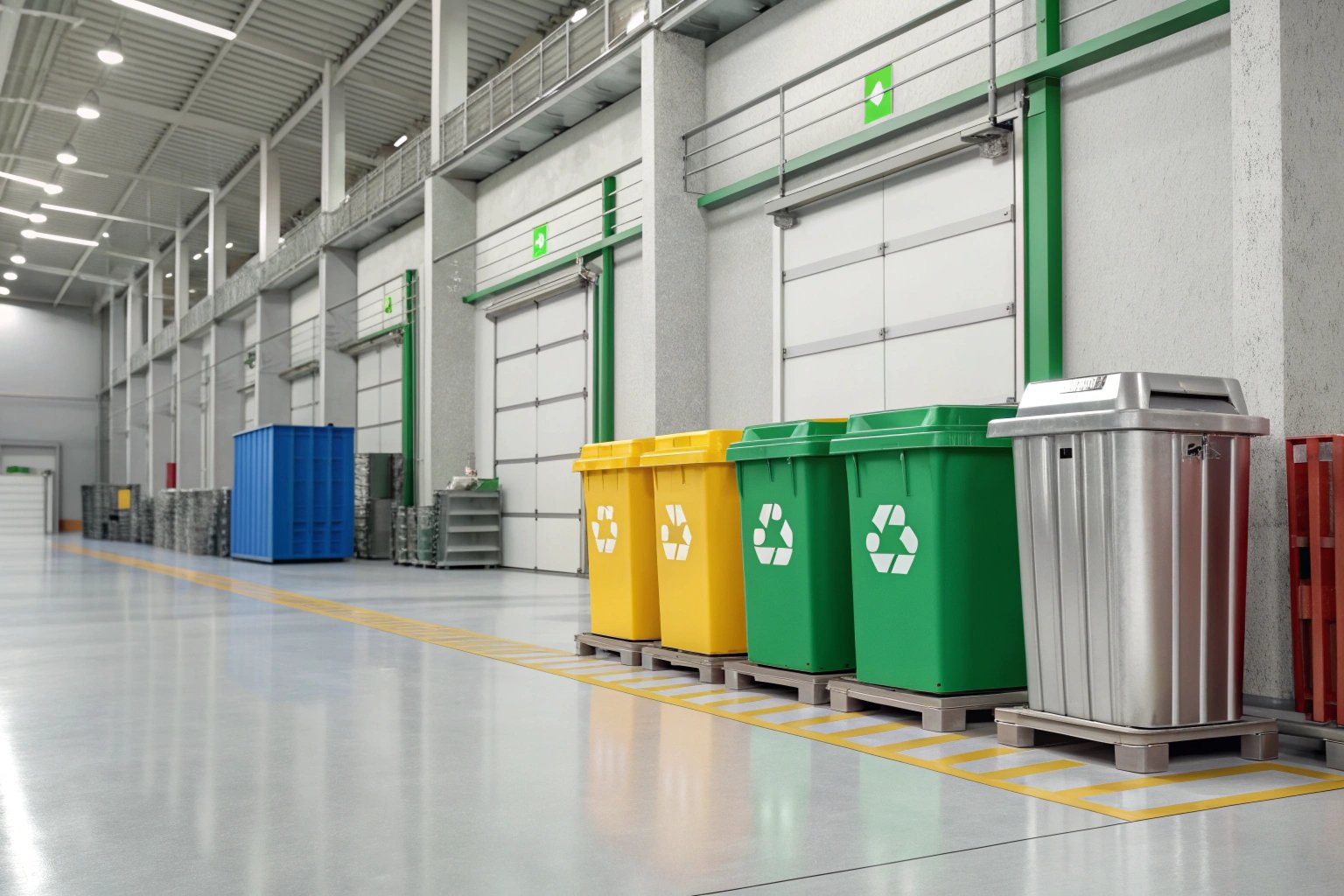
When I speak to clients like Carlos, who supply major retailers, they often send me a "Supplier Code of Conduct." They need to know where the waste goes. It is a valid question.
The Closed-Loop System
We operate what I call a "Smart Separation" system at our Fujian facility.
- Plain Tinplate Scrap: This is gold. It is clean steel with a tin coating. We bale this into dense blocks and sell it directly back to steel mills or specialized de-tinning plants. They recover the valuable tin and melt down the steel. It is a perfect closed loop.
- Lacquered/Printed Scrap: This is trickier because of the chemical coating. We separate this at the source—right at the press. We do not mix it with the clean scrap. This goes to certified processors who have the filtration systems to melt it down without releasing harmful emissions.
FDA and Safety Alignment
Compliance isn’t just about the environment; it is about safety.
By keeping our scrap handling orderly, we prevent cross-contamination. You will never find a piece of rusty, dirty scrap metal accidentally getting mixed back into the production line.
Our rigorous housekeeping—part of our 5S management 9—ensure that the production area is clinical. This directly supports the FDA and EU food safety standards you care about. A clean factory produces clean products.
Reducing Carbon Footprint
Using recycled steel scrap to make new steel uses significantly less energy than making steel from iron ore. By maximizing our scrap recovery rate, we are indirectly lowering the carbon footprint 10 of the tinplate you buy.
For a company processing billions of ends a year, this adds up. We can provide you with data on our recycling rates, which you can include in your own ESG (Environmental, Social, and Governance) reports to your shareholders.
Environmental Compliance Checklist
| Feature | Huajiang Practice | Benefit to Client |
|---|---|---|
| Waste Segregation | Separate bins for Plain vs. Coated vs. Aluminum. | Higher recycling rate; no cross-contamination. |
| Partner Certification | Only licensed recyclers handle our waste. | Compliance with ISO 14001; audit-ready. |
| Chemical Safety | Proper disposal of sludge from coating lines. | No risk of environmental fines/shutdowns. |
Conclusion
Scrap management is not just about cleaning up; it is about driving down your unit costs while keeping quality high. By using scroll shearing, optimizing inventory, and recycling intelligently, we turn potential waste into value. This keeps your supply stable and your prices competitive.
Footnotes
1. Overview of tinplate components used in industrial packaging solutions. ↩︎
2. Definition of yield rate regarding manufacturing production efficiency. ↩︎
3. Technical explanation of scroll shearing benefits for metal packaging. ↩︎
4. Official site of Baowu Steel Group, a major supplier. ↩︎
5. How mechanical stress changes metal properties during processing. ↩︎
6. Standard method for testing lacquer continuity in food cans. ↩︎
7. Techniques for analyzing production costs and determining profitability. ↩︎
8. Definition of Free on Board international shipping terms. ↩︎
9. Methodology for workplace organization and operational safety. ↩︎
10. Understanding environmental impact through carbon emission measurement tools. ↩︎