

I know the frustration of receiving scratched tinplate sheets at your factory. You worry about production delays and wasted materials because of surface damage. I have helped many clients solve this specific issue.
Yes, you can order Electrolytic Tin Plate with a protective film. We typically apply a Polyethylene (PE) or Polypropylene (PP) layer to the metal surface. This protects the finish during transit and stamping. You must specify the thickness and adhesion level before production begins.
Let me explain how this film works and why it might be the right choice for your factory.
Will the film leave a sticky residue when I remove it?
You might fear sticky glue ruining your metal sheets. It stops the paint from sticking and causes huge messes on your lines. I understand this common production anxiety completely.
High-quality protective films should not leave residue if removed correctly. We use films with specific "aging stability" properties. However, if the film stays on too long or faces high heat, glue can remain. You must remove it within the recommended timeframe, usually six months.
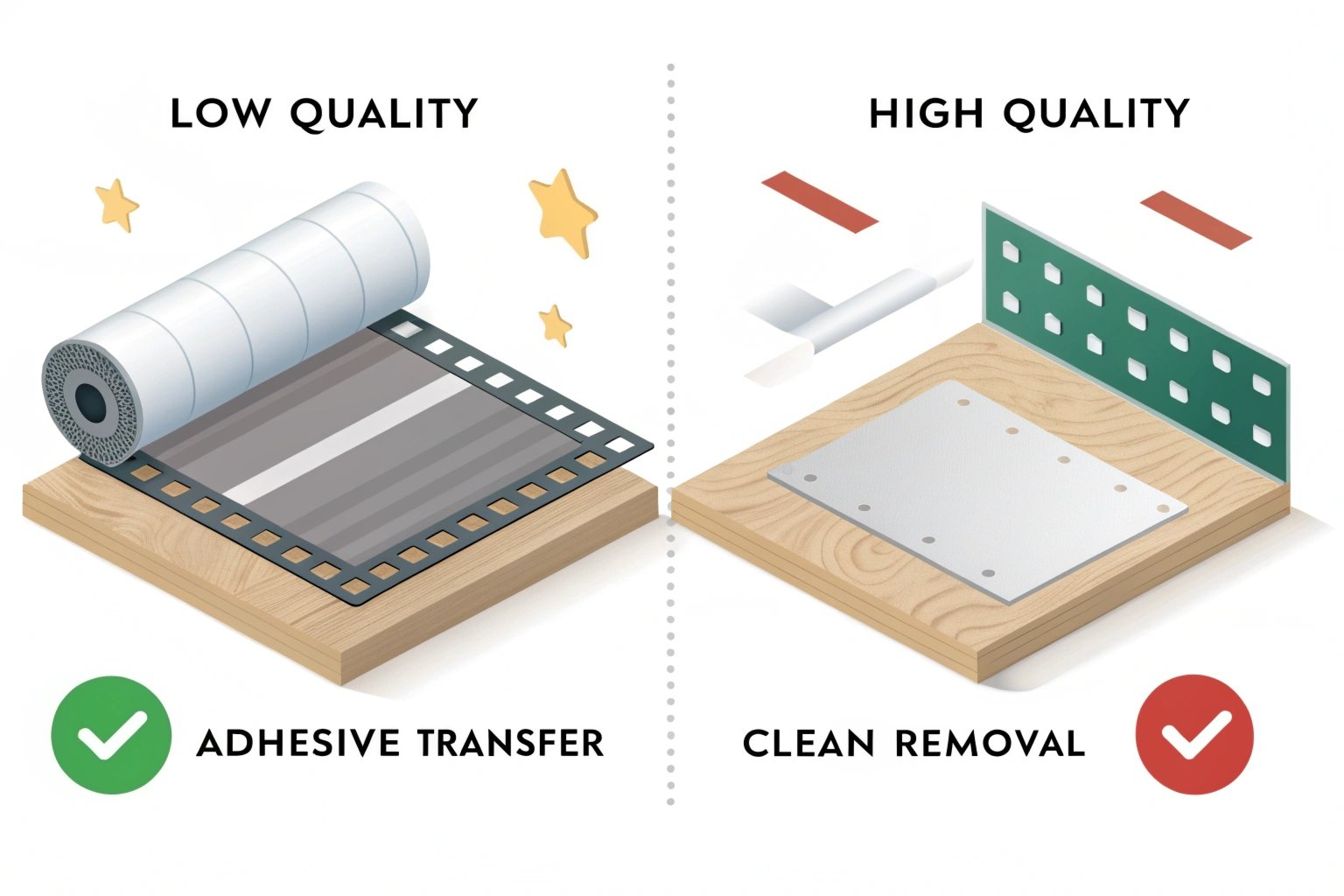
When we talk about residue, we are talking about the chemistry of glue. In my factory in Fujian, we test this every day. The technical term for this problem is adhesive transfer 1. This happens when the glue likes the metal more than the plastic film. When you pull the film up, the glue stays down.
This is a nightmare for production. If there is glue on the tinplate, your coating and printing will fail. The paint will not stick to the metal. It will stick to the hidden glue. Later, the paint will peel off. This causes rust and huge quality claims.
To prevent this, you need to understand three things: Heat, Time, and Pressure.
First, let’s talk about heat. Glue gets soft when it is hot. If you store your tinplate coils in a hot warehouse (over 40°C) for a long time, the glue changes. It becomes more liquid. It flows into the microscopic pores of the tin coating. When it cools down, it locks in. This makes it very hard to remove without leaving marks.
Second is time. We call this dwell time 2. The longer the film sits on the metal, the stronger the bond becomes. A film that is easy to peel on day one might be impossible to peel on day 300. I always tell my clients like you to use the stock within 6 months.
Third is pressure. If you stack heavy pallets on top of each other, the weight pushes the glue into the surface.
Here is a simple guide to help you choose the right "tack" (stickiness) level to avoid residue:
| Tack Level | Adhesion Strength | Best Used For | Risk of Residue |
|---|---|---|---|
| Low Tack | 5-30 g/25mm | Glossy, smooth surfaces. Simple transport protection. | Very Low |
| Medium Tack | 50-150 g/25mm | Standard finish. Light stamping or forming. | Low |
| High Tack | 200+ g/25mm | Rough surfaces. Deep drawing or heavy mechanical work. | High |
I recommend starting with Low or Medium tack for most tinplate applications. Always ask your supplier for a peel test 3 report. This shows the force needed to remove the film. If the number is too high, the risk of residue is also high.
Is the protective film food-safe if it touches the production line?
Safety is your top priority in the food industry. You cannot risk contamination from plastic or chemicals in your cans. I take these compliance standards very seriously for all my clients.
Most standard protective films are not designed for direct food contact. They are for external protection only. If the film might touch the food area, you must request FDA-compliant food-grade film. We can supply verified materials that meet European and American safety standards.
This is a critical point for my buyers in Europe and Mexico. You must be very careful here. Standard industrial protective film is made of Polyethylene (PE). But the glue on the back is industrial acrylic or rubber-based adhesive. These glues are not food.
If you make a can, and the film is on the outside, it is usually fine. The film never touches the peaches or the tuna inside. However, in a high-speed canning line, things happen. Machines handle the sheets. Workers touch the sheets. There is a risk of cross-contamination 4.
Imagine this scenario. A worker peels the film off. Some invisible chemical residue stays on his gloves. Then he touches the inside of a can body. Now, that chemical is inside your food package. For strict markets, this is a violation.
Also, some clients want to protect the inside of the sheet before coating. Never use standard film for the food-contact side of the metal. The regulations from the FDA (USA) and EFSA (Europe) 5 are strict.
If you need the film to be safe for incidental contact, I can source "Food Grade" film. This film uses specific adhesives that are safe. They are certified under FDA 21 CFR 175.105 6 (Adhesives).
Here is the difference between the two types of films we offer:
Standard vs. Food-Safe Film Comparison
| Feature | Standard Industrial Film | Food-Grade Compliant Film |
|---|---|---|
| Base Material | LDPE (Low-Density Polyethylene) | Food-Safe LDPE |
| Adhesive Type | Solvent-based Acrylic | Water-based or Safe Rubber |
| Odor | Slight chemical smell possible | Odorless |
| FDA Approval | No | Yes (FDA / EU 10/2011) |
| Cost | Standard | Premium (+15% to 20%) |
| Typical Use | External handling protection | Clean room / Food contact potential |
If you are buying for a big brand, do not guess. Ask me for the SGS report of the film itself. I keep these on file. It is better to pay a little more for the safe film than to recall a million cans later.
How much does adding the film increase the cost per ton?
You want to save money but also need perfect quality. Scratches create scrap, but extra features cost more. I help buyers balance these two important factors every day.
Adding protective film increases the price by approximately $20 to $40 per ton. This covers the plastic material and the lamination labor. However, this cost is often lower than the money you lose from scrapped, scratched metal sheets during high-speed stamping.
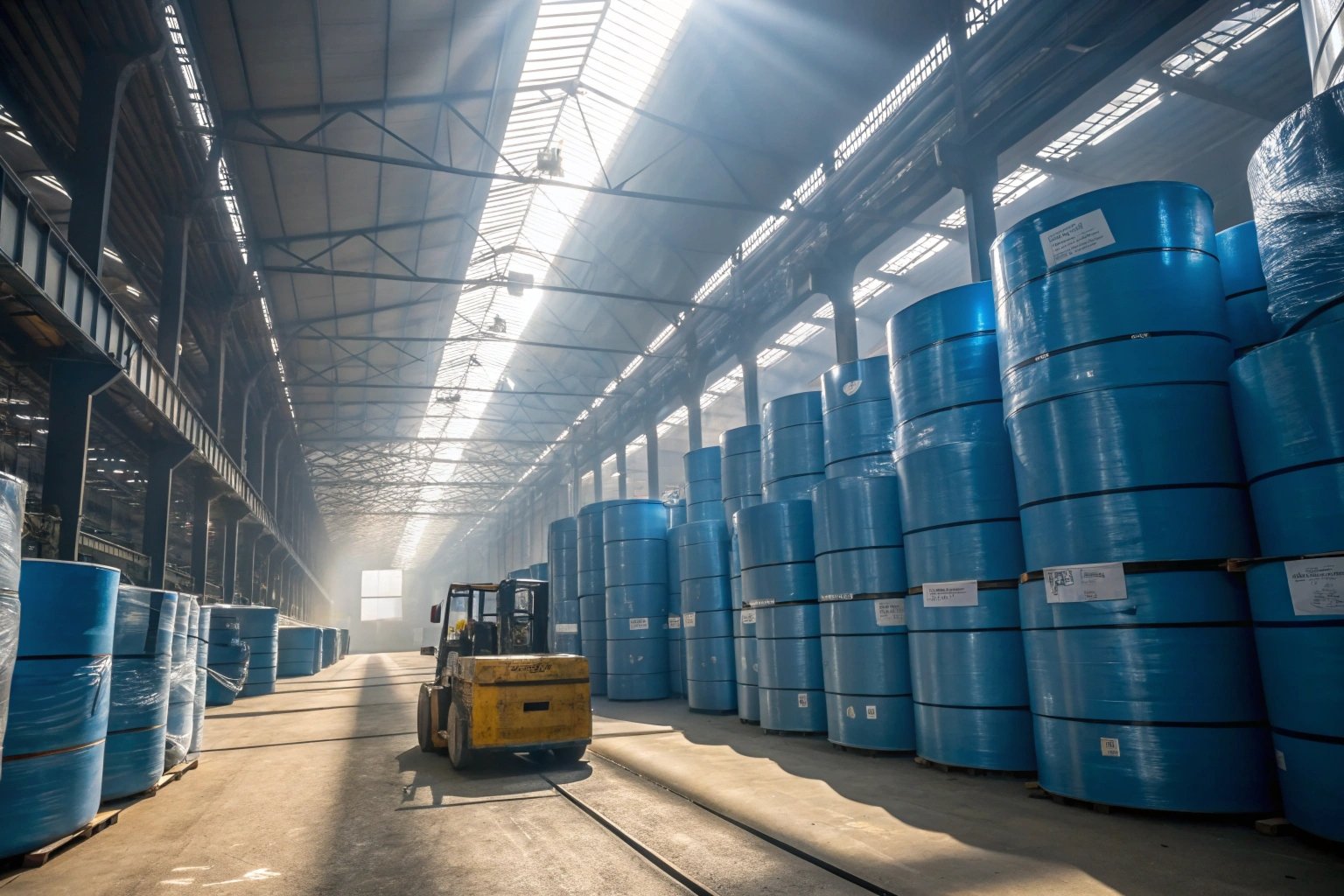
Price is always the big question. When you ask me to add film, I have to do two things. First, I buy the plastic film. Second, I slow down my production line to run the laminator machine. This costs money.
Usually, the surcharge is between $20 and $40 USD per metric ton. This depends on the thickness of the film (usually 30 to 50 microns) and the price of oil (which affects plastic prices).
You might think, "Chase, why should I pay extra?"
I want you to think about the Cost of Poor Quality 7. Let’s say you buy 100 tons of bright finish tinplate. It is very shiny. Without film, your workers scratch the top 5 sheets of every bundle just by moving them. Then, your stamping machine scratches 2% of the caps because of metal dust.
If you lose 3% of your material to scratches, you are losing money.
Let’s do the math. If tinplate is $900 per ton.
3% loss = $27 per ton lost.
Film cost = $25 per ton.
In this case, the film pays for itself. You also save the labor cost of sorting out the bad pieces.
Also, there is a hidden benefit. The film acts as a lubricant. When you stamp the metal, the plastic helps the mold slide. This reduces wear on your expensive tools. It also prevents galling 8 (when metal rips).
Here is a breakdown of when the investment is worth it:
ROI Analysis: To Film or Not to Film?
| Situation | Recommendation | Why? |
|---|---|---|
| Making Plain Cans | No Film | Scratches are hidden by the label. Not worth the cost. |
| Making Printed Ends | Yes, Film | The surface must be perfect for printing. One scratch ruins the design. |
| High-Gloss Finish | Yes, Film | "Bright" and "Stone" finishes show every tiny mark. Protection is mandatory. |
| Short Distance Ship | Maybe No | Less risk of transit damage. |
| Exporting Overseas | Yes, Film | Protects against humidity and movement in the container for 40 days. |
I always tell my customers: if you are making a high-end product, the $25 is insurance. It buys you peace of mind.
Does the film protect against scratches during stamping?
You need to know if the film is tough enough for your machines. If it tears during stamping, it is useless. I have tested many films to find the ones that survive the press.
Yes, the film protects against scratches during the stamping process. The plastic stretches with the metal as it changes shape. It acts as a barrier between the steel and the die tool. You remove it only after the part is fully formed.
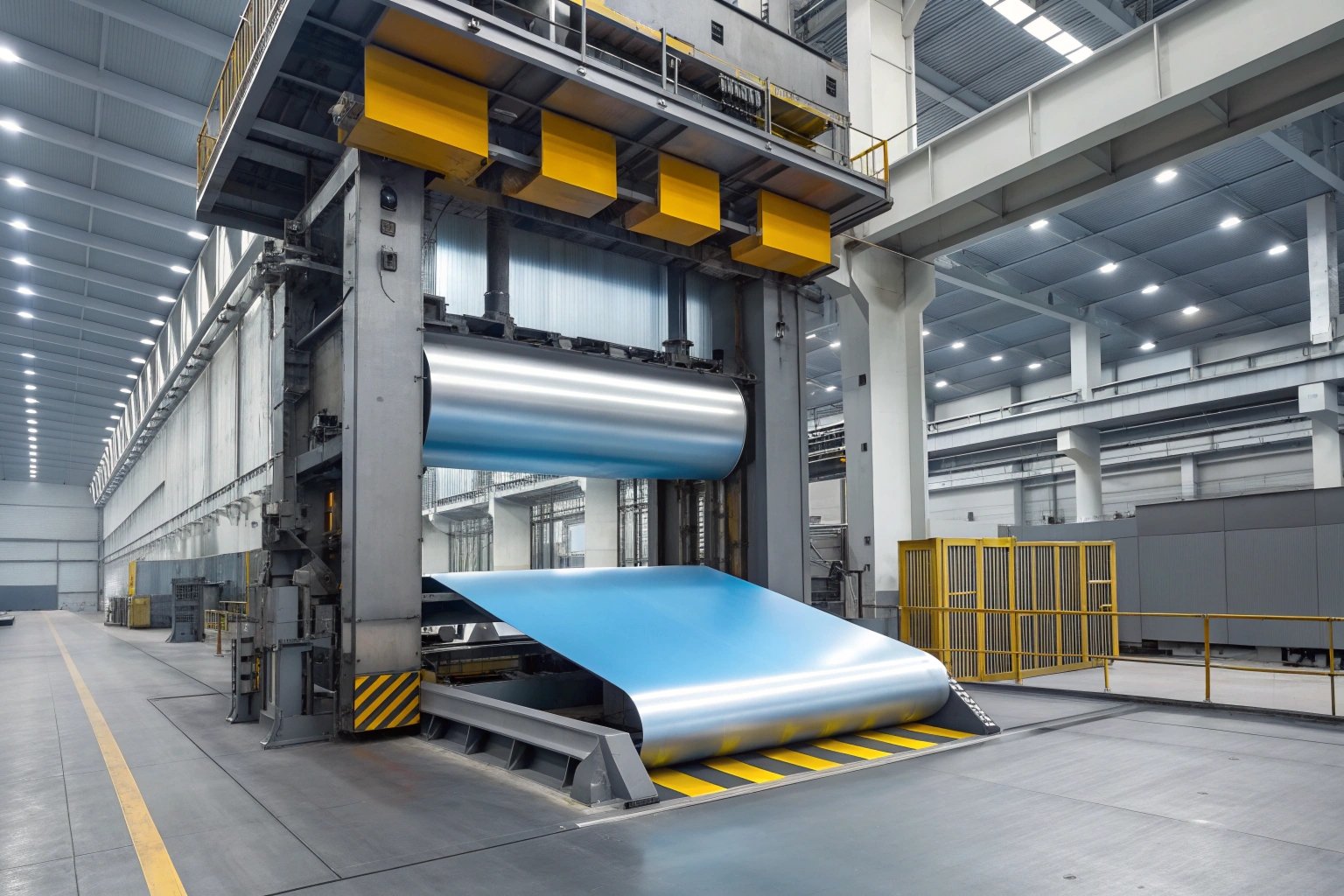
This is where the film really shines. It is not just for shipping. It is a processing aid.
When your machine stamps a lid or a can body, there is friction. Metal rubs against metal. Even if your tools are polished, tiny particles of dust can get in. These particles create long, ugly scratches on your product.
A good PE protective film is "ductile." This means it can stretch. When your press hits the tinplate, the film elongates. It does not snap. It stays on the surface like a second skin.
However, you must choose the right thickness.
For simple cutting or shallow stamping, a standard 30-micron film is enough.
For deep drawing 9 (like making a 2-piece can body), you need a 50-micron or even 80-micron film.
If the film is too thin for deep drawing, it will tear. Once it tears, the loose plastic can get stuck in your mold. This will jam your machine. This causes downtime.
Also, you must consider the "cutting direction." If you cut the film against the grain, it might lift at the edges.
I also want to warn you about "Visual Inspection."
When the film is on, you cannot see the metal surface clearly. You cannot see if there is a black spot or a rust spot under the plastic.
This is why you must trust your supplier. At Huajiang, we have cameras that scan the metal before the film goes on. We ensure the metal is clean.
If you are stamping difficult shapes, tell me. I can suggest a film with a higher elongation rate 10. This ensures the plastic survives the journey from the coil to the finished can.
Conclusion
You can order protective film to save your products from scratches. Just remember to check the glue type, ask for food-safe options if needed, and weigh the small cost against your scrap savings. Contact me today, and I will send you a film sample to test.
Footnotes
1. Definition of adhesive failure where residue remains on the substrate. ↩︎
2. How the duration of contact affects adhesive bond strength. ↩︎
3. Standard test method to measure the strength of adhesive bonds. ↩︎
4. Prevention of spreading harmful bacteria or chemicals in food production. ↩︎
5. European Union agency responsible for food safety risk assessment. ↩︎
6. US regulation regarding adhesives intended for food packaging. ↩︎
7. The financial impact of defects and manufacturing inefficiencies. ↩︎
8. Surface damage caused by friction between sliding metal surfaces. ↩︎
9. Manufacturing process for forming sheet metal into hollow shapes. ↩︎
10. Measure of a material’s ability to stretch without breaking. ↩︎