
I know the heavy feeling in your chest when the harvest reports come in, and you realize you might not have enough cans to pack your fresh produce.
To handle peak season demand, your supplier must hold massive raw material inventory, like our 100,000-ton buffer, and operate with flexible production lines. We combine this with 24-hour shift capabilities to ensure your tinplate bottom ends arrive before your fruit spoils.
This fear is common among procurement directors 1, especially when dealing with perishable goods like tomatoes, fruits, or seafood. A delay of just a few days can ruin an entire year of hard work. You need more than just a vendor; you need a partner with the financial strength and operational muscle to absorb the pressure when the market spikes. Let’s look at how we secure your supply chain.
How do you guarantee delivery during the tomato harvest season?
I have seen canning factories come to a complete stop because their steel supplier did not have enough coil in stock, and it breaks my heart every time.
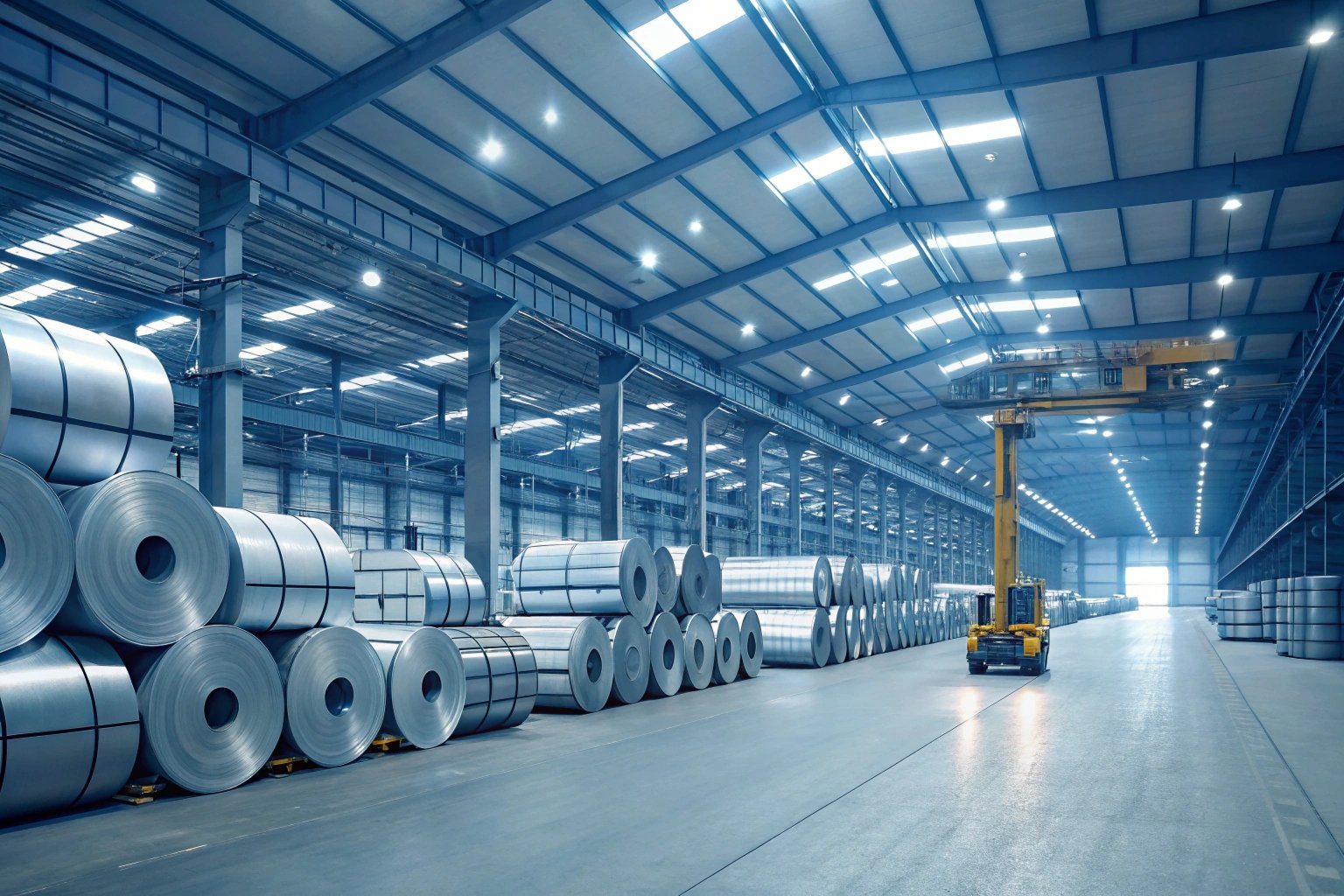
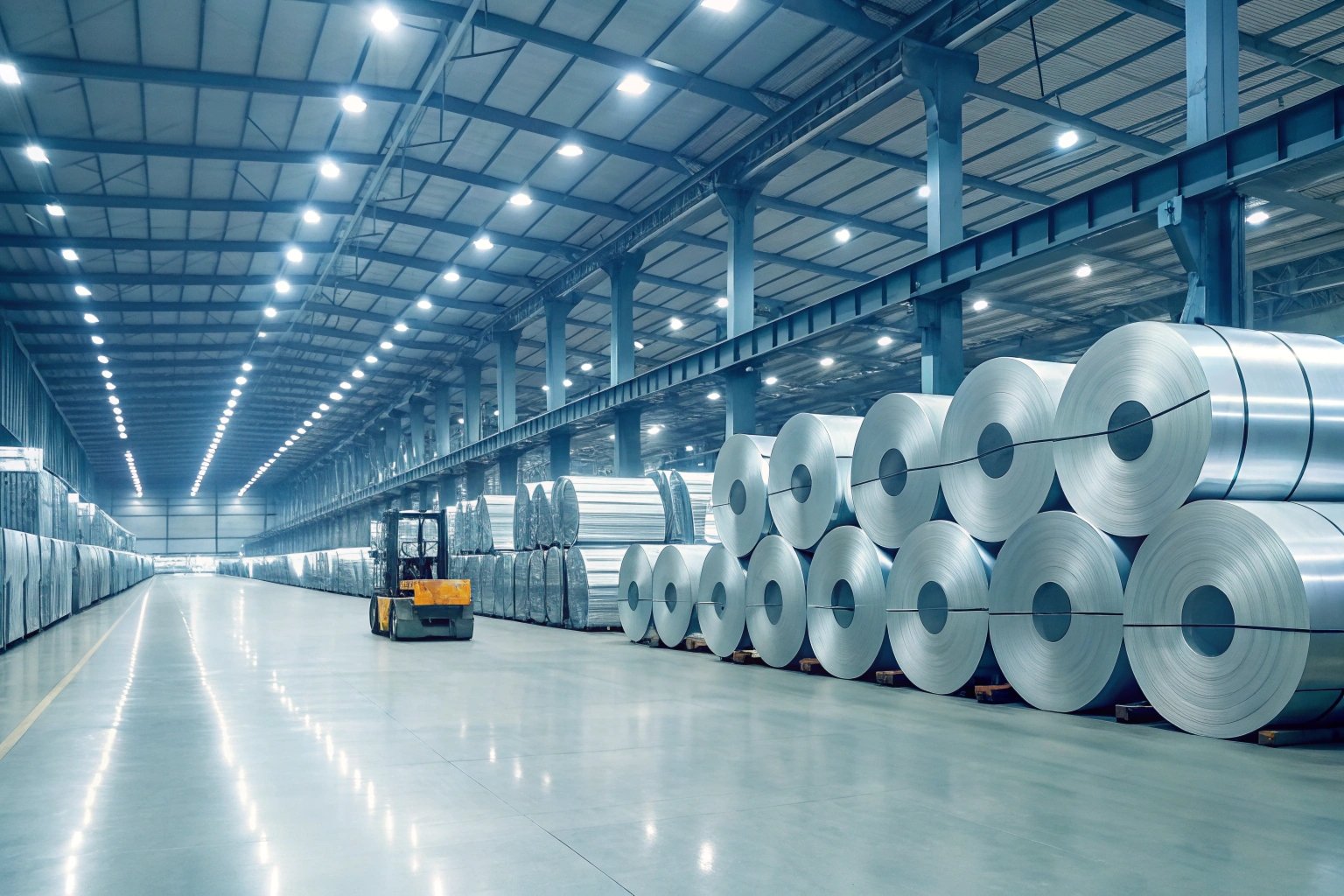
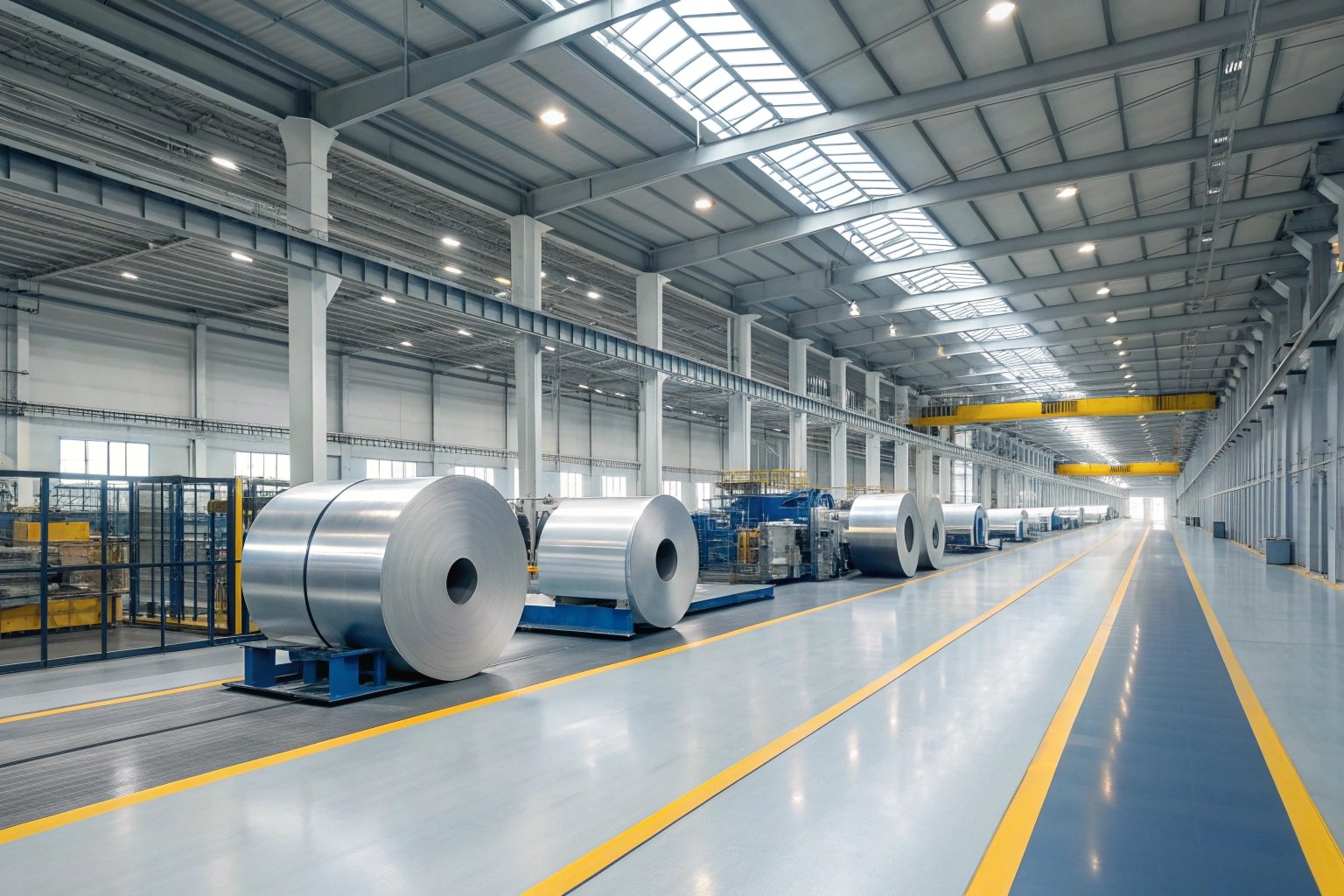
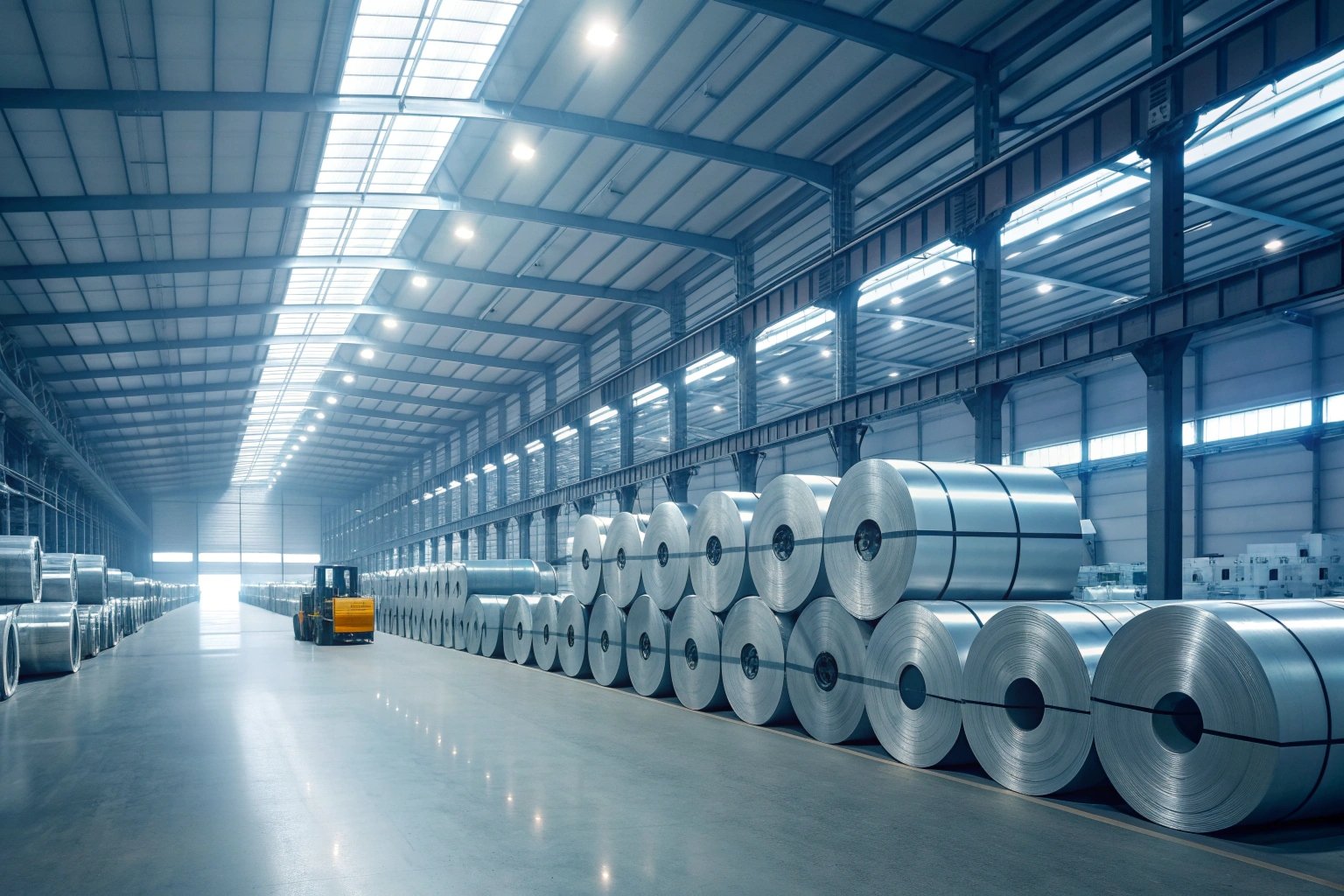
We guarantee delivery by maintaining a standing inventory of 100,000 tons of tinplate and chrome plate from top mills like Baosteel. This allows us to start production immediately, bypassing the usual 45-day lead time for raw material purchasing.
When you are dealing with a harvest season, time is your most expensive asset. If your supplier waits for your order to arrive before they buy the steel coil, you are already behind schedule. In the metal packaging industry 2, the supply chain is long. It usually takes steel mills months to produce and deliver coils. If a factory relies on a Just-in-Time 3 model, they are gambling with your business.
At Huajiang, we do things differently. We function like a massive reservoir. Because we have strong capital and direct relationships with state-owned steel mills, we buy materials all year round. We store them in our 600-acre facility in Fujian. This means when you call me with an urgent order for 307 or 401 bottom ends, I do not have to call a steel mill. I just have to walk to our warehouse.
This strategy protects you from two big risks. First, it protects you from shortages. Even if the global steel market 4 is tight, we have the material on the floor. Second, it protects you from price spikes. We often buy when prices are low, which helps stabilize your costs. You need a supplier who acts like a bank for materials, not just a processor.
Comparison of Inventory Models
The table below shows why our heavy inventory model is safer for your canning business compared to standard factories.
| Feature | Standard "Just-in-Time" Factory | Huajiang’s "Strategic Stock" Model |
|---|---|---|
| Raw Material Source | Buys only after receiving your deposit | Holds ~100,000 tons of stock year-round |
| Response Time | 45-60 days (waiting for steel delivery) | 1-3 days (material is ready to cut) |
| Price Stability | High risk; you pay the current market price | Stable; we leverage old stock prices |
| Risk of Shortage | High; dependent on steel mill capacity | Low; we are self-reliant |
By controlling the raw material, we control the destiny of your order. You should never have to wonder if the steel exists. It should be there, waiting for your command.
Can I reserve production capacity in advance for my peak months?
I know you worry about losing your production slot to a bigger company just when you need your order the most.
Yes, you can lock in your schedule with us. We use a capacity reservation system where we allocate specific press lines and coating slots for our long-term partners months in advance, ensuring your order never fights for space.
Capacity reservation is not just a promise; it is a math problem. Many suppliers overbook their lines. They say "yes" to everyone in April, and then in June, they fail to deliver. This happens because they do not have flex capacity 5. Flex capacity means having machines that sit idle or run at low speed during normal months, just so they are ready for the busy season.
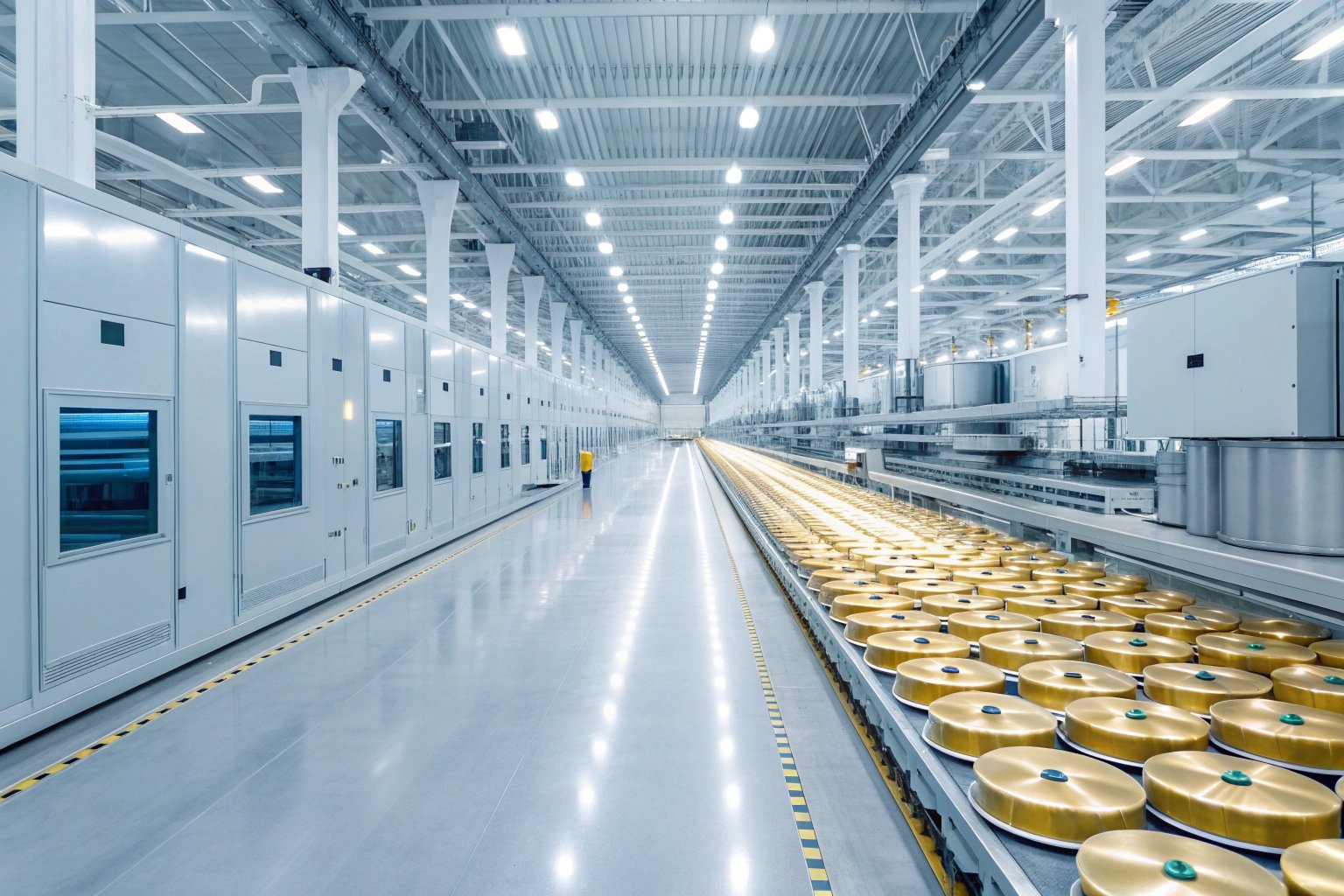
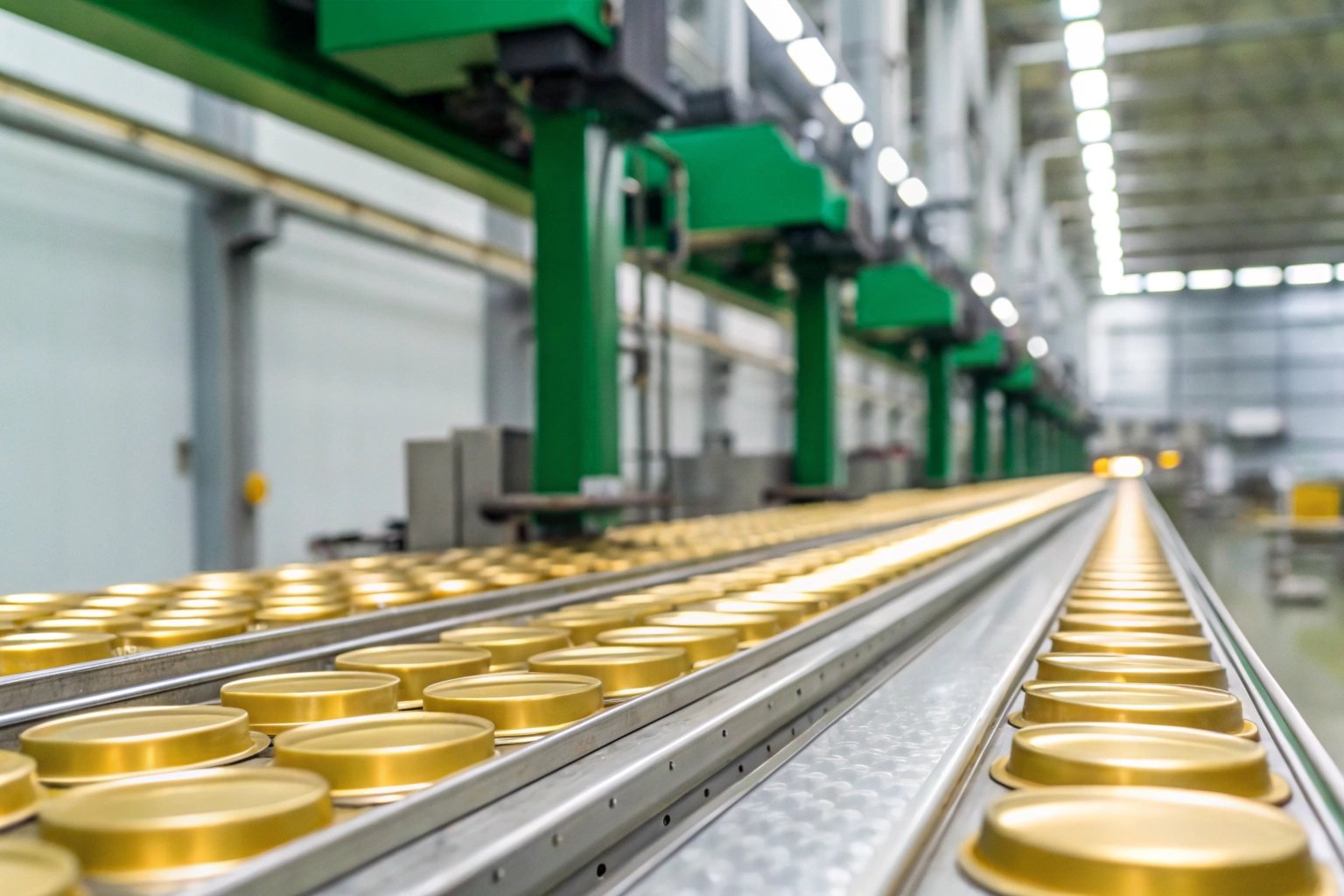
In our facility, we operate 53 coating lines and dozens of high-speed punch presses. We deliberately plan our year so that we have a buffer of about 20% to 30% unused capacity during the slow season. When your peak season hits, we activate this reserve. It is like opening an extra lane on the highway during rush hour.
We also focus on machine redundancy 6. This is a technical term, but it is simple to understand. It means we never have just one machine for a job. If you need 307 normal ends, we have multiple lines that can make them. If one machine breaks down or needs maintenance, we simply move your mold to the machine next to it. This ensures that your reserved slot is real. We do not just reserve a time; we reserve the physical capability to do the work.
Planning for Success
To make this work, we need to talk early. We encourage clients to share their rolling forecast 7. This is a simple plan that shows us what you might need. It does not have to be perfect. If you tell me, "Chase, I think I need 5 million ends in August," I can block out that time for you in January.
Key benefits of our reservation system:
- Priority Status: Your orders skip the queue.
- Fixed Schedules: You know exactly when your goods will leave China.
- Peace of Mind: You can focus on your crops, not your cans.
We treat a reservation like a contract. Once it is in our system, it is locked. We will not move your order for a spot buyer who offers more money. Loyalty matters more to us than a quick profit.
What happens if my order exceeds your standard monthly output?
I know that nature is unpredictable, and sometimes you have a bumper crop that requires far more cans than you originally planned.
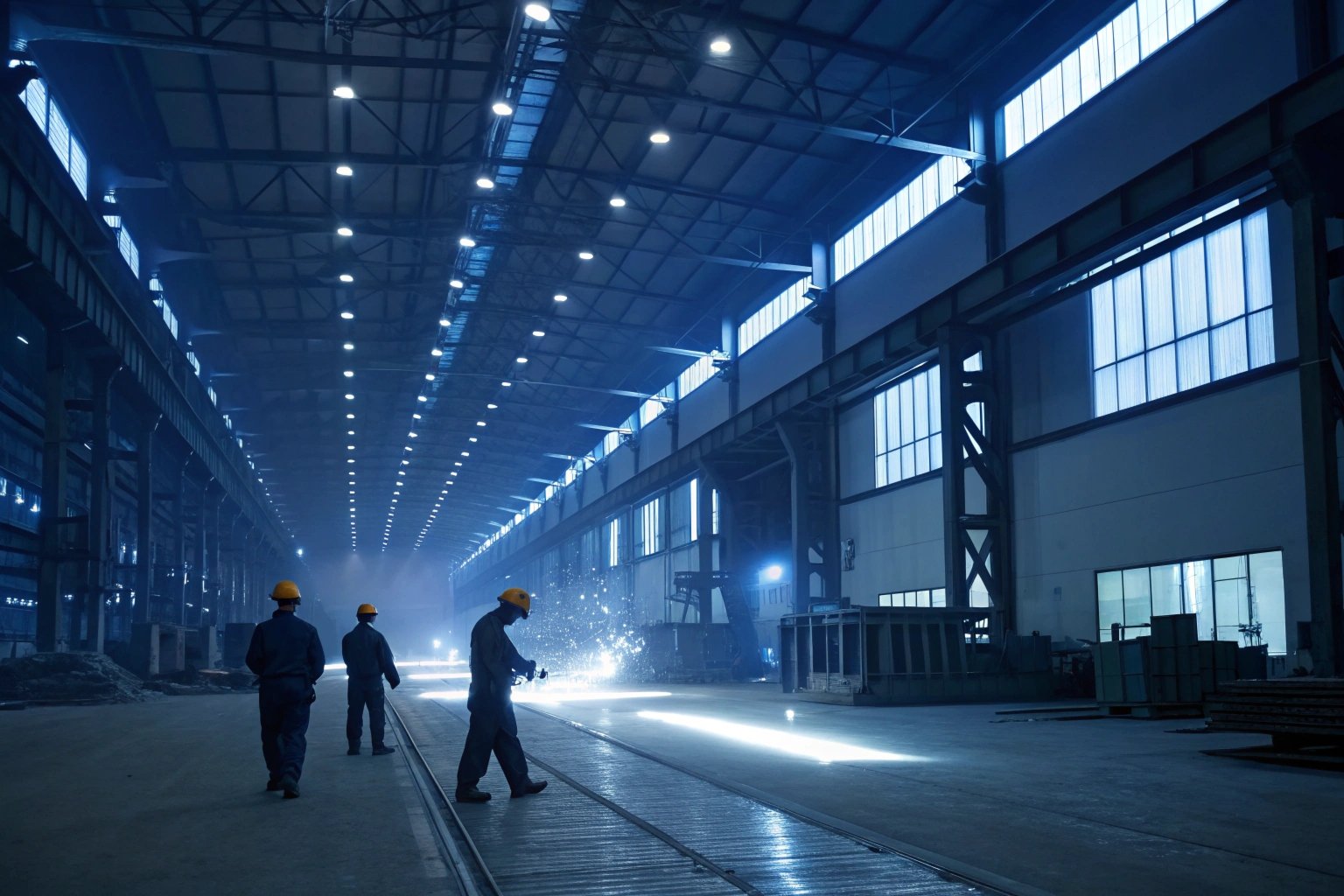
When your demand surges, we activate our emergency "Surge Protocol." We switch our facility to a 24/7 operating rhythm, add extra weekend shifts, and utilize our high-speed Fuji lines to increase daily output by up to 40%.
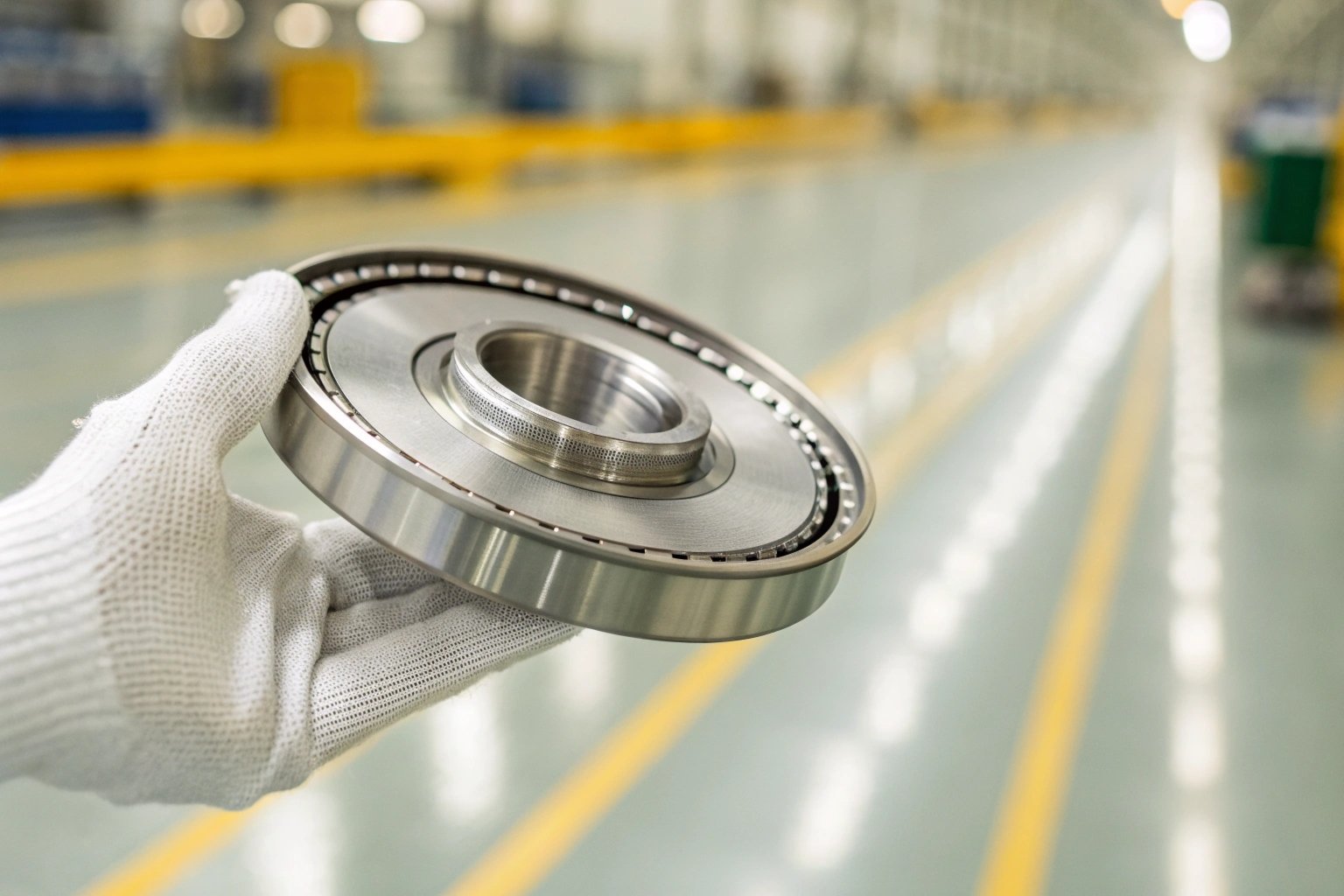
Imagine this scenario: The weather was perfect. The tomatoes are ripening two weeks early, and there are twice as many as you thought. You call me and say, "Chase, I need double the order, and I need it now." In a rigid factory, the answer is "No." But in a flexible factory, the answer is "Let us figure it out."
This is where our scale becomes your advantage. With over 1,800 employees and a massive campus, we have the workforce agility to scale up fast. We can run three shifts instead of two. We can pay overtime to keep the lines running on Sundays. Because we do everything in-house—from cutting the coil to printing and stamping—we do not have to wait for subcontractors.
I remember a specific case with a client in Europe. They had a sudden surge in demand for sardines. They needed printed lids urgently. We had to change the printing plates on our Fuji lines overnight. Usually, this takes a long time. But our technical team stayed late, swapped the plates, and we were printing their design by the next morning.
Technical Agility
Handling a surge is not just about working harder; it is about working smarter with the equipment.
- Quick Changeover: Our technicians are trained to swap molds in record time. We can change a line from making 307 ends to 401 ends very quickly. This concept, often called Quick Changeover 8 (SMED), allows us to minimize downtime.
- Coating Speed: Our Fuji lines are state-of-the-art. They can cure coating faster without losing quality. This removes the "bottleneck" that slows down other factories.
- Quality Control at Speed: Even when we run fast, we use automated cameras to check every lid. We do not let speed kill quality.
Our Surge Capacity Capabilities
| Capability | Normal Operation | Surge Operation |
|---|---|---|
| Shifts per Day | 2 Shifts (16 hours) | 3 Shifts (24 hours) |
| Work Days | 5-6 Days / Week | 7 Days / Week |
| Line Speed | Optimal Efficiency Speed | Maximum Rated Speed |
| Lead Time | Standard | Expedited (Priority Lane) |
We view your emergency as our emergency. If you are successful and sell more, we are successful. We built our factory to be big so that we could handle these exact moments.
Do you have a contingency plan for delays during the busy season?
I know that machines fail and storms happen, but I also know that you cannot explain those excuses to your supermarket customers.
We mitigate delays through a triple-layer contingency plan: we maintain backup generators for power, hold safety stock of finished goods, and have a dedicated crisis team to reroute logistics if ports become congested.
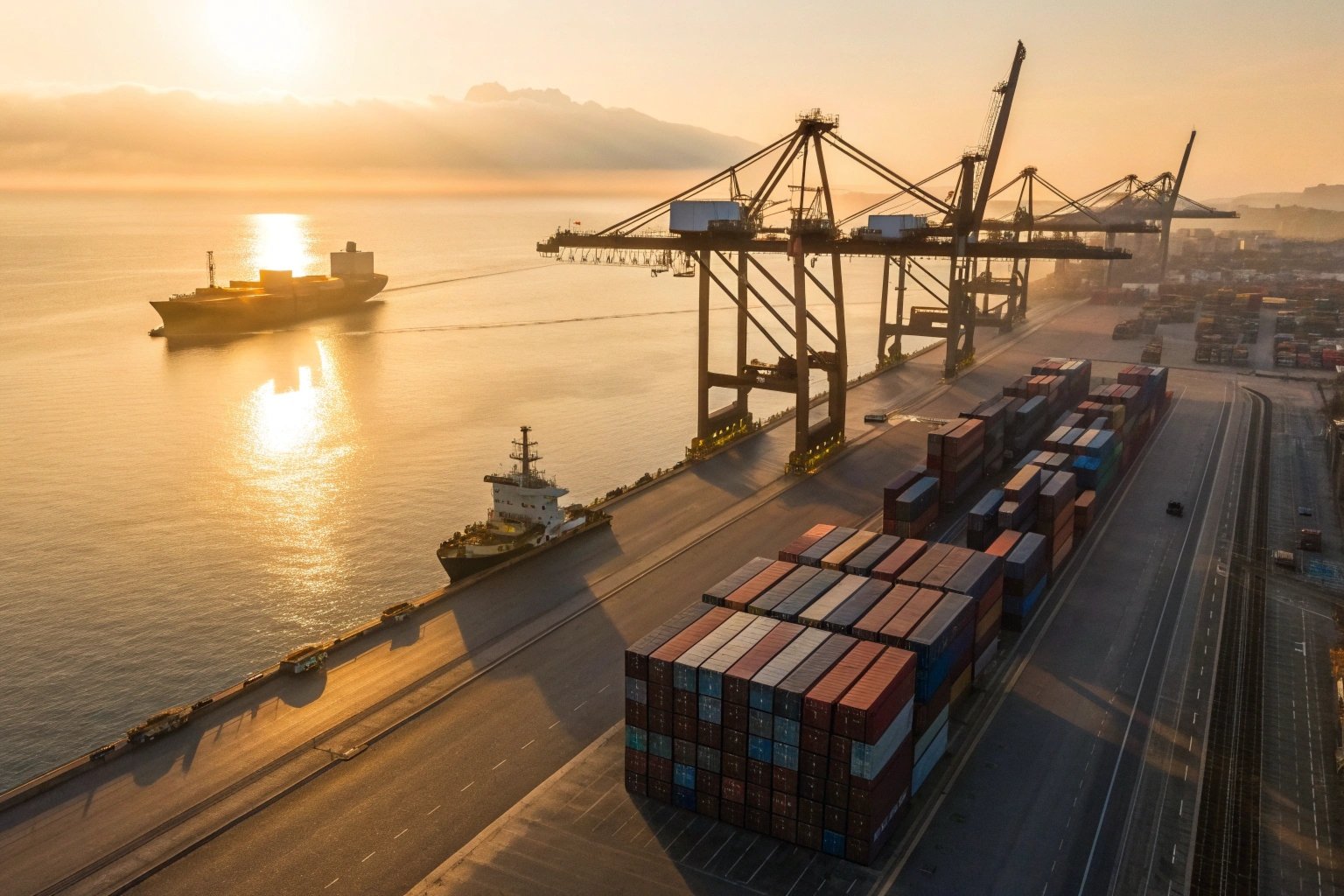
No matter how good a factory is, things can go wrong. A machine part might break. A typhoon might close the port. A power grid failure might happen. If your supplier does not have a Plan B, you are the one who suffers. We believe that a good supplier is defined by how they handle problems, not just how they handle orders.
First, let’s talk about power. In manufacturing, electricity cuts are a disaster. We have industrial backup generators on-site. If the city power grid has an issue, which can happen in summer, our lines keep running. Your production does not stop.
Second, we look at the product itself. For our key partners, we often suggest keeping safety stock 9 of finished goods. This means we make a small percentage of your order early and keep it in our warehouse. If there is a production delay on the main batch, we can ship this safety stock immediately via air or fast boat to keep your lines running while we finish the rest.
Logistics and Communication
The final piece is logistics. During peak season, getting space on a ship is a war. We have a dedicated logistics department 10 that books containers weeks in advance. We work with multiple forwarders to find the best route. If Xiamen port is too busy, we can truck your goods to another port.
We also believe in radical transparency. If there is a delay, I will tell you immediately. I will not hide it. I will tell you what happened, and I will give you three solutions.
Risk Management Protocols
| Potential Risk | Our Contingency Solution |
|---|---|
| Power Outage | On-site industrial diesel generators activate immediately. |
| Machine Breakdown | Duplicate tooling allows us to move production to a spare line. |
| Shipping Delay | We can split the shipment: send urgent goods by air/fast sea, rest by normal sea. |
| Quality Issue | We have a quarantine zone and can reprint/remake immediately with stock coils. |
We have a "Peak Season Task Force." During the busy months, our senior managers meet every morning to review every urgent order. We identify bottlenecks before they become delays. You are not just a number in a system; you are a partner we are fighting for.
Conclusion
To survive the peak season, you need a supplier with deep inventory, flexible machinery, and honest communication. We have the 100,000 tons of stock and the 24/7 capacity to back you up.
Footnotes
1. Overview of procurement director responsibilities and impact. ↩︎
2. Insights into the European and global metal packaging market. ↩︎
3. Definition and risks of Just-in-Time inventory methodology. ↩︎
4. Data and trends on global steel production and markets. ↩︎
5. Strategies for managing variable manufacturing production capacity. ↩︎
6. Importance of system redundancy in maintaining operational reliability. ↩︎
7. Guide to using rolling forecasts for financial planning. ↩︎
8. Lean manufacturing concept for reducing equipment setup time. ↩︎
9. How extra inventory buffers protect against supply chain shocks. ↩︎
10. Explanation of logistics roles in supply chain management. ↩︎