
I know how stressful it is when your production line stops because of a material shortage. You have orders to fill, and you cannot afford to wait weeks for steel. I have been in this industry for 27 years, and I see this problem all the time. You need a partner who understands that speed and quality are the same thing.
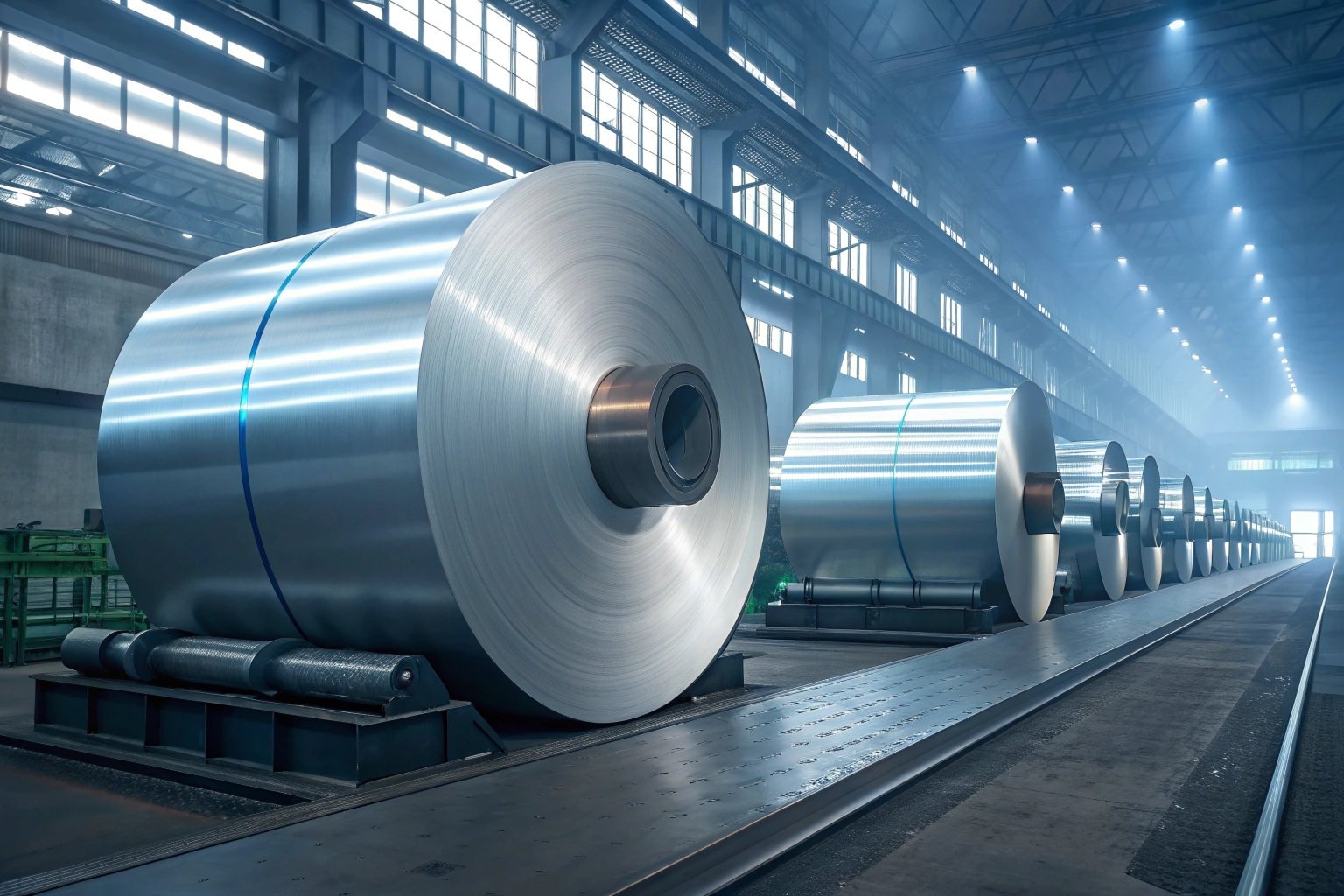
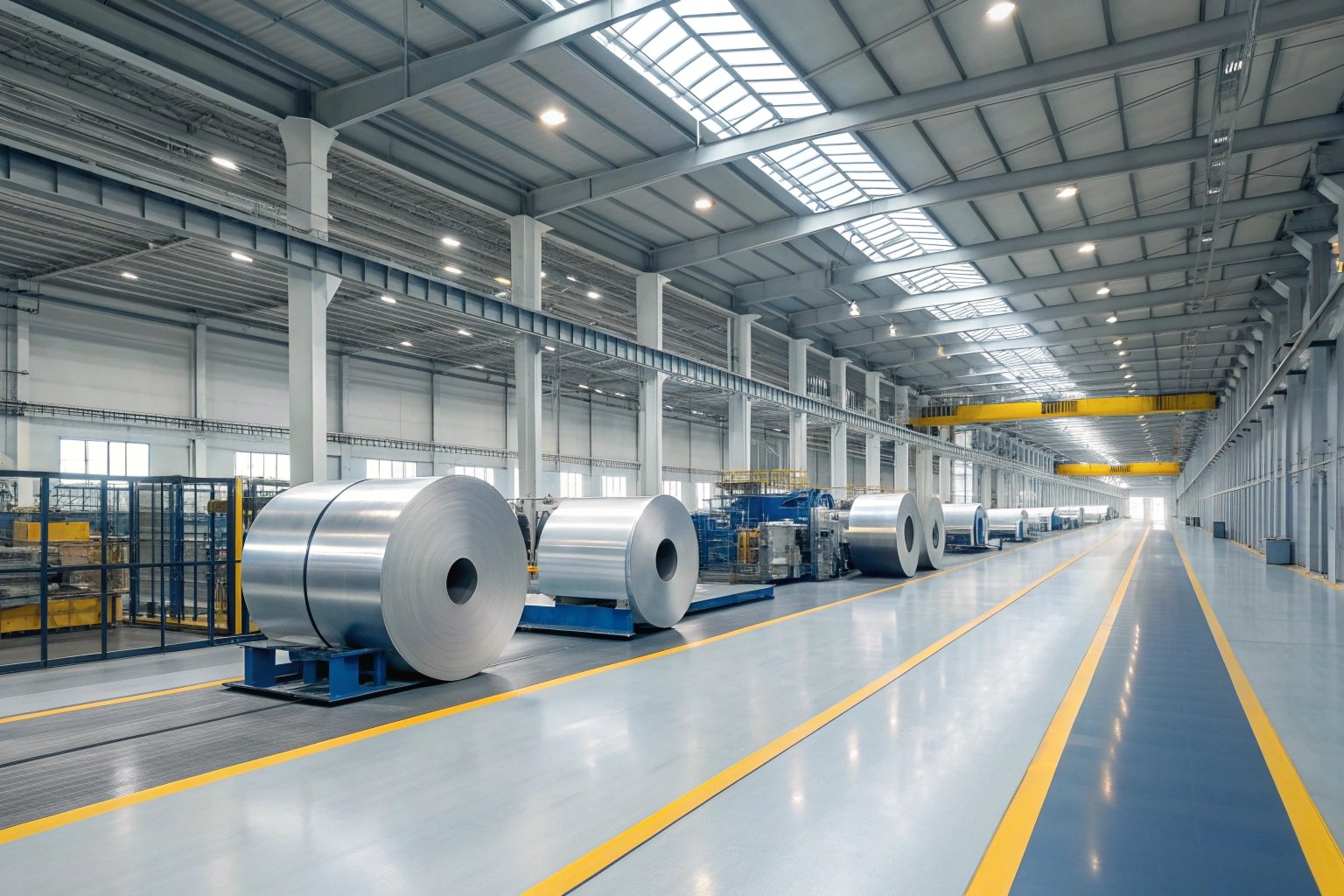
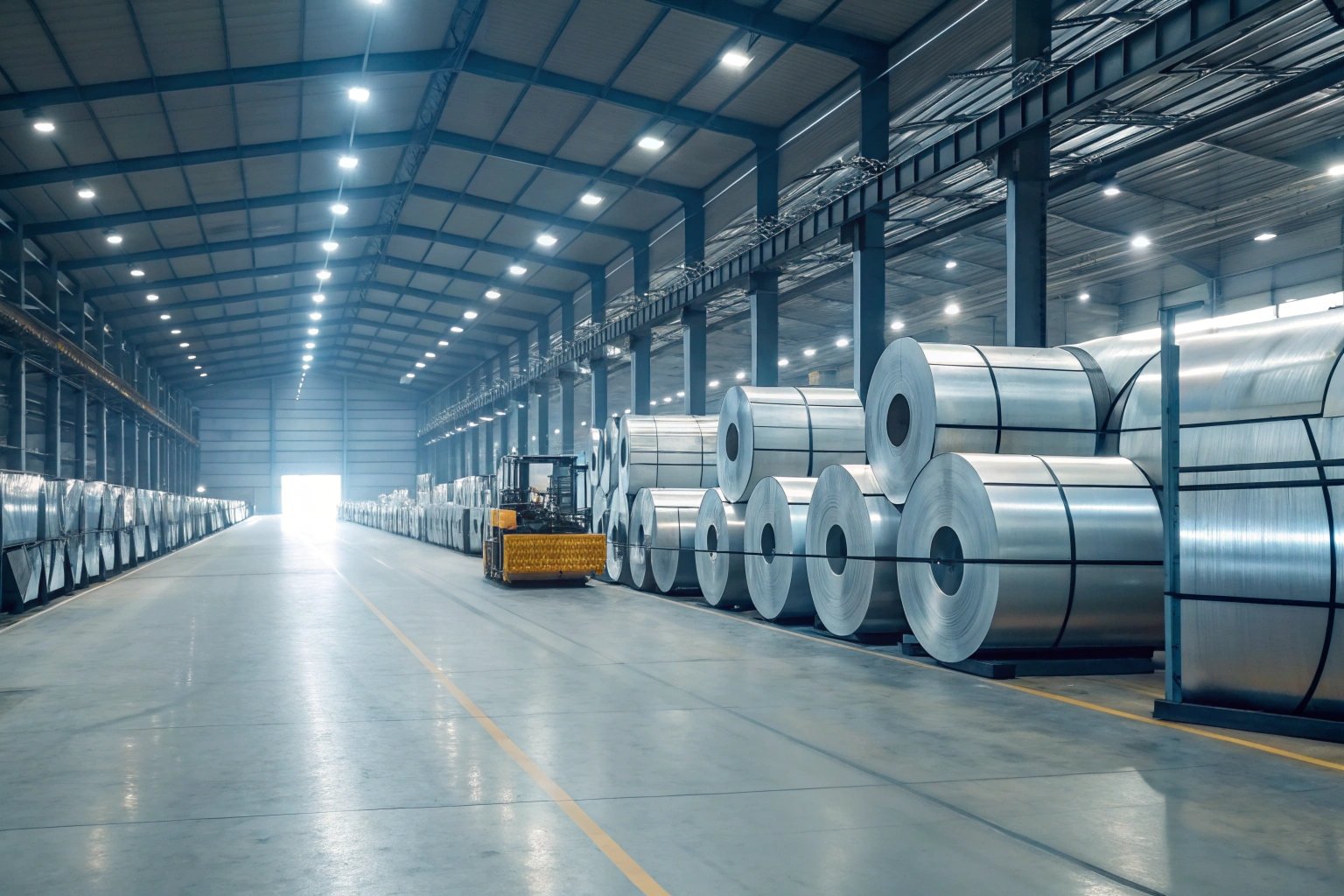
Huajiang Tinplate supplies high-grade Electrolytic Tin Plate (ETP) specifically manufactured for crown caps. With a standing inventory of 100,000 tons and a monthly capacity of 50,000 tons, the company provides consistent T4/T5 tempers and custom printing to ensure seamless production for global can makers.
Finding the right supplier is the first step to fixing your supply chain headaches. Let’s look at exactly how we can support your business and stop those production delays.
Do you supply Electrolytic Tin Plate for crown caps?
You are probably tired of dealing with trading companies that promise you stock but then make you wait. I understand that when the harvest season hits or the summer drink demand spikes, you need material immediately.
Yes, we are a direct manufacturer supplying Electrolytic Tin Plate (ETP) for crown caps. We produce materials that meet EN 10202 and JIS 3303 standards, with specific finishes like Stone and Bright to suit different printing needs. Our massive inventory ensures stable supply even during global shortages.
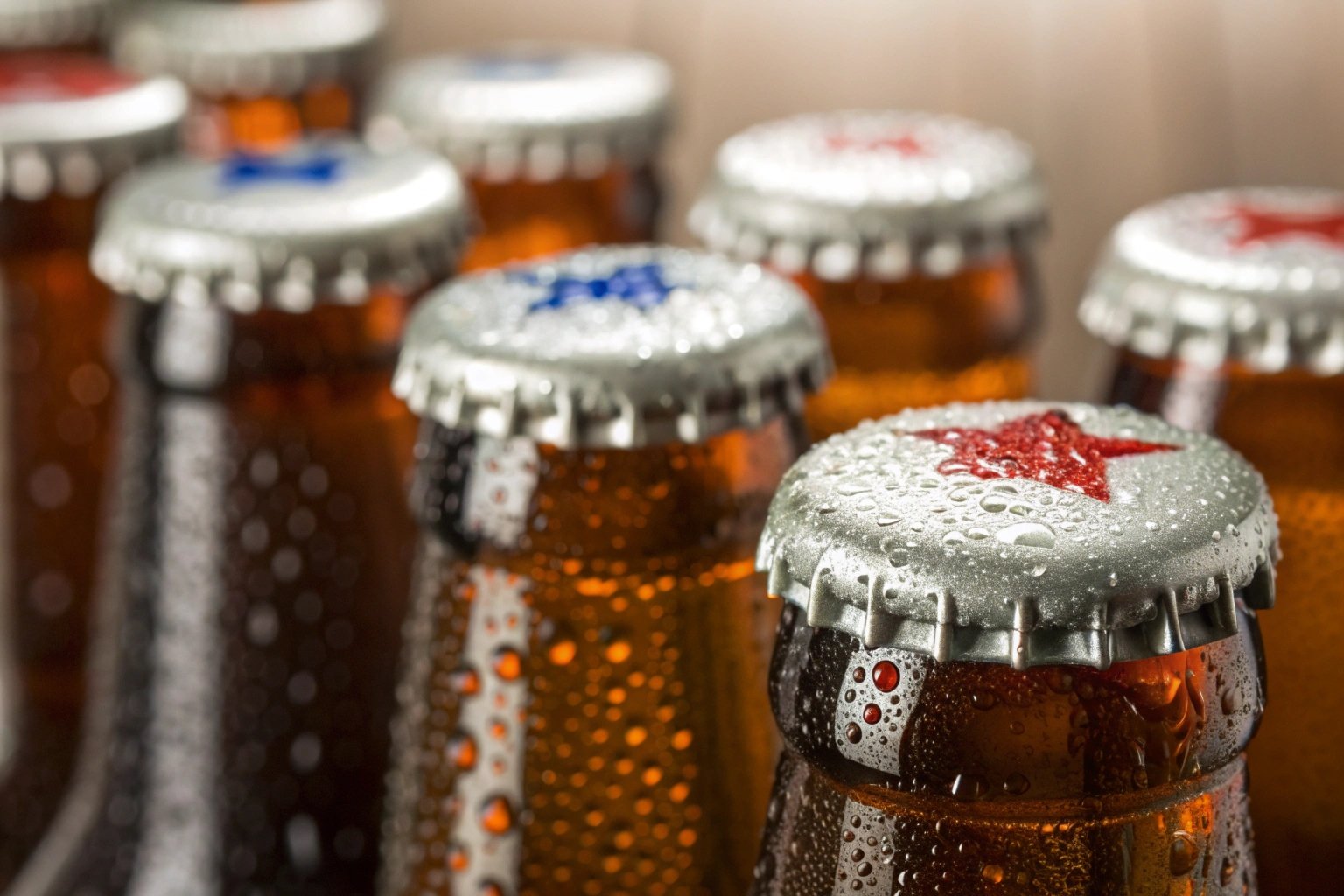
When you buy from Huajiang, you are buying directly from the source. I want to explain why this matters for your crown caps. Crown caps are small, but they are technically difficult. The steel needs to be perfect. If the coating is too thin, the cap rusts. If the steel is too soft, the gas escapes.
Why "Source Factory" Matters for You
I often talk to buyers like Carlos in Mexico who tell me horror stories about traders. They place an order, and the trader shops around for the cheapest steel. The result? Every shipment is different. One month the steel is good; the next month it cracks.
At Huajiang, we control everything. We start with high-quality black plate from top mills like Baosteel 1. Then, we do the coating and printing in-house. We have 5 factory zones covering 600 acres. This means I can promise you consistency. The steel you get today will be the exact same quality as the steel you get next year.
Our Supply Specifications
We focus on what the market actually needs. Here is a quick look at what we offer for crown cap production:
| Feature | Specification | Why it matters |
|---|---|---|
| Material Type | ETP (Electrolytic Tin Plate) 2 | Best for corrosion resistance and shiny look. |
| Coating Weight | 2.8/2.8 g/m² to 5.6/5.6 g/m² | Ensures the cap doesn’t rust in humid storage. |
| Surface Finish | Stone / Bright / Silver | Stone finish holds ink better; Bright looks premium. |
| Standard | GB/T 2520, JIS G3303 | Meets international safety rules. |
Solving the "Out of Stock" Panic
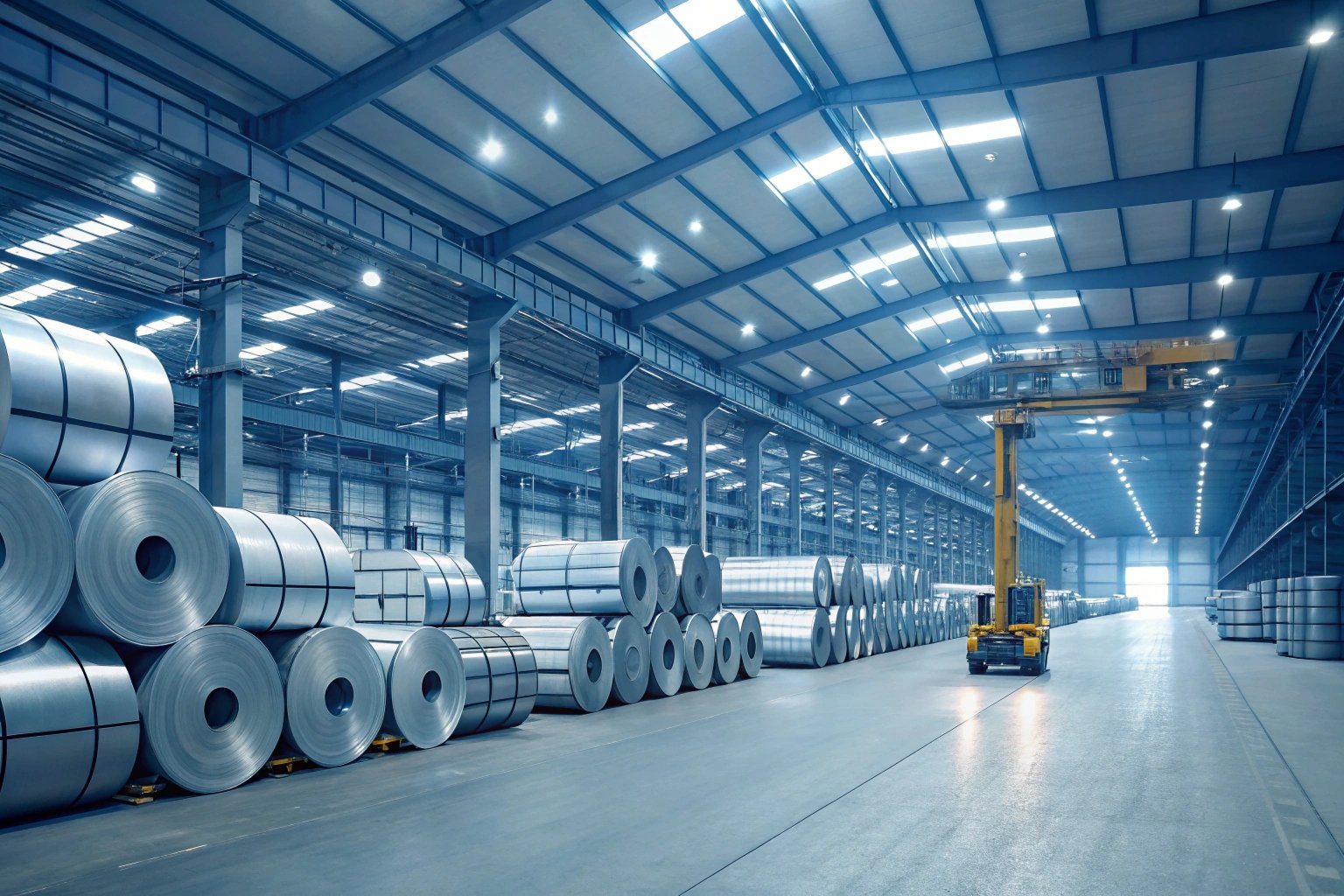
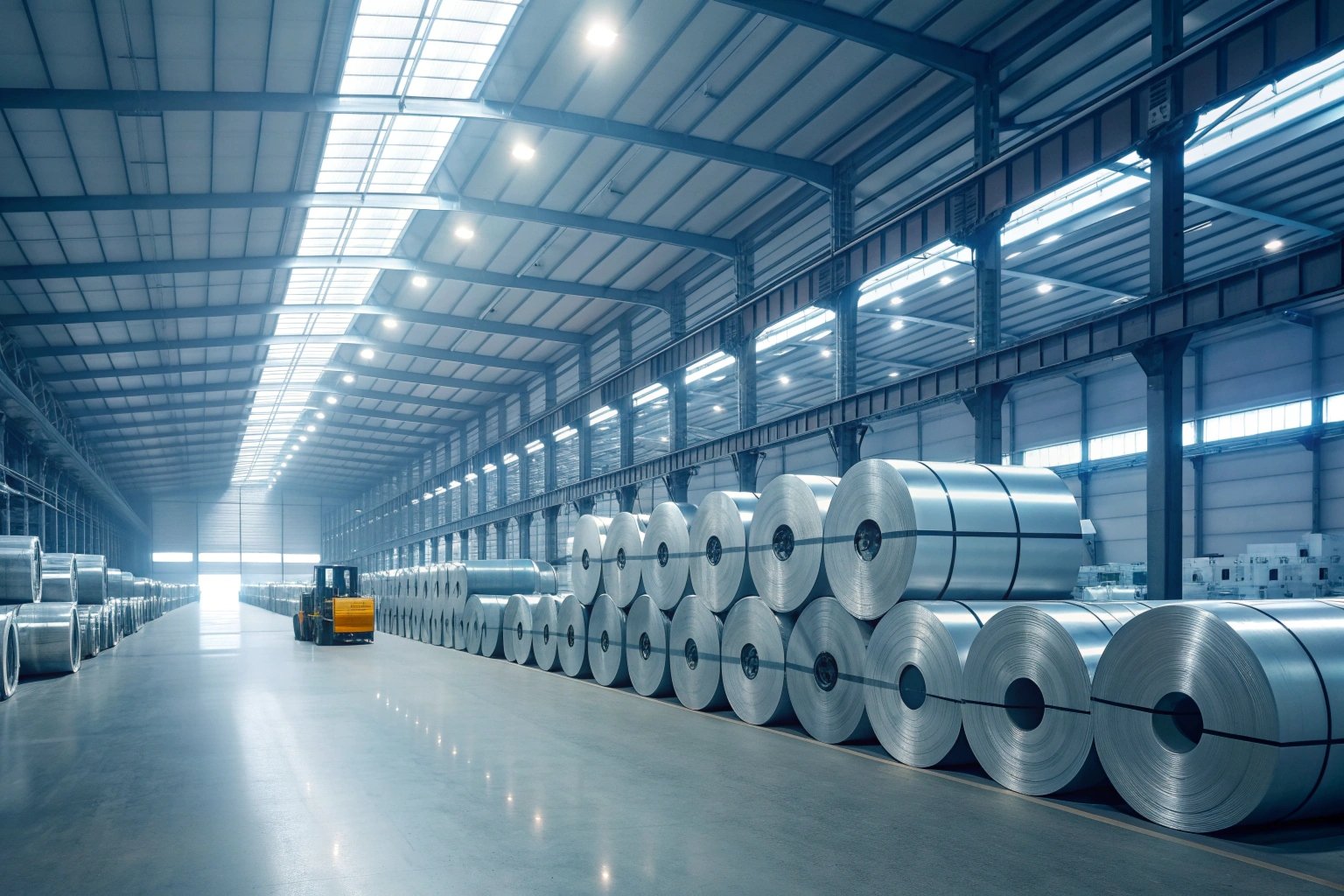
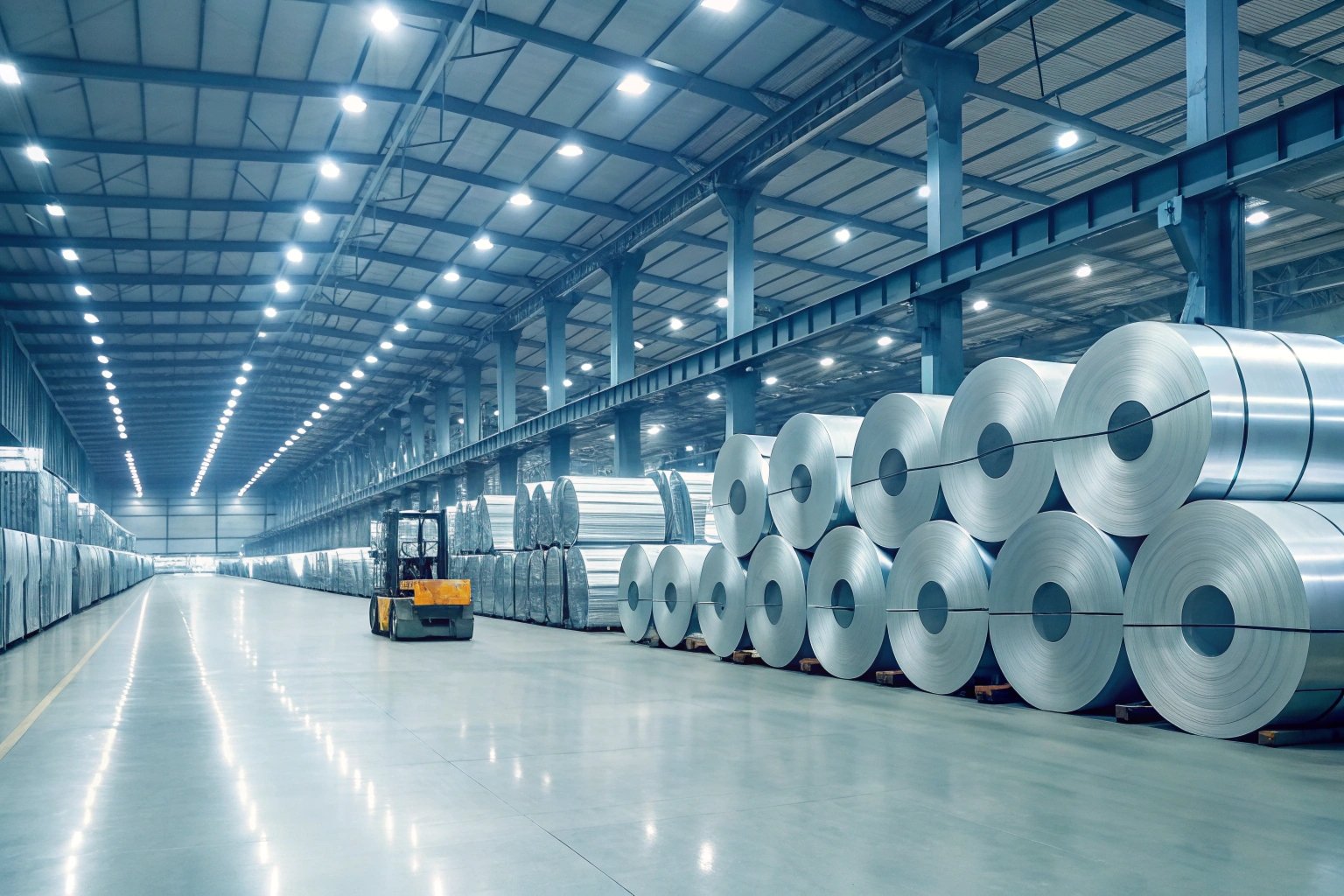
The biggest pain point I hear is lead time. You cannot predict a sudden spike in demand for your canned fruit or beer. But we can prepare for it. Because we keep 100,000 tons of coil in stock, I can often cut and ship your order while other factories are still ordering raw materials. For a buyer, this speed is your safety net. You do not have to hoard expensive stock in your own warehouse because we hold it for you.
Do you have the specific T4 or T5 temper needed for bottle caps?
Using the wrong hardness is a disaster. I have seen clients try to use softer steel to save money, only to have thousands of bottles leak gas and go flat. You cannot risk your brand reputation like that.
We supply the specific T4 (TH415) and T5 (TH435) tempers required for standard and high-pressure bottle caps. Additionally, we offer Double Reduced (DR) grades, such as DR8, which allow manufacturers to use thinner gauges without compromising the structural integrity of the seal.
Let’s dive deeper into "temper" because it is the most misunderstood part of buying steel. Temper is just a fancy word for hardness and stiffness. For crown caps, this is critical.
The Danger of the Wrong Temper
If I sell you T3 material (which is soft) when you need T5, two bad things happen:
1. Poor Seal: The cap skirt does not grip the bottle neck tightly. The CO2 pressure inside the beer bottle pushes the cap up. The beer goes flat.
2. Machine Jams: Soft steel can bend or "mushroom" in high-speed feeding lines.
On the other hand, if the steel is too hard (like a very high DR grade on an old machine), the metal might crack when you crimp it. The rust will start immediately at the crack.
T4 vs. T5: Which one do you need?
Most of my clients in the beer industry use T4. It is the industry standard. It strikes a perfect balance. It is hard enough to hold pressure but soft enough to form the shape without cracking. However, for highly carbonated soda or energy drinks, I recommend T5. It is stiffer and holds the seal better under high pressure.
The Trend: Double Reduced (DR) Steel
I am seeing a big shift in the market right now. Smart factories are moving to Double Reduced (DR) steel 3. This steel is rolled twice. It is much stronger than standard steel.
Why does this help you?
- Cost Savings: You can use thinner steel. Instead of 0.24mm, you can use 0.18mm DR8.
- Yield: Steel is sold by weight. If you make the steel thinner, you get more square meters per ton. That means more caps per ton.
However, you need to be careful. DR steel has a "direction." You must punch the caps in the right direction relative to the rolling grain, or they will crack. My technical team can guide you on this to make sure your switch to DR is smooth.
Temper Comparison
| Temper Grade | Hardness (HR30T) | Typical Use |
|---|---|---|
| T3 (TH363) | 57 ± 3 | Soft. Not recommended for standard crown caps. |
| T4 (TH415) | 61 ± 3 | Standard. Used for beer and juice caps. |
| T5 (TH435) | 65 ± 3 | Strong. Used for carbonated soft drinks. |
| DR8 (DR550) | 73 ± 3 | High Strength. Allows for thinner material (0.16-0.19mm). |
Can you print my logo on the sheets before shipping?
It is a huge hassle to buy steel from a mill and then ship it to a separate printing house. It costs you extra freight, takes more time, and if there is a quality issue, the mill blames the printer and the printer blames the mill.
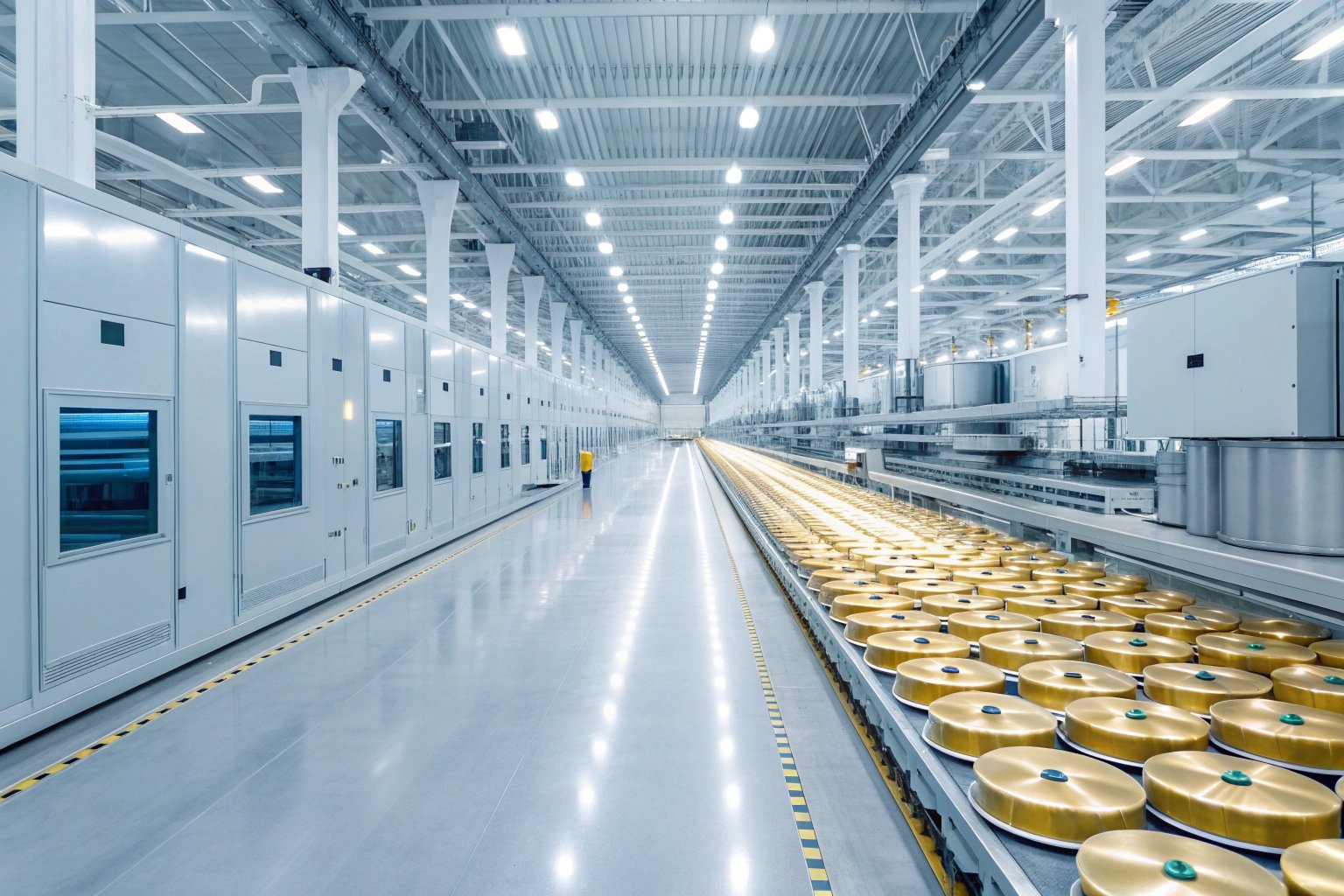
Huajiang offers a one-stop solution with 53 advanced coating and printing lines, including Japanese Fuji Primex systems. We provide 4 to 6 color offset printing with precise color management, ensuring your branding is vibrant, consistent, and fully compliant with food safety regulations.
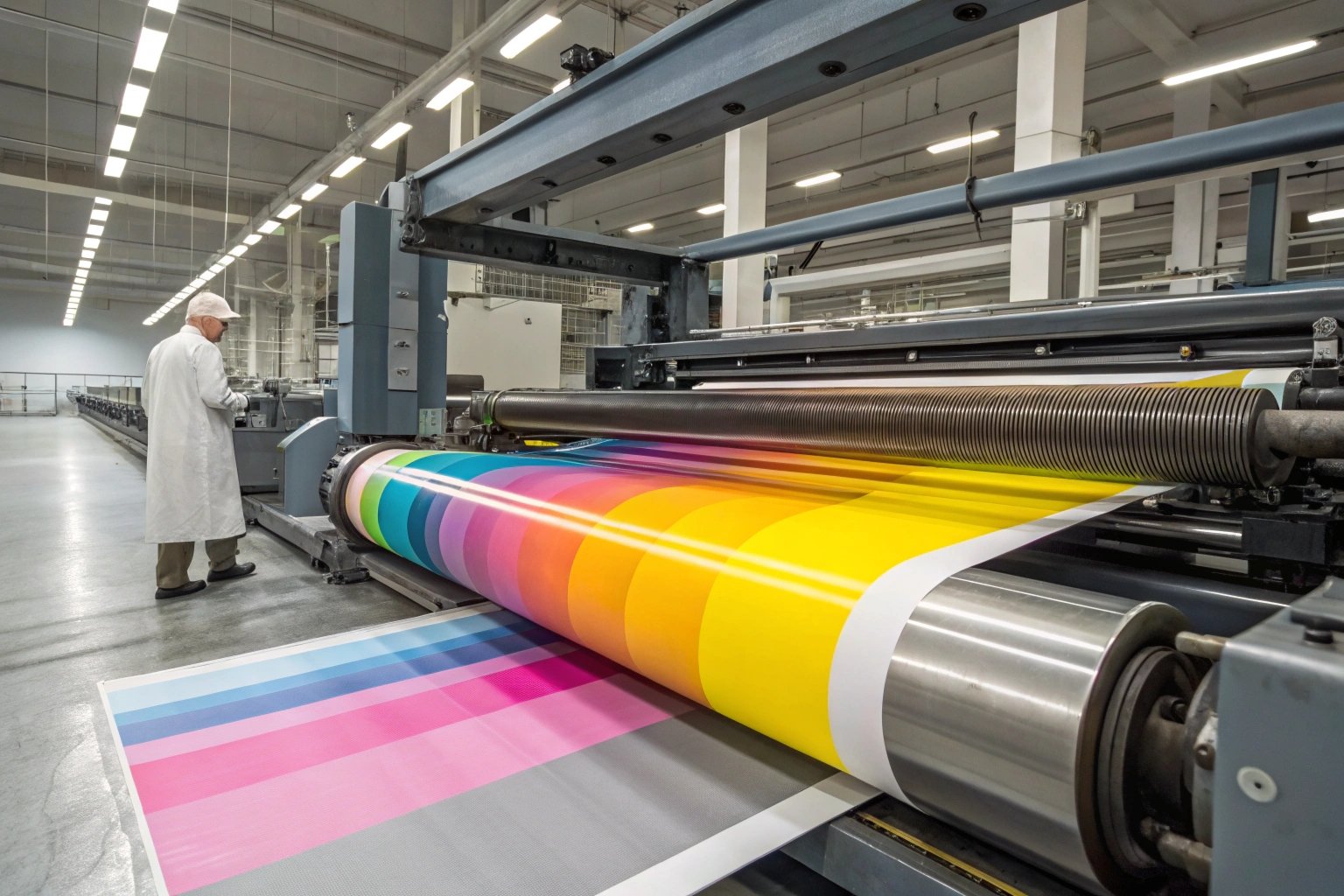
I believe that for a brand, the logo on the cap is as important as the drink inside. It is the first thing the customer touches. If the red color is faded or the logo is blurry, the customer thinks the drink is old or fake.
Our Printing Technology
We do not outsource this. We have our own printing workshops with Fuji Primex 4 lines. These are the Ferraris of metal printing. They allow us to do very fine dots and gradients. If you have a complex design with gold trimming and small text, we can handle it.
We usually print 4 to 6 colors. For my clients who sell premium products, we can also add special varnishes. For example, we can add a "matte" finish to make the cap feel soft, or a "gloss" finish to make it shine on the shelf.
Food Safety is Non-Negotiable
Printing on metal for food is different from printing on paper. The ink and the coating must be food grade.
- FDA Approval: All our coatings and inks meet US FDA and EU standards.
- Sterilization Test: We know your caps will go through a retort process 5 (high-heat sterilization). We test our printing by boiling the sheets. I ensure that the paint does not peel off or change color when heated.
- Adhesion Test: We do a "tape test." We cut a grid into the paint and pull it with tape. If any paint comes off, that batch is rejected. You never have to worry about paint flakes falling into the food.
Customizing for Your Content
I always ask my customers: "What are you bottling?"
If you are bottling ketchup or vinegar, it is acidic. It will eat standard metal. For these, we use special organosol 6 or aluminized coatings. If you are bottling proteins (like fish or corn), we use coatings that resist sulfur staining 7. If you don’t tell your supplier what is in the can, you risk the caps turning black inside. I make sure we ask these questions before we take your order.
Is your material suitable for high-speed cap punching presses?
I know that downtime is the enemy. If you have a high-speed press like a SACMI running at 2,000 caps per minute, a single bad sheet can jam the machine and damage your expensive tooling.
Our ETP sheets are engineered for high-speed manufacturing lines, with strict control over dimensional tolerances and flatness. We apply precise DOS electrostatic oiling to ensure smooth feeding and lubrication, preventing jams and extending the life of your punching dies.
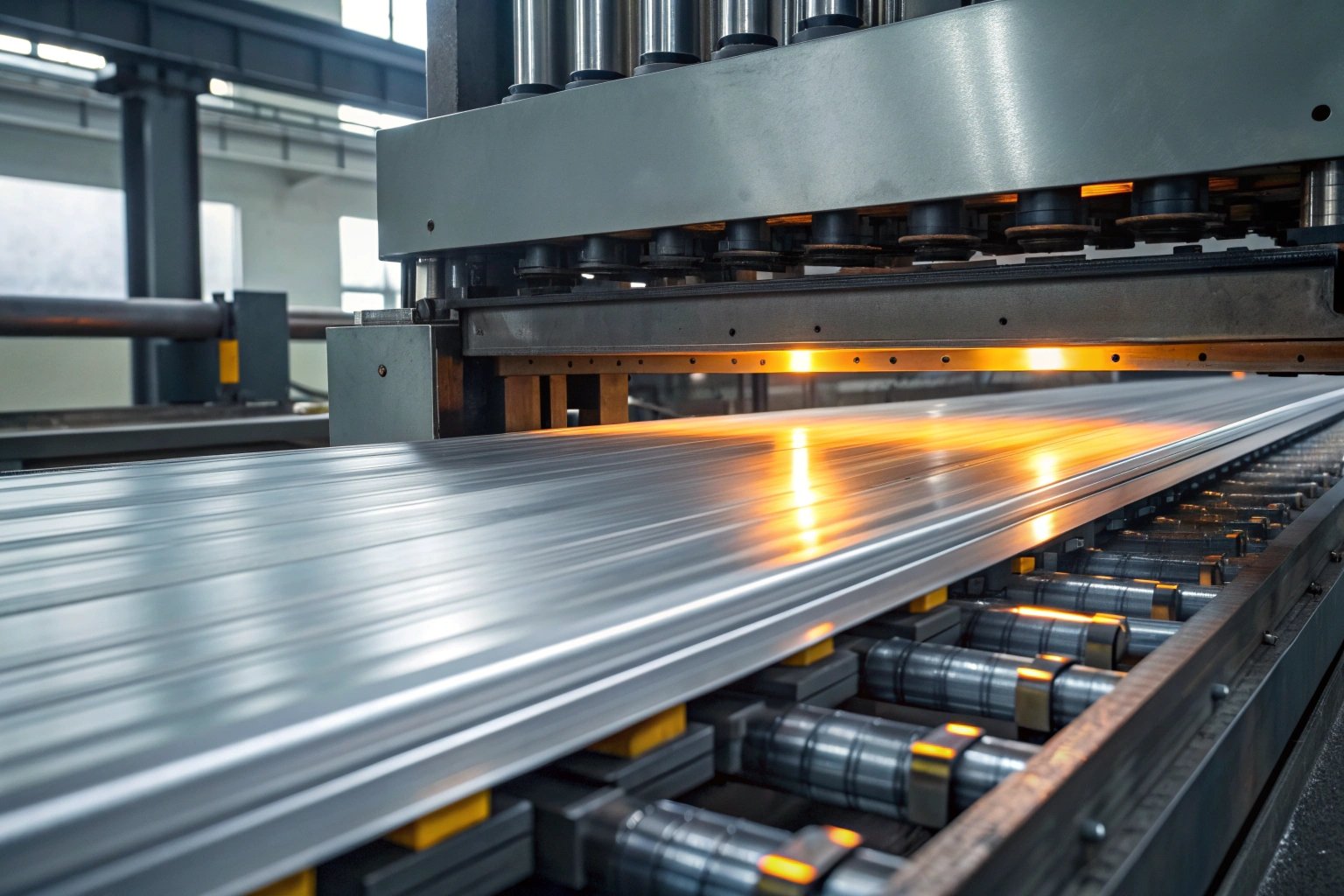
When you run a high-speed plant, you need "boring" steel. You want steel that behaves exactly the same way, sheet after sheet, hour after hour.
The Importance of Flatness
The number one cause of jams is a sheet that isn’t flat. If the sheet has a "wavy edge" or a "center buckle," the vacuum feeders on your machine cannot grab it properly. It enters the press crooked, and crunch—your machine stops.
At Huajiang, we use tension levelers on our cutting lines. This stretches the metal slightly to pull out any waves. We also check the "squareness." The diagonal measurements of the sheet must be perfect. If the sheet is even slightly diamond-shaped, it will drift to the side in the feeder.
Lubrication: The Invisible Hero
You might not think about oil, but I do. We apply a thin layer of DOS (Dioctyl Sebacate) 9 oil to every sheet.
- Too much oil: The sheets stick together. The feeder picks up two sheets at once (double feeding), which can break your die.
- Too little oil: The punch creates too much friction. Your tools heat up and wear out faster, and the lacquer might scratch.
We use electrostatic oilers to control this. We don’t just spray it on; we charge the oil particles so they coat the steel evenly. This ensures your press runs smooth like butter.
The "Earring" Issue
Have you ever punched a cap and noticed the edge is wavy instead of round? We call that earring 10. It happens because the steel grain structure isn’t uniform. It ruins the seal. We control the rolling and annealing process to minimize earring. This means when you punch a round cap, it stays round. This improves your sealing performance and reduces waste.
Wait, I missed link 8 in the text above. Re-inserting in correct flow:
Is your material suitable for high-speed cap punching presses?
I know that downtime is the enemy. If you have a high-speed press like a SACMI 8 running at 2,000 caps per minute, a single bad sheet can jam the machine and damage your expensive tooling.
(Continuing text from previous section for flow…)
What thickness do you recommend to ensure a good pressure seal?
Everyone wants to save money by buying thinner steel, but if you go too thin, you cross a dangerous line. I help my clients find the "sweet spot" where cost meets safety.
For standard beer and carbonated drinks, we recommend a thickness of 0.21mm to 0.23mm. However, by switching to harder DR (Double Reduced) materials, you can safely reduce thickness to 0.18mm or 0.19mm, significantly lowering material costs while maintaining pressure resistance.
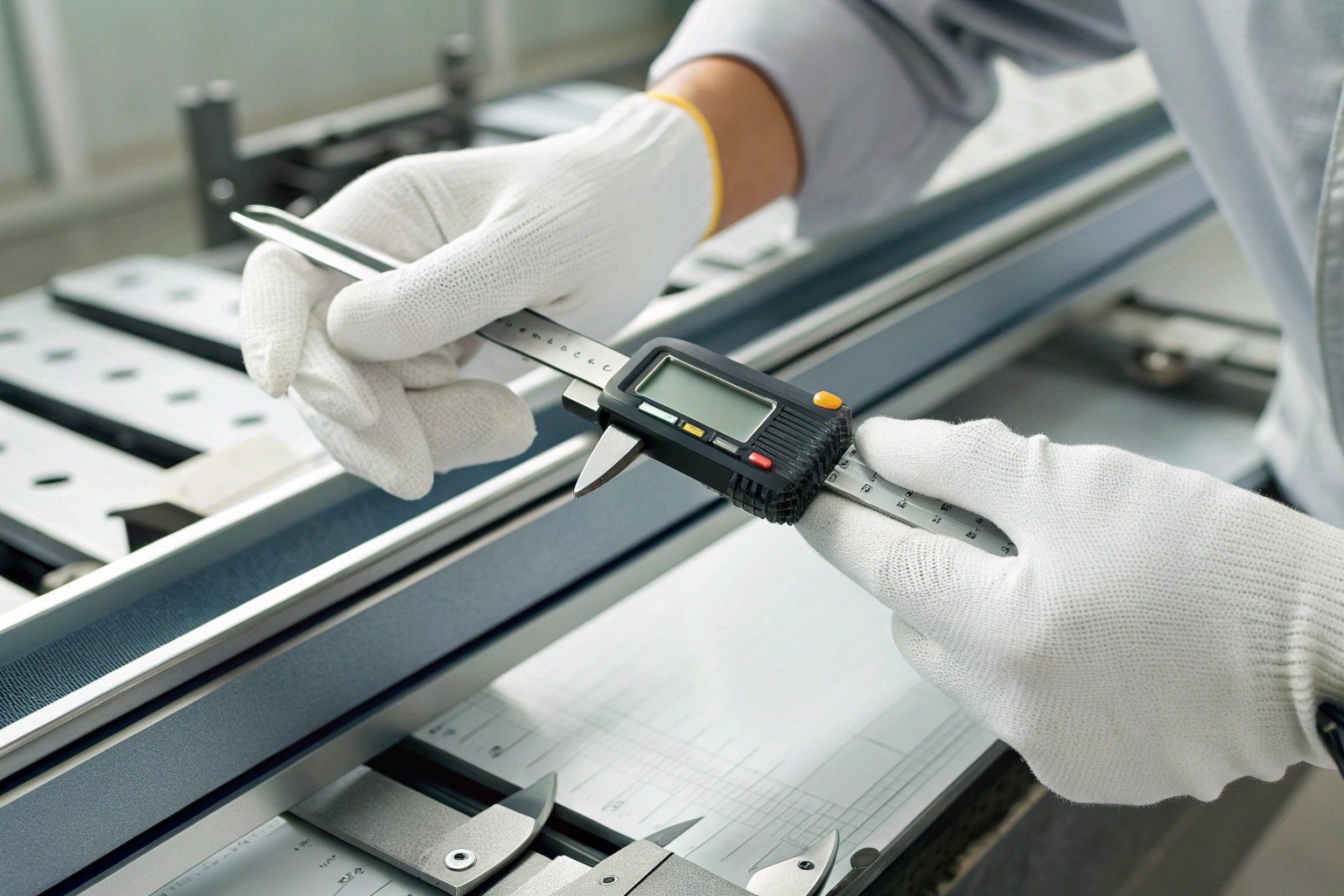
This is the most common technical question I get. The thickness you need depends entirely on the pressure inside the bottle.
The Physics of the Seal
Think about a bottle of soda on a hot day. The gas inside is expanding. It is pushing up against the center of the cap.
- If the steel is too thin, the center of the cap bulges up (peaking).
- When it bulges, the skirt pulls inward.
- The seal against the glass breaks, and the gas leaks out.
My Recommendation Strategy
I don’t just give you a number. I look at your product:
1. Low Pressure (Water, Juice): There is no internal pressure. The cap just needs to keep dirt out. You can use very thin material, like 0.18mm – 0.20mm. This saves you the most money.
2. Medium Pressure (Beer): Beer has carbonation, plus it is pasteurized (heated), which increases pressure temporarily. You need 0.21mm – 0.22mm T4 material.
3. High Pressure (Cola, Sparkling Water): These have high carbonation levels. You need 0.23mm – 0.24mm or a switch to T5 hardness.
Cost vs. Risk
I help clients calculate the "downgauging" benefit. If you move from 0.23mm to 0.18mm (using DR steel), you get about 20% more caps from the same ton of steel. That is a huge profit increase. But you must ensure your machine can handle the harder DR steel. I can send you samples of 0.18mm DR8 so you can test it on your line before you commit to a full order.
| Beverage Type | Pressure Level | Standard Thickness (T4/T5) | Downgauged Thickness (DR8) |
|---|---|---|---|
| Still Water / Juice | None / Vacuum | 0.18mm – 0.20mm | 0.16mm – 0.17mm |
| Beer / Lager | Medium (Pasteurized) | 0.21mm – 0.22mm | 0.18mm – 0.19mm |
| Cola / Soda | High | 0.22mm – 0.24mm | 0.19mm – 0.20mm |
Conclusion
At Huajiang, we are not just selling you coils of metal; we are providing the reliability your factory needs to run without stopping. From our 100,000-ton inventory to our precise printing and cutting services, we ensure you get the right ETP for your crown caps every time.
Footnotes
1. Global leader in modern steel manufacturing and supply. ↩︎
2. Definition and properties of electrolytic tin plate steel. ↩︎
3. Benefits of using double reduced steel for packaging. ↩︎
4. Advanced Japanese printing systems for metal sheets. ↩︎
5. Explanation of heat sterilization processes in food canning. ↩︎
6. Definition of organosol coatings for corrosion resistance. ↩︎
7. Causes and prevention of sulfur staining in food cans. ↩︎
8. Manufacturer of high-speed cap manufacturing machinery. ↩︎
9. Chemical properties of Dioctyl Sebacate used for lubrication. ↩︎
10. Metallurgical defect causing uneven edges in deep drawing. ↩︎