

I know the anxiety that comes with switching suppliers. You are sitting in your office, looking at a quote that looks good on paper, but your stomach turns when you think about the risks. Will the material actually arrive? Will the coating thickness match the specs? I have seen this worry on the faces of many new clients.
The short answer is yes. We fully support and encourage third-party factory audits for our Electrolytic Tin Plate (ETP) production. Whether you choose SGS, Intertek, Bureau Veritas, or a specialized team, we provide full access to verify our production lines, inventory, and quality management systems.
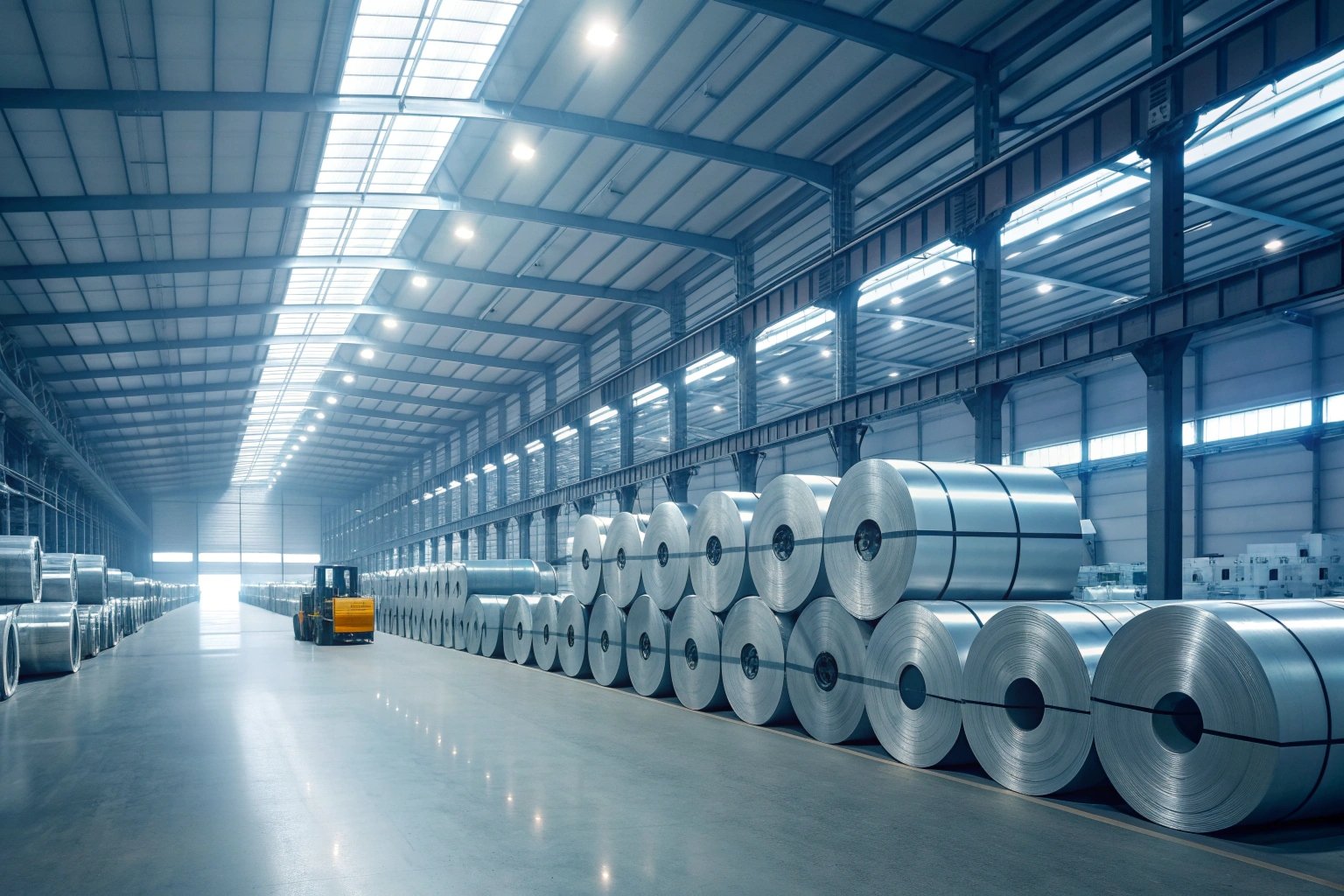
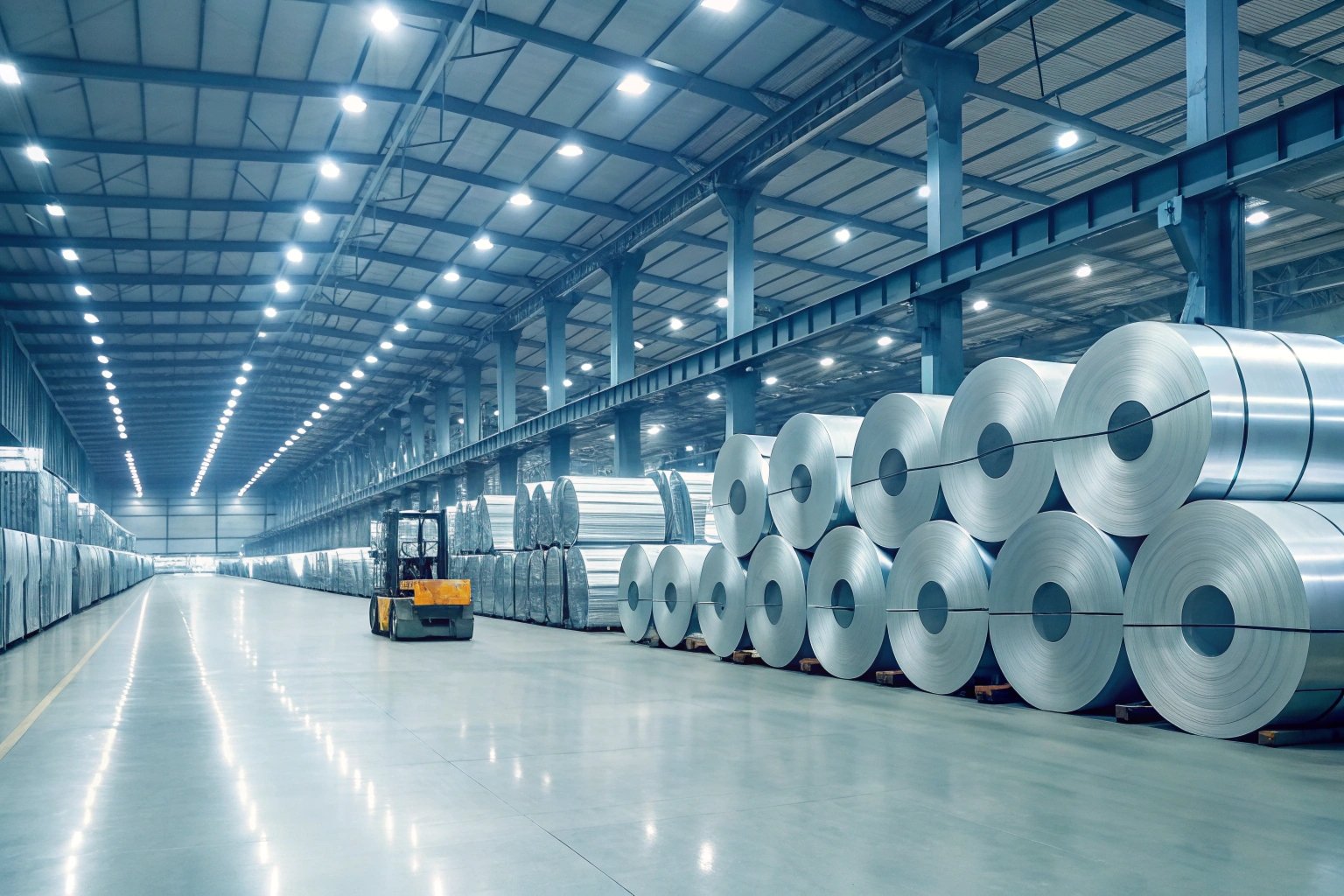
Opening our doors is the best way to prove that our 27 years of experience and our massive stock of 100,000 tons are real. We believe that transparency builds the strongest partnerships. If you are serious about quality, you should see exactly where your material comes from before you sign the contract.
Can I send a team to audit your ISO 9001 quality system?
You might worry that an ISO certificate 1 is just a piece of paper hanging on a wall. I understand that skepticism. You need to know if the daily reality on the factory floor actually matches the high standards written in the manual.
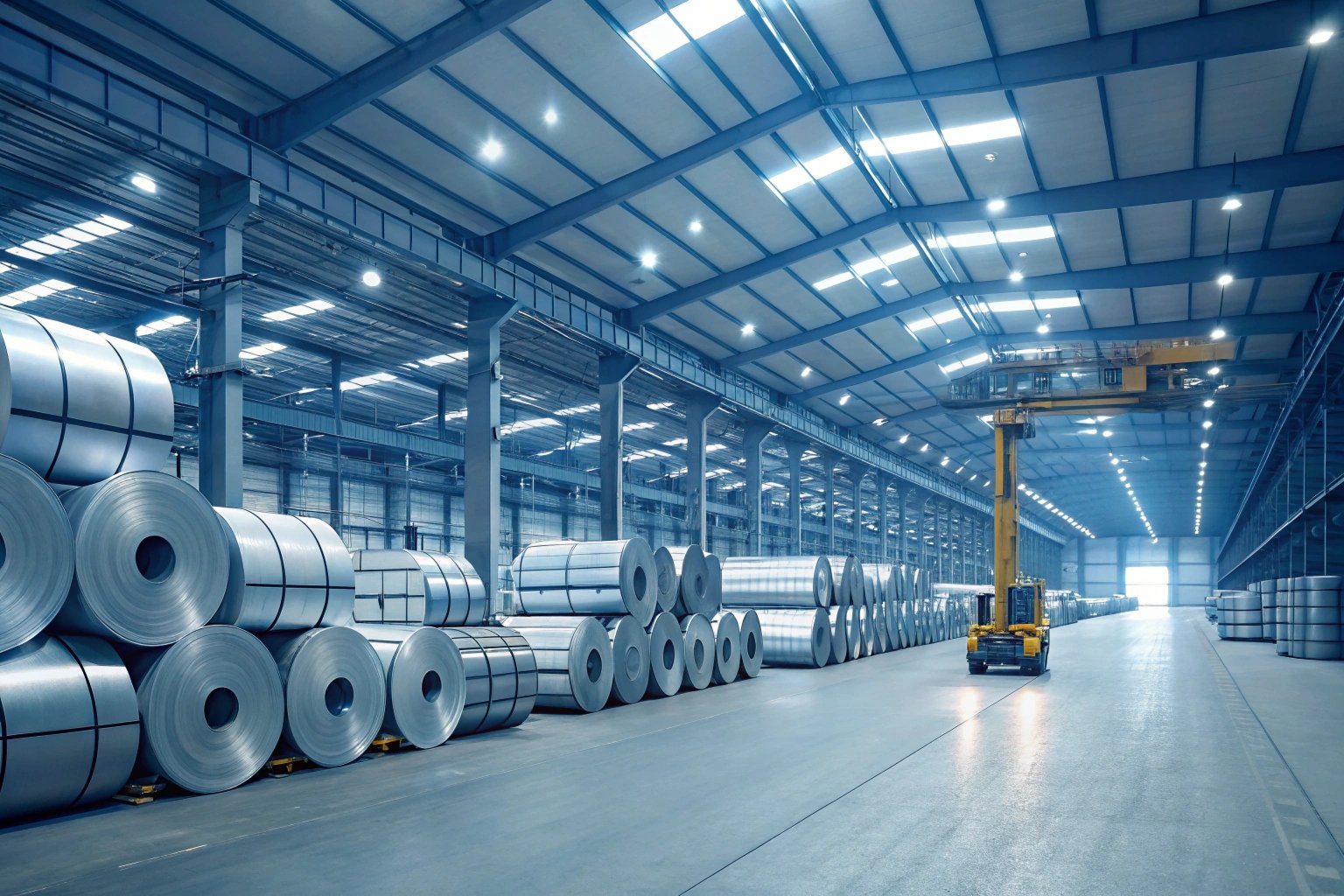
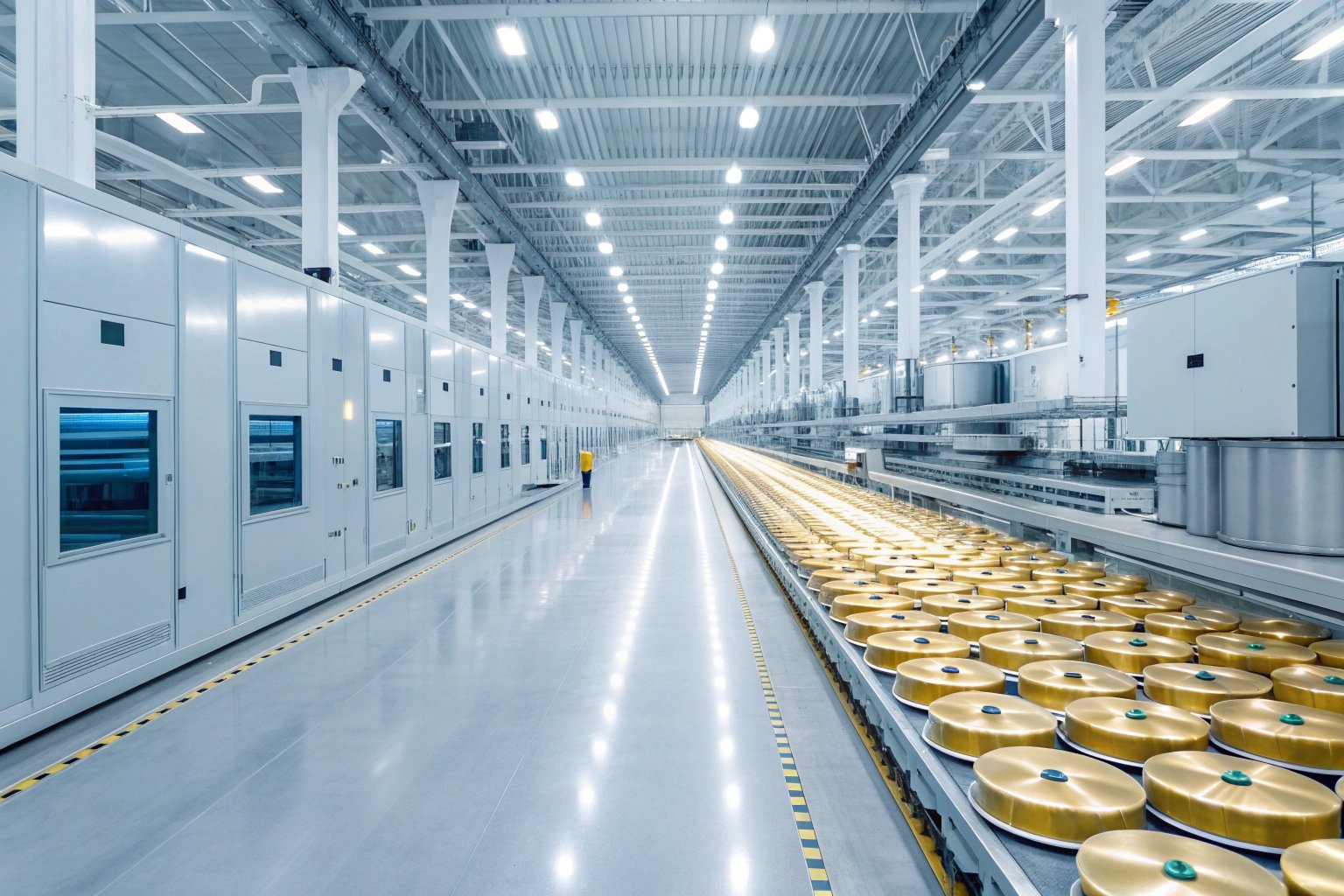
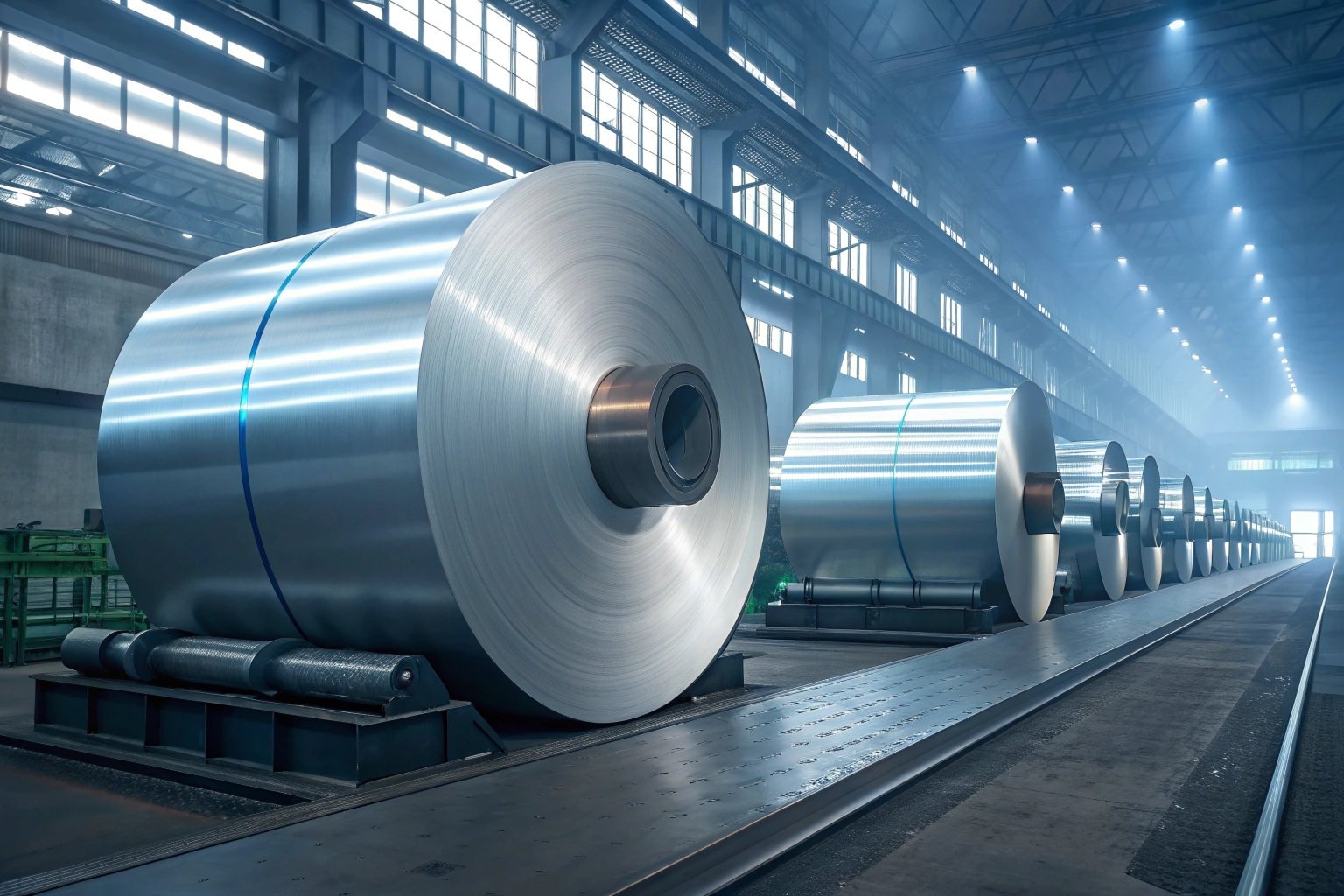
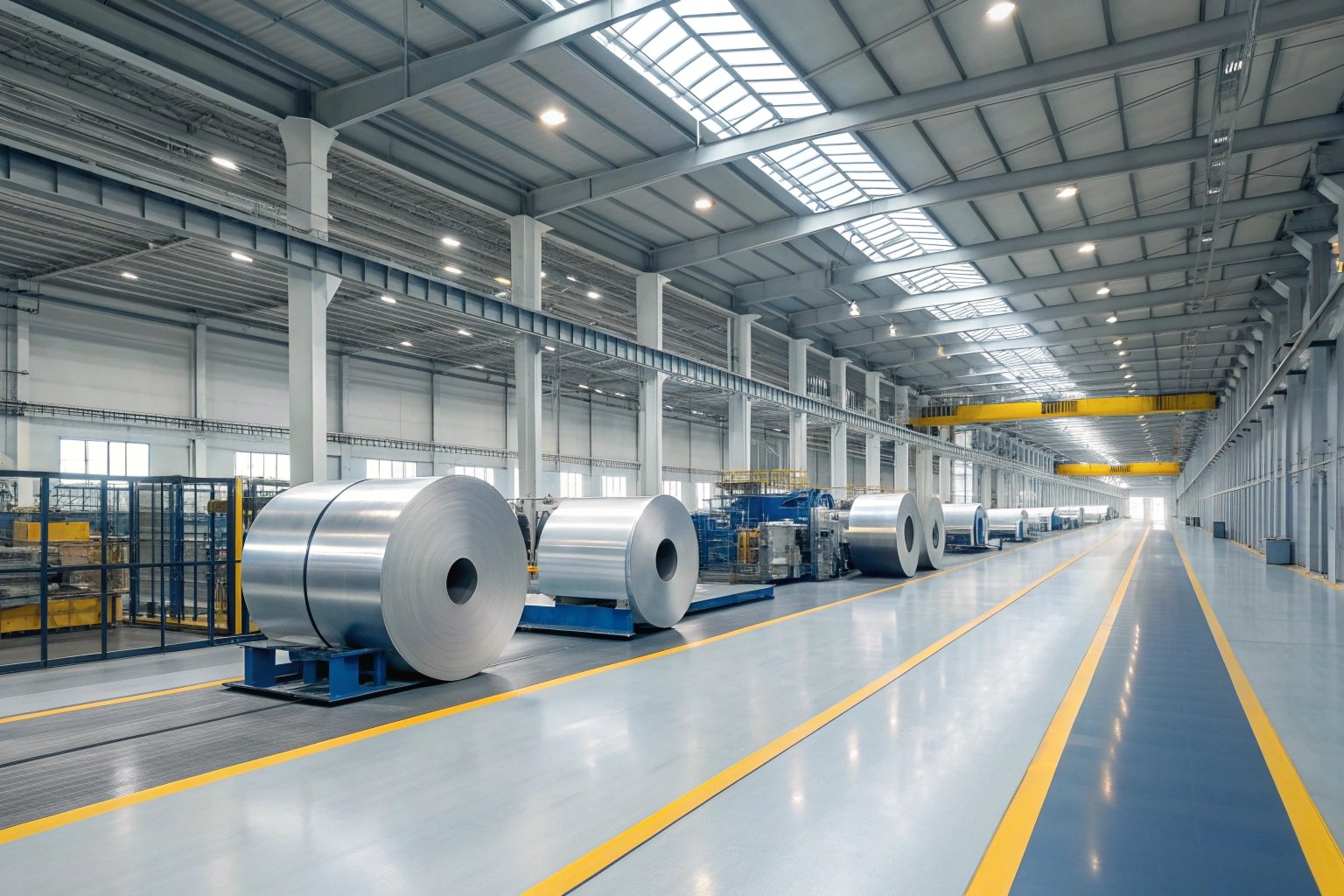
You are welcome to send your quality team or a third-party auditor to inspect our ISO 9001 quality system in action. We invite you to trace our entire process, from the incoming inspection of raw black plate to the final electronic defect detection on our coating lines.

When your team arrives at our facility in Fujian, we do not just show them a conference room. We take them deep into the operational heart of Huajiang. We understand that for a professional buyer like you, the quality system is the backbone of safety. In the metal packaging industry, a small lapse in protocol can lead to rusting cans or leakage months later. We cannot afford that, and neither can you.
What We verify During a QMS Audit
We break the audit down into specific, actionable areas. We want your team to see how we control the variables that affect your production speed and product safety.
- Incoming Quality Control 2 (IQC): We show you how we test the raw coils from big mills like Baosteel and Shougang. We check the steel grade, temper, and surface finish before we even start our process.
- In-Process Quality Control (IPQC): This is critical. You can watch our operators monitor the current density in the plating bath. You can see how we control the concentration of the electrolyte.
- Final Quality Control (FQC): We demonstrate our automated defect detection systems that scan for pinholes and surface scratches at high speeds.
We often use a comparative approach to show the value of an on-site audit versus just reviewing documents remotely.
| Audit Component | Remote Document Review | On-Site System Audit |
|---|---|---|
| Traceability | Checking batch numbers on paper. | Physically tracking a coil from raw material warehouse to finished goods. |
| Process Discipline | Reading the SOP (Standard Operating Procedure 3). | Watching operators to see if they actually follow the SOP in real-time. |
| Equipment Maintenance | Reviewing maintenance logs. | Inspecting the physical condition of the rollers, anodes, and reflow towers. |
| Defect Handling | Reading the "Non-Conforming Product" policy. | Visiting the quarantine area to see how rejected coils are physically segregated. |
The Human Element of Quality
Beyond the machines, we want you to meet our people. An ISO system is only as good as the staff running it. During the audit, your team can interview our line managers. Many of them have been with us for over 15 years. They know the personality of every machine. This deep experience is often the hidden factor that ensures your tinplate has a consistent coating weight and perfect flatness. We do not hide our process; we show you the rigorous checks we perform every hour to ensure the tinplate you receive runs smoothly on your welders.
In today’s market, you are not just buying steel; you are buying a reputation. I know that your end customers—the global food brands—demand ethical supply chains 4. You cannot afford a scandal involving unsafe labor practices or environmental negligence.
We are completely open to social compliance audits such as SEDEX or SMETA. As a major manufacturer with over 1,800 employees, we strictly follow labor laws and maintain a safe, ethical working environment that we are proud to show off.

Social compliance is often overlooked in the steel industry, but we see it as a pillar of stability. If a factory has high staff turnover due to poor treatment, the product quality will fluctuate. A happy, safe worker pays more attention to detail. This is why "Huajiang" quality is consistent—our workforce is stable. We view these audits not as a test we have to pass, but as a way to demonstrate our long-term reliability to you.
Why Ethical Manufacturing Matters for Tinplate
You might wonder how social compliance affects the physical quality of a tin can. The connection is direct. Producing Electrolytic Tin Plate 5 involves complex chemical processes and heavy machinery. It requires alert, well-rested, and well-trained operators.
Key Compliance Areas We Focus On
When an auditor comes for a social compliance check, we provide full transparency in the following areas:
- Health and Safety: We show the auditor our safety guards on slitting machines, our air filtration systems in the coating lines, and our regular fire drill records. We invest heavily here because a safe factory is an efficient one.
- Labor Rights: We provide payroll records to prove we pay fair wages and overtime. We respect the working hours. This ensures that the person inspecting your tinplate is not exhausted from a double shift.
- Environmental Responsibility: This is huge in China right now. We show our advanced wastewater treatment 6 facilities. We ensure that the chemicals used in the passivation process are neutralized before discharge.
We track several metrics that directly correlate social responsibility with production stability.
| Social Metric | Impact on Production | Benefit to You |
|---|---|---|
| Employee Turnover Rate | Low turnover means experienced operators. | Consistent product quality from batch to batch. |
| Safety Incident Rate | Zero major accidents keeps lines running. | No unexpected shutdowns or delays in your shipment. |
| Training Hours per Year | Skilled workers understand quality standards. | Fewer defects like scratches or uneven coating. |
| Environmental Permits | Full compliance prevents government shutdowns. | Guaranteed supply stability, even during strict environmental crackdowns. |
By allowing these audits, we give you the documentation you need to satisfy your corporate sustainability goals. More importantly, we give you peace of mind. You know that the material sitting in your warehouse was made by people who are treated with respect, in a facility that cares about the future.
How much advance notice do you need for a factory visit?
I know that business travel can be unpredictable. Sometimes you are already in Asia visiting other suppliers, and you decide you want to stop by Fujian to see us. You want to know if we are flexible enough to accommodate you.
We recommend giving us at least one to two weeks of advance notice for a factory visit. This allows us to arrange proper transportation, secure hotel accommodations, and ensure our technical engineers are available to meet with you.

While we can sometimes accommodate last-minute visits, a little planning goes a long way. We want your visit to be productive, not just a walk-through. We want to have the right people in the room—not just a sales manager, but the technical director who understands the chemistry of our lacquers and the mechanics of our printing lines. We treat every visit as a chance to solve your specific problems.
Logistics and Preparation
Visiting a factory in China can be daunting if you do not know the local area. We take that burden off your shoulders. When you tell us you are coming, our team swings into action. We are located in Fujian Province 7, which is a hub for the metal packaging industry.
What We Prepare for You
We do not just unlock the doors. We customize the visit based on your needs.
- Sample Preparation: If you tell us you are interested in a specific temper (like DR8) or a specific coating weight (like 2.8/2.8), we will try to schedule your visit when that specific product is running on the line. Or, we can have samples pulled from our warehouse ready for your inspection.
- Technical Consultation: If you have had issues with "sulfur staining" or "acid corrosion" with previous suppliers, we will bring in our lab head. We can sit down and look at the technical data together.
- Safety Briefing: A steel mill is an industrial environment. We need time to prepare safety gear (helmets, vests) for your team to ensure you can walk close to the lines safely.
Here is a typical timeline for setting up a successful audit or visit:
| Timeframe | Action Item | Why it is Important |
|---|---|---|
| 2 Weeks Before | Confirm dates and team members. | We send invitation letters for your Visa applications if needed. |
| 1 Week Before | Share specific areas of interest. | We adjust production schedules or prepare specific samples for you to see. |
| 3 Days Before | Confirm flight/train details. | We arrange a driver to pick you up from the Xiamen or Fuzhou airport. |
| Day of Visit | Factory tour and technical meeting. | We focus entirely on your business needs without distractions. |
We want you to feel like a guest, not a number. By giving us notice, you allow us to demonstrate the full scope of our hospitality and our professional capability. We want you to leave not just with a price list, but with the confidence that we are a partner who respects your time.
Can I see your laboratory testing equipment during the tour?
You are a professional. You know that in the canning industry, eyes are not enough. You cannot "see" the difference between a T3 and a T4 temper, or verify the tin coating weight just by looking at the surface. You need data.
Absolutely, the laboratory is the highlight of our factory tour. We will show you our full range of testing equipment, including hardness testers, coating analyzers, and sterilization retorts, so you can verify our data integrity yourself.
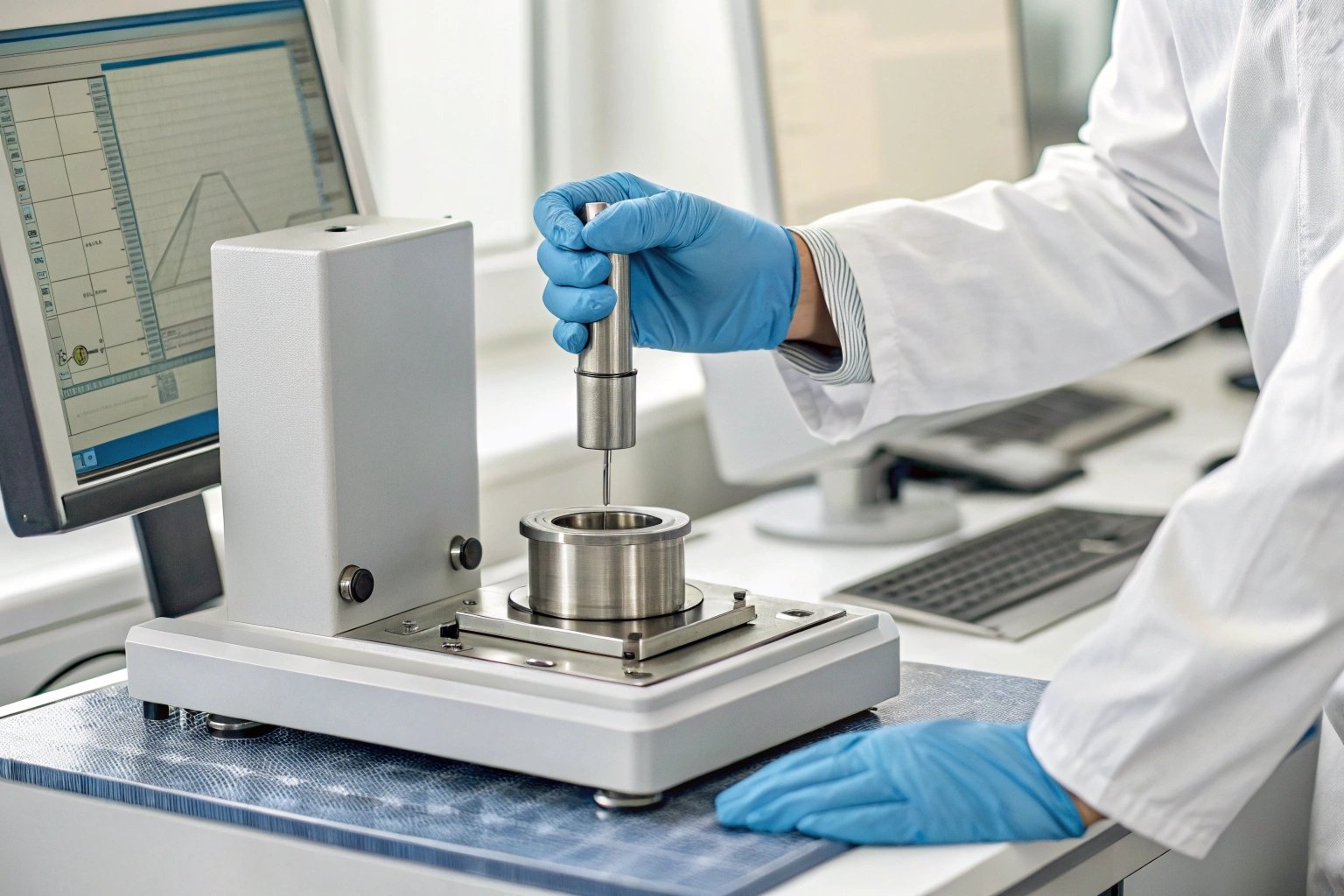
Our lab is where we prove our quality. It is not a closed room; it is an open book. We know that for high-acid foods or sulfur-rich contents like meat and fish, the chemical properties of the tinplate are a matter of life and death for the product. We want you to challenge us. Ask us to run a test while you watch. We are confident in our results.
Critical Tests We Demonstrate
When we walk into the lab, I usually guide clients to three specific areas that matter most for food safety and canning efficiency.
-
Tin Coating Analysis (Coulometric Method):
We use advanced electrolytic analyzers to measure the exact amount of tin on the steel surface. This is not an estimate. You can see the graph on the screen as the machine strips the tin layer. This ensures that when you order 2.8g/m², you get exactly that. Too little tin means rust; too much is a waste of money. We get it right. -
Hardness and Temper Testing:
You will see our Rockwell hardness 8 testers in action. This is crucial for your can-making machines. If the plate is too soft, the cans will collapse (panelling). If it is too hard, it will crack during flanging. We test every coil to ensure the mechanical properties fall within the strict ASTM 9 or JIS standards you require. -
Corrosion Resistance and Lacquer Adhesion:
For our printed and lacquered products, we show you the sterilization simulation. We put the coated tinplate into a retort (autoclave) to simulate the cooking process of your canned food. We check for blushing, peeling, or blistering.
The "Fat Can" Prevention
One of the biggest fears for any buyer is the "swollen can" or "fat can" caused by hydrogen gas generation inside the can. This happens when the steel reacts with the food acid.
To prevent this, we perform specific tests that you can witness:
- Pickle Lag Value 10 (PLV): Measures the steel surface quality before plating.
- Iron Solution Value (ISV): Checks the continuity of the tin coating.
- Tin Crystal Size (ATC): Analyzes the alloy layer which is the final barrier against corrosion.
We invest millions in this equipment because we know the cost of failure. A single leaked can on a supermarket shelf can destroy a brand. By showing you our lab, we are showing you our insurance policy against that risk.
Conclusion
We do not just support third-party audits; we welcome them as a vital part of building trust. Whether it is an ISO check, a social compliance review, or a technical lab visit, we are ready to show you exactly how we work. Transparency is our standard.
Footnotes
1. Explanation of international standards for quality management systems. ↩︎
2. Definition of quality control processes for incoming materials. ↩︎
3. How standard procedures ensure consistency in manufacturing. ↩︎
4. Overview of how networks deliver products to consumers. ↩︎
5. Technical details on the tin plating manufacturing process. ↩︎
6. Process of removing contaminants from industrial wastewater. ↩︎
7. Geography and industrial significance of Fujian, China. ↩︎
8. Explanation of the scale used to test metal hardness. ↩︎
9. Organization that sets international technical standards for materials. ↩︎
10. Technical test for measuring steel surface oxidation rates. ↩︎