
I know that sinking feeling. You open a container after a six-week voyage, and instead of shiny silver tinplate, you see brown spots. It is a nightmare for your production schedule and your wallet.
To prevent rusting, you must control the humidity inside the container using industrial desiccants and VCI packaging. You also need to ensure the container floor moisture is below 18%, apply the correct oil weight (DOS) during production, and request "under deck" stowage to avoid extreme temperature changes.
But shipping metal across the ocean is never simple. Salt air, temperature swings, and "container rain" are constant threats. At Huajiang, we have spent 27 years perfecting how we pack and ship our 100,000 tons of stock. Let me walk you through exactly how we keep your tinplate dry, from our factory floor in Fujian to your warehouse.
Do you put desiccants inside the container to control moisture?
Container ships are humid places. If we do not actively fight the moisture in the air, condensation will form on the cold metal surface of the tinplate, starting the rusting process immediately.
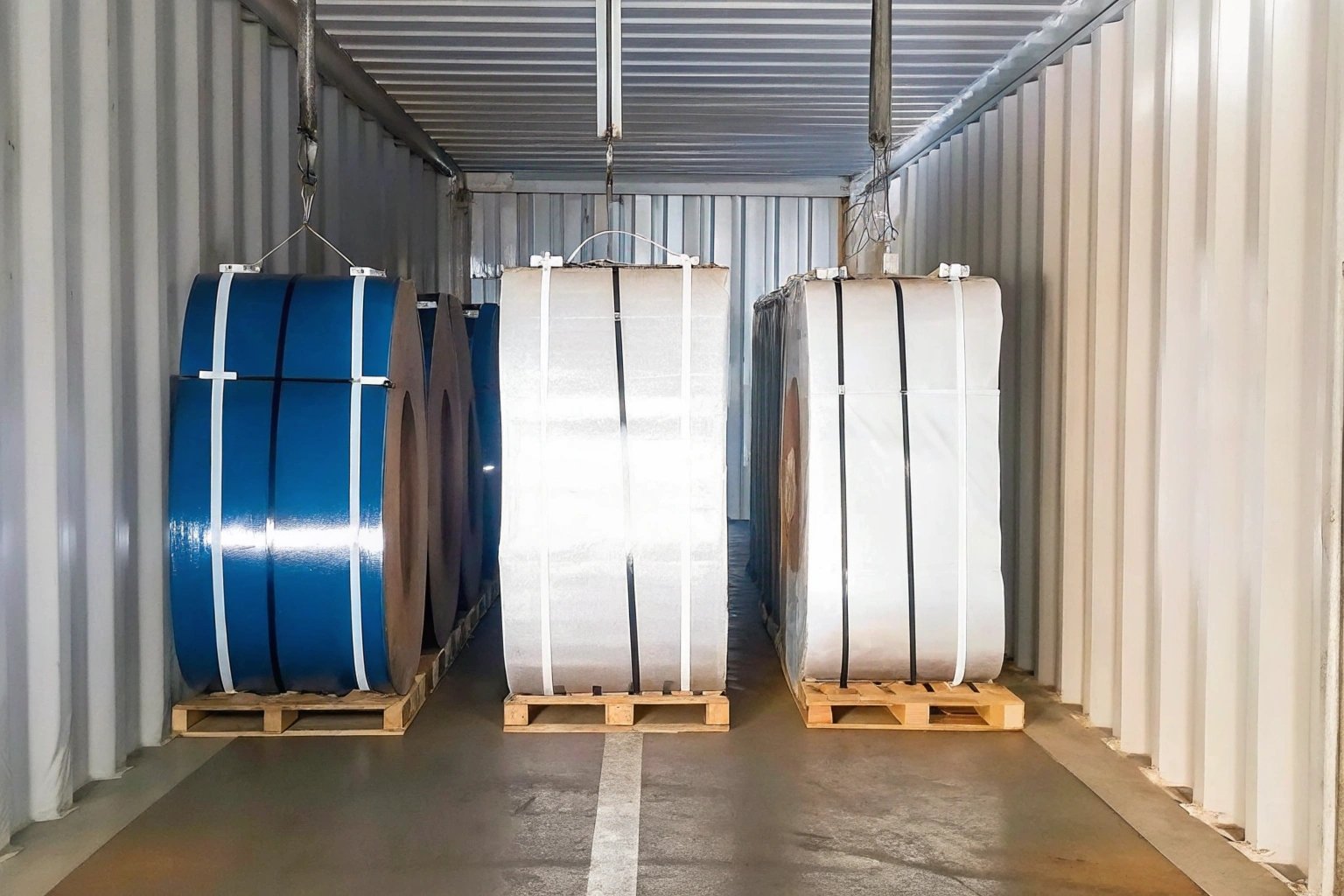
Yes, we place high-capacity calcium chloride desiccants inside every container. Unlike standard silica gel, these industrial dry poles absorb up to 200% of their weight in moisture. We hang them high on the container walls to trap the humidity before it turns into water droplets.
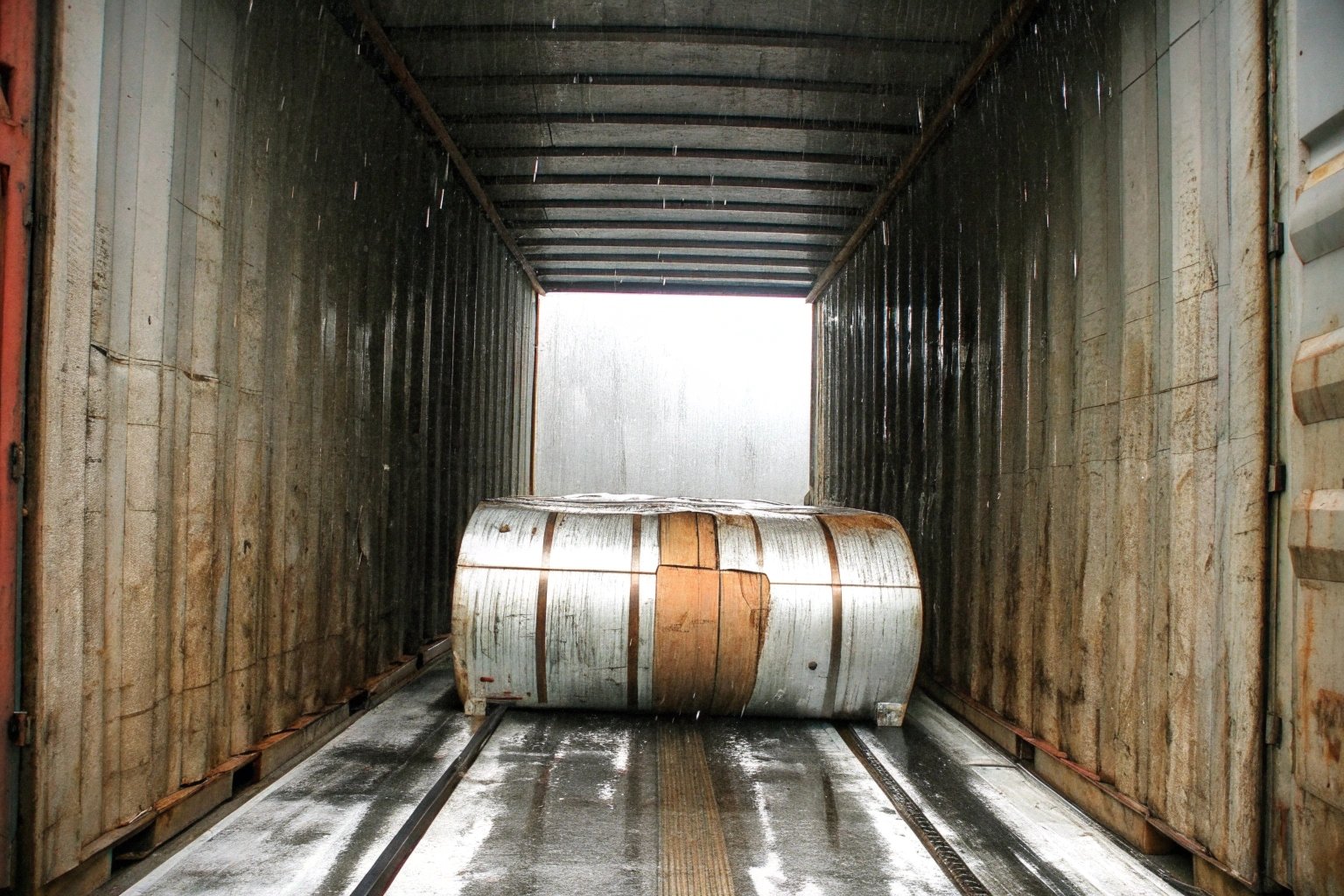
There is a phenomenon in our industry called "Container Rain." This happens when the ship travels through different climate zones. For example, if we ship from China to Mexico, the temperature might drop drastically at night. The warm, humid air inside the container cools down and can no longer hold the water vapor. This vapor turns into liquid water—dew—on the ceiling of the container. Then, it rains directly onto your valuable tinplate coils or sheets.
To stop this, we have to look at the science of moisture control. We do not just throw a few small bags of silica gel in the back and hope for the best. That is not enough for a 40-day voyage. We need a system that actively pulls water out of the air.
Why Calcium Chloride is Better
We use Calcium Chloride 1 based desiccants. Standard silica gel only absorbs about 30% of its weight in water. Once it is full, it stops working. Calcium Chloride is much more aggressive. It turns the absorbed moisture into a gel so it cannot leak back out.
| Desiccant Type | Absorption Capacity | Best Use Case | Risk Level |
|---|---|---|---|
| Silica Gel | ~30% of weight | Short trips, electronics | Low |
| Clay / Bentonite | ~25% of weight | Low value items | Low |
| Calcium Chloride | >200% of weight | Ocean freight, Metals | Best for Tinplate |
Our "Double Protection" Strategy
At Huajiang, we use a two-step defense system.
- VCI Paper: First, we wrap the coil or sheet pack in Vapor Corrosion Inhibitor 2 (VCI) paper. This paper releases a special gas inside the package. This gas settles on the metal and forms a shield that is only a few molecules thick. It stops oxygen and water from reacting with the iron.
- Container Drying: Second, we treat the air in the container. We hang long "dry poles" or desiccant strips on the hooks inside the container walls. We usually place 6 to 8 kg of desiccants for a standard 20-foot container.
We also check the ventilation holes. Standard containers have small vents. We usually tape these shut. This might sound wrong, but we want to create a sealed environment. We want the desiccants to dry the air inside the box, not try to dry the entire Pacific Ocean air coming in through the vents. By sealing the vents and using heavy-duty desiccants, we keep the dew point 3 low so "rain" never forms.
Is the container floor checked for dryness before loading?
Many buyers focus on the roof of the container, but the real enemy often comes from below. The wooden floor of a shipping container can hold gallons of water without looking wet.
The container floor must be dry, with a moisture content reading below 18%. Before we load a single coil, our logistics team uses a digital moisture meter to test the wood at multiple points. If the reading is too high, we reject the container immediately.
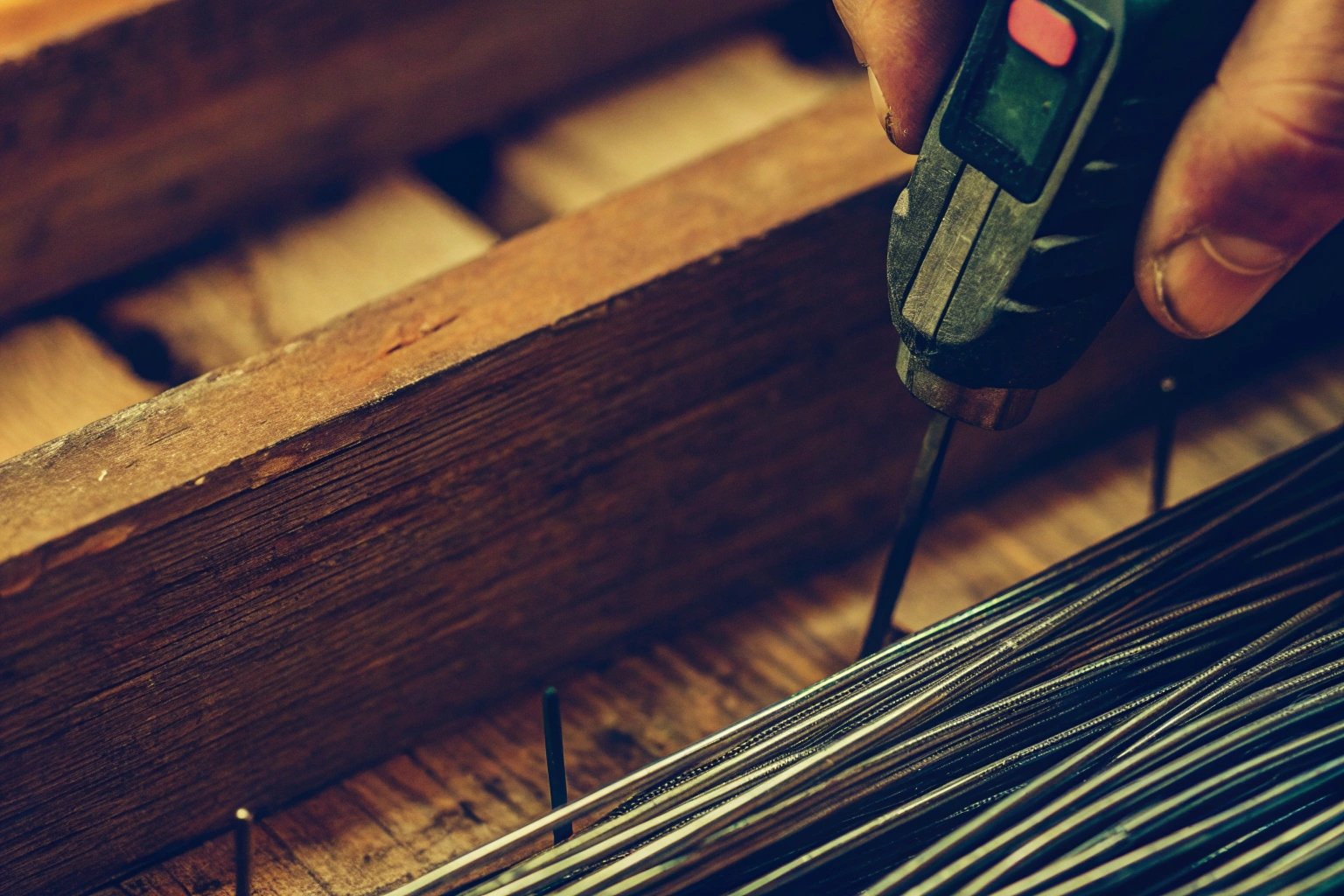
Think of the wooden floor of a container like a giant, hard sponge. Container terminals often leave empty boxes with their doors open, or they wash the interiors with high-pressure water hoses to clean them. If that wood does not have enough time to dry out completely, it traps the water inside.
When the container heats up during the voyage, that water evaporates out of the wood. It rises, hits the cool tinplate or the roof, and condenses. This causes the bottom of your tinplate packs to rust, even if the top looks perfect.
The 18% Rule
Why 18%? Industry studies show that mold and significant moisture release happen when wood moisture exceeds this level.
| Moisture Content | Status | Action Required |
|---|---|---|
| Below 12% | Ideal | Safe to load. Best for tinplate. |
| 12% – 18% | Acceptable | Safe with extra desiccants. |
| Over 18% | High Risk | REJECT. Wood will release vapor. |
| Over 25% | Critical | Floor is wet. Do not use. |
Our Loading Protocol
I have seen too many claims arise because a trucking company picked up a dirty, wet container to save time. At our factory in Fujian, we do not allow this.
- Visual Check: We look for dark spots on the wood, which usually indicate water saturation or oil spills.
- The Probe: We stick the pins of the moisture meter 4 deep into the floorboards, not just on the surface. We check the corners and the area near the doors, as these get wet most often.
- The Barrier: Even if the floor tests dry, we do not place tinplate directly on the wood. We line the floor with dry cardboard or plastic sheets. This creates a hygiene barrier.
Pallet Safety
The wood we use matters too. All our pallets and wooden runners are kiln-dried and heat-treated (IPPC stamped) 5. We ensure our own packaging wood starts at a low moisture content. If we put a wet pallet into a dry container, we are bringing the problem inside with us.
For clients in very humid regions, like my friends in Thailand or the Philippines, we sometimes suggest plastic pallets or steel skids. However, dry wood is usually sufficient if managed correctly. We also make sure the pallets are high enough (over 10cm) to allow air flow under the goods. If the air can move, moisture cannot get trapped in one spot to form a puddle.
Can I ask for extra oiling on the surface for long transit times?
Oil is the most basic form of rust protection, but it is a tricky balance. You might think "more is better," but too much oil causes huge headaches when you try to print on the metal.
You can request extra oiling, but we usually recommend sticking to the standard DOS oil weight of 3 to 5 mg/m². Increasing this provides more rust protection, but you will likely face "dewetting" or "eye-holes" during lacquering unless you perform a heating cycle to remove the oil first.
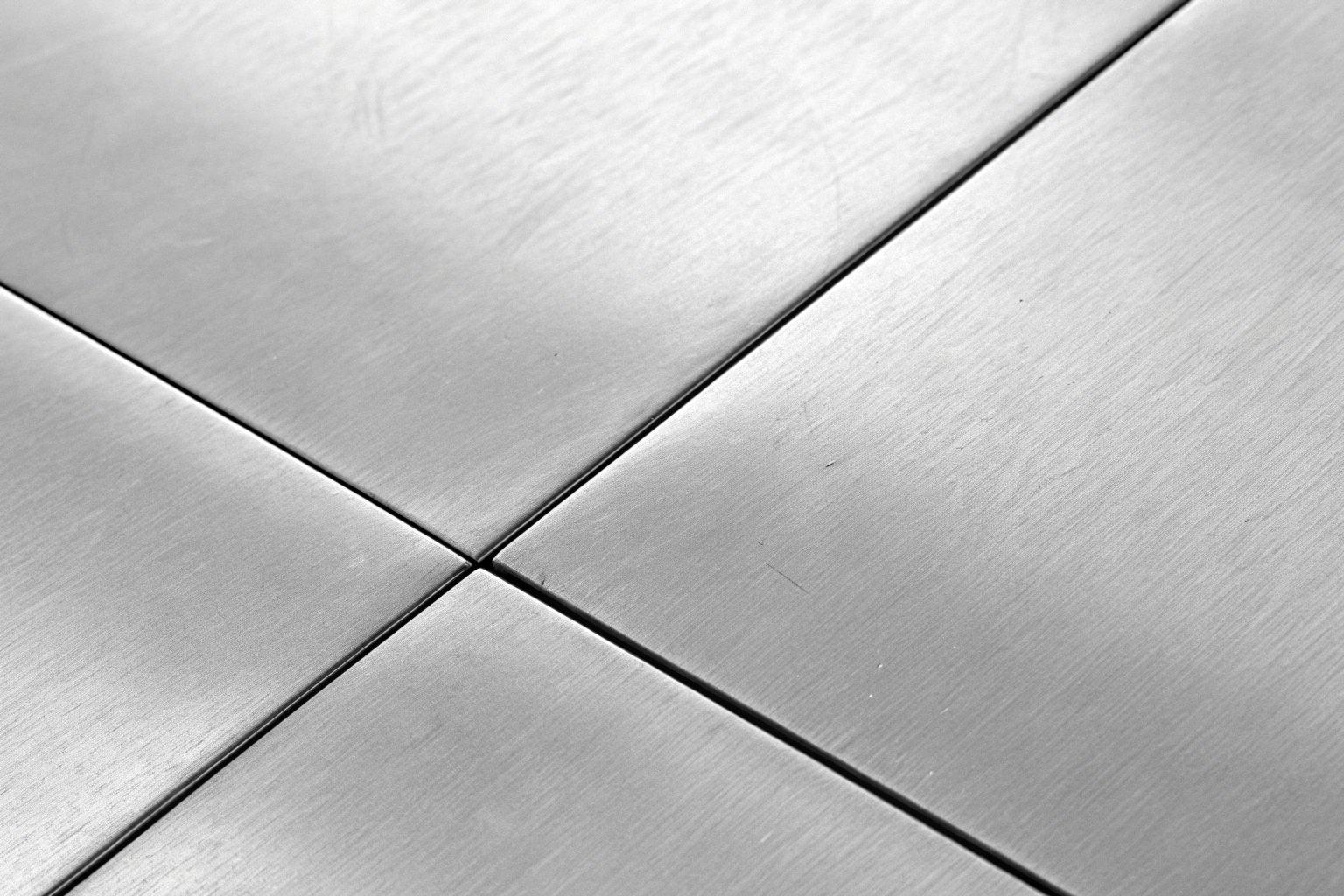
When we produce Electrolytic Tin Plate (ETP), the final step involves applying a thin layer of oil. This is usually Dioctyl Sebacate 6 (DOS) or sometimes Acetyl Tributyl Citrate (ATBC) for specific food requirements. This oil serves two purposes: it helps the sheets slide over each other without scratching, and it keeps oxygen away from the tin surface.
The Oiling Balance
This is where my experience as a manufacturer helps you. If you tell me, "Chase, I am worried about rust, give me heavy oil," I will warn you about the consequences.
| Oil Level (mg/m²) | Protection Level | Suitability for Printing/Coating |
|---|---|---|
| Low (1-2) | Poor rust protection | Excellent adhesion, but high scratch risk |
| Standard (3-5) | Good balance | Directly printable (Industry Standard) |
| Heavy (6-10) | Very high protection | Poor. Must be de-oiled before printing |
If you have a de-oiling oven or a cleaning line at your factory, then heavy oil is a great option for long storage. But if you put heavy-oiled sheets directly into a printing press, the ink will not stick. You will get little circles where the coating pulls away—we call these "eye-holes" or craters.
Passivation is Key
Actually, oil is the secondary defense. The primary defense against rust on the metal surface is Passivation.
We run the tinplate through a chemical bath (usually Chromium based, like Code 311) at the end of the line. This stabilizes the tin oxide layer.
- Code 311: This is the most common. It treats the surface with sodium dichromate 7. It gives excellent rust resistance and good lacquer adhesion.
- Code 300: This is a simple dip treatment. It is weaker against rust.
If you are shipping to a humid climate, always check your mill certificate. Ensure you are getting Code 311 Passivation. If you buy "secondary" or "waste waste" material, it often has poor passivation, which is why it rusts so fast.
So, rather than asking for too much oil, I ensure we verify the Passivation current and chemical concentration during production. That is the "invisible" shield that matters most.
Does your insurance cover rust damage caused by condensation?
This is the question nobody likes to ask until it is too late. You assume "All Risks" insurance covers everything, but insurance companies are experts at finding reasons not to pay.
Standard cargo insurance often excludes rust unless you can prove it was caused by an external event like a hole in the container. To be safe, you must explicitly include "Rust, Oxidation and Discoloration" clauses in your policy and use data loggers to prove when the damage occurred.
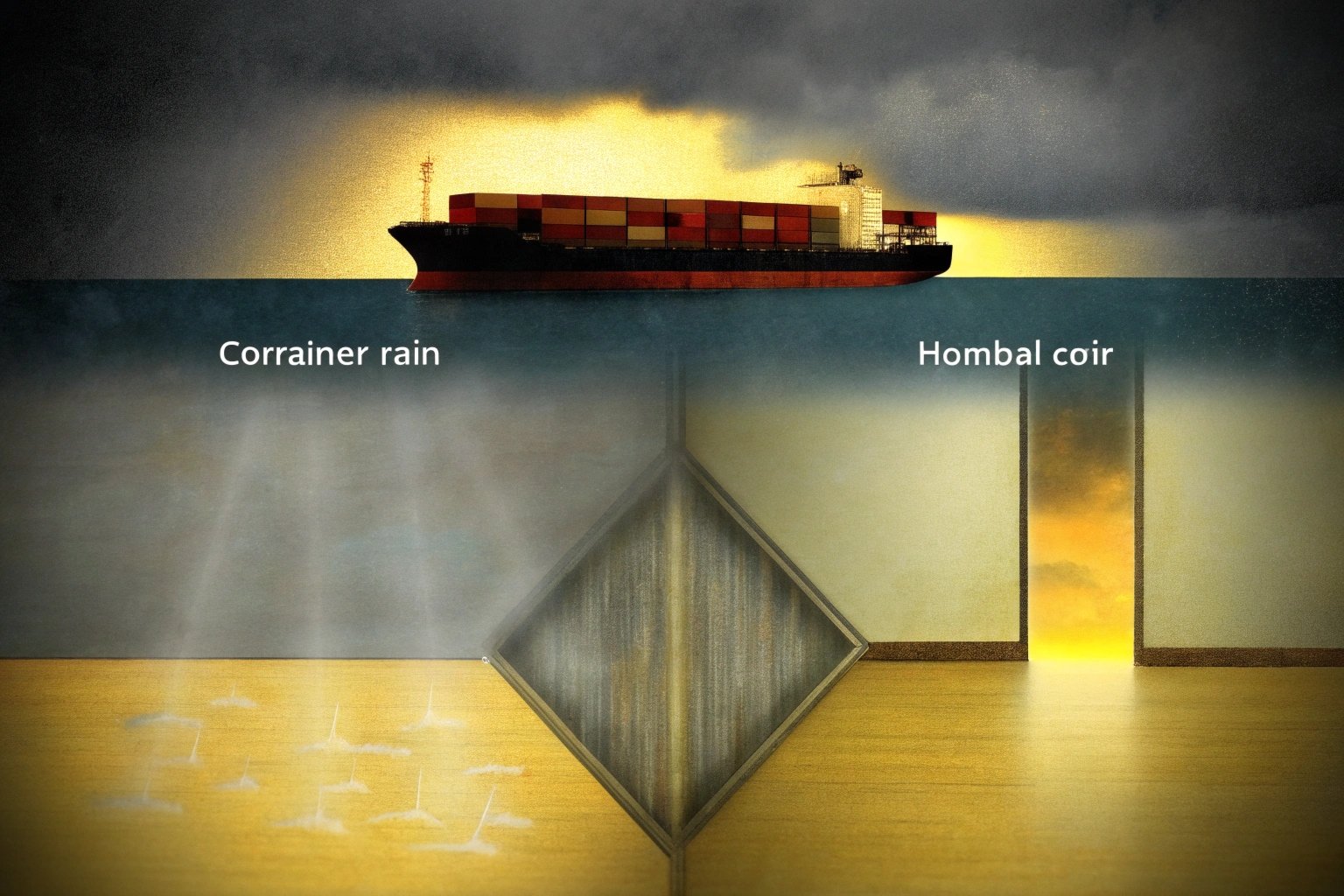
In the world of marine insurance, there is a term called "Inherent Vice" 8. This basically means "the goods destroyed themselves because of their nature." If you ship steel, and it rusts, the insurer might say, "Well, steel rusts naturally. That is not an accident; that is physics. We are not paying."
To protect your business, we need to be smarter than the insurance adjuster.
The "Institute Cargo Clauses"
Most international trade uses the Institute Cargo Clauses 9 (A), (B), or (C).
- Clause (A): This is "All Risks." It is the best. However, even Clause A has exclusions for "inherent vice" or "insufficient packing."
- If we pack the goods poorly (no VCI, wet floor), the insurer will deny the claim. This is why our packing photos are so important. We take photos of the desiccants, the floor test, and the loaded container. These photos are your proof that the packing was sufficient.
Data Loggers: The Black Box
I highly recommend placing a small USB Data Logger 10 inside the container. They cost about $20-$30.
If the goods arrive rusty, we download the data.
- Scenario A: The humidity was low for 30 days, then suddenly spiked to 100% on Day 31. This suggests the container was damaged or dropped in water at the destination port. Insurance usually pays.
- Scenario B: The humidity was 95% from Day 1. This means we (the factory) loaded wet goods or wet pallets. I (the manufacturer) am responsible.
- Scenario C: The temperature fluctuated wildly, causing condensation cycles. This proves "Container Rain" occurred despite good packing. This helps argue against "Inherent Vice."
Responsibilities Checklist
We need to be clear on who does what to ensure coverage is valid.
- SGS Inspection: The buyer can hire SGS to prove goods were rust-free before loading.
- Photo Evidence: I (the seller) must provide photos of the dunnage and desiccant use.
- Under Deck Stowage: You should ask your Forwarder to book this. It keeps the container away from direct sun and waves.
- Clause A + Rust: Your Insurance Broker must add specific wording to cover oxidation.
I always advise my clients to spend the extra small percentage to add specific "Oxidation" coverage to their policy. It eliminates the argument about whether the rust was an accident or "natural."
Conclusion
You cannot control the weather on the ocean, but you can control the environment inside the box. By using VCI paper, verifying floor dryness, choosing the right passivation, and securing proper insurance, we turn a risky shipment into a routine delivery. Let me handle the packing details so you can focus on making great cans.
Footnotes
1. Chemical compound used for highly effective moisture absorption in cargo. ↩︎
2. Technology that releases corrosion-inhibiting molecules to protect metals. ↩︎
3. Temperature at which air becomes saturated and water vapor condenses. ↩︎
4. Device used to detect percentage of water in building materials. ↩︎
5. International standard for treating wood packaging to prevent pests. ↩︎
6. Common plasticizer and lubricant used in tinplate manufacturing. ↩︎
7. Chemical agent used in passivation to prevent metal corrosion. ↩︎
8. Legal term for damage caused by the internal nature of goods. ↩︎
9. Standard terms specifying risks covered in marine cargo insurance policies. ↩︎
10. Electronic device that records environmental conditions over time. ↩︎