
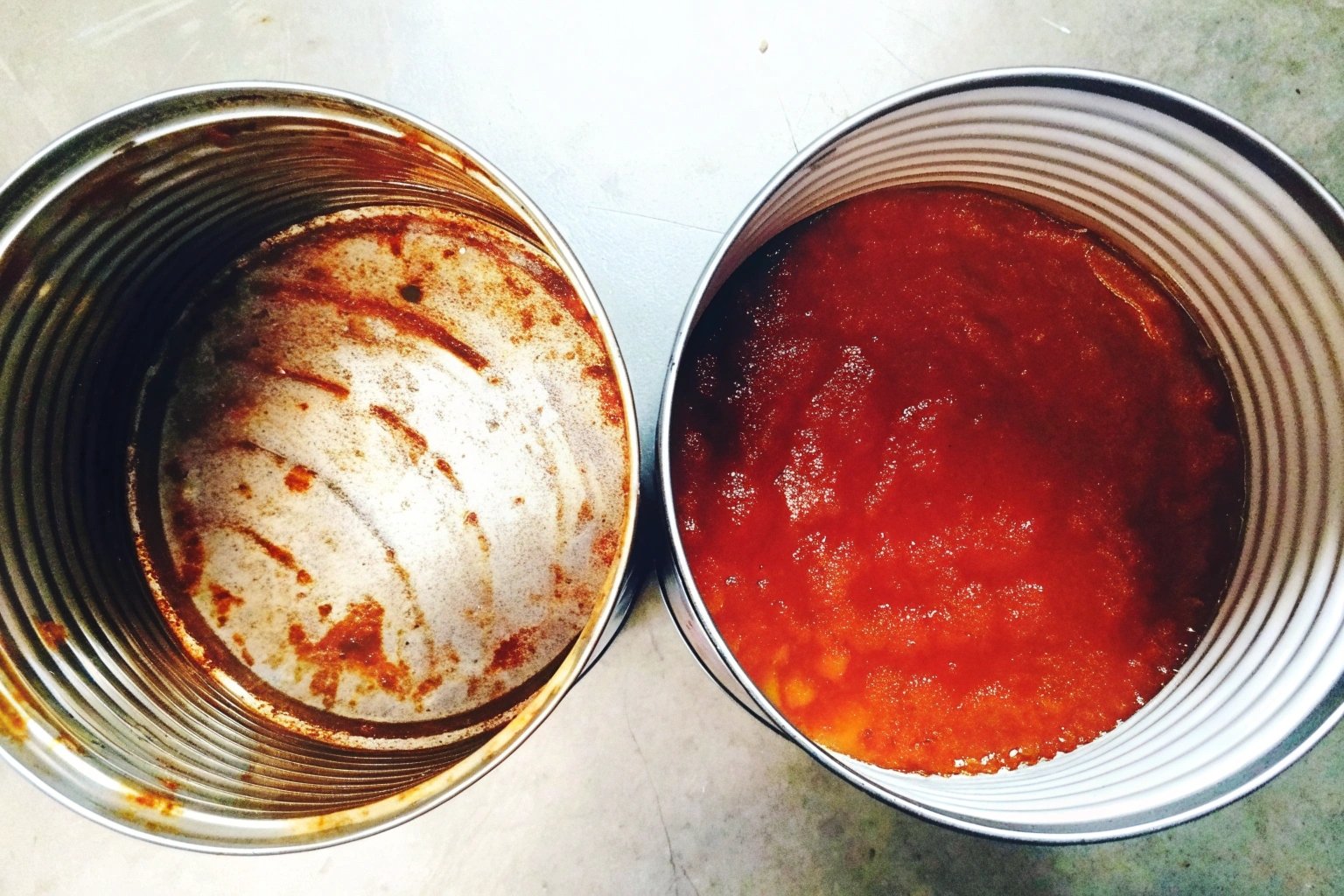
I see many buyers struggle with rusted cans and spoiled fruit because they bought the wrong material. It hurts your brand and your wallet. Let me help you pick the right steel.
To choose the right tin coating for high-acid food, prioritize coating weight. For standard acidic foods (pH 2.5-4.0), select a minimum of 2.8g/m² (E2.8). For stronger acids (pH < 2.5), use 4.0g/m² or higher. This prevents corrosion and chemical migration.
Let’s look at the specific technical choices you need to make to keep your canned goods safe and your customers happy.
Is Type K tinplate better for my fruit canning line?
You might hear suppliers talk about "Type K" plate. Is it worth the extra money for your fruit factory? Let’s look at the facts.
Yes, Type K tinplate is often the best choice for acidic fruits. It has high corrosion resistance due to a special alloy layer. This type reduces the risk of tin dissolving into the syrup, keeping your fruit looking and tasting fresh.
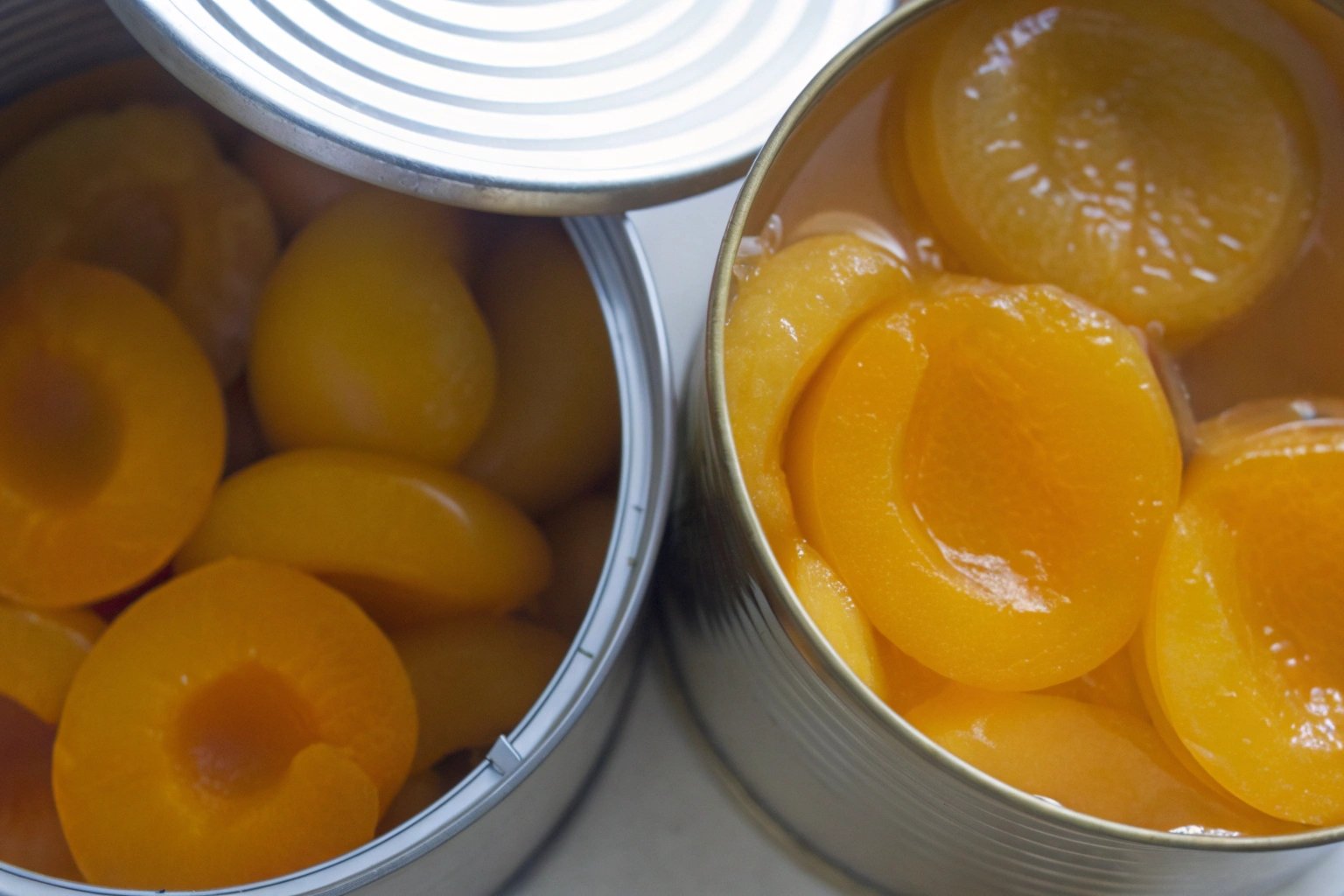
When we talk about canning acidic fruits like peaches, pineapples, or pears, we are dealing with a harsh environment inside the can. Acid is aggressive. It wants to eat through the metal. In my 27 years in this industry, I have seen standard tinplate fail where Type K succeeds. The difference lies in how the tin layer interacts with the steel base.
Type K tinplate is not just standard steel with tin on top. It is a premium grade of Electrolytic Tin Plate 1 (ETP). It has a very specific structure that controls the "Pickle Lag" value. In simple terms, this measures how quickly the steel reacts with acid. Type K reacts very slowly. This is crucial for light-colored fruits. If the reaction is too fast, the tin dissolves quickly, and the iron is exposed. This ruins the flavor and color of your fruit, turning bright peaches into a dull, grey mess.
We often recommend Type K for plain cans (cans without an internal lacquer coating). In these cans, the tin acts as a sacrificial anode 2. This means the tin slowly oxidizes to protect the steel. This process actually helps preserve the color of the fruit by acting as a reducing agent, preventing the fruit from oxidizing. However, you need enough tin to last the entire shelf life. The continuity of the tin-iron alloy layer in Type K plate is far superior to standard grades, which provides that extra insurance policy against early corrosion.
Here is a breakdown of common coating weights and where we suggest using them for acidic foods:
Recommended Tin Coating Weights for Acidic Foods
| Coating Grade (JIS/ASTM) | Tin Weight (g/m²) | Best For | Shelf Life Expectancy |
|---|---|---|---|
| E2.8 / E2.8 | 2.8 / 2.8 | Tomato paste, Mild fruit syrup | Standard (12-18 months) |
| E5.6 / E5.6 | 5.6 / 5.6 | Aggressive fruits, Pickles | Long (24+ months) |
| Type K (Base Steel) | Varied | Premium light fruits (Peaches, Pears) | Premium Quality |
If you are canning high-acid foods with a pH between 2.5 and 4.0, sticking to the standard E2.8 grade is usually safe for short storage. But if you want to guarantee quality for export to Europe or the USA, moving to Type K or a heavier coating weight is the smart move. At Huajiang, we keep a large stock of these high-grade materials because we know our customers cannot afford a quality failure.
How does the passivation method affect acid resistance?
Coating weight is important, but the surface treatment matters too. If you ignore passivation, your cans might fail even with thick tin.
Passivation stabilizes the tin surface. For high-acid foods, we usually recommend 311 passivation. It uses a chromium treatment to stop the tin from reacting too quickly with the acid. This extends the shelf life of your canned products significantly.
Passivation is like a shield for the shield. The tin protects the steel, and the passivation layer protects the tin. When we produce ETP, the final step involves treating the surface with a chromium solution. This creates a very thin, invisible film. This film is vital for acid resistance because tin is naturally reactive. Without this step, the tin would start oxidizing the moment it touches the air, and even faster when it touches acidic food.
There are two main methods we use: chemical dip (Code 300) and electrochemical treatment (Code 311). For high-acid foods, the electrochemical method is superior. It uses an electric current to deposit a more stable, uniform, and slightly thicker chromium layer on the surface. This "solid" layer prevents the acid from attacking the tin too aggressively in the early stages of storage.
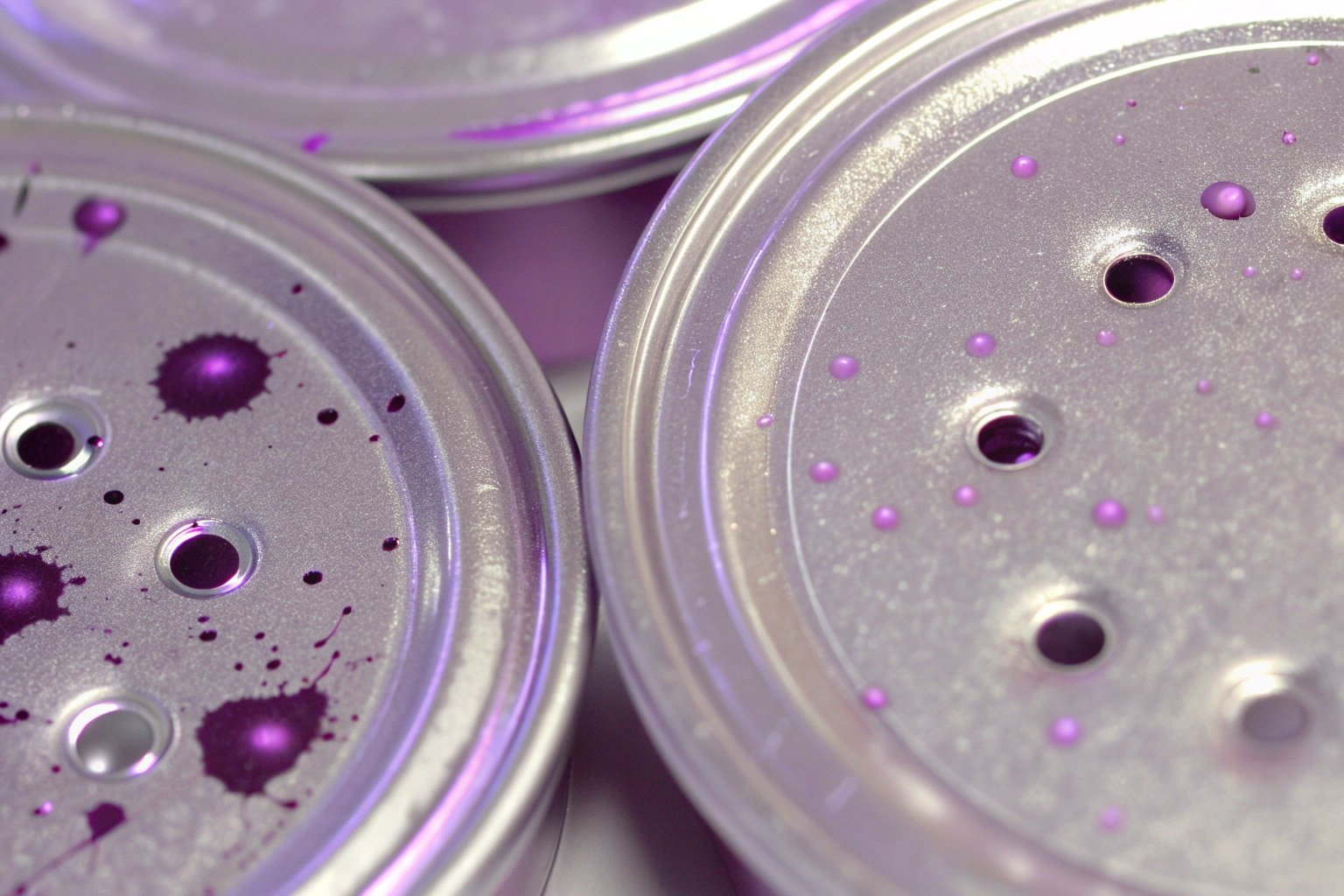
Why does this matter for your tomato sauce or pineapple cans? Without proper passivation 3, the tin surface is too active. It will start reacting with the sulphur compounds in food proteins or the acids immediately after you seal the can. This can lead to "sulfide staining 4." This looks like black or purple spots on the inside of the lid or can body. While it might not make the food unsafe, it looks terrible. Your customers in Mexico or Spain will reject the shipment if the cans look dirty inside.
Furthermore, the passivation layer affects how well lacquer sticks to the metal. If you are using a duplex system (lacquer over tin) for extra protection against very strong acids (pH < 2.5), the passivation must be compatible with the lacquer coating 5. Code 311 is the gold standard because it balances corrosion resistance with excellent lacquer adhesion. If the passivation is too heavy (like Code 314), the lacquer might peel off; if it is too light, the acid gets underneath.
Common Passivation Treatments
| Code | Method | Chromium Level | Suitability for Acidic Food |
|---|---|---|---|
| 300 | Chemical Dip | Low | Poor. Use for dry goods only. |
| 311 | Electrochemical | Medium/High | Excellent. The industry standard. |
| 314 | Electrochemical | High | Good, but rarely needed for food. |
When you order from us, I always ask about the contents. If you tell me you are packing vinegar or lemon juice, I will ensure the passivation code is 311. It is a small detail that prevents big headaches later.
Can I rely on your internal lab tests for corrosion resistance?
You need to trust the quality before you ship 50 containers. Can you trust a factory’s own lab, or do you need outside help?
You can trust our lab because we follow global standards like ASTM and JIS. However, for total peace of mind, we also support third-party testing. We check parameters like Pickle Lag Value and Tin Crystal Size to ensure the plate handles acid well.

Trust is good, but data is better. I understand that buyers like you, perhaps purchasing for a large group, need proof. You cannot just take my word for it. That is why strict lab testing is non-negotiable for high-acid food packaging. A simple visual inspection is not enough; you cannot "see" acid resistance with the naked eye.
In our factory, we do not just look at the metal; we torture it. We simulate the conditions inside a can of acidic food to see how the metal reacts over time. For acid resistance, we look at three critical numbers. If these numbers are off, the material does not leave our warehouse.
First is the Tin Coating Weight. We use an X-ray fluorescence 6 method to measure exactly how much tin is on each side of the sheet. It is precise to the microgram. For acid products, if the order says 2.8g, we ensure it is truly 2.8g or higher. A thinner coating is the first step toward failure.
Second is the Pickle Lag Value (PLV). This is a classic test for acid resistance. We strip the tin off a sample and dip the bare steel in acid. We measure how the pressure changes over time. A lower number means the steel is cleaner and more resistant to acid attack. For high-quality food cans, we aim for a Pickle Lag 7 value of less than 10 seconds. If the PLV is high, the steel is "dirty" regarding its surface chemistry, and it will corrode rapidly once the tin is gone.
Third is the Tin Crystal Size (TCS). This might sound strange, but the size of the tin crystals matters. We etch the surface and look at it under a microscope. Larger crystals generally indicate a better alloy layer and better corrosion resistance. If the crystals are tiny and fragmented, the protective barrier is weaker.
Key Quality Indicators for Acid Resistant Tinplate
| Test Name | What it Measures | Target Result for High Acid | Why it Matters |
|---|---|---|---|
| Pickle Lag | Steel surface reactivity | < 10 seconds | Ensures slow, even corrosion. |
| ISV | Exposed iron (pores) | < 20 µg | Prevents rapid rusting. |
| TCS | Tin Crystal Size | ASTM 8 No. 9 or larger | Larger crystals = better resistance. |
I always invite my clients to see these tests via video call or in person. If you are worried, we can send samples to SGS or another third-party lab to verify our findings. But our internal standards are often stricter than the general market requirements because we know the cost of failure.
What is the risk of "swollen cans" if I choose a lower coating weight?
Everyone fears the "swollen can." It screams danger to a customer. Using cheap, thin coatings is the fastest way to cause this nightmare.
Choosing a lower coating weight creates a high risk of swollen cans. The acid eats through the thin tin and reacts with the steel. This releases hydrogen gas, which bloats the can. It ruins the food and destroys your brand reputation.
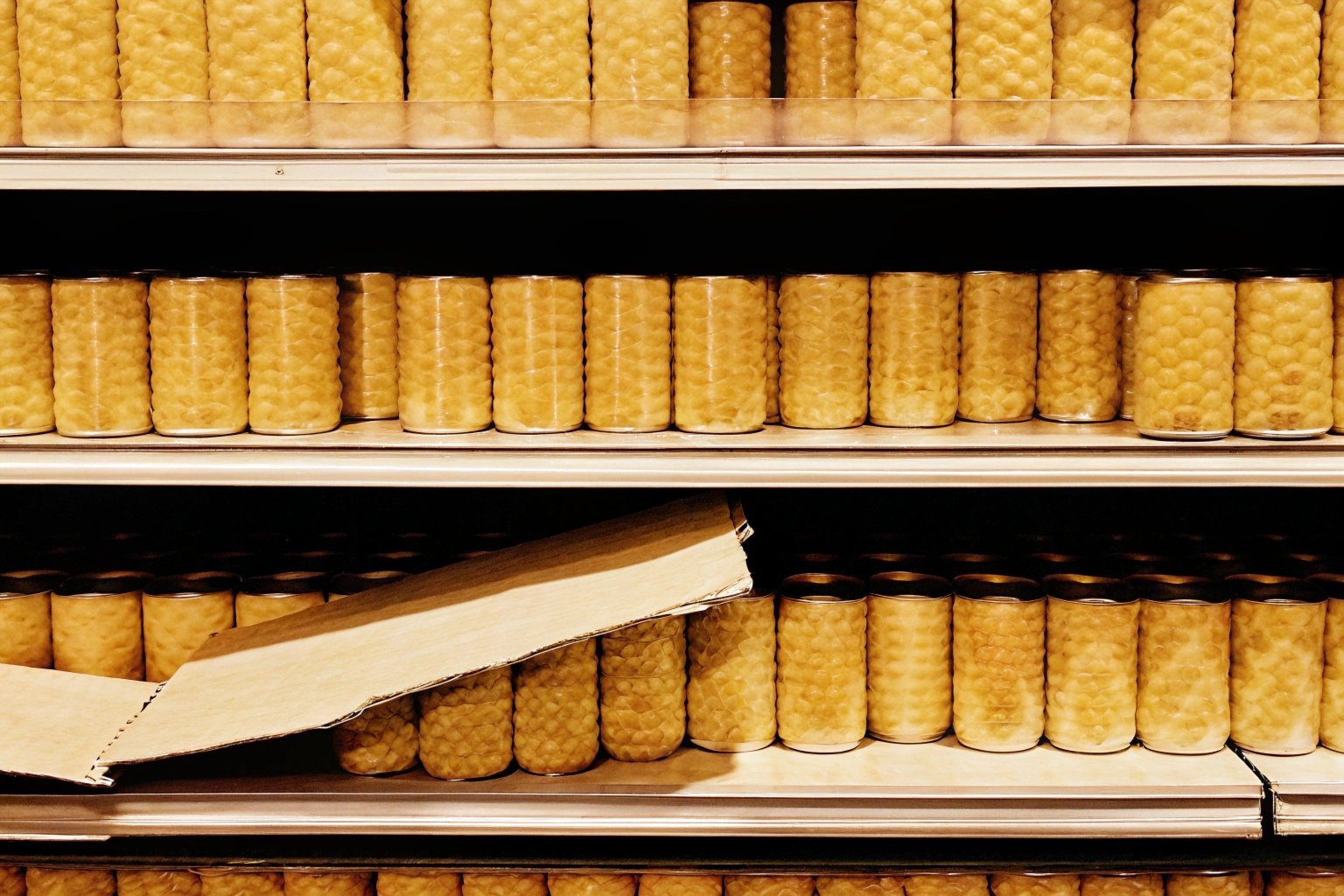
Let’s be very clear about this: saving money on coating weight for high-acid food is dangerous. It is not just about the can looking old; it is about the physics of corrosion. The mechanism behind a swollen can in acidic foods is usually Hydrogen Swelling 9, not bacteria, but the customer cannot tell the difference.
When acid attacks iron, a chemical reaction happens. One of the products of this reaction is hydrogen gas. In a sealed can, this gas has nowhere to go. It builds up pressure. Eventually, the pressure pushes the ends of the can outward. We call this a "hydrogen swell." To a consumer in a supermarket, a swollen can means one thing: Botulism 10. They do not know it is just hydrogen. They will think the food is poisonous. They will return it, complain on social media, and alert the health authorities.
If you choose a coating that is too thin—say, using 1.1g/m² instead of 2.8g/m² for tomato paste—the acid will penetrate the tin layer very quickly. Tin is soft and porous by nature. A thin layer has more pores. The acid travels through these pores and hits the steel base. Once it hits the steel, the hydrogen production starts.
I have seen buyers try to save 5% on the material cost by reducing the tin weight. Six months later, they face a claim for the entire shipment because 10% of the cans are swollen. The cost of destroying the goods and paying the claim is ten times higher than the money they saved. For high-acid products, the tin coating is your insurance policy.
Risk Analysis: Coating Weight vs. Acid Level
Here is a simple guide to help you assess the risk based on my experience supplying global can makers.
- Low Risk: Using 5.6g/m² tin for mild acids (pH 4.0). The can will last for years without swelling or perforation.
- Medium Risk: Using 2.8g/m² for medium acids (pH 3.5). Good for standard shelf life (1-2 years). This is the market standard for most fruits.
- High Risk: Using 1.1g/m² or 2.0g/m² for strong acids (pH < 3.0). Do not do this. The can will likely swell within 6 months, especially in hot climates.
For very strong acids (pH < 2.5), like lemon juice or certain hot sauces, even thick tin might not be enough. In these cases, we recommend a "Duplex" solution: a good layer of tin plus a layer of organic coating (lacquer). Or, we use a composite coating like Nickel-Tin. Do not gamble with hydrogen. Give the acid a thick enough wall of tin so it never reaches the steel.
Conclusion
To protect your high-acid food, choose a tin coating of at least 2.8g/m², ensure proper 311 passivation, and verify quality with lab tests to avoid the disaster of swollen cans.
Would you like me to send you our "Acid Resistance Specification Sheet" to help you choose the exact grade for your next order?
Footnotes
1. Manufacturing specifications for electrolytic tin plate products. ↩︎
2. How sacrificial anodes protect metals from corrosion. ↩︎
3. Definition and process of chemical passivation for metals. ↩︎
4. Guide to common defects in canned food products. ↩︎
5. Overview of protective packaging coatings and lacquers. ↩︎
6. Explanation of XRF technology for metal analysis. ↩︎
7. Standard specification for tin mill products and testing. ↩︎
8. Global standards organization for material testing. ↩︎
9. Causes and safety implications of swollen food cans. ↩︎
10. Health risks associated with foodborne botulism. ↩︎