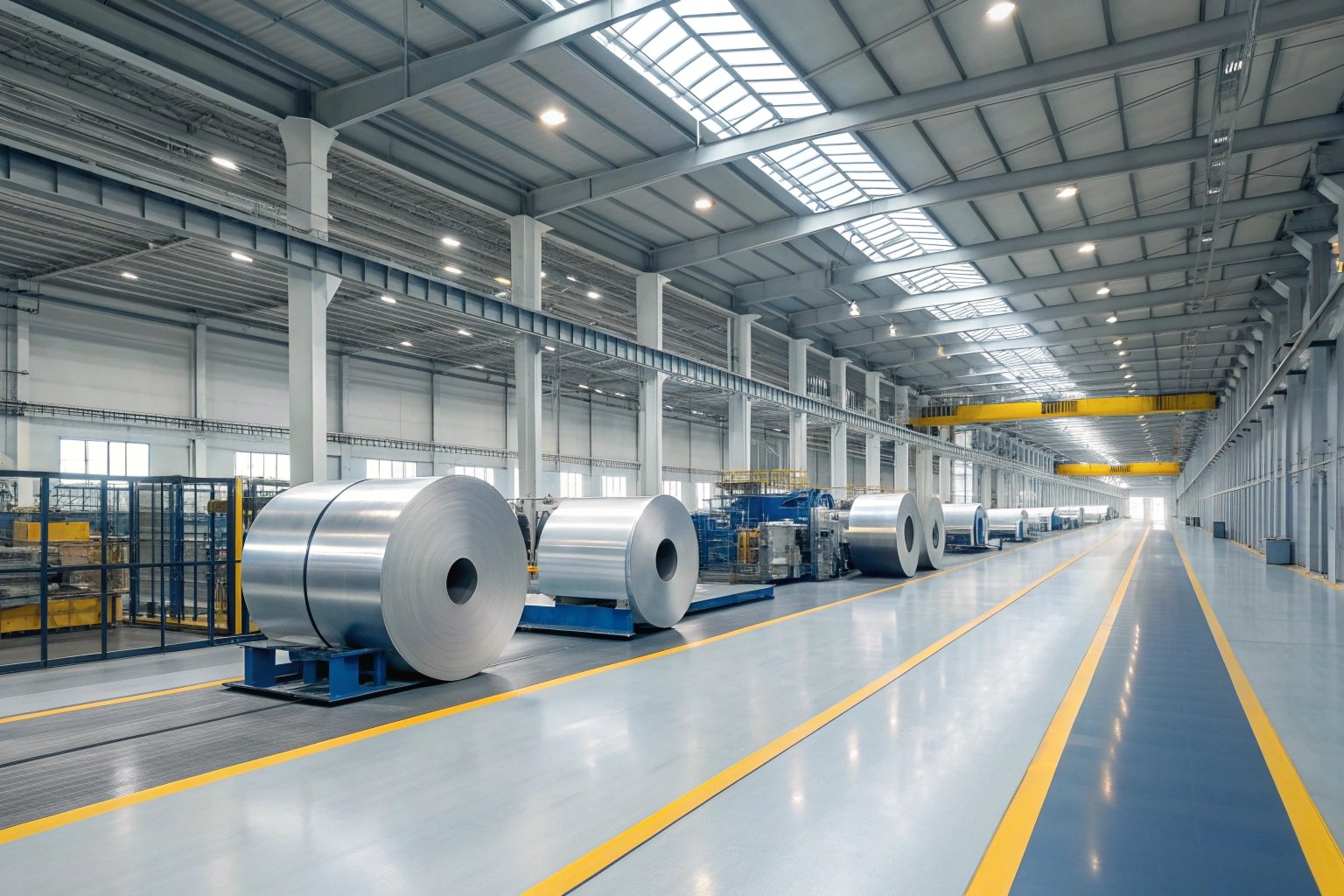

Are you struggling to balance rising steel costs with the need for high-quality cans? I see many buyers confused about which material grade truly fits their production line.
Single Reduced (SR) tinplate is cold-rolled once, offering higher ductility for complex shapes. Double Reduced (DR) tinplate undergoes a second cold reduction, making it thinner, stiffer, and stronger, which allows for material cost savings but requires precise tooling adjustments.
Understanding this distinction is the first step to optimizing your profit margins without sacrificing food safety.
Is there a difference between Single Reduced (SR) and Double Reduced (DR) Electrolytic Tin Plate?
Many factory managers I talk to treat all tinplate coils the same, but mixing these two up can destroy your production machinery or ruin a whole batch of cans.
The main difference lies in the processing method. SR material is rolled to gauge and annealed to remove stress. DR material is annealed and then rolled a second time, which work-hardens the steel to create a thinner, stronger, and stiffer final product.
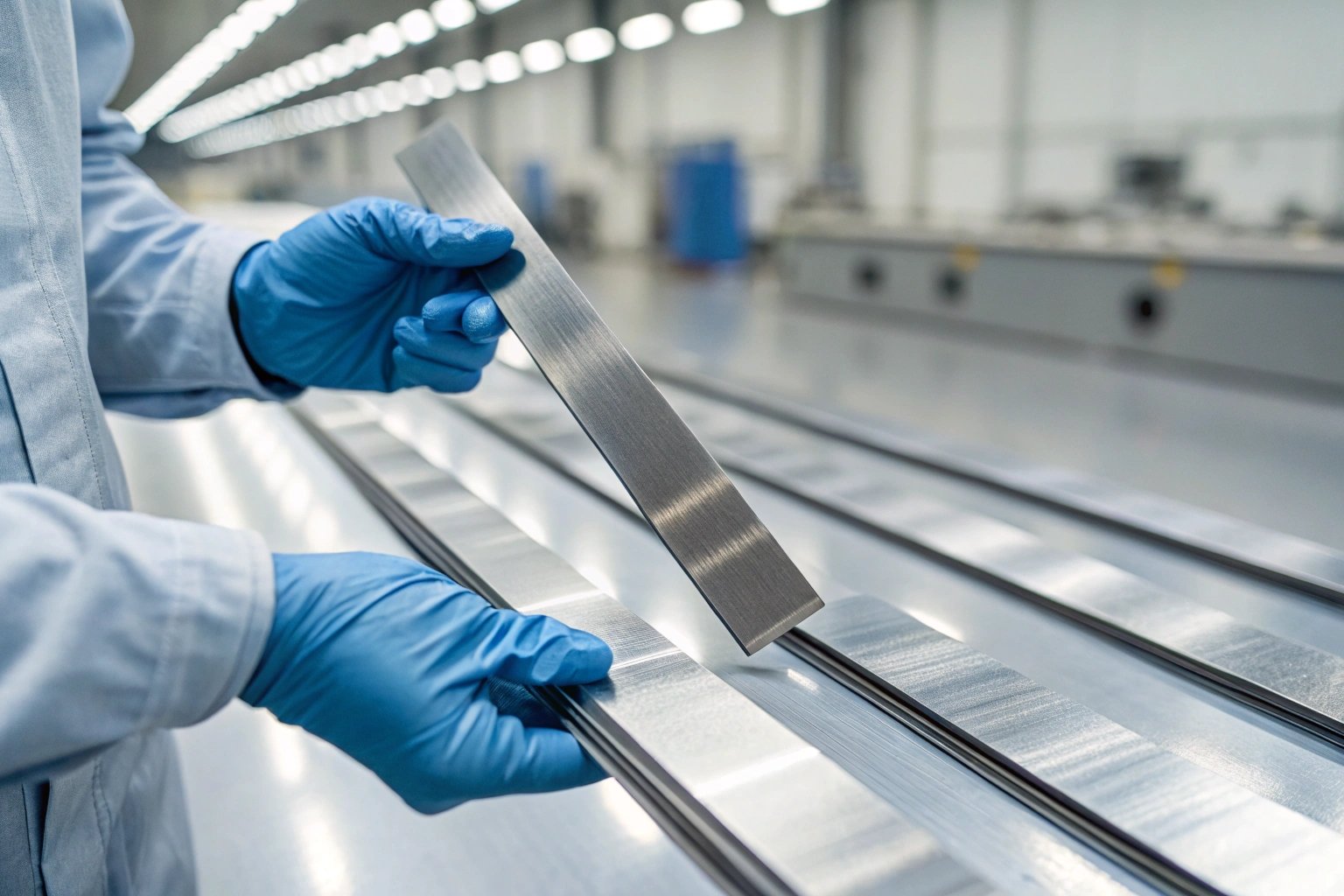
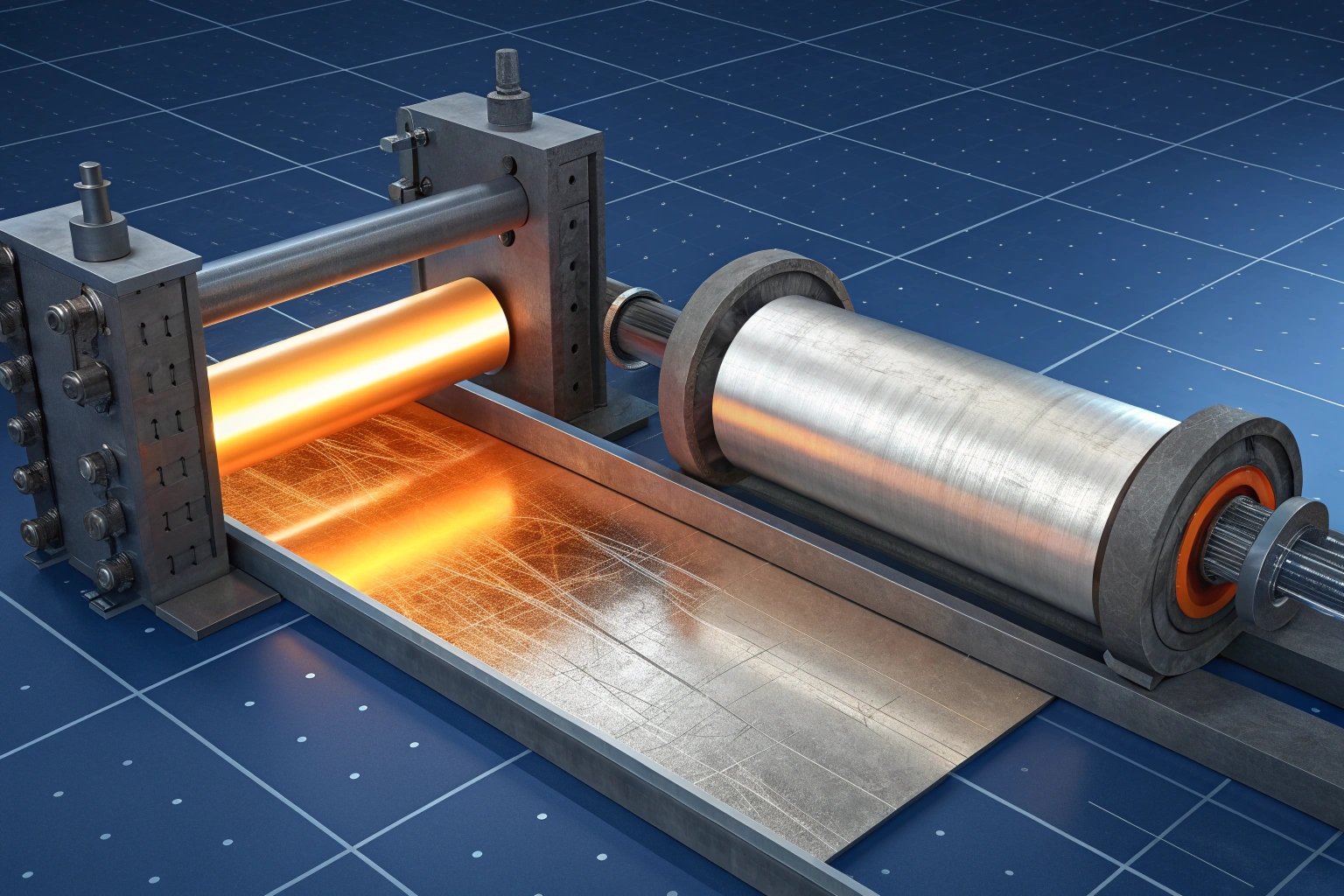
To really understand why these materials behave differently, we have to look deeply at how we make them at our Huajiang mill. For Single Reduced (SR) plate, the process is straightforward. We take the hot-rolled steel coil and cold-roll it until it hits the target thickness. Then, we heat it up in a process called annealing 1. This heating process is crucial because it relaxes the steel grains. It effectively removes the internal stress created during rolling. The result is a "soft" piece of metal that likes to bend. It is pliable, easy to work with, and forgiving if your machine settings are not perfect.
For Double Reduced (DR) plate, we do not stop there. After that annealing stage, we put the coil through a second cold rolling mill. We crush it again. This second pass reduces the thickness by another 15% to 50%. This does two things. First, it makes the steel very thin. Second, it packs the steel grains tight. This makes the metal hard and springy. It is like compressing a spring; it holds a lot of energy. This extra step changes the steel from a soft material into a high-strength material. This fundamental change in the microstructure 2 affects everything from how you cut it to how you weld it.
Mechanical Properties Comparison
This difference in manufacturing creates totally different physical behaviors. SR is like a piece of chewing gum; it stretches easily. DR is like a credit card; it is strong, but if you bend it too far, it might snap. This impacts how you set up your machines.
I have prepared a table below to help you compare the standard industry tempers we produce. This helps you visualize the "stiffness" difference.
| Property | Single Reduced (SR) | Double Reduced (DR) |
|---|---|---|
| Common Temper Codes | T-1, T-2, T-3, T-4, T-5 | DR-8, DR-9, DR-9M |
| Yield Strength | Low to Medium (Soft) | High (Very Stiff) |
| Ductility (Elongation) | High (Good for deep drawing) | Low (Limited stretching) |
| Grain Direction | Balanced (Isotropic) | Highly Directional (Anisotropic) |
| Surface Finish | Smooth, Stone, Matte | Usually Stone Finish (Linear texture) |
If you try to use DR material for a deep-drawn 3 2-piece can (like a tuna can that is punched out of one piece), the metal will likely tear. It does not have enough stretch. However, if you use SR material for a standard 3-piece fruit can body, you might be using steel that is too thick and expensive. DR allows you to use less steel to get the same strength. In my 27 years of experience, I see that choosing the right one depends entirely on your specific can-making machine and the shape of your final product. SR is safe and easy. DR is efficient and cheap, but it requires skill to use.
Can I switch to Double Reduced (DR) material to lower my costs?
Everyone wants to save money, especially when steel prices fluctuate, and switching to DR is the most common strategy my clients use to improve their bottom line.
Yes, switching to DR material can significantly lower your costs because its higher strength allows you to use thinner gauges. This "downgauging" means you get more square meters of tinplate per ton, increasing your total can output for the same weight purchased.
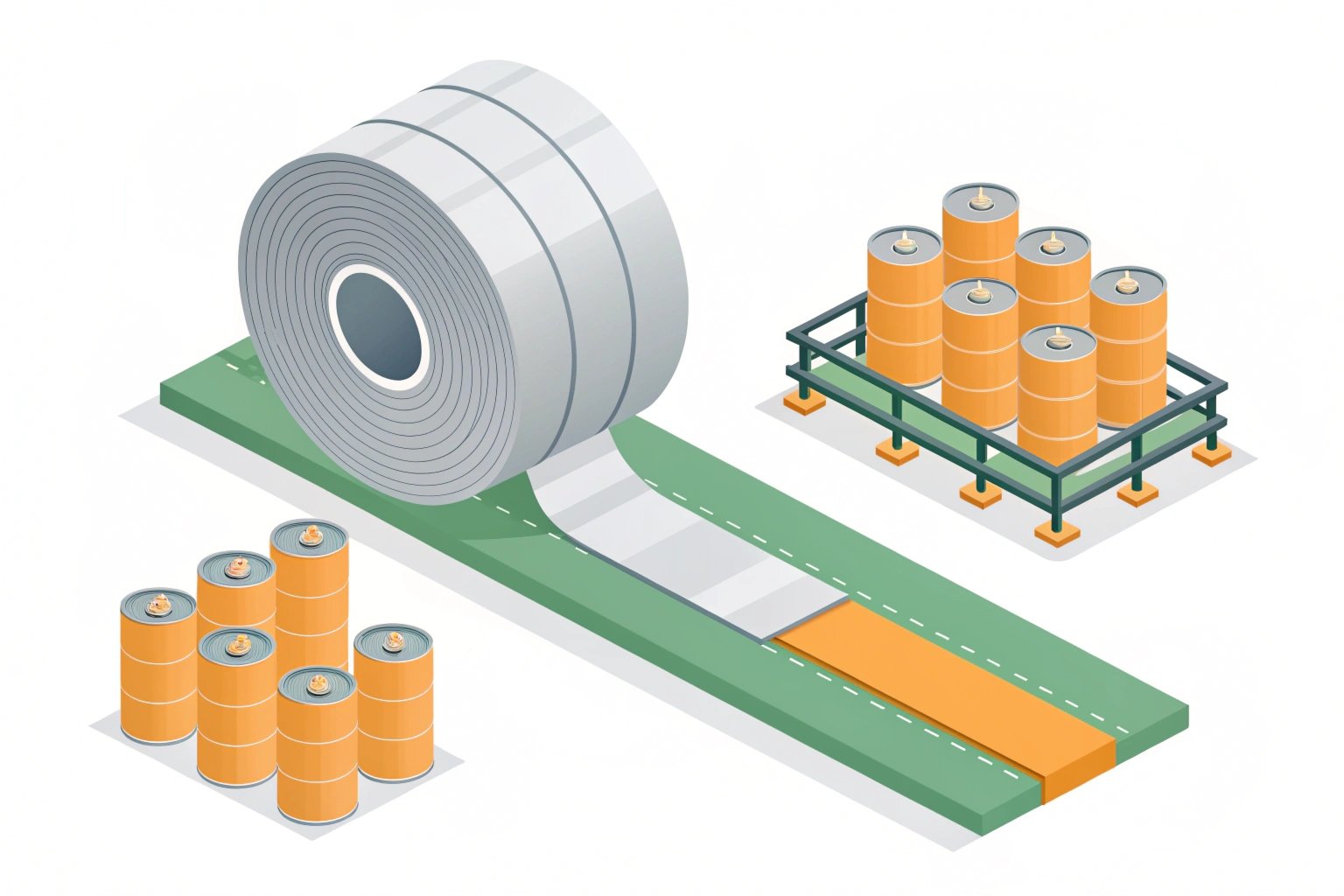
In the metal packaging industry, we buy steel by weight (tons), but we use it by area (square meters). This is the golden rule of our business. If you can make the steel thinner without losing strength, you get more "yield" from every coil. Because DR steel is stronger, you do not need as much thickness to hold the soup or fruit inside the can. This is where the concept of downgauging 4 comes in. It is not just about buying cheaper steel; it is about buying less steel to do the same job.
Let’s look at a real-world example from a client of mine in Spain. He was making standard 401 (99mm) food cans using SR tinplate with a thickness of 0.20mm. I suggested he test our DR-8 grade at 0.17mm. The DR material is stiffer, so even though it is thinner, it holds the weight of the stacked cans just as well. He was nervous at first, but the math convinced him to try. By reducing the thickness from 0.20mm to 0.17mm, he reduced the weight of each can body by roughly 15%. Since he pays for the steel by the ton, he effectively produced 15% more cans for the same amount of money.
Calculating Your Savings
The math is simple but powerful. Here is a breakdown of how the yield changes based on thickness:
| Material Type | Thickness (mm) | Area per Ton (m²) | Potential Cans per Ton (Approx) |
|---|---|---|---|
| SR (T-3) | 0.24 | 537 | 15,000 |
| SR (T-3) | 0.20 | 645 | 18,000 |
| DR (DR-8) | 0.17 | 758 | 21,100 |
| DR (DR-9) | 0.15 | 860 | 24,000 |
The Hidden Risks of Switching
However, I must be honest with you. You cannot just swap the coil and press "start." DR material is harder. It wears out your cutting dies faster. If your welding machine is old, it might struggle to keep the "springy" DR sheet in a perfect cylinder shape before welding. This is called springback 5. The metal wants to unroll itself.
I always advise my clients to do a trial run first. We can send you a few sample sheets of DR material from our Fujian factory. You should test if your seaming chucks 6 and rollers need adjustment. The cost savings are huge—often 5% to 8% overall—but only if your line runs smoothly. If the switch causes jams or high scrap rates, you lose all the money you saved. It requires a partnership between your technical team and my technical team to get it right. It is a strategic move, not just a purchasing decision.
Is DR material too brittle for beading my can bodies?
Beading—those ribs you see on the side of a food can—is essential for strength, but many operators fear that stiffer DR steel will crack during this process.
DR material is not too brittle for beading, provided you use the correct grain direction and beading profile. While it has less elongation than SR, modern DR grades are designed to withstand standard beading depths if the tooling is properly maintained.
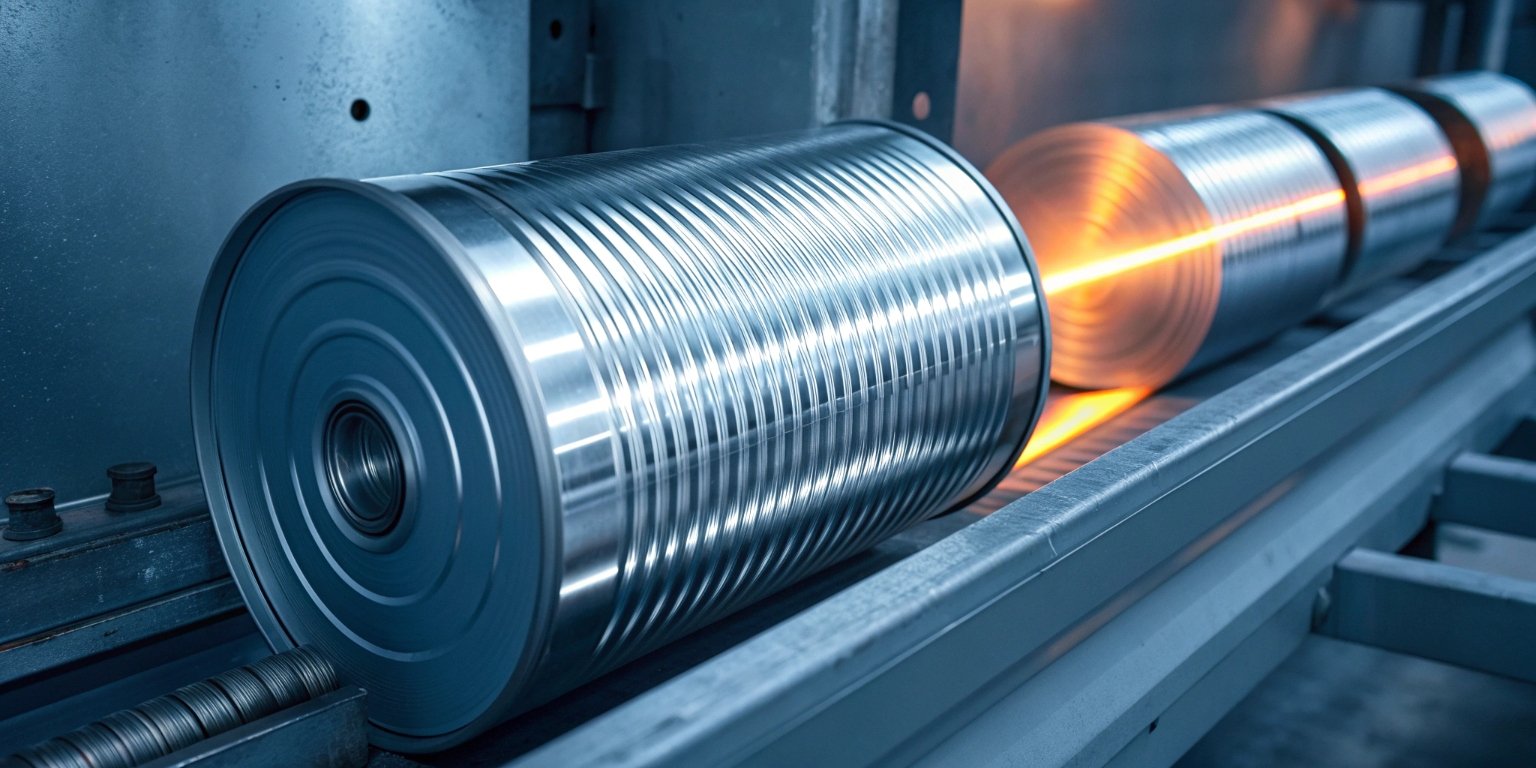
The biggest mistake I see when factories switch to DR is ignoring the rolling direction. Remember, we rolled this steel twice. This creates a very strong "grain" running along the length of the coil. It is like the grain in a piece of wood. If you try to bead the can across this grain incorrectly, or if the bead is too deep and sharp, the metal can fracture. SR material is forgiving; it stretches in all directions (isotropic) 7. DR material is stubborn. It is strong in the direction of the grain, but it has low ductility. If you force it, it breaks. You must ensure the grain wraps around the circumference of the can. This allows the metal to bend naturally without fighting the internal structure of the steel.
Adjusting Your Beading Station
To bead DR successfully, you usually need to adjust your beader. You cannot use the exact same settings you used for soft SR plate. You need to be gentle.
- Reduce Depth: You might need to make the beads slightly shallower. Because DR is stiffer, a shallow bead often provides the same vacuum resistance as a deep bead on SR plate. You do not need to go as deep to get the strength.
- Softer Radius: The tool that pushes into the metal should have a rounded edge, not a sharp one. A sharp tool acts like a knife and creates stress points where cracks start.
- Check the Rail: The direction of the can body as it goes through the welder matters. The grain of the steel should wrap around the can, not run up and down it.
Another factor is what goes inside the can. If you are packing milk powder or dry goods with nitrogen flushing, the internal pressure helps support the can wall. In this case, DR is excellent and you might not need deep beads at all. The gas inside pushes out and keeps the can strong. If you are packing tomato paste or green beans with a vacuum seal, the can walls get sucked in. This is where beading is critical to stop the can from collapsing (paneling). I have helped customers design custom bead profiles that work perfectly with our DR-8 material. We use computer simulations to find the limit. We want to maximize the stiffness without snapping the metal. It is a balance, but it is definitely possible. We do it every day for millions of cans.
What is the thickness reduction limit if I choose DR8 or DR9?
Pushing the limits of thinness is a trend in our industry, but there is a physical "danger zone" where the can becomes too weak to stack in a warehouse.
For DR8 and DR9 grades, the practical thickness limit for food cans is typically around 0.14mm to 0.15mm. Going thinner than this risks "axial load" failure, where the cans at the bottom of a pallet collapse under the weight of the layers above them.
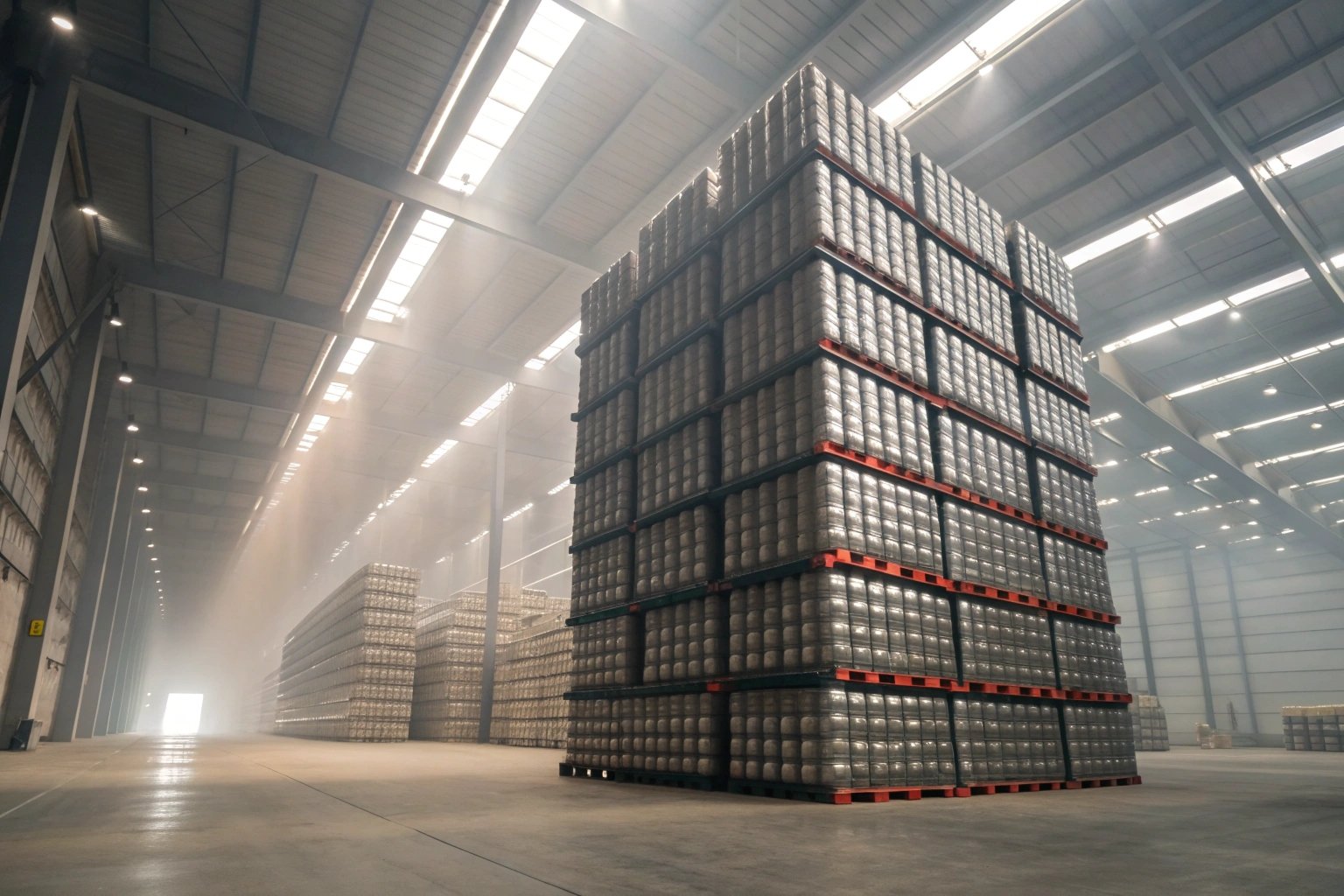
When we talk about reducing thickness, we have to look at two forces. You have to think about the life of the can after it leaves your factory. First, you have Hoop Stress 8. This is the force trying to crush the can from the sides (vacuum). DR steel handles this well because it is stiff. It resists being sucked in. Second, and more importantly for limits, is Axial Load 9. This is the weight crushing the can from the top. Think of a pallet of corn cans. The cans at the bottom layer hold up thousands of kilograms of product above them.
If you go too thin—say, 0.12mm for a standard 400g can—the can wall acts like aluminum foil. Even if the steel is hard (DR9), the wall is just too thin to stand up. It buckles. It crumbles like a soda can under your foot. This failure usually happens in the warehouse or inside a shipping container when the ship hits rough waves.
Common Thickness Standards
In my factory in Fujian, we produce a lot of DR material. Here is what I usually recommend to my clients based on can size. These are safe limits.
| Can Size | Product | Recommended Min Thickness (DR) | Risk of Going Thinner |
|---|---|---|---|
| 202 / 211 | Beverage / Juice | 0.15mm – 0.17mm | Flange cracking during seaming |
| 300 / 307 | Vegetables / Fruits | 0.14mm – 0.16mm | Paneling (side collapse) |
| 401 (1kg) | Big Fruit Cans | 0.16mm – 0.18mm | Axial collapse (crushing) |
| 603 (3kg) | Catering Size | 0.20mm – 0.22mm | Total structural failure |
The "Springback" Challenge
There is another limit to thickness: your seamer. When you seam a lid onto a can body, you are folding the metal hooks together. Very thin, very hard DR metal has high "springback." It wants to return to its original flat shape. It fights the seaming roller. If the plate is too thin (like 0.13mm) and too hard (DR9), it is very difficult to get a tight seal. The hooks might loosen up after the seaming roller passes. This leads to micro-leaks. For customers like Carlos in Mexico who export food, a leak is a disaster. That is why I rarely recommend going below 0.15mm for standard food bodies unless you have the most advanced seaming technology available. It is better to be safe than to save that last 1% on material cost. A ruined reputation costs more than slightly thicker steel.
Do you recommend SR or DR for making Easy Open Ends?
Easy Open Ends (EOE) are the most critical part of the can because they involve a score line—a controlled cut in the metal—that must open easily but never leak.
I generally recommend Single Reduced (SR) material for the Easy Open End shell because its ductility ensures a consistent score line and rivet formation without micro-cracks. However, DR is often used for the bottom end or the pull-tab where forming is less severe.
The score line is where the metal is thinned down so the consumer can pull it open. This is a precision operation. The remaining metal at the bottom of the score might be only 60 or 70 microns thick. It is a controlled weakness. If you use DR material here, you are taking a risk. DR is brittle. When the scoring knife hits the metal, it might create microscopic cracks in that remaining thin layer. These cracks might not show up immediately. But months later, after the can has traveled from China to Europe, corrosion can attack those cracks. The result? A leaking can and a ruined reputation. SR material is softer. It flows under the knife. It leaves a smooth, safe layer of metal at the bottom of the score. It absorbs the impact rather than cracking.
The Rivet Challenge
Look at the center of the lid where the tab attaches. That little button is called the rivet. To make it, we have to stretch the metal up and then smash it down to hold the tab. It is a violent forming process. This requires extreme ductility. SR tinplate (usually T-3 or T-4 temper) loves to stretch. It forms a solid rivet easily. DR tinplate hates to stretch. If you try to pull a rivet out of DR-8 material, it often splits or cracks at the base. Once the rivet cracks, the vacuum is lost, and the food spoils. You cannot fix a cracked rivet. You have to scrap the whole end.
Hybrid Solutions
So, does that mean DR has no place in ends? Not at all. We use it where safety permits to save money.
- Bottom Ends (Normal Ends): For the bottom of the can that you open with a can opener, DR is perfect. It is stiff, so it resists the pressure of the cooking retort well. You can use thin DR for bottoms and save money.
- The Tab: The pull ring itself is often made from harder material or aluminum.
- The Shell: For the top EOE shell, stick to high-quality SR.
At Huajiang, we supply SR tinplate specifically "suitable for Easy Open Ends 10." We control the inclusions (dirt) in the steel to be near zero. Even a tiny speck of dust in the steel can cause a break in the score line. For high-risk items like this, safety always beats cost savings. Do not gamble with the easy open end.
Conclusion
Choosing between Single Reduced and Double Reduced tinplate comes down to balancing cost against formability. If you need deep drawing or complex rivets, stick to SR. If you want to save money on standard can bodies and bottoms, switch to DR.
Would you like me to send you a sample pack of our DR-8 material so your engineers can test the stiffness difference?
Footnotes
1. Thermal process to reduce hardness and increase ductility. ↩︎
2. The internal grain structure determining steel properties. ↩︎
3. Manufacturing process for forming seamless can bodies. ↩︎
4. Strategy to reduce material thickness and optimize costs. ↩︎
5. Tendency of metal to return to shape after bending. ↩︎
6. Critical tooling for sealing can lids onto bodies. ↩︎
7. Property of having uniform physical characteristics in all directions. ↩︎
8. Force exerted circumferentially on the can wall. ↩︎
9. Vertical weight capacity for stacking finished goods. ↩︎
10. Lids designed for consumer convenience without tools. ↩︎