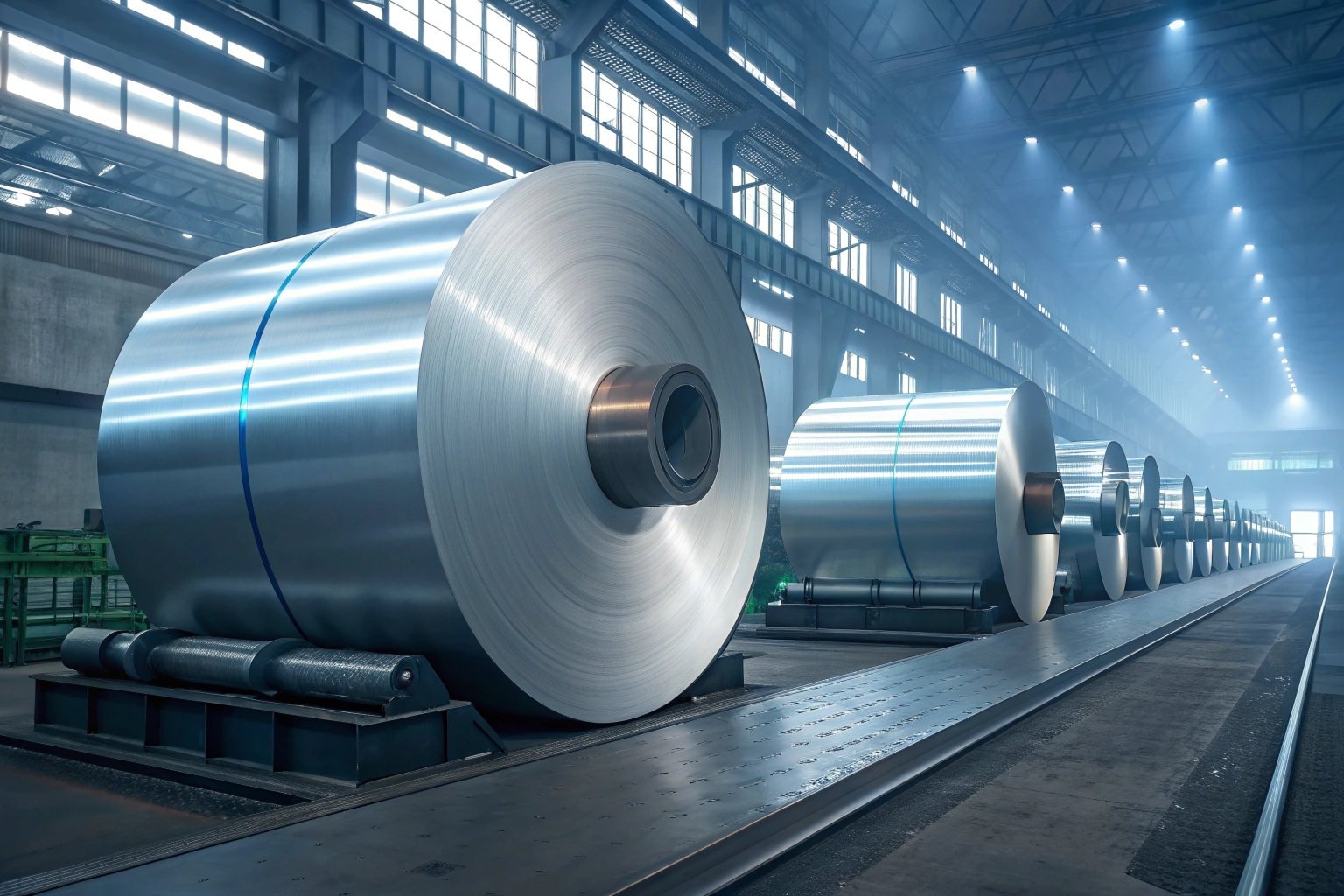

I know how much stress a single quality issue can cause you. You need raw materials that run smoothly on your lines without risking "fat cans" or leaks.
We primarily source our Electrolytic Tin Plate from Bao Steel (Baosteel) and other top-tier state-owned mills like Shougang. This ensures consistent temper, coating thickness, and compliance with FDA and EU food safety standards for your canning needs.
Let’s look at why the source of your raw material matters so much for your business reliability.
What is the quality difference between Bao Steel and private mills?
Buying cheap steel often feels like a win until the first can leaks on the shelf. I have seen this mistake destroy hard-earned profits too many times.
Bao Steel offers superior thickness precision and uniform tin coating compared to small private mills. State-owned mills use advanced cold-rolling technology, while private mills often lack consistency, leading to rust risks and sealing failures during high-speed production.
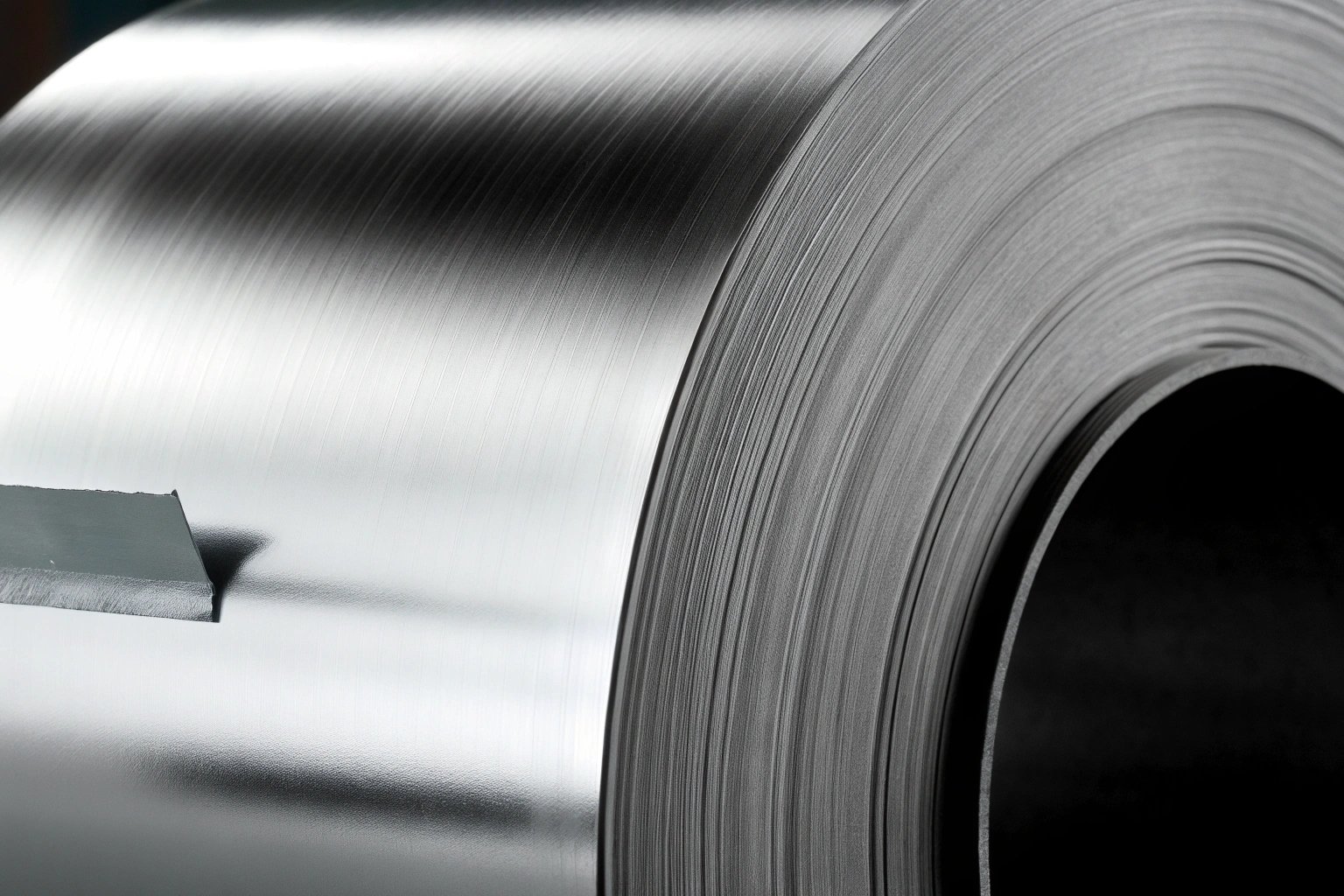
When we talk about quality differences, we are talking about the safety of your food product. In my 27 years in this industry, I have learned that the base steel determines everything. Bao Steel and other large state-owned mills use massive 1420 and 1220 cold-rolling units. These machines are huge, expensive, and precise. They produce steel sheets with incredibly tight thickness tolerance 1.
For a can maker, thickness tolerance is critical. If a sheet is even slightly too thick or too thin, it can jam your body-making machine. Worse, it can cause a false seam 2. A false seam might look fine to the eye, but it will leak once the can is pressurized or heated. Small private mills often use older or smaller equipment. They cannot hold the same tight tolerances. Their steel might vary in thickness from one end of the coil to the other.
Another major difference is the tin coating itself. Large mills have advanced plating lines that ensure the tin is applied evenly. This is vital for rust resistance. If the coating is uneven, you get pinholes 3. These are microscopic spots where the steel is exposed. Acidic food like tomato paste will eat through those spots in weeks. We stick to Bao Steel and similar giants because they produce consistent T1 to T5 tempers 4. We want to make sure you never have to deal with these risks.
Comparison of Mill Capabilities
| Feature | Bao Steel / Major State Mills | Small Private Mills | Impact on Your Business |
|---|---|---|---|
| Thickness Tolerance | Very precise (+/- 0.01mm) | Loose (+/- 0.03mm or more) | Precision prevents machine jams and bad seams. |
| Tin Coating | Uniform and even | Often uneven / patchy | Uniformity stops rust and pinholes. |
| Temper Consistency | Consistent (e.g., T3 is always T3) | Variable hardness | Consistent hardness ensures cans stack without collapsing. |
| Testing Standards | Strict international standards | Often skipped to save cost | Strict testing meets FDA/EU safety rules. |
Can I specify which raw material brand you use for my order?
You have specific requirements for your high-acid foods 5 or pressure-sensitive products. I understand that one size does not fit all in the metal packaging industry.
Yes, you can absolutely specify the raw material brand for your order. We allow clients to request Bao Steel, Shougang, or other specific mills to ensure the chemical composition matches your exact needs for acidic or high-sulfur content.

I believe in giving you total control over your product. We act as your partner, not just a seller. If you tell me that your production line runs best with steel from Wuhan Iron & Steel or Bao Steel, we will make that happen. We have strong relationships with all the major players in China. We can source the exact brand you trust.
This is especially important if you are packing aggressive foods. For example, if you are canning pineapple or pickles, the acid content is very high. You might need a specific chemical composition in the base steel to prevent corrosion. Or, you might need a "K-plate" which has high corrosion resistance 6. Only the big mills can produce these specialized grades reliably.
Customization Options
We can also help you choose if you are not sure. Sometimes, a client comes to me with a new product. They might be launching a new line of energy drinks or a spicy tuna salad. We look at the acidity and the sterilization process 7. Then, we recommend the right mill and the right specifications.
We offer a wide range of choices:
- Base Steel Origin: Bao Steel, Shougang, Wisco, etc.
- Temper Grades: T1 (soft) for deep drawing, up to DR8 (double reduced 8) for strong, stiff cans.
- Surface Finish: Bright, Stone, or Matte finishes to match your marketing look.
We do not force you to take what we have on hand if it does not fit. However, because we keep 100,000 tons in stock, we often already have the top-brand material you need sitting in our warehouse. This saves you months of waiting time.
Do you have a long-term supply contract to ensure material availability?
Nothing is worse than a line stop during harvest season because your supplier ran out of metal. You need to know your supplier will not run dry when you need them most.
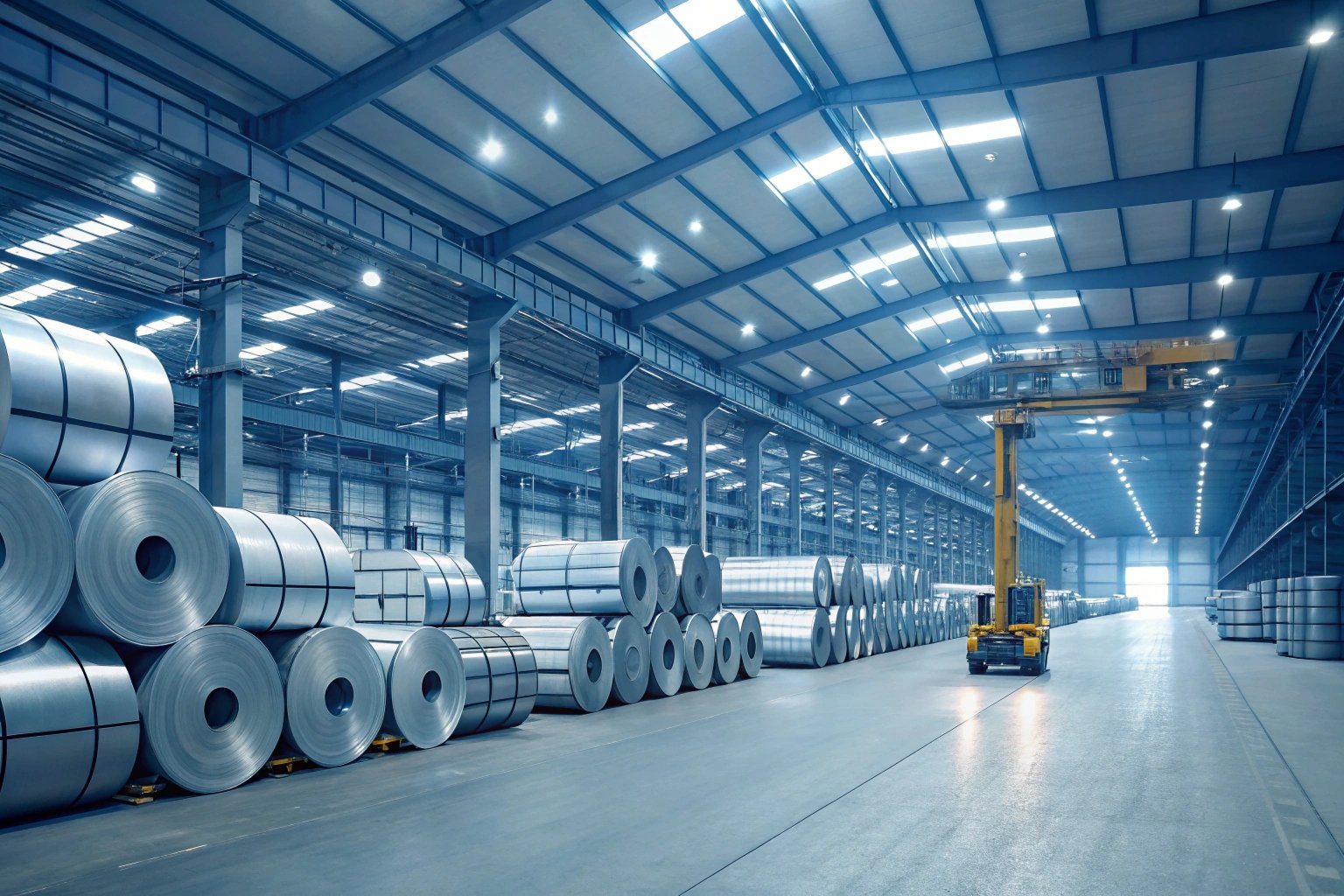
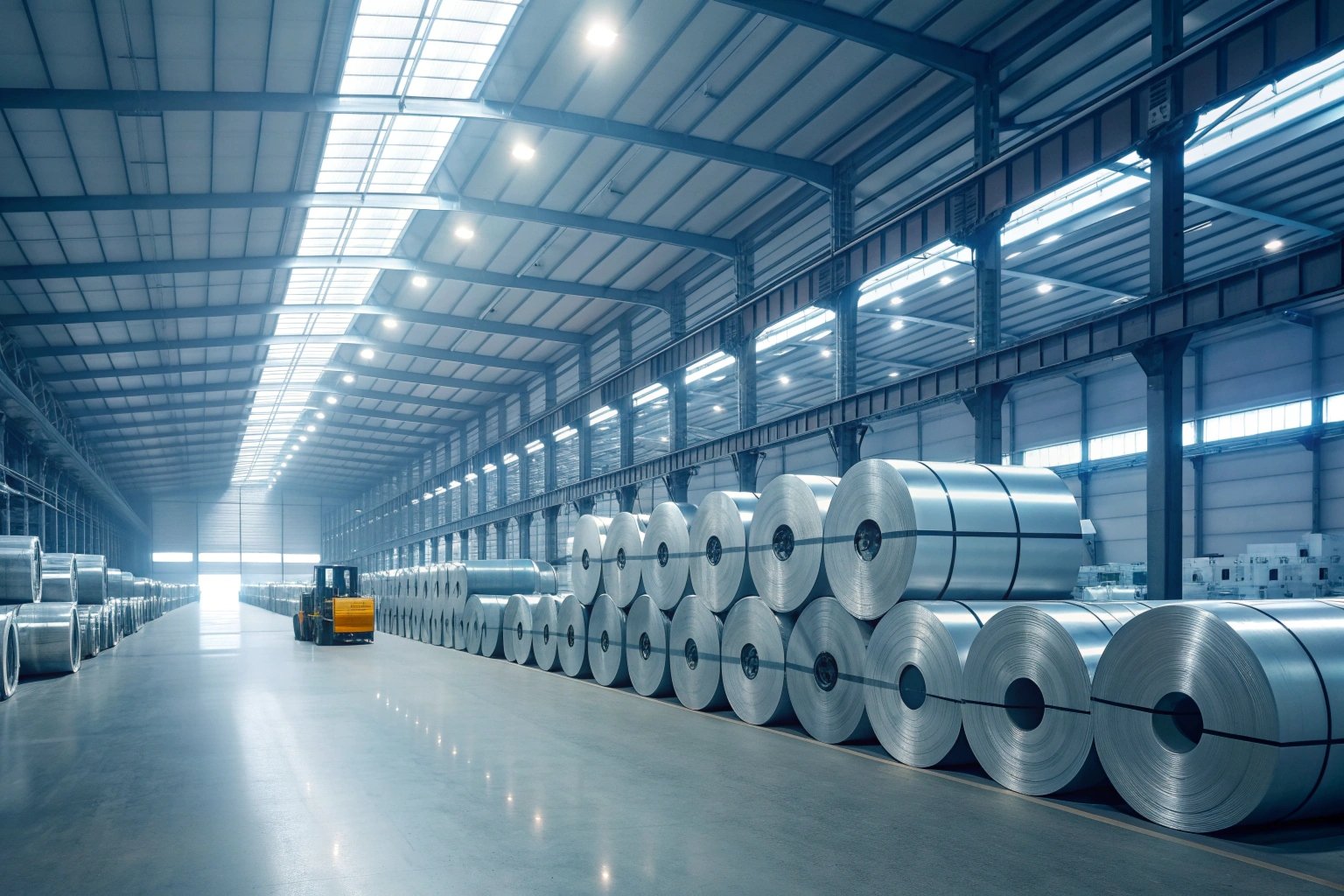
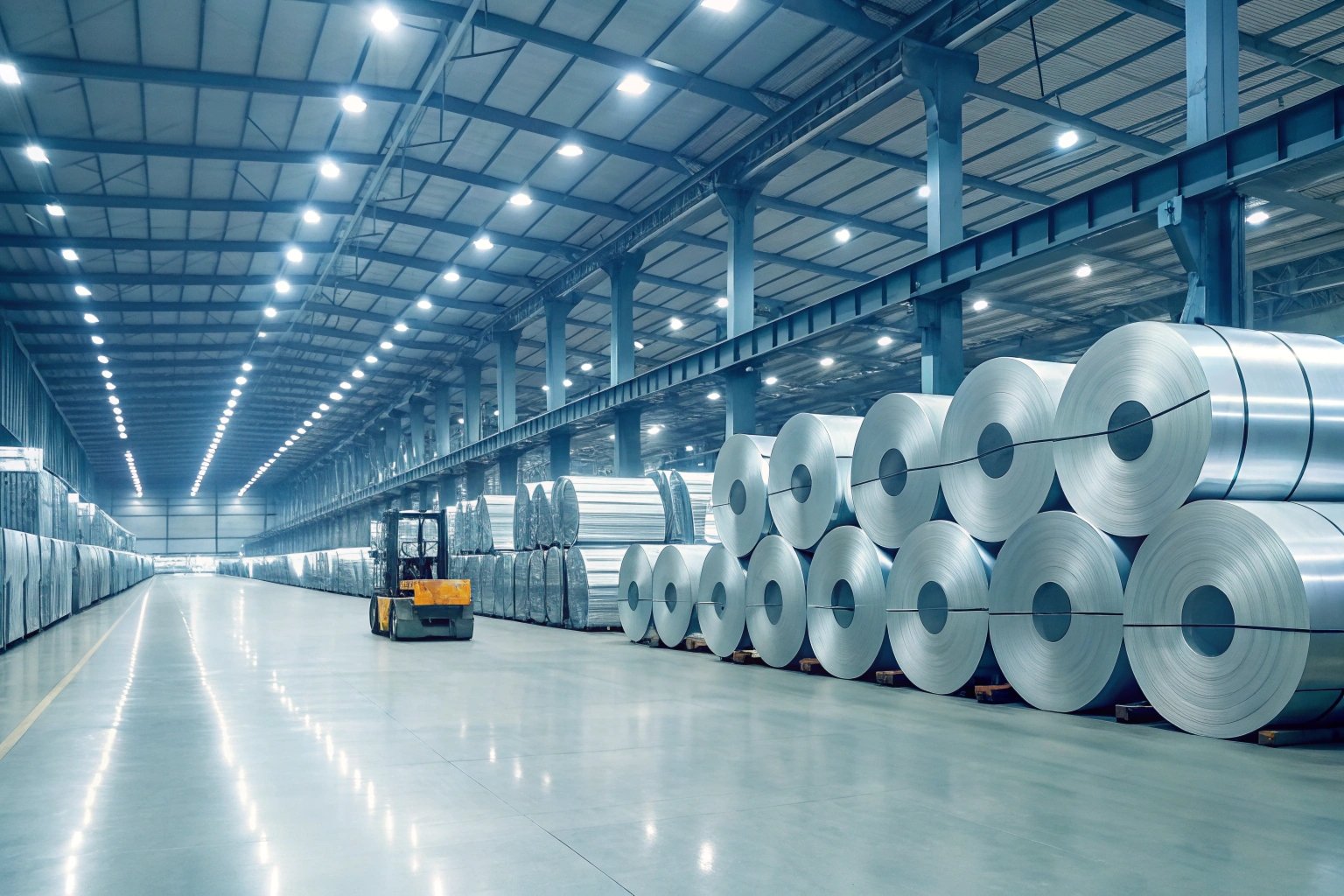
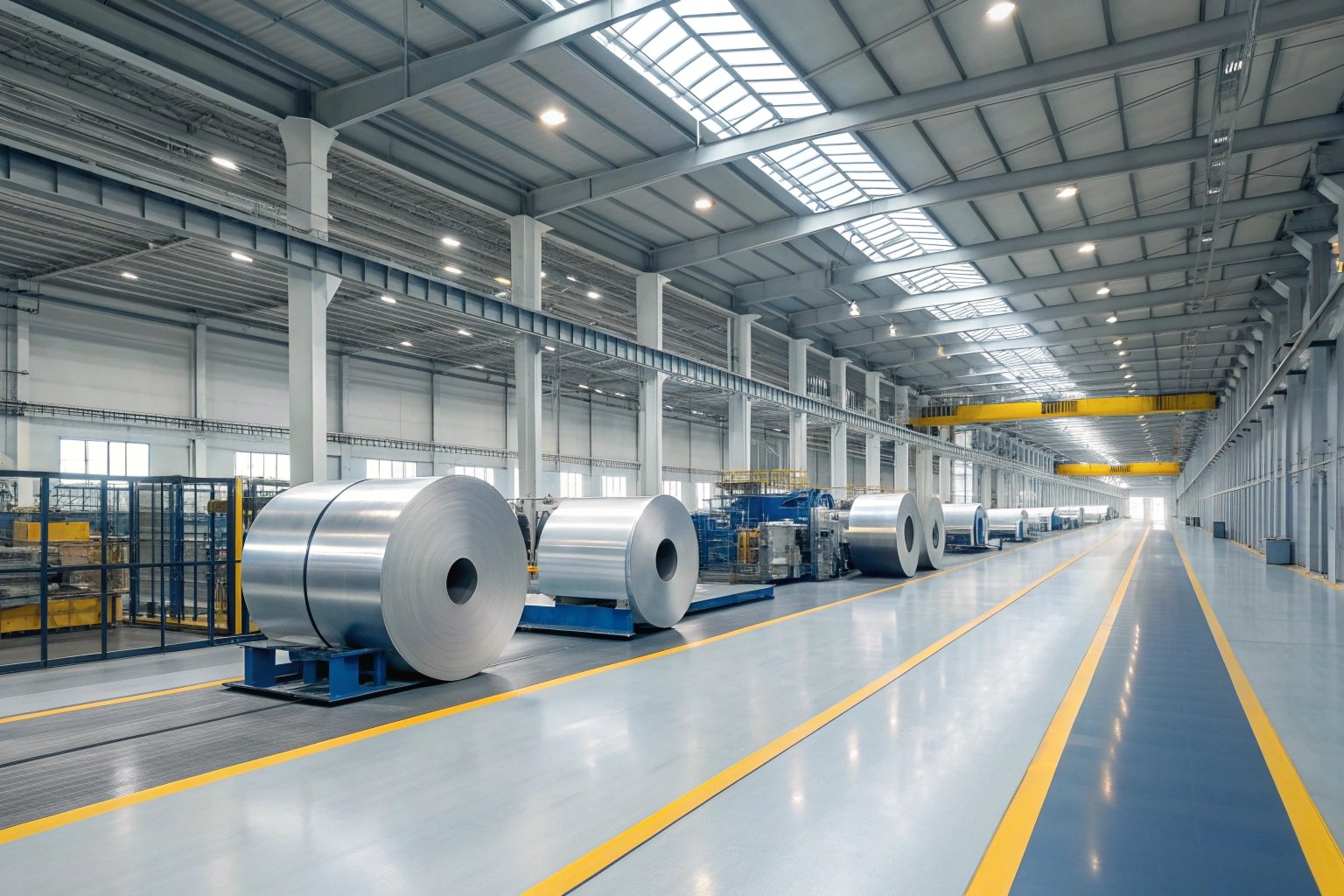
We hold over 100,000 tons of coil inventory through long-term strategic contracts with major mills. This massive stock allows us to guarantee supply stability even when global steel prices fluctuate or during peak canning seasons.
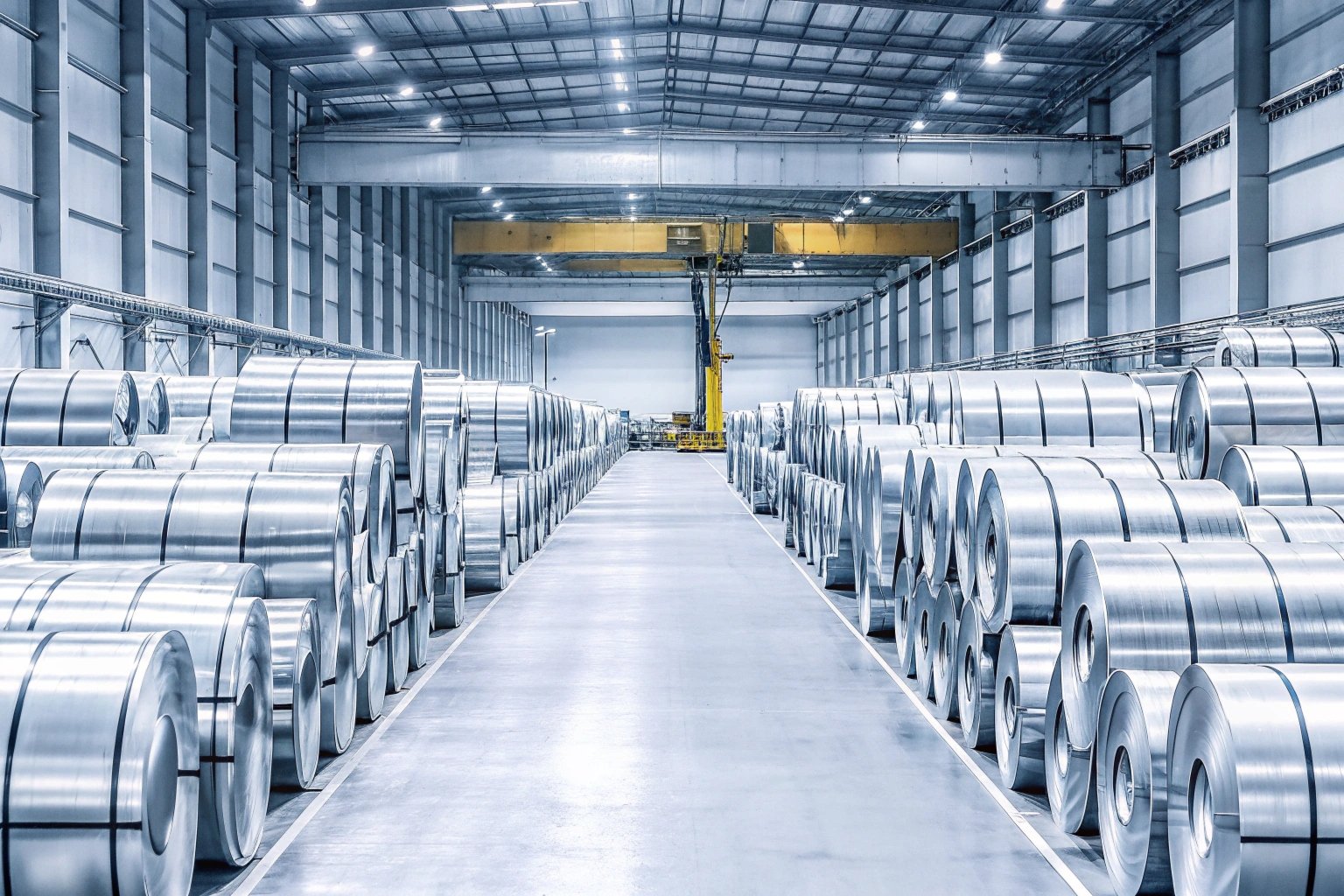
In the food canning business, timing is everything. When the tomatoes are red or the fish are caught, you must can them immediately. You cannot wait three weeks for a steel shipment. I know that delay means rotten food and lost money. That is why we operate differently than many other trading companies.
We are not just brokers who buy steel only after you place an order. We are a manufacturer with deep pockets and a massive warehouse. We keep a constant stock of 100,000 tons. To give you an idea, that is enough steel to wrap around the world. We buy this steel through long-term contracts with mills like Bao Steel. These contracts give us priority. When steel is scarce, the mills serve us first because we are their big, loyal customers.
Why Inventory Matters
This strategy protects you in two ways. First, it guarantees supply. When smaller factories are telling you "sorry, no stock," we can say "yes, it is ready to ship." Second, it helps stabilize prices. Steel prices jump up and down like a rollercoaster. Because we buy in huge volume and store it, we can often offer you a price based on older, lower costs. We absorb some of the market shock so you don’t have to deal with volatile global steel prices 9.
Supply Chain Security Comparison
| Feature | Typical Trading Company | Huajiang (Us) | Benefit to You |
|---|---|---|---|
| Inventory | Zero or very low | 100,000+ Tons | Instant availability during harvest peaks. |
| Buying Power | Small, spot purchases | Large, long-term contracts | Priority access to mill production. |
| Price Stability | Vulnerable to daily shifts | More stable pricing | easier budgeting for your fiscal year. |
| Risk of Stockout | High | Very Low | Peace of mind and continuous production. |
How do I check the origin of the substrate steel coil?
Trust is good, but verification is better when food safety is on the line. You deserve to know exactly what is going into your factory and your cans.
We provide original Mill Test Certificates (MTC) from the steel manufacturer for every shipment. You can verify the heat number, coil ID, and chemical composition directly against the mill’s database to confirm the origin is authentic.

Transparency is the foundation of our business. I know that you might have strict auditors coming to your factory. They want to see proof. They want to trace every batch of cans back to the original steel melt. We make this easy for you.
With every shipment of electrolytic tin plate, we send you the Mill Test Certificate (MTC). This is not just a piece of paper we typed up. It is the official document from the steel mill, like Bao Steel. It acts like a birth certificate for the steel coil.
What is on the MTC?
The MTC contains vital data. It lists the "Heat Number," which identifies the specific batch of molten steel. It lists the "Coil ID," which is the unique serial number for that specific roll. It also details the exact chemical analysis. You will see the percentage of Carbon, Manganese, Sulfur, and Phosphorus. You will also see the mechanical test results, like yield strength 10 and hardness.
We encourage you to check these numbers. Most major mills allow you to verify MTCs online. You can enter the Coil ID on their website, and it will match the document we gave you. This proves that the steel is genuine. It proves it is not cheap, low-quality material disguised as a top brand.
We also welcome third-party inspections. If you want SGS or Intertek to come to our factory in Fujian before we ship, we are happy to arrange it. They can take samples and test them independently. We have nothing to hide. We want you to sleep well at night knowing your raw materials are legitimate and safe.
Key Data Points on a Mill Test Certificate
| Data Point | What It Tells You | Why It Matters |
|---|---|---|
| Heat Number | The specific batch of liquid steel. | Allows total traceability back to the furnace. |
| Chemical Composition | The exact mix of elements (C, Mn, S, P). | Ensures the steel reacts correctly to welding and forming. |
| Tin Coating Weight | The amount of tin on the surface (e.g., 2.8/2.8). | verifies corrosion resistance matches your order. |
| Temper Grade | The hardness of the steel (e.g., T3, DR8). | Confirms the steel is not too soft or too hard for your machines. |
Conclusion
We source from Bao Steel and top mills to give you safety and consistency. You can choose your brand, verify the origin, and rely on our massive stock.
Would you like me to send you a sample MTC from Bao Steel so you can see the quality specs yourself?
Footnotes
1. Understanding precision standards in steel manufacturing for consistent production. ↩︎
2. Visual guide to identifying dangerous defects in can seaming. ↩︎
3. Definition of microscopic defects causing corrosion in plated metals. ↩︎
4. Classification of steel hardness grades for packaging applications. ↩︎
5. FDA guidelines on safety regulations for acidified food products. ↩︎
6. Technical overview of how materials withstand environmental damage. ↩︎
7. Methods used to eliminate bacteria in industrial food processing. ↩︎
8. Explanation of the manufacturing process creating stronger, thinner steel. ↩︎
9. Real-time data tracking trends in the steel market. ↩︎
10. Definition of the stress limit before permanent material deformation. ↩︎