


As a specialist in the metal packaging industry for over 27 years, I often see my clients struggle to choose between PPG and Valspar for their tinplate bottom ends. It is a decision that impacts not only the cost but also the long-term safety and integrity of your canned products.
Choosing PPG or Valspar depends on your specific product; PPG excels in high-acid food resistance and high-speed line stability, while Valspar (Sherwin-Williams) offers superior sulfur resistance and cost-efficiency for meat cans, with both brands ensuring full FDA and EU food safety compliance.
You have worked hard to build your brand, and a single batch of "swollen cans" or rusted ends can destroy your reputation overnight. I invite you to read on as I break down the technical differences between these two giants to help you make the right choice for your supply chain.
Does using PPG or Valspar coatings guarantee FDA compliance for my ends?
When I talk to procurement directors like Carlos, the first thing they ask is about safety. I always tell them that while the brand name is a heavy hitter, the compliance actually comes from the specific coating series used on the tinplate.
Yes, both PPG and Valspar provide coatings that are fully compliant with FDA 175.300 and EU 10/2011 regulations, provided you select their certified food-grade series like PPG Innovel or Valspar valPure which are specifically engineered for food contact.
Understanding the Regulatory Shield
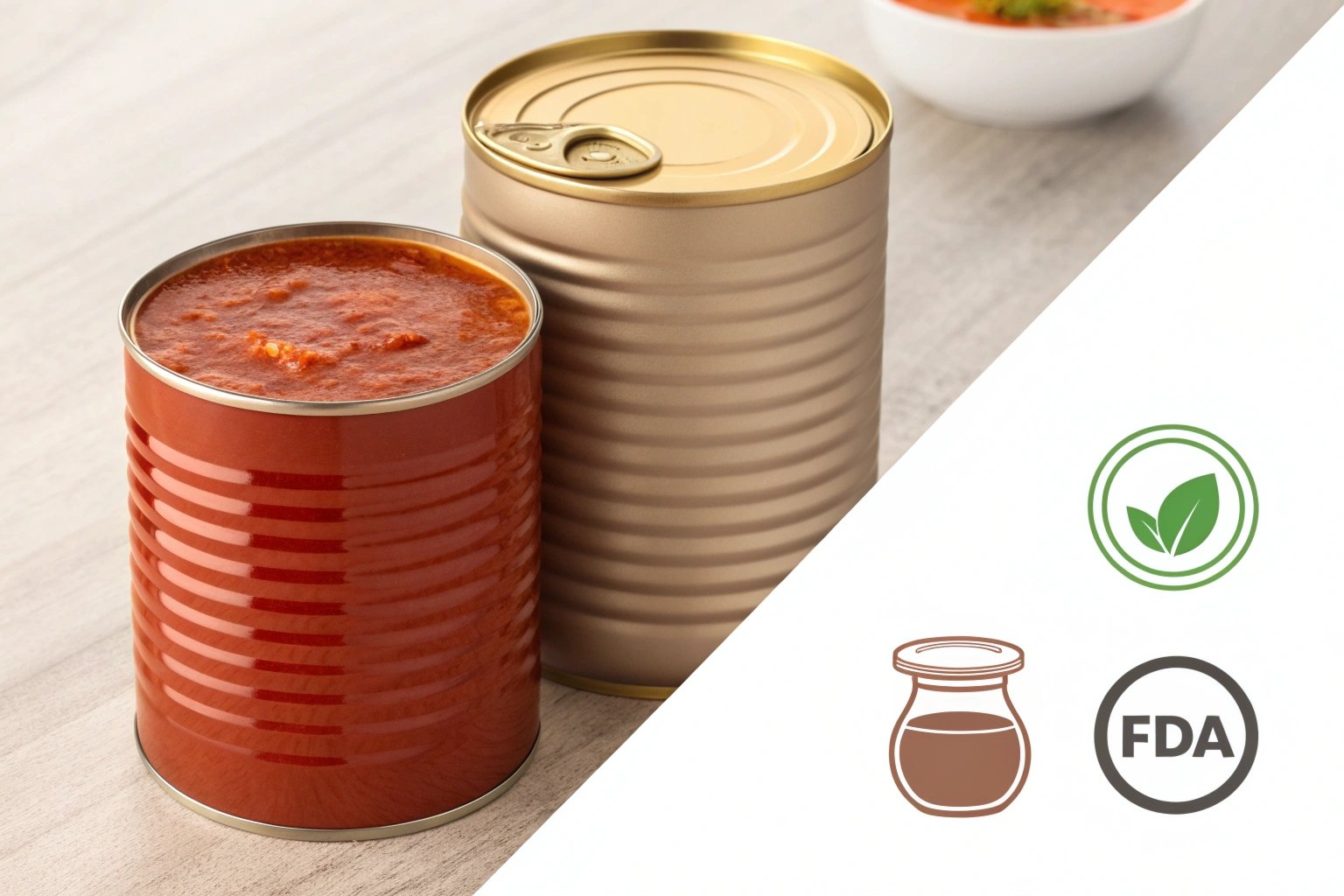
In my experience at Huajiang, we have seen the industry shift rapidly toward BPA-NI 1 and PFAS-free solutions. Both PPG and Valspar lead this change. However, just buying "PPG" isn’t enough; you must ensure the manufacturer is using the correct lacquer for your specific food type. For example, a coating for a beverage lid is very different from one for a high-acid tomato paste bottom end.
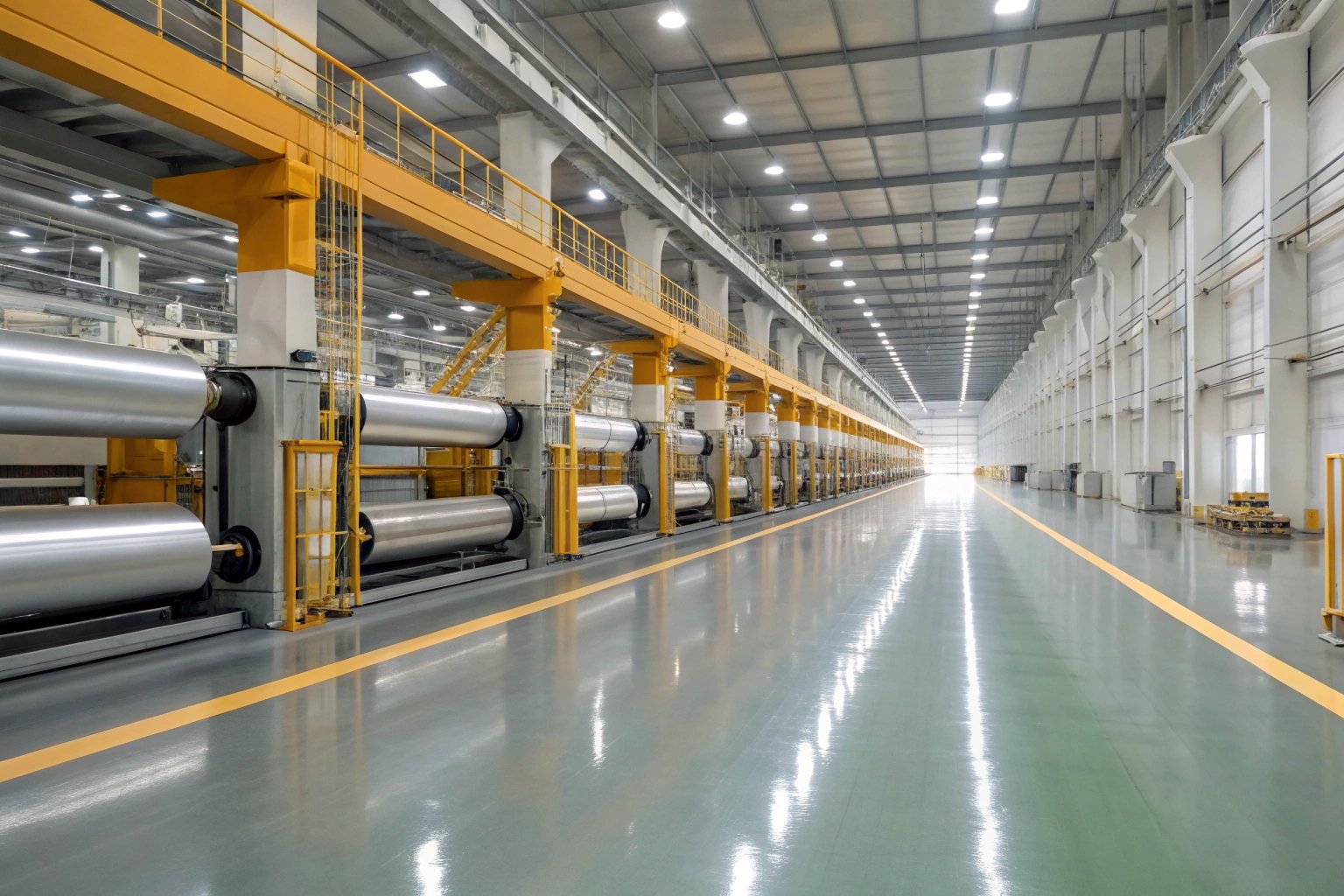
We maintain a massive stock of over 100,000 tons of tinplate from top mills like Baowu Steel 2 and Shougang. This scale allows us to work closely with coating labs to verify that every micron of lacquer applied on our 53 Fuji coating lines meets the global standards Carlos requires. When we use PPG or Valspar, we provide the full SGS and FDA documentation because, in the B2B world, trust is built on paper and performance.
Comparative Compliance Standards
| Feature | PPG (Innovel Series) | Valspar (valPure Series) |
|---|---|---|
| BPA Status | BPA-NI & PFAS-Free options | Non-BPA Epoxy (V70) & Acrylic |
| FDA Approval | 175.300 Compliant | 175.300 Compliant |
| EU Reach | Fully Compliant | Fully Compliant |
| Best For | High-speed beverage & acidic food | General food & meat cans |
The Importance of Technical Diagnostics
I have seen many buyers make the mistake of choosing a "general purpose" coating to save a few dollars. If your product is high-acid or high-sulfur, a general coating will fail during the retort process 3. This is why we offer custom coating solutions. We don’t just sell you a piece of metal; we analyze your sterilization process and content chemistry to recommend either a PPG epoxy-phenolic or a Valspar modified polyester. This technical diagnostic approach is what separates a simple trader from a professional manufacturer with 1,800 employees and 27 years of history.
Is there a significant price difference between branded and local coatings?
Price is always the elephant in the room when I negotiate with global purchasing managers. I know that Carlos is under pressure to reduce costs by 5-8% without sacrificing the quality that keeps his canned goods safe on retail shelves.
Branded coatings like PPG and Valspar typically carry a 15-25% premium over local Chinese coatings, but they offer significantly higher "yield stability" and lower risk of post-production failures which often offsets the initial material cost.
Calculating the Total Cost of Quality
I often explain to my clients that the "price" of the coating is only a small part of the "cost" of the finished end. At Huajiang, our automated production lines allow us to keep our overall manufacturing costs 5-8% lower than our competitors. We pass these savings on so you can afford the world-class PPG or Valspar lacquers without blowing your budget. Using a cheaper, local lacquer might save you $0.05 per thousand ends, but a single claim for sulfur staining 4 could cost you tens of thousands of dollars in lost inventory.
Cost Breakdown Comparison
| Expense Category | Branded (PPG/Valspar) | High-Quality Local |
|---|---|---|
| Liquid Coating Cost | High ($$$) | Medium ($$) |
| Application Waste | Low (High solids) | Medium |
| Risk of Spoilage | Near Zero | Low to Medium |
| Brand Recognition | High (Global trust) | Low (Needs testing) |
Why Inventory Depth Affects Your Price
One thing that makes us unique is our 100,000-ton inventory. Because we buy tinplate in such massive volumes, we have the leverage to negotiate better rates for the coatings as well. When we apply Valspar valPure on a large run of 307E or 401E ends, we achieve an economy of scale 5 that smaller factories simply cannot match. For a buyer like Carlos, this means he gets the "Golden Standard" of coatings at a price point that fits his regional market’s competitive landscape.
Long-term Stability vs. Short-term Savings
I’ve seen companies go out of business because they chased a 2% price reduction and ended up with a batch of ends that peeled during the seaming process. Branded coatings have better adhesion and flexibility. When our Fuji lines apply these coatings, the dry film weight 6 is strictly controlled. This precision ensures that even during the aggressive double-seaming at your cannery, the coating remains intact. In the long run, the stability of PPG or Valspar is the cheapest insurance policy you can buy.
How do I verify that the supplier actually used the brand I requested?
This is a common pain point for my customers who have been burned by dishonest suppliers in the past. They worry that they pay for Valspar but receive a generic substitute. I take this very seriously because our reputation is built on 27 years of transparency.
You can verify coating authenticity by requesting the "Batch Certificate of Analysis" (COA) from the coating manufacturer, performing a "MEK Rub Test" for curing quality, or requesting a third-party laboratory "Fingerprint Analysis" to match the chemical IR spectrum.
The Huajiang Transparency Protocol
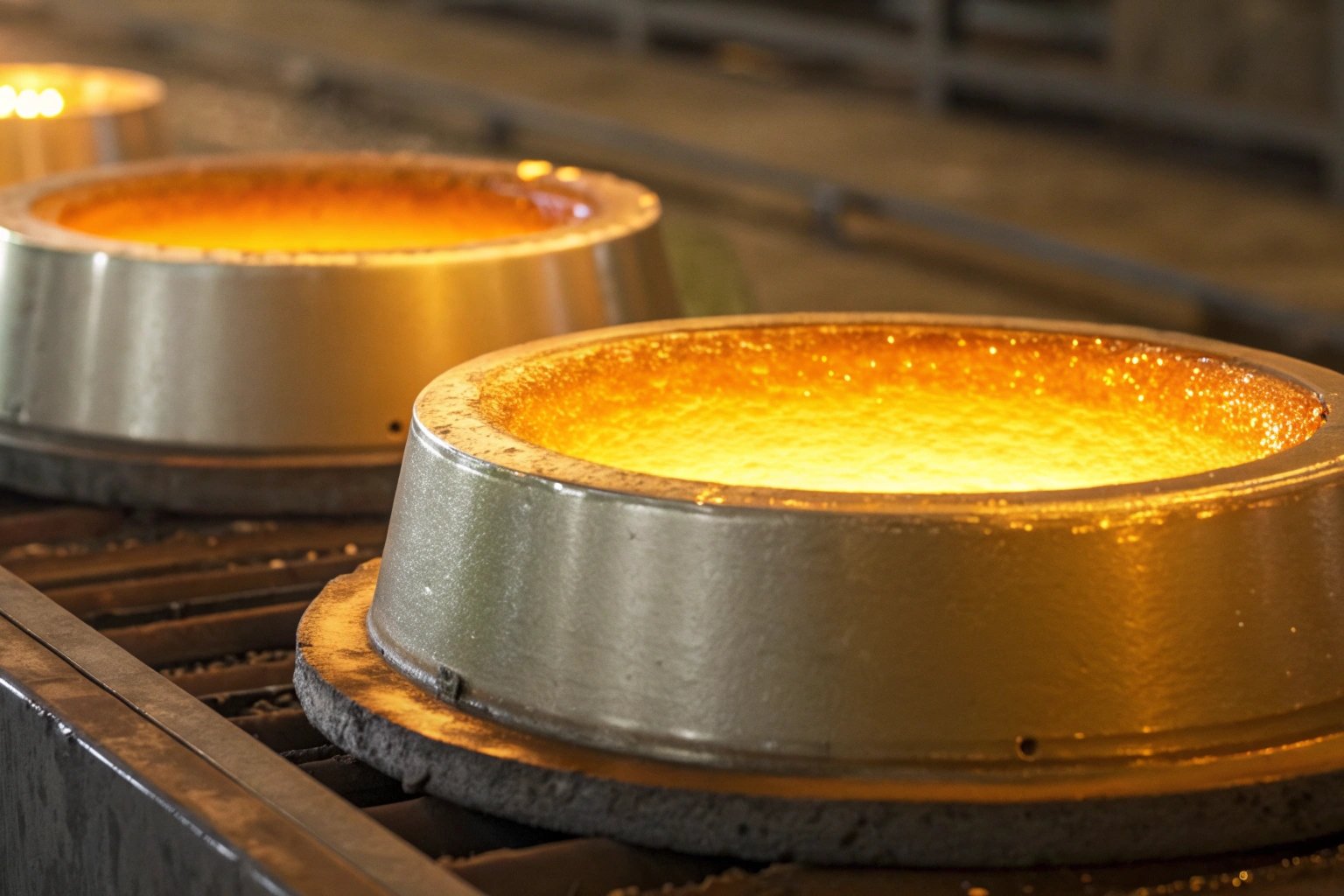
In our factory in Fujian, we operate with an "Open Door" policy for our long-term partners. We don’t just tell you we use PPG; we show you the drums in our 5 modernization coating plants. For international clients like Carlos who cannot visit every week, we provide digital traceability. Each pallet of tinplate ends comes with a production record 7 that links back to the specific batch of lacquer used. This level of accountability is why we have grown to over 1,800 employees and export to Southeast Asia, the Middle East, and the Americas.
Verification Methods for Procurement Managers
| Method | Complexity | Reliability |
|---|---|---|
| COA Documentation | Low | Medium (Requires trust) |
| MEK Rub Test | Medium | High (Tests curing) |
| Copper Sulfate Test | Medium | High (Tests porosity) |
| IR Spectroscopy | High | Absolute (Scientific proof) |
Technical Indicators of Branded Performance
I always tell my technical team that the "truth is in the lab." Branded coatings have specific "wetting" properties and flow characteristics. When we run PPG iSense on our lines, the surface tension 8 and gloss are distinct. If you are a professional like Carlos, you can often tell the difference just by the "slip" or the coefficient of friction of the cured film. A high-quality PPG coating will allow your ends to feed through high-speed seaming machines without jamming, whereas cheaper alternatives often have "tackiness" that slows down production.
Which brand offers better adhesion for aggressive food products?
When dealing with "hard-to-hold" products like energy drinks, spicy seafood, or high-acid fruits, adhesion is everything. If the coating lifts, the metal corrodes, and the food is ruined. I have spent years testing different formulas to see which one holds up best in the retort chamber at 121°C.
PPG is generally recognized for superior adhesion in high-acid environments due to its advanced cross-linked epoxy-phenolic structures, while Valspar’s valPure V70 series is the industry leader for preventing sulfide staining in protein-heavy products like meat and fish.
Critical Thinking: Performance vs. Application
It is not just about which brand is "better," but which is "better for you." I often use a critical lens when looking at these two. PPG’s Innovel PRO is fantastic for high-speed beverage ends because it handles the mechanical stress of the easy-open end 9 score line without micro-cracking. On the other hand, Valspar has mastered the chemistry of "Sulfide Absorption." If Carlos is packing tuna or beef, I will almost always steer him toward a Valspar solution because it prevents the unsightly black spots caused by hydrogen sulfide gas during sterilization.
Application Matching Guide
| Content Type | Recommended Brand | Why? |
|---|---|---|
| Tomato/Fruit (Acidic) | PPG (Epoxy-Phenolic) | High chemical barrier |
| Meat/Fish (Protein) | Valspar (Sulfur-Resistant) | Prevents black staining |
| Beverages (High Speed) | PPG (Innovel) | Flexibility for scoring |
| Vegetables (Brine) | Valspar (Acrylic/Polyester) | Cost-effective protection |
The "Fatigue" Factor in Tinplate Ends
One thing many people overlook is the "fatigue" the metal goes through. A tinplate bottom end isn’t static; it flexes during the heating and cooling cycles of the canning process. I’ve seen PPG coatings show incredible T-bend flexibility 10, which means the coating stretches with the metal rather than snapping. This is crucial for the "beading" on the bottom ends. Our 27 years of industry data shows that when we use these top-tier brands, the "leaker rate" in our customers’ factories drops by nearly 40% compared to using standard commercial-grade lacquers.
Custom Solutions for Global Markets
We don’t believe in a "one size fits all" approach. Whether you are in Mexico, Spain, or Thailand, your climate and local food chemistry matter. At Huajiang, we use our 53 Japanese Fuji coating lines to apply custom-tailored PPG or Valspar systems. If you are packing high-sulfur corn, we adjust the coating thickness and curing temperature to ensure maximum adhesion. It is this marriage of world-class chemistry and precision Chinese manufacturing that provides the "Huajiang Quality" our global partners rely on.
Conclusion
Choosing between PPG and Valspar depends on your product’s acidity and sulfur content; Huajiang provides the technical expertise and massive inventory to ensure you get the perfect, FDA-compliant coating.
Footnotes
1. Research on BPA-NI coatings to ensure food safety in packaging. ↩︎
2. Official site of Baowu Steel, a leading global tinplate manufacturer. ↩︎
3. Understanding the retort process for sterilization in canned goods. ↩︎
4. Definitions and causes of sulfur staining in metal packaging. ↩︎
5. Explanation of how economies of scale reduce manufacturing costs. ↩︎
6. Importance of dry film weight in coating durability and performance. ↩︎
7. ISO standards for maintaining traceable production records in manufacturing. ↩︎
8. Technical guide on how surface tension affects coating application. ↩︎
9. Evolution and technical requirements of easy-open end technology. ↩︎
10. ASTM standards for testing the flexibility of organic coatings. ↩︎