
Buying metal packaging often feels like a high-stakes gamble. You worry about rising material costs, rust issues, and supply chain delays 1. I know exactly how that feels.
Electrolytic Tin Plate (ETP) is cold-rolled steel coated with tin for corrosion resistance and weldability, while Tin Free Steel (TFS) uses a chromium coating. TFS offers superior paint adhesion and lower costs, but it cannot be soldered or welded easily. Your choice depends on your specific manufacturing process.
Let me walk you through the specific details so you can choose the right material for your factory and protect your bottom line.
Can I use TFS for the bottom ends of my food cans?
You want to save money on material costs, but you are afraid of leaks or corrosion. It is a scary thought for any production manager.
Yes, you can absolutely use TFS for bottom ends (Normal Ends). In fact, it is the standard choice for many food cans because the chromium coating bonds perfectly with protective lacquers. It prevents rust and handles the pressure of sterilization without costing as much as tinplate.
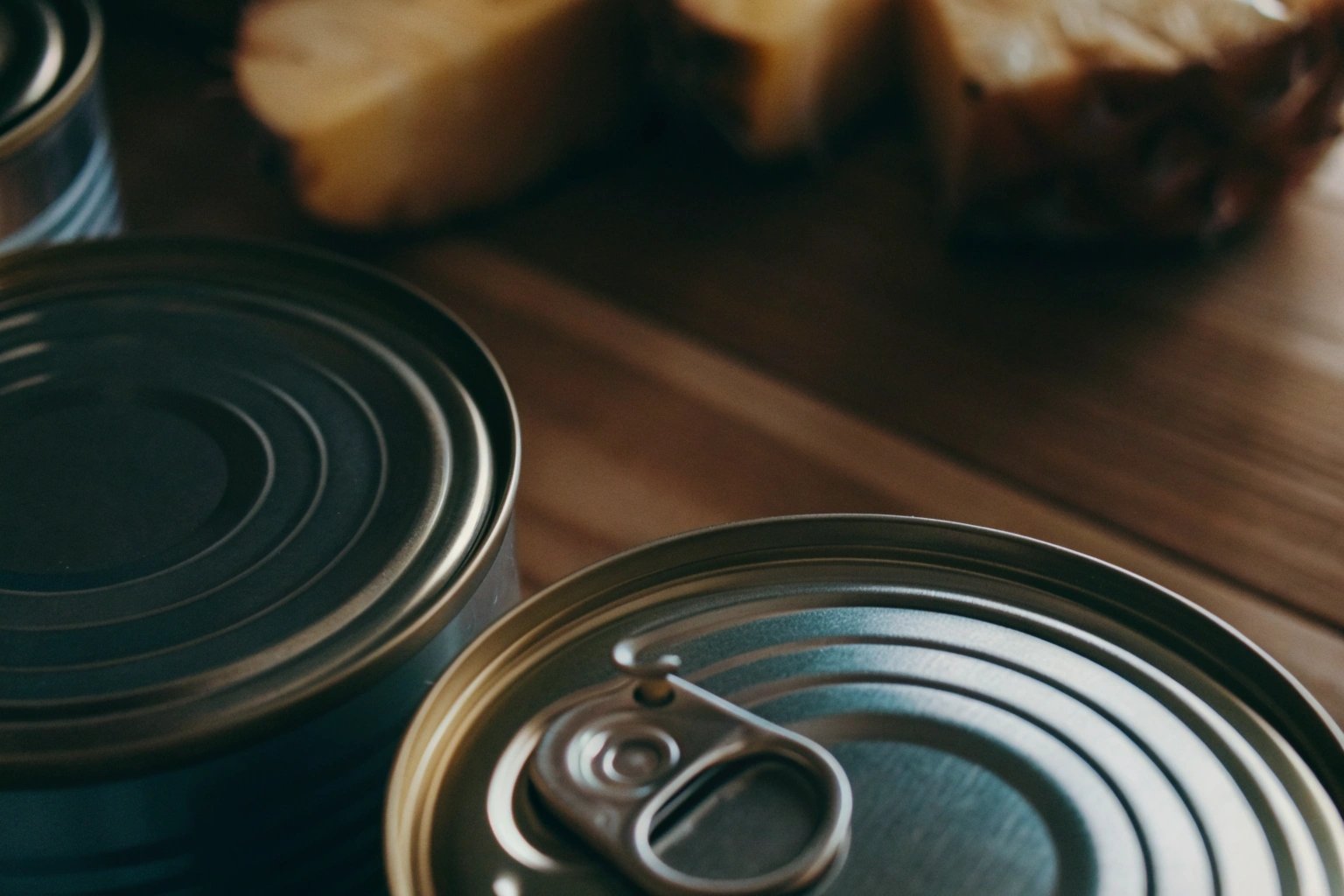
When I talk to clients like you, the biggest worry is always safety. You wonder if a cheaper material means a lower quality can. I want to assure you that for bottom ends, Tin Free Steel (TFS)—also known as ECCS—is not just a cheap alternative; it is often the better technical choice.
In my factory here in Fujian, we produce billions of ends every year. A huge portion of these are made from TFS. The reason is simple: you do not need to weld a bottom end. You seam it onto the can body using a mechanical double seam 2. Since no welding is involved, you do not need the soft tin layer that ETP provides to facilitate current flow. The chromium layer on TFS is incredibly thin, but it is mighty. It acts as a perfect base for the organic coating (lacquer).
Think of it like painting a wall. If the wall is too smooth, the paint slides off. If it has a bit of texture, the paint sticks. The chromium on TFS grabs the lacquer and holds it tight. This is crucial when your cans go through the retort process 3—the high-heat cooking phase. I have seen ETP ends where the lacquer peels off after cooking, leading to rust. With TFS, the lacquer stays put.
However, you must be careful with the contents. If you are packing highly acidic fruits like pineapple, the lacquer must be perfect. If the lacquer breaks on TFS, the steel underneath will corrode faster than tinplate would. But for most vegetables, meats, and dry goods, TFS ends are industry standard.
Cost Savings Without Risk
For a buyer like you, switching to TFS for bottom ends is the easiest way to cut costs. Tin is expensive. Chromium is much cheaper and the price is stable. By using TFS, you avoid the fluctuations of the metal market 4.
Here is a quick comparison of why TFS works for ends:
| Feature | Electrolytic Tin Plate (ETP) | Tin Free Steel (TFS) | Winner for Bottom Ends |
|---|---|---|---|
| Coating | Tin | Chromium / Chrome Oxide | TFS (Cheaper) |
| Weldability | Excellent | Poor | Tie (Not needed for ends) |
| Lacquer Grip | Good | Excellent | TFS |
| Cost | High | Low | TFS |
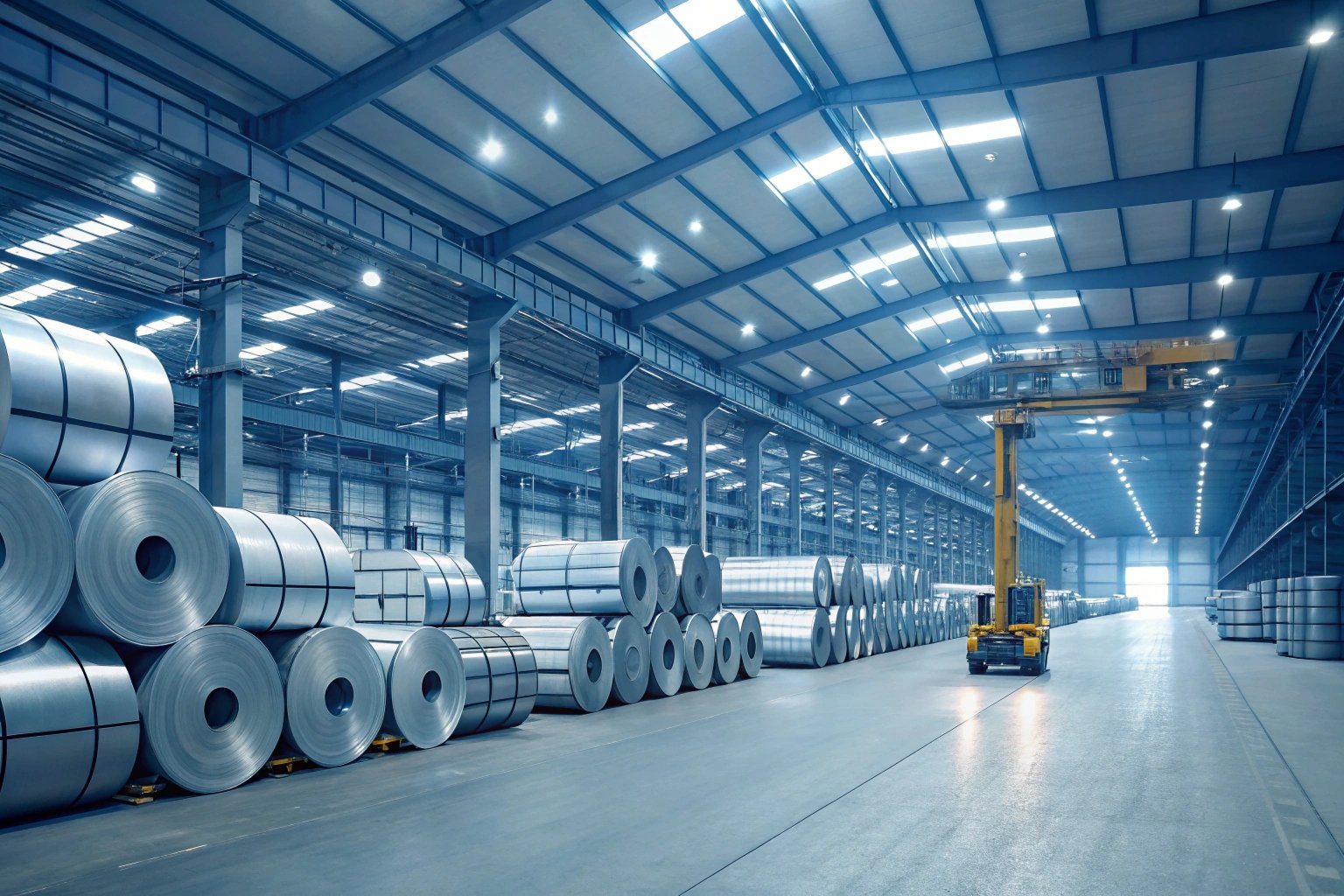
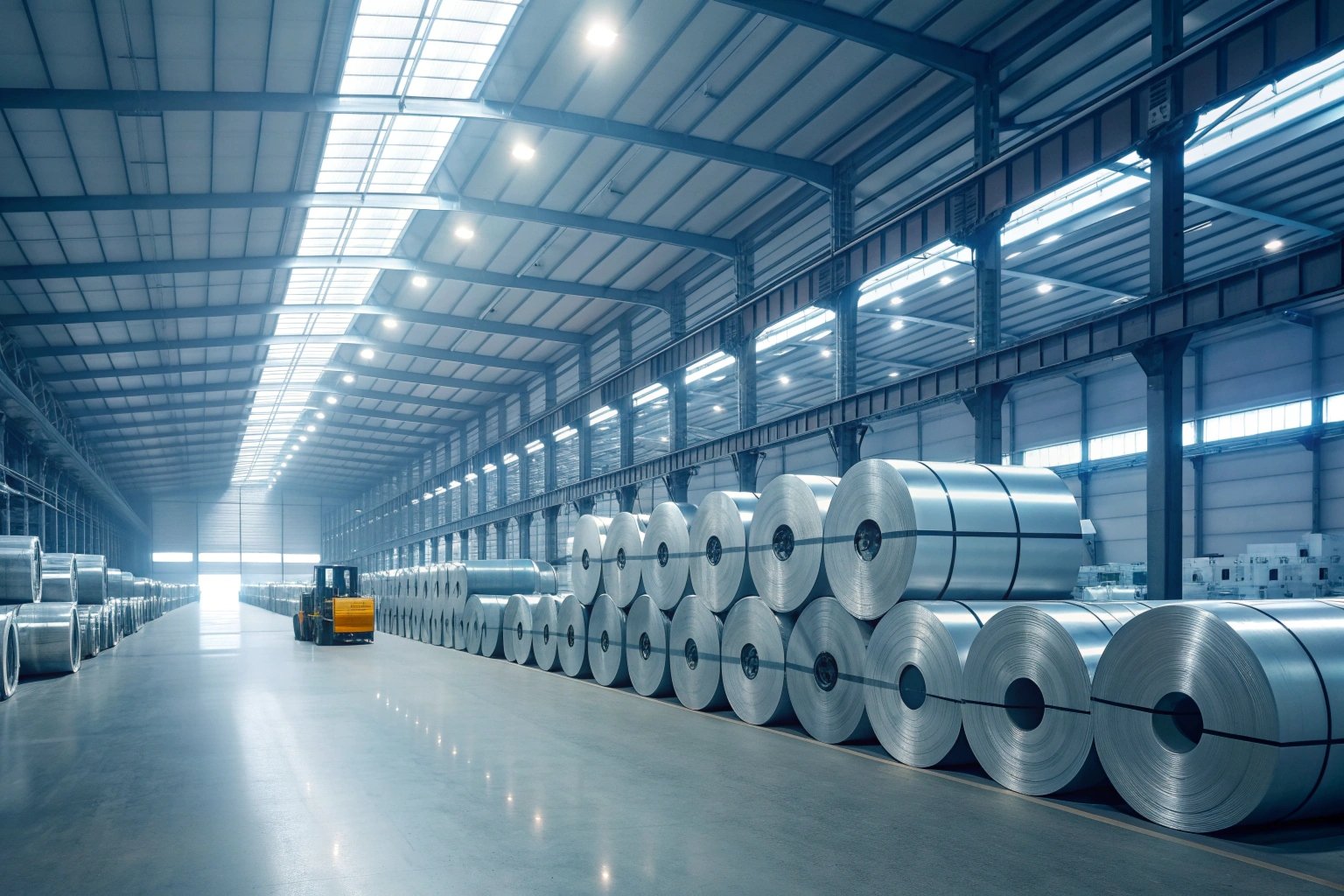
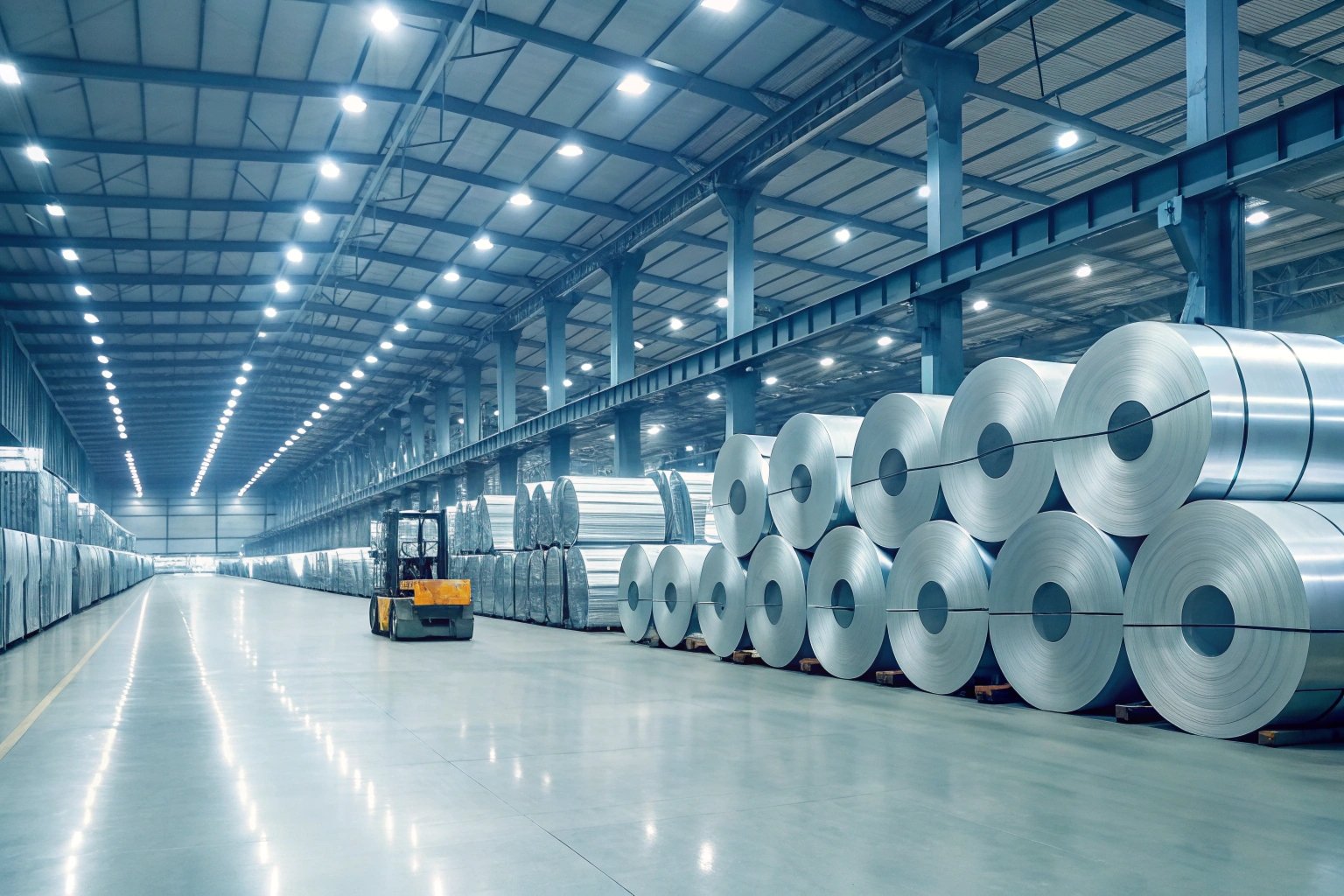
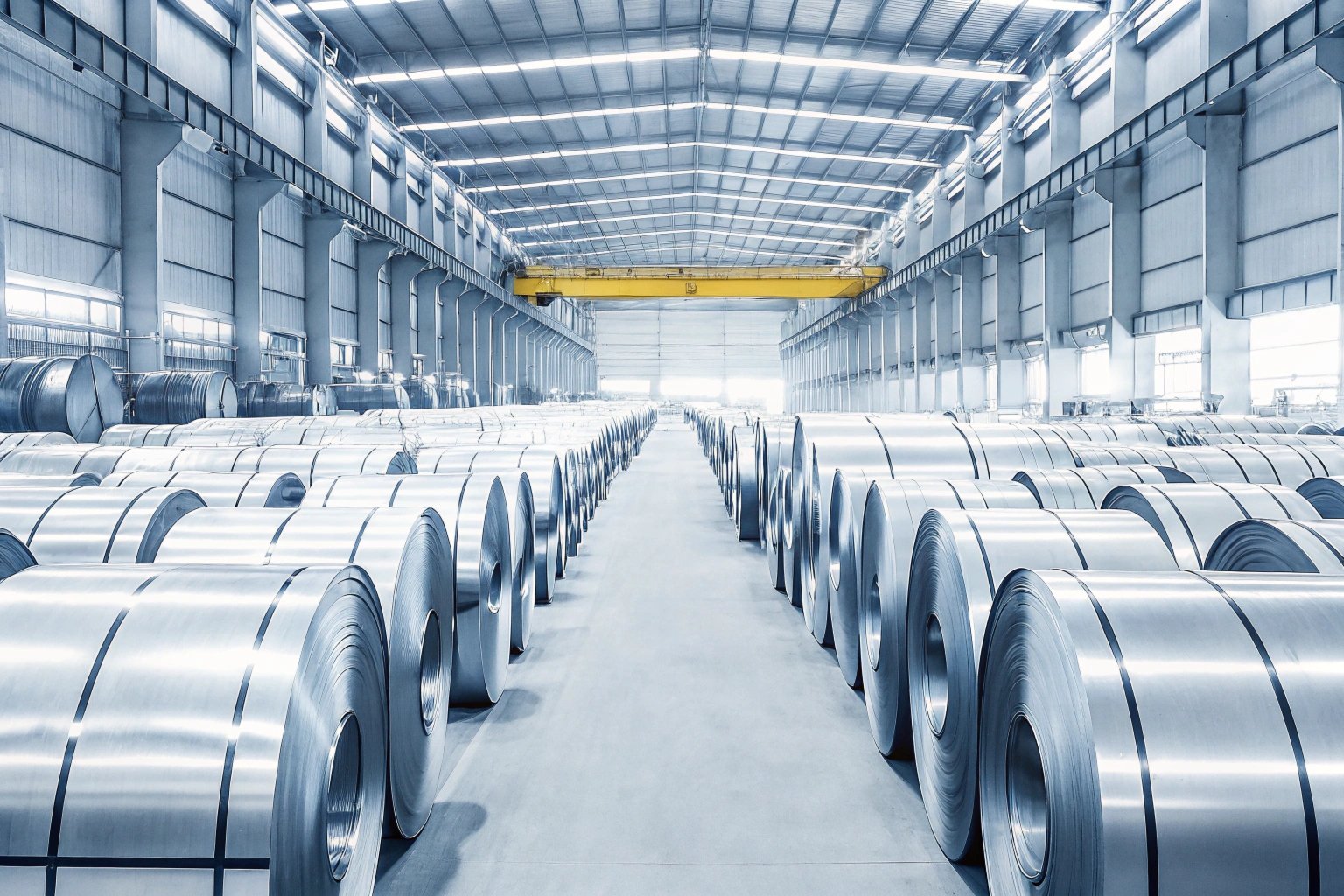
At Huajiang, we keep 100,000 tons of coil in stock. I often advise my clients to use a "hybrid" can: use ETP for the body (so you can weld it) and TFS for the top and bottom. This gives you the best of both worlds. You get the structural integrity of the tinplate body and the cost savings of the TFS ends. It is a smart move that protects your profit margins without risking food safety.
Is TFS cheaper than ETP for making crown caps?
Margins on bottle caps are razor-thin. You need every cent of profit you can get without sacrificing quality or speed on the bottling line.
TFS is significantly cheaper than ETP for crown caps because it does not use expensive tin. Since crown caps always require internal and external coating to protect the beverage and show your brand, the natural lacquer adhesion of TFS makes it the perfect, low-cost material for beer and beverage bottling lines.
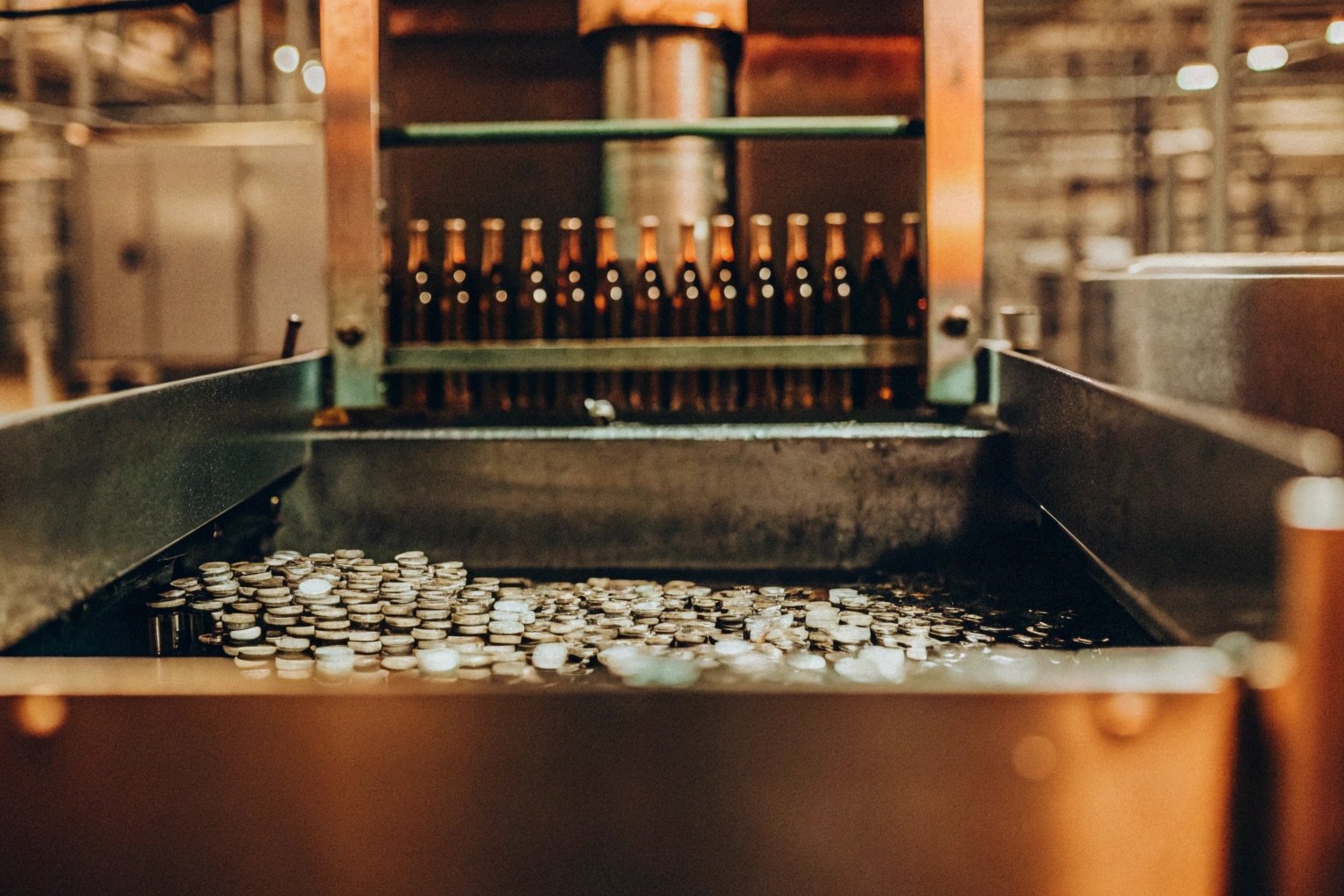
Let’s be honest about the beverage industry 5. The volume is huge, but the profit per unit is tiny. If you are making millions of crown caps for beer or soda bottles, a price difference of just 5% is massive money at the end of the year. This is where TFS shines.
The price of tin has been climbing for years. It is a precious metal. Every time you buy ETP, you are paying for that layer of tin. But ask yourself: do you need it for a crown cap? The answer is usually no. Crown caps are punched out of a sheet and formed into shape. They are not welded.
The Role of Coatings
A crown cap is never just bare metal. It always has a logo on the outside and a protective liner on the inside. Because you are covering the metal 100%, the natural corrosion resistance of the bare metal matters less than how well it holds paint.
I have visited factories where they tried to use ETP for caps. They often faced an issue called "dusting." The soft tin surface can sometimes create tiny metal dust particles in the high-speed punch press. This dust clogs the machines and contaminates the line. TFS is harder and has a higher friction coefficient 6. While this might sound bad, it actually means it punches cleanly without leaving soft metal residue. This implies your machines run longer without maintenance stops to clean out tin dust.
Also, consider the visual appeal. Your marketing team wants the logo on the cap to look sharp. Because TFS has a matte finish, it provides a neutral background that doesn’t interfere with the ink colors as much as the bright shine of tin sometimes can.
Comparing the Economics
Here is why the smart money is on TFS for caps:
- Raw Material Cost: TFS is consistently cheaper per ton than ETP.
- Production Speed: The harder surface of TFS allows for precise stamping.
- Durability: The paint sticks better, so the caps don’t look scratched after going through the brutal sorting hoppers and filling lines.
For a buyer focused on the bottom line, sticking to ETP for caps is essentially throwing money away. We supply TFS to some of the biggest cap manufacturers in the world. They demand consistency. They want the metal to be the exact same thickness and hardness every time, so their lines do not jam. Our Japanese production lines ensure that the TFS we send you is flat, clean, and ready to run.
Why can’t I weld Tin Free Steel like I do with ETP?
Nothing is worse than a stopped production line because the welder failed. You need materials that run smoothly every single time.
You cannot weld TFS easily because the chromium oxide layer acts as an electrical insulator. Unlike tin, which conducts electricity and melts to form a bond, the chrome surface prevents the current from passing through. To weld TFS, you must grind off the edge coating, which is expensive.

This is the most common technical question I get from new buyers. They see the low price of TFS and ask, "Chase, can I just use this for my can bodies too?" I have to be honest with them: No, you usually cannot.
To understand why, we have to look at how a 3-piece food can 7 is made. You take a flat sheet, roll it into a cylinder, and then use copper wires to pass a huge electrical current through the overlapping edges. This current creates heat.
The Conductivity Problem
In ETP, the tin layer is soft and highly conductive. When the current hits it, the tin melts slightly and helps fuse the steel together. It acts like a bridge for the electricity.
TFS is different. The surface is composed of chrome and chrome oxide. Chrome oxide is a ceramic-like material. It resists electricity. If you try to run that same current through TFS, the electricity gets blocked. The resistance builds up until—pop—you get sparks, but no weld. Or worse, you burn a hole right through the metal because the machine tries to force the current through.
The Workaround: Edge Grinding
Is it impossible to weld TFS? No. Some very specialized factories do it. But to do so, they have to physically grind away the chrome layer on the edges of the sheet before welding.
- Step 1: Cut the sheet into body blanks.
- Step 2: Use abrasive wheels 8 to grind the edges to expose raw steel.
- Step 3: Weld the raw steel.
- Step 4: Re-coat the weld seam immediately to prevent rust.
This adds a huge amount of complexity. You need grinding equipment, you have to manage the dust, and your production speed slows down. For 99% of can makers, it is simply not worth the trouble. The money you save on the cheaper steel is lost in higher electricity bills, slower speeds, and extra machinery.
When to Choose What
I created this table to help you decide quickly:
| Application | Best Material | Why? |
|---|---|---|
| 3-Piece Can Body | ETP | The tin layer allows for high-speed welding (500+ cans per minute). |
| 2-Piece Drawn Can | TFS | No welding is needed; the can is punched and drawn from a single cup. |
| Can Ends/Lids | TFS | No welding is needed; superior lacquer adhesion is the priority. |
If you are making standard tomato paste or fruit cans that have a side seam, stick with ETP. It is the reliable workhorse. Don’t try to force TFS into a welding line unless you are prepared for a lot of headaches.
Which material has better lacquer adhesion for my logo?
A rusty or peeling logo destroys your brand image instantly. You want your cans to look perfect on the supermarket shelf.
Tin Free Steel (TFS) has superior lacquer adhesion compared to ETP. The unique surface chemistry of the chromium oxide layer grabs onto organic coatings and inks much tighter than a smooth tin surface does. This prevents peeling, even during high-temperature sterilization.
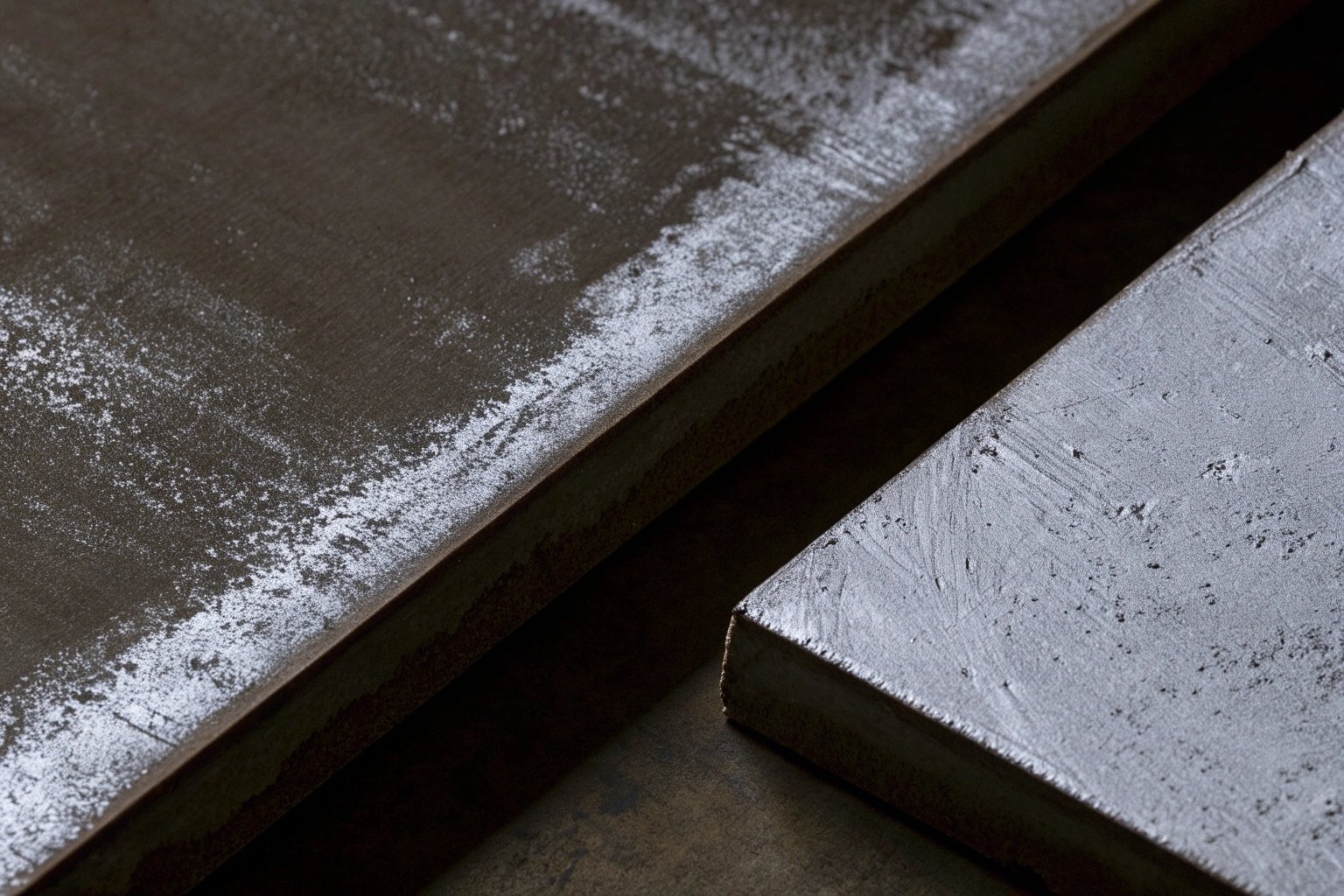
In the world of metal packaging, appearance is everything. If the paint flakes off your can, the customer assumes the food inside is bad. This is why adhesion is such a critical technical spec.
I often explain to my clients that tin (ETP) is like a mirror. It is very smooth and shiny. While this looks nice, it can be slippery for paint. You need specific lacquers to bond to tin. Sometimes, under stress, the paint can delaminate or lift off.
TFS, on the other hand, has a microscopic structure that acts like a primer. The chromium oxide layer is chemically active in a way that bonds with the polymers in the paint. It creates a unified layer that is incredibly hard to break. This is why TFS is the preferred choice for Draw and Redraw 9 (DRD) cans, where the metal is stretched and deformed. The paint holds on tight even when the metal changes shape.
The "Sulphur Staining" Issue
There is another hidden benefit to TFS that many buyers overlook: resistance to sulphur.
If you are canning protein-rich foods—like fish, meat, or corn—the food releases sulphur compounds 10 during cooking. On ETP, this sulphur reacts with the tin to create "tin sulphide." This looks like black or purple spots inside the can. It is harmless to eat, but it looks terrible. Customers hate it.
TFS is almost immune to this. The chrome layer does not react with sulphur. If you use TFS for your fish cans or meat pate tins, the inside of the can stays clean and bright without needing expensive sulphur-resistant lacquers.
High-Heat Performance
Do your cans go through a high-pressure cooker (retort)?
- ETP: Under high heat (above 232°C), the tin layer can actually melt or soften. If the lacquer isn’t perfect, it can slide or blister.
- TFS: The chrome layer is heat-stable up to very high temperatures (400°C+). The paint stays locked on, no matter how hot the retort gets.
Adhesion Comparison
| Property | ETP (Tinplate) | TFS (ECCS) |
|---|---|---|
| Surface Texture | Smooth, Glossy | Matte, Metallic Gray |
| Paint Grip | Moderate | Superior |
| Heat Resistance | Low (Tin melts at 232°C) | High (Stable >400°C) |
| Sulphur Reaction | Reacts (Black spots) | Inert (No spots) |
If you are printing a complex, colorful design directly onto the metal, or if you are packing aggressive foods like fish, TFS is often the safer choice for your brand reputation. At Huajiang, we can even provide pre-printed sheets using our Fuji coating lines to ensure the finish is flawless before it even reaches your factory.
Conclusion
Choosing between ETP and TFS comes down to your production method and budget. Use ETP for welded bodies, and switch to TFS for ends and caps to save money and improve durability.
Footnotes
1. Understanding the impact of logistics disruptions on manufacturing. ↩︎
2. Technical overview of the hermetic sealing process for cans. ↩︎
3. Explanation of commercial food sterilization and heating methods. ↩︎
4. Global exchange for trading industrial metals and pricing data. ↩︎
5. News, trends, and technologies driving the beverage manufacturing sector. ↩︎
6. Physics data regarding surface resistance in machining processes. ↩︎
7. Industry statistics and standards for 3-piece food can production. ↩︎
8. Safety and usage guides for industrial grinding equipment. ↩︎
9. Deep dive into the Draw and Redraw can making process. ↩︎
10. Chemical properties and reactions of sulfur in food processing. ↩︎