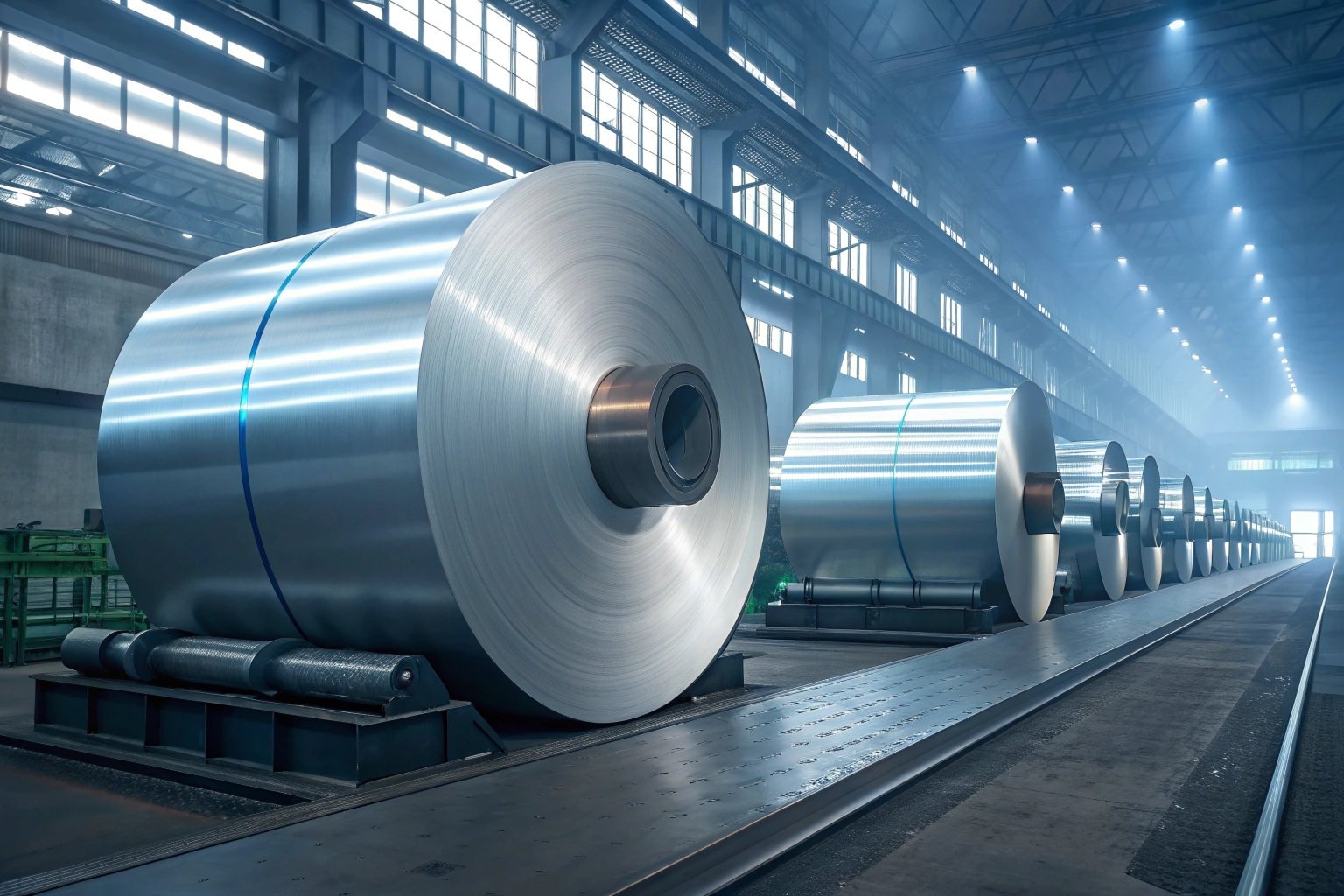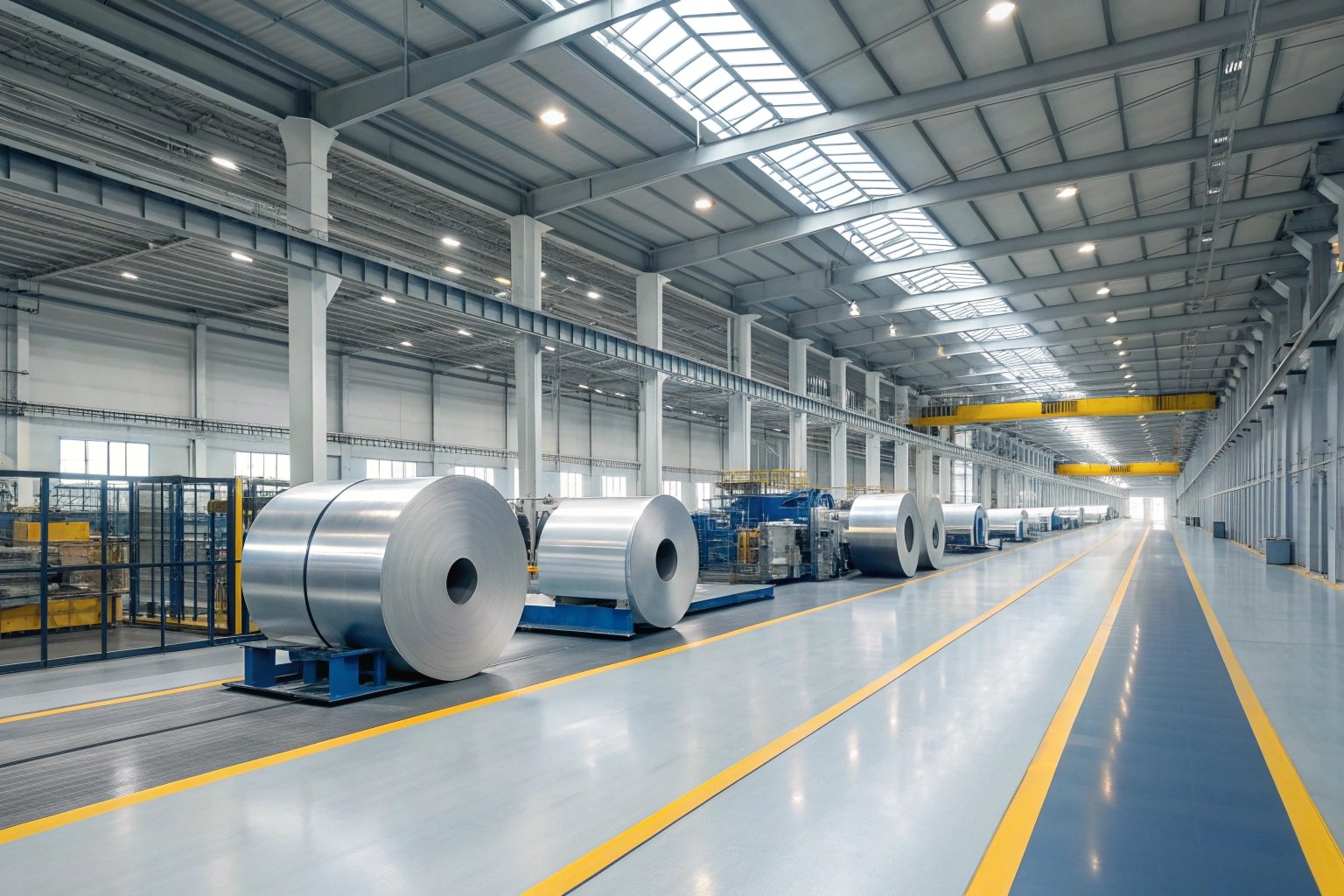

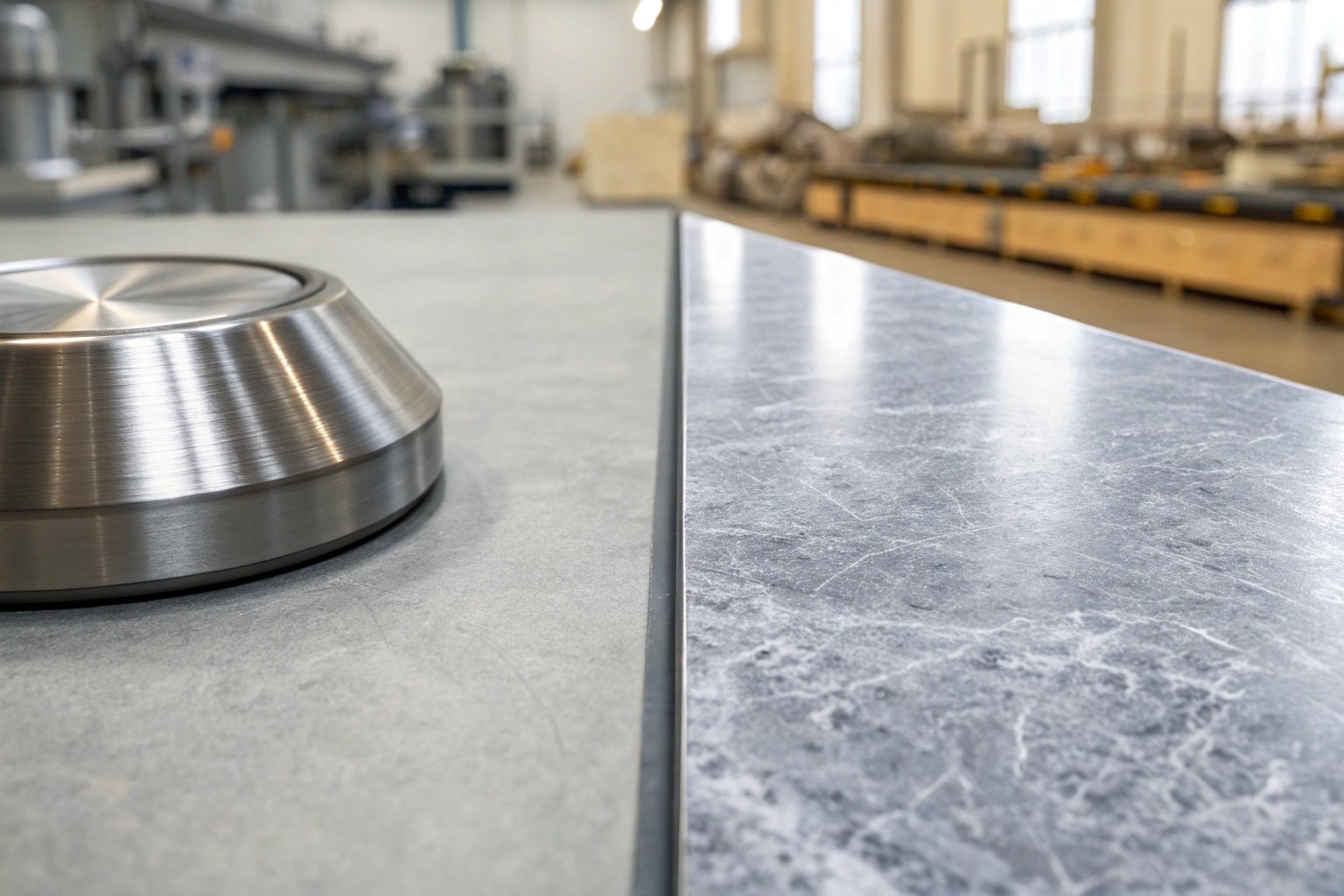
You stare at the specification sheet for your next big canning order, and your finger hovers over the "Surface Finish" column. I know that hesitation well because I have spent twenty-seven years helping buyers like you avoid costly mistakes regarding Electrolytic Tin Plate 1.
The main difference between Matte and Bright finish Electrolytic Tin Plate (ETP) lies in the final processing step and surface roughness. Bright finish undergoes a "flow-melting" process to create a shiny, mirror-like surface with low roughness, while Matte finish remains unmelted, retaining a dull, rougher texture.
Choosing the wrong finish is not just an aesthetic error. It is a functional disaster waiting to happen. If you select the wrong surface, your lacquers might peel off. Your welders might jam. Your cans might rust on the shelf. I want to guide you through these technical details using plain English so you can make the right choice for your factory.
Is Matte finish better for lacquer adhesion than Bright finish?
You might think a smooth, shiny surface is better for quality. But when you apply paint or lacquer, that smoothness can actually cause the coating to flake off during sterilization.
Matte finish is significantly better for lacquer and ink adhesion than Bright finish. The rougher surface of Matte tinplate creates a "mechanical tooth" that allows organic coatings to grip the metal tightly, reducing the risk of peeling during high-temperature retort processes.
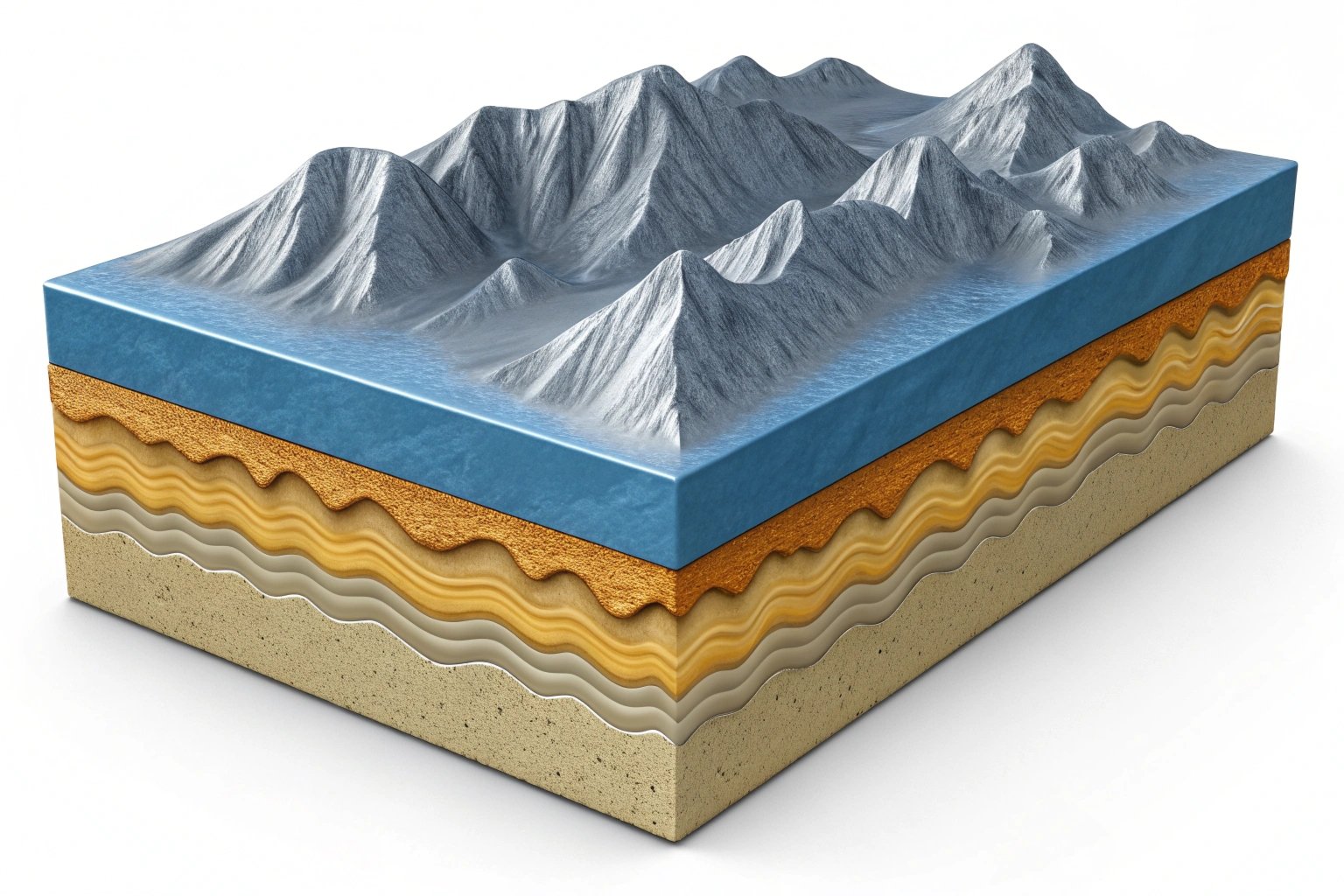
To understand why Matte finish wins here, you have to look at the microscopic level of the steel. Imagine trying to stick a piece of tape onto a mirror versus sticking it onto a piece of sandpaper. The mirror is slippery, and the tape peels off easily. The sandpaper has peaks and valleys that grab the adhesive. This is exactly how Matte finish works for your cans.
At Huajiang, we operate 53 Fuji coating lines. We see the results of this every day. The Matte finish has a surface roughness (Ra) 2 usually between 0.8 and 1.6 microns. This roughness provides more surface area for the lacquer to bond with. When you produce cans for high-acid foods or sulfur-rich foods like tuna, you need a thick coating to protect the metal. If the surface is too smooth, like Bright finish, the coating might look good initially. But once the can goes into the retort chamber for sterilization at 121°C, the pressure changes. If the bond is weak, the lacquer separates from the steel.
The Mechanism of Failure
When we talk about adhesion failure, we are often talking about sulfur staining 3 or "under-film corrosion." I remember a case with a client in Thailand. He insisted on using Bright finish for a tomato paste can because they wanted the inside to shine. Within three months, the acid in the tomatoes penetrated the micro-gaps between the smooth tin and the lacquer. The cans swelled. They lost two containers of product. This happens because smooth surfaces rely entirely on chemical bonding. Chemical bonds can break down under heat and acid attacks. Matte surfaces add mechanical interlocking 4. The paint flows into the tiny valleys of the rough surface. It locks in place as it cures.
Testing for Adhesion
We often perform the "grid test" or tape test in our labs in Fujian. We cut a grid into the painted surface and rip tape off it. On Bright finish (which has an Ra of less than 0.35 microns), we see more failures if the lacquer formula isn’t perfect. On Matte finish, the coating usually stays rock solid. If your business relies on printed cans or lacquered interiors, Matte is the safer choice. It prevents customer complaints about "paint migration" into the food.
Adhesion Comparison Matrix
| Feature | Matte Finish | Bright Finish | Benefit for You |
|---|---|---|---|
| Surface Texture | Rough, dull, "stone-like" | Smooth, mirror-like | Roughness acts like an anchor for paint. |
| Roughness (Ra) | 0.80 – 1.60 µm | < 0.35 µm | Higher numbers mean better grip. |
| Retort Stability | Excellent | Moderate | Matte handles heat expansion better without peeling. |
| Best Application | Printed bodies, lacquered ends | Plain unprinted bodies | Use Matte if you plan to print or coat. |
We all know that consumer perception happens in a split second. Sometimes a shiny, reflective can on the supermarket shelf screams "freshness" and "quality" louder than a dull one.
Bright finish will absolutely give your unprinted cans a more premium, high-end metallic look compared to Matte. The flow-brightening process creates a highly reflective surface that is ideal for fruit cans, tomato paste, or decorative tins where the bare metal is part of the design.
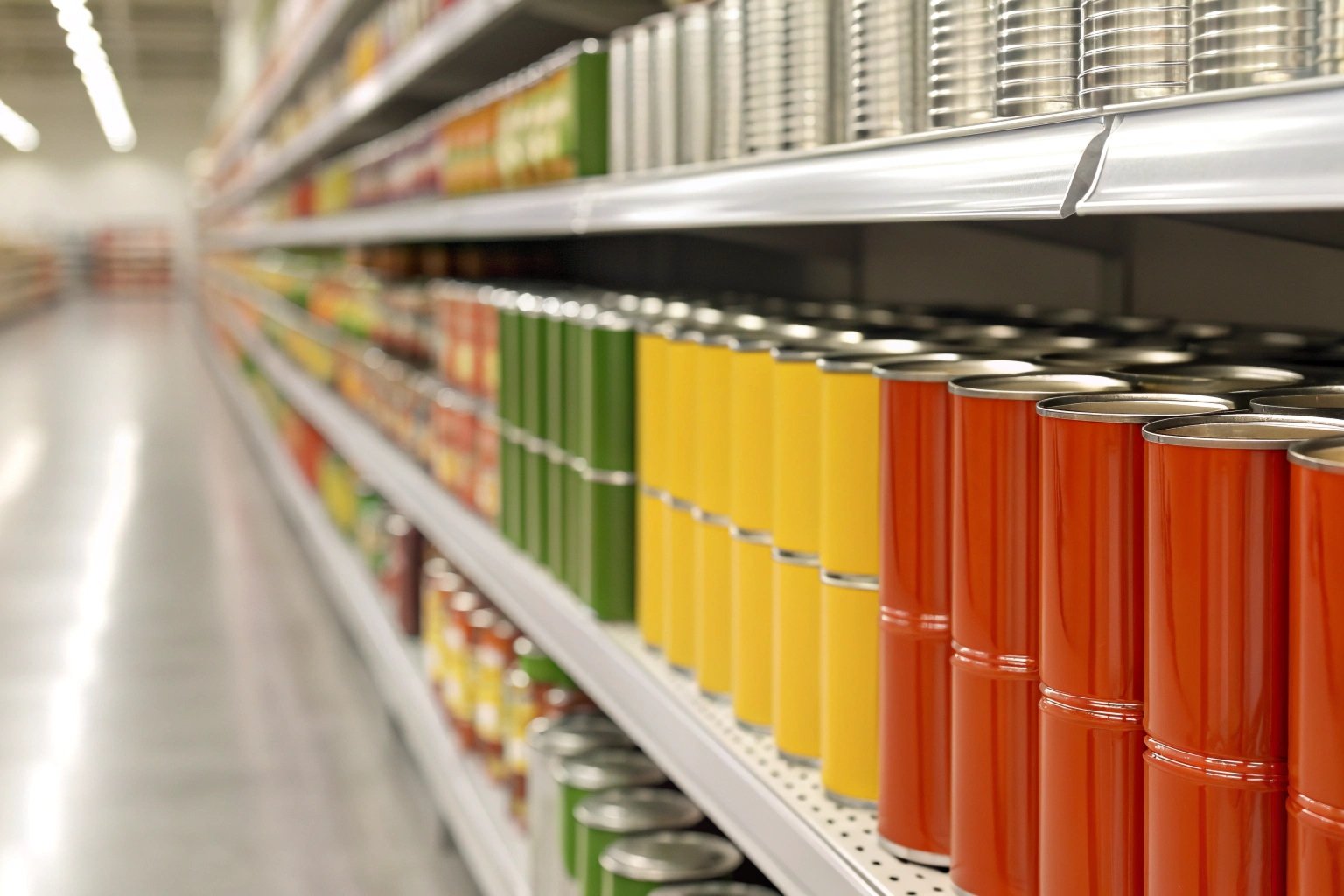
The secret to this premium look is a process called flow-brightening 5 or "reflow." After we electroplate the tin onto the steel, the tin layer is actually dull gray. To get the Bright finish, we briefly heat the steel strip above the melting point of tin (232°C). The tin melts, flows flat, and then solidifies instantly. This creates that beautiful, mirror-like shine you see on high-end pineapple cans or evaporated milk tins.
The Trade-off: Visibility of Defects
But this premium look comes with a serious trade-off. Because the surface is so perfect, it hides nothing. Every tiny scratch, every fingerprint, and every handling mark from your conveyor belts will show up clearly on a Bright finish can. If your factory has older equipment that might scratch the cans, Bright finish can be a headache. It requires gentle handling. I advise my clients to look at their own production lines before ordering Bright finish. Do you have nylon guides on your conveyors? Are your operators wearing soft gloves? If not, that premium shine will look like a scratched mess by the time it reaches the palletizer.
Market Preferences
Also, this "premium" look is often used for specific markets. In my experience dealing with buyers in the Middle East and South America, they often prefer Bright finish for the inside of fruit cans. When the customer opens the can, the shiny metal reflects the light. It makes the fruit syrup look clearer and more appetizing. Matte finish, by comparison, looks gray and industrial. If you are selling a luxury product where the customer sees the bare metal, Bright finish is your best sales tool. It signals hygiene and high value, even before the customer tastes the food. Just remember that you might need to upgrade your handling protocols to keep that shine flawless until it reaches the retail shelf.
Visual Impact Breakdown
| Visual Aspect | Bright Finish | Matte Finish |
|---|---|---|
| Reflectivity | High (Mirror-like) | Low (Diffuse/Dull) |
| Scratch Visibility | High (Shows every mark) | Low (Hides minor scratches) |
| Consumer Perception | Premium, Clean, Shiny | Industrial, Robust, Standard |
| Typical Product | Fruit syrup, Decorative tins | Tuna, Meat, Vegetables |
Does the surface roughness (Ra) affect the welding current?
If you run a can-making line, you know that the welder is the heart of your operation. Erratic welding current caused by the wrong surface finish can stop your production cold.
Surface roughness (Ra) directly affects the welding current because it changes the contact resistance between the copper wire and the steel sheet. A rougher surface like Matte requires different current settings than a smooth Bright surface to achieve a consistent, leak-proof weld seam.
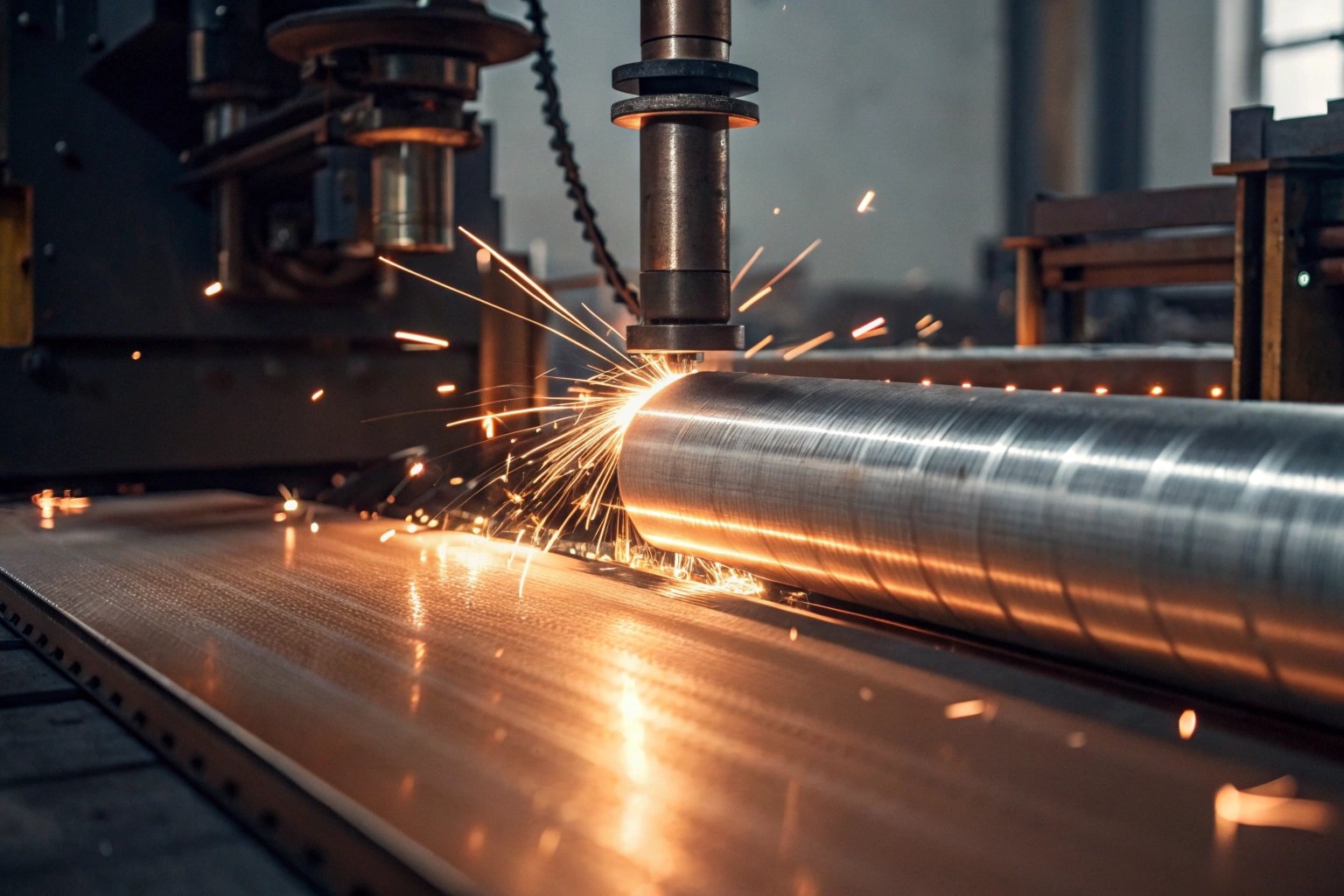
Let’s dig into the physics of this without getting too academic. Welding relies on electrical resistance 6 to generate heat. When two pieces of metal touch, the electricity must jump from one to the other. If the surface is very rough (Matte), there are only a few peak points touching initially. This creates higher resistance. Higher resistance generates heat faster. If the surface is super smooth (Bright), there is more contact area. Resistance is lower. You might need more current to get the same heat.
The Risk of Cold Welds
For my clients who run high-speed welders (like Soudronic machines running at 600 cans per minute), consistency is everything. If you switch from Bright to Matte without adjusting your welder, you might burn through the metal. This is because Matte generates heat more easily. Conversely, if you switch from Matte to Bright, you might get cold welds 7. These leak because not enough heat was generated. A cold weld is a nightmare scenario. The can looks fine on the outside, but it bursts open under pressure.
Friction and Stability
There is another hidden factor here: friction. The "Stone" finish or rougher Matte finishes provide better friction. This helps the can body move through the welder with stability. Bright finish is very slippery. Sometimes, at high speeds, the can body slips slightly. This causes the weld seam to be crooked or the overlap to be inconsistent. At Huajiang, when we supply material to large can makers in Mexico or Spain, we always ask about their welding setup. We can control the roughness of our "Stone" finish to be within a specific range. This ensures your welders run smoothly. A rougher surface (Ra 0.4 – 0.6 µm) is often the "sweet spot" for general line cans. It welds easily and still looks decent. Don’t just buy "tinplate." Buy the specific roughness that fits your machine’s speed and current settings.
Roughness vs. Welding Settings
| Finish Type | Ra Value (microns) | Contact Resistance | Welding Current Needs | Risk Factor |
|---|---|---|---|---|
| Bright | < 0.35 | Low | Higher | Slippage / Cold Welds |
| Fine Stone | 0.35 – 0.60 | Medium | Standard | Optimal Balance |
| Matte | 0.80 – 1.60 | High | Lower | Splash / Burn-through |
Is there a price difference between Stone, Matte, and Bright finishes?
In this industry, a fraction of a cent per can makes the difference between profit and loss. Understanding how the finish impacts your purchase price is vital for your procurement strategy 8.
Generally, there is little to no price difference between Matte and Bright finishes from the mill, as they use the same base steel and tin weight. However, Bright finish can sometimes carry a small premium due to the energy-intensive reflow process and lower yield rates.
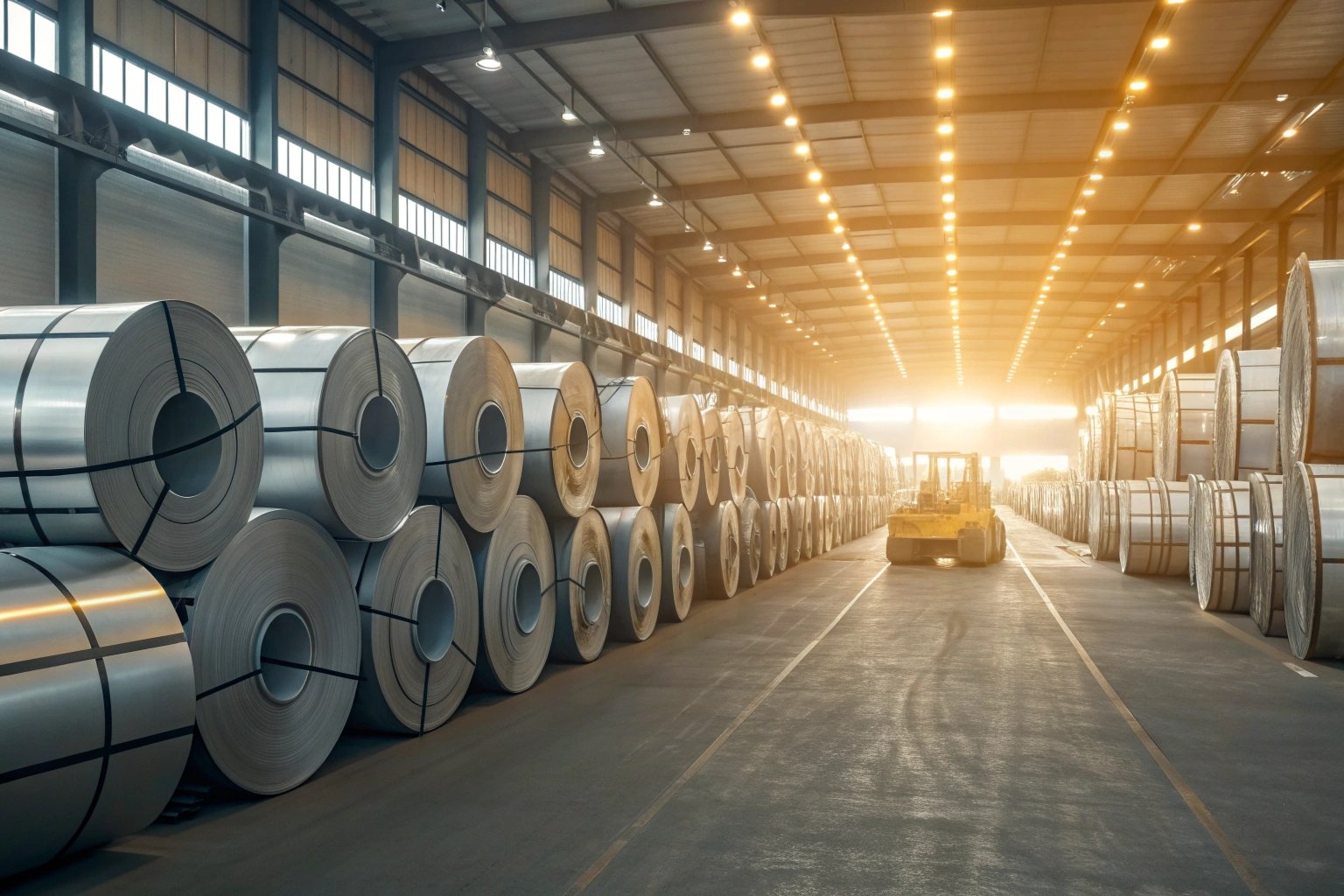
Many buyers assume that because Bright finish looks "fancy," it must cost a lot more. The reality is that the cost structure is mostly about the steel substrate and the amount of tin coating (e.g., 2.8g/m² vs 5.6g/m²). The finish is determined by the texture of the work rolls in our temper mill 9 and the reflow step. It does not use more tin or more expensive steel.
Hidden Production Costs
But there are hidden costs you need to consider. Producing Bright finish is harder for the factory. We have to use highly polished, expensive rolls to roll the steel. If a piece of dust gets on that roll, it ruins the mirror finish of the whole coil. This means our "yield rate" (the amount of perfect product we get) is slightly lower for Bright material. While we at Huajiang try to keep prices consistent, some smaller mills might charge you $5 to $10 more per ton for Bright finish to cover these risks.
Inventory and Lead Time
Also, consider the "Stone" finish. This is a hybrid. It is not as rough as Matte, but not as shiny as Bright. It is becoming the industry standard because it offers the best of both worlds: good welding and decent appearance. Because it is a standard item, we keep massive amounts of it in stock. At Huajiang, we maintain a standing inventory 10 of 100,000 tons. This impacts your price more than the finish itself.
If you order a custom, weird Matte specification, you might pay more and wait longer because we have to schedule a special production run. If you order our standard Stone or Bright finishes from stock, you save money on lead time and minimum order quantities. Often, the "price" isn’t just the dollar per ton. It is the cost of waiting three weeks for a custom finish versus getting stock material tomorrow. So, when you negotiate, don’t just ask "What is the price of Bright?" Ask "What do you have in stock?" Often, switching your spec slightly to match the factory’s inventory will save you far more money than debating the cost of the polishing process.
Conclusion
The choice between Matte and Bright finish is not just about looks. It defines your production efficiency and product safety. Use Matte for printed, lacquered food cans to ensure the coating sticks. Use Bright for unprinted, decorative, or fruit cans where shelf appeal is king.
Footnotes
1. Manufacturing standards and properties of electrolytic tinplate sheets. ↩︎
2. Measurement metrics for analyzing surface texture irregularities. ↩︎
3. Causes and prevention of black sulfide discoloration in food cans. ↩︎
4. How physical surface texture improves coating bond strength. ↩︎
5. Thermal process creating the reflective mirror finish on tinplate. ↩︎
6. Role of resistance in generating heat for seam welding. ↩︎
7. Dangers of incomplete fusion in high-speed can welding. ↩︎
8. Planning cost-effective purchasing for raw industrial materials. ↩︎
9. Rolling process that determines steel hardness and surface finish. ↩︎
10. Benefits of utilizing ready stock for supply chain speed. ↩︎