


I know the sinking feeling of looking at a stack of inventory and wondering if it is still good money or just scrap metal. You want to buy in bulk to save on shipping costs, but you are worried that the coating will fail before you can use it. I have seen clients lose thousands of dollars because they waited too long to process their sheets.
Generally, standard lacquered Electrolytic Tin Plate (ETP) sheets have a shelf life of 9 to 12 months if they use Epoxy Phenolic coating. However, for Polyester or regular packaging, this drops to 6 to 9 months. If you are canning high-risk acidic foods, you should use the sheets within 6 months to ensure safety.
But time is not the only thing that matters. The environment in your warehouse plays a huge role. Let’s look at the details so you can stop guessing and start planning better.
How long can I store the sheets before the lacquer starts to degrade?
I have walked into warehouses where the air was so heavy with moisture I could feel it on my skin. If I feel it, the metal feels it too. I always tell my friends in the industry: your warehouse conditions are just as important as the date on the manufacturing label.
The shelf life depends heavily on the coating type. Epoxy Phenolic coatings typically last 9 to 12 months, while Polyester and Organosol coatings have a shorter lifespan of 6 to 9 months. After this period, the chemical cross-linking may become unstable, leading to brittleness or adhesion failure.

When we talk about the "degradation" of lacquer, we are talking about chemistry. Even after the sheets leave my factory in Fujian, the coating is still alive in a way. It continues to cure and settle. If you let it sit too long, two specific chemical changes happen that can ruin your production run.
The Problem of "Over-Curing" and Brittleness
First, the coating can become too hard. Imagine a rubber band. When it is new, it stretches easily. When it is old, it snaps. Lacquer works the same way. In our factory, we use 53 Japanese Fuji coating lines to ensure the perfect cure. But if that sheet sits in a hot warehouse for a year, the heat acts like a slow oven. The coating continues to cross-link 1.
When you finally put that sheet into your press to make a 307E or 401E lid, the metal bends, but the hard lacquer cracks. You might not see these micro-cracks with your naked eye, but the acid in tomato paste or fruit syrup definitely will. This leads to corrosion from the inside out.
The Problem of "Blocking"
On the flip side, if the storage temperature is high and the pressure is heavy (because you stacked the pallets too high), the lacquer can soften and stick to the back of the sheet above it. We call this "blocking." When you try to feed these sheets into your printing machine, they jam.
Here is a breakdown of shelf life based on the specific chemistry we use at Huajiang:
| Coating System | Primary Use | Estimated Shelf Life | Main Risk of Aging |
|---|---|---|---|
| Epoxy Phenolic | Acidic Foods / Meat | 9 – 12 Months | Becomes brittle; cracks during stamping. |
| Polyester (PET) | Dry Food / General | 6 – 9 Months | Absorbs moisture; blisters during heating. |
| Organosol | Deep Drawn Cans | 6 – 9 Months | Loses adhesion; peels off easily. |
| Aluminum Paste | Fish / Meat Release | 6 – 9 Months | Scratches easily; surface oxidation. |
The Critical Role of the Passivation Layer
Underneath the paint, the tinplate itself has a passivation layer 2 (usually code 311). This layer is designed to hold the paint. Over time, this passivation layer can degrade if exposed to oxygen, causing the paint to simply "let go" or delaminate 3. This is why for high-end food clients, like my friends making tuna cans in Spain, we always recommend a "use by" date of 6 months for absolute safety.
Does humidity in my warehouse affect the printing quality later?
I often get calls from clients in tropical regions like Thailand or Mexico who are confused about why their ink is peeling off. They think I sent them a bad batch of tinplate. But when I ask about their warehouse, they tell me it is open-air and rains every afternoon.
Yes, humidity above 80% drastically affects printing quality. High moisture levels reduce the surface energy of the sheet, making it difficult for new ink to stick, and can cause "filiform corrosion," which spreads rust like a worm under the lacquer.
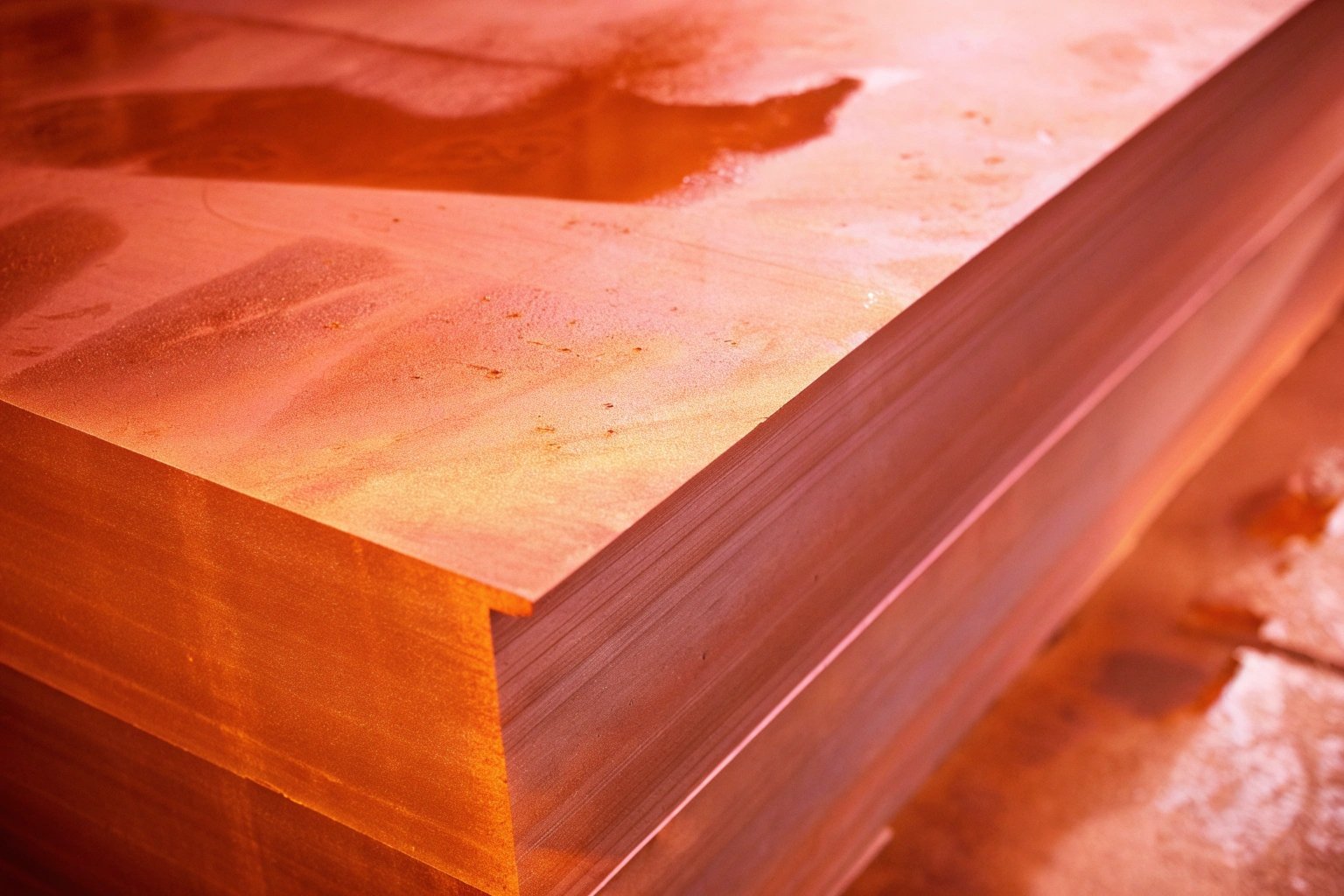
Humidity is the silent killer of metal packaging. You might think that because the sheet is lacquered, it is waterproof. That is a dangerous assumption. Lacquer is a barrier, but it is not a force field.
Surface Tension and "Wettability"
For you to print successfully on top of a lacquered sheet (for example, adding your logo or branding), the surface needs to be "thirsty" for the ink. We call this surface tension 4 or dyne level.
When a sheet sits in a humid warehouse, it absorbs microscopic water molecules. These molecules form a barrier. When you try to print, the ink sits on top of this invisible water layer instead of gripping the lacquer. The result? You do a tape test, and the ink comes right off.
The "Cut Edge" Vulnerability
The most dangerous part of a tinplate sheet is the edge. When we cut the coil into sheets, the four edges are bare steel. They have no tin and no lacquer.
In a humid environment (over 80% RH), these edges rust very quickly.
- Rust Creep: The rust starts at the edge and crawls underneath the lacquer.
- Welding Issues: If you are making 3-piece cans 5, you need that edge to be clean for the copper wire welding. If the edge is oxidized from humidity, the weld will be weak. A weak weld means the can explodes in the retort 6 cooker.
To help you manage this, here is a simple checklist for your warehouse manager:
| Parameter | Ideal Range | Danger Zone | Consequence of Failure |
|---|---|---|---|
| Temperature | 15°C – 30°C | > 40°C | Lacquer blocking or over-curing. |
| Relative Humidity | 40% – 70% | > 80% | Edge rust, filming, and poor ink adhesion. |
| Temperature Swing | Stable | Rapid Change | "Sweating" (Condensation) on the metal. |
Condensation is the Real Enemy
It is not just about the air being wet; it is about the temperature changing. If your warehouse is hot during the day and cold at night, the metal sheets will "sweat." This condensation gets trapped between the sheets. Since they are stacked tight, the water cannot evaporate. It sits there, turning the lacquer white (blushing 7) and rusting the steel. I always advise my clients: keep the temperature stable, even if it costs a bit more in electricity.
Should I process the sheets on a First-In-First-Out (FIFO) basis?
It surprises me how many large factories still pull inventory from the front of the stack because it is easier for the forklift driver. This is a recipe for disaster. I have seen perfectly good businesses lose their reputation because they shipped a batch of cans made from two-year-old metal that was buried in the back.
You must strictly process sheets on a First-In-First-Out (FIFO) basis. Using old stock increases the risk of color variation, coating failure, and blocking. Mixing different batches in a single production run can lead to inconsistent quality that your customers will reject.

Managing inventory is not just about counting pallets; it is about managing risk. At Huajiang, we keep 100,000 tons of coil in stock, so we have to be masters of logistics. If we let a coil sit for too long, it becomes a liability. The same applies to your warehouse.
The Trap of "Just in Case" Stock
I know the temptation. You want to keep a few pallets of gold lacquered sheets "just in case" a rush order comes in. So you push them to the corner. Six months pass. Then twelve.
When you finally pull them out, they look fine. But chemically, they are different from the fresh sheets you just bought.
- Color Shift: Lacquers, especially gold and white, yellow slightly over time due to UV exposure 8 or resin aging. If you mix old sheets with new sheets on the same canning line, your customer will see the difference on the store shelf. One can looks bright gold, the other looks dull mustard.
- Lubricant Evaporation: We apply a very thin layer of wax or lubricant to the sheets to help them slide through your forming machines. Over time, this lubricant evaporates or dries out. Old sheets have higher friction. They will jam your feeders or wear out your expensive tooling faster.
How to Implement FIFO Effectively
You need a system that removes human error. Forklift drivers will always take the easiest path. You have to make the oldest stock the easiest to reach.
- Visual Labels: Do not use small text codes. Use big, colored stickers for each arrival month. (e.g., Red = January, Blue = February). Drivers can see from a distance what needs to go first.
- The "Quarantine" Rule: If a pallet has been sitting for more than 9 months, do not just send it to production. Move it to a "Quarantine Zone." It must be re-tested (adhesion and sterilization) before use.
- Batch Separation: Never mix two different arrival dates in the same production run. If you have 500 sheets of old stock and 5000 sheets of new stock, run the old stock first as a separate batch, or use it for a less critical client (with their permission).
Troubleshooting Old Stock
If you find yourself with old stock, use this table to decide if it is safe to use:
| Test Required | Why Do It? | Passing Standard |
|---|---|---|
| Cross-Hatch Tape Test 9 | Checks if paint is still stuck to the steel. | 0% peeling (ISO Class 0 10). |
| Retort (Sterilization) Test | Simulates cooking food in the can. | No blushing (whitening) or peeling after 1 hour @ 121°C. |
| Cup Test (Forming) | Checks if paint is too brittle. | No micro-cracks on the drawn cup walls. |
Do you offer a warranty period for the coating adhesion?
This is a tough conversation I have to have with new buyers. They want a lifetime guarantee, but steel does not work that way. I want to be honest with you about what a manufacturer can and cannot promise.
Most reputable manufacturers, including us, offer a warranty period of 6 to 12 months for coating adhesion, provided the storage conditions are met. Claims made after this period are usually rejected because environmental factors are beyond our control.
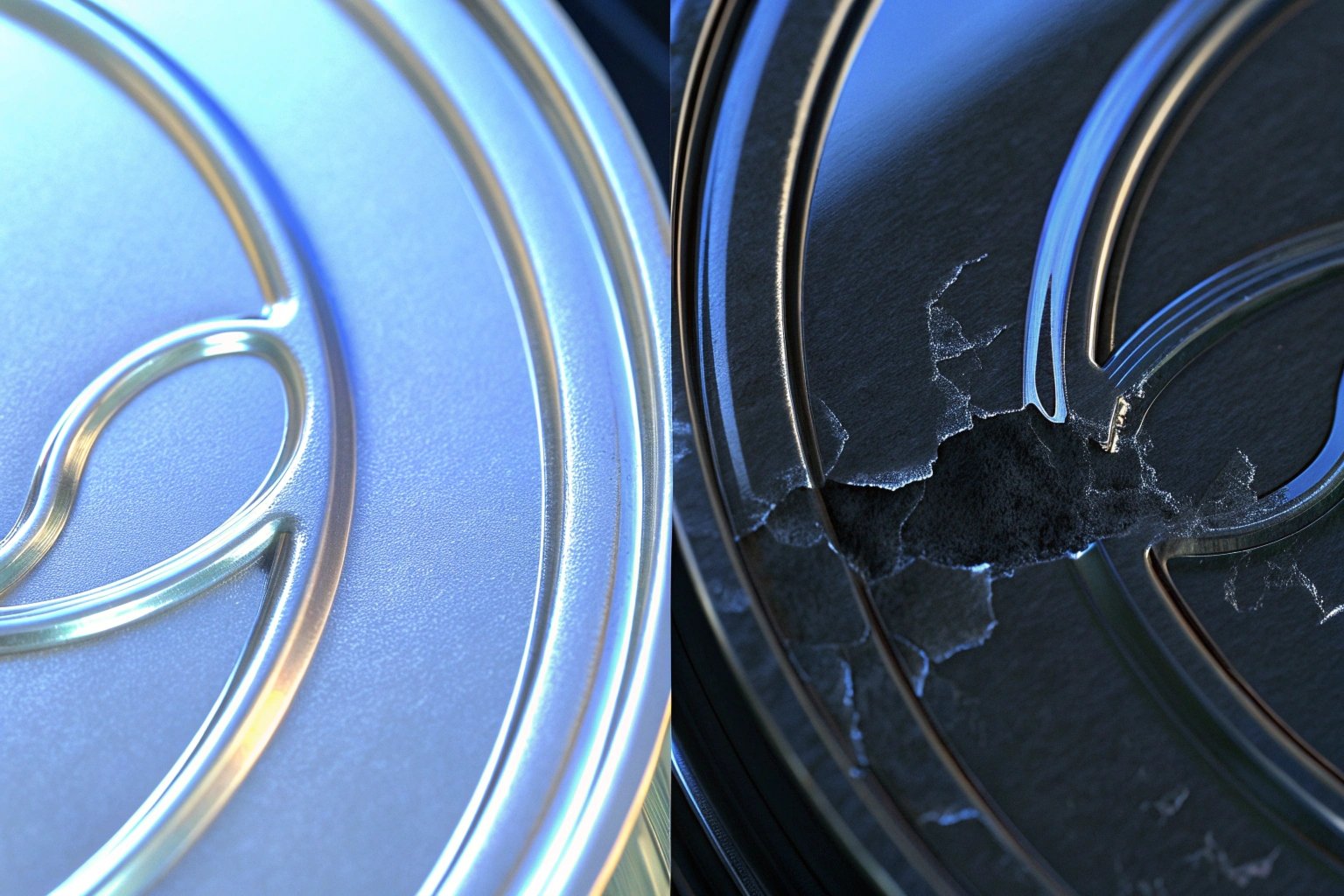
When you buy from a factory like ours, or even from big players like Baosteel, the warranty is a legal agreement, but it is also based on physics. We know that after a year, we cannot predict what has happened to that metal.
Understanding the "Clock"
The warranty clock starts ticking the moment the goods leave our factory, not when you open the package. Shipping from China to Mexico or Europe can take 2 months. That means you effectively have 4 to 10 months of "warranty life" remaining when the goods arrive.
This is why I always urge my clients: Inspect immediately.
Do not wait until you are ready to print to check the quality. When the container arrives, open one pack. Do a tape test. Check for rust. If there is a problem, we can solve it instantly. If you come back to me 8 months later, it is very hard for me to prove if it was my production fault or your warehouse humidity.
What Voids the Warranty?
I have to reject claims sometimes, and it hurts our relationship, but I have to be fair. The warranty is void if:
- Original Packaging is Broken: If the moisture barrier bag was torn and left open.
- Evidence of Water Damage: If we see water stains on the wooden pallet, it means the sheets got wet during storage or transport.
- Secondary Processing: If you printed on the sheets, then stored them for another 6 months, and then the paint peeled, that is a complex issue. The warranty usually covers the sheet in its original state.
How We Handle Claims at Huajiang
We try to be different. Since we are a B2B partner, not just a seller, we look at the big picture.
If you have a problem with adhesion within the warranty period, we need:
- Photos of the defect.
- The coil/package number (so we can trace the production day).
- Samples sent to our lab.
We will test the retained samples from that same batch in our factory. If our samples are bad too, we pay you immediately. If our samples are good, we help you analyze your machinery to find the root cause (like incorrect oven temperature or pressure settings).
We want you to feel safe. That is why we use premium paints (like PPG or Valspar) and offer that 6-12 month window. But you must help us by storing it right.
Conclusion
To protect your investment, treat your lacquered tinplate like fresh food, not invincible metal. Aim to process all sheets within 6 to 9 months, especially for acidic food packaging. Monitor your warehouse humidity to keep it under 80%, and strictly follow the FIFO rule to avoid costly production jams.
Footnotes
1. Explanation of chemical bonding processes in coatings. ↩︎
2. How surface treatments prevent oxidation on metals. ↩︎
3. Understanding the causes of coating separation layers. ↩︎
4. Physics of how liquid molecules adhere to surfaces. ↩︎
5. Overview of manufacturing processes for welded cans. ↩︎
6. Industrial sterilization methods for food safety. ↩︎
7. Causes of milky discoloration in clear coatings. ↩︎
8. Impact of light radiation on material degradation. ↩︎
9. Standard methods for testing paint adhesion quality. ↩︎
10. ISO classification standards for coating resistance tests. ↩︎