
I know the sinking feeling of opening a container only to find rusted ends or mismatched specifications that stall your entire production line.
Buying from an integrated manufacturer ensures consistent quality, lower costs, and faster delivery because we control every step, from the raw steel coil to the final stamped end, eliminating the risks hidden in fragmented supply chains.
Let’s look at how shifting your procurement strategy to a source-to-finish factory can protect your brand and your bottom line.
How does buying from an integrated factory ensure raw material quality?
I have seen too many procurement directors lose sleep because a supplier switched to cheaper, inferior steel coils without warning, causing massive production failures.
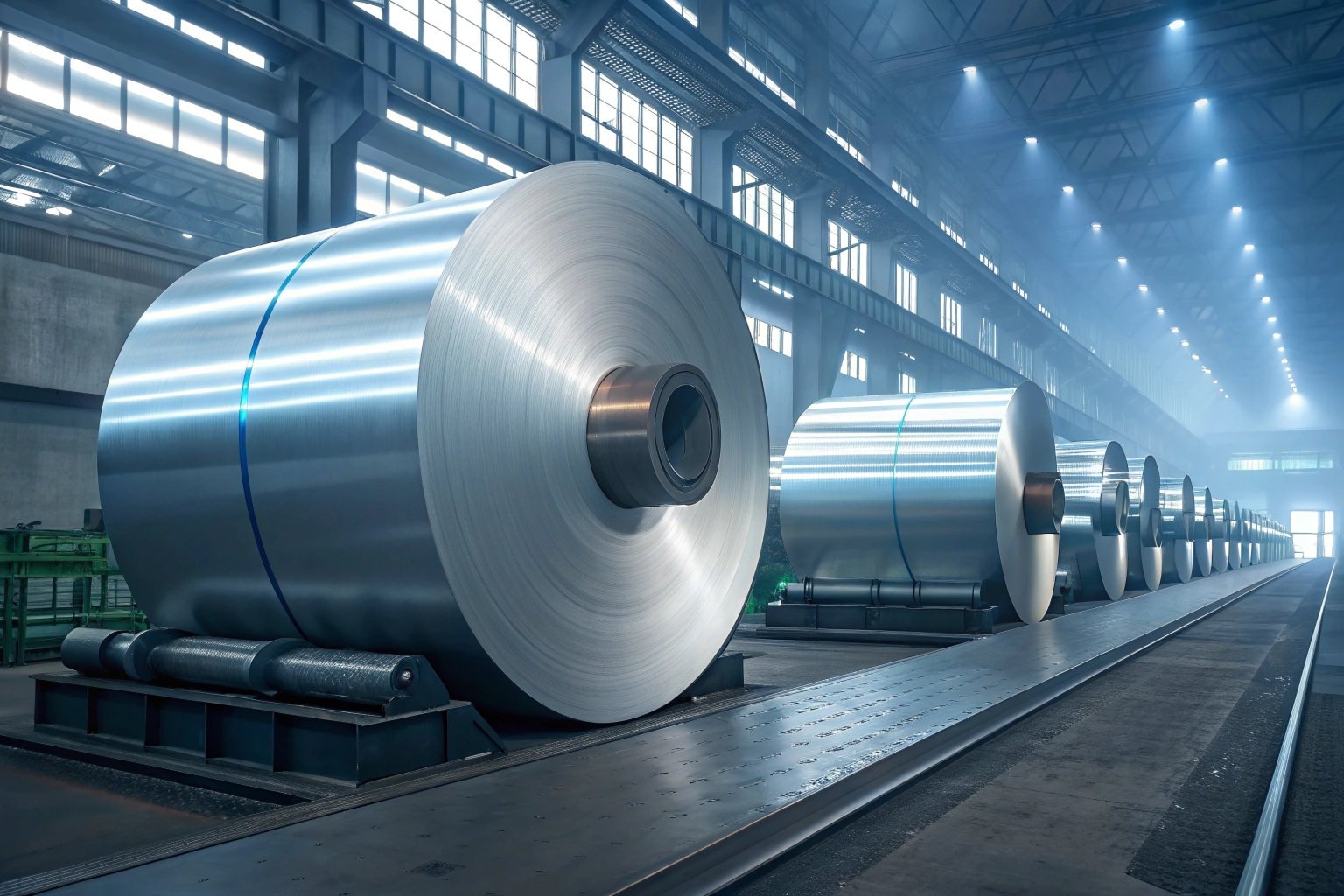
An integrated manufacturer controls the entire supply chain, sourcing raw substrate directly from top-tier mills like Baosteel and managing the coating process in-house to guarantee consistent thickness, temper, and adhesion for every single batch.
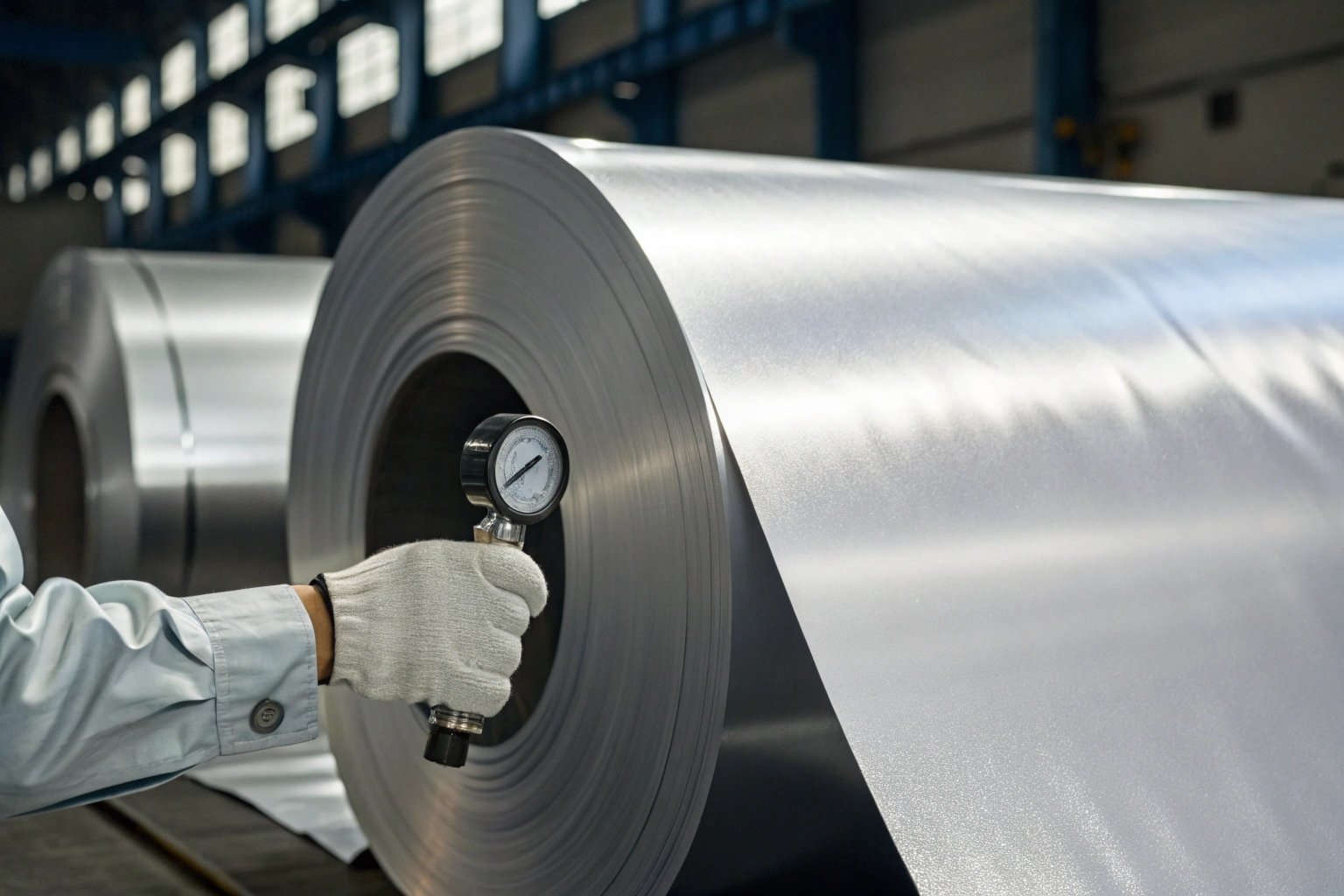
When you buy from a converter or a trader, you are often buying a "black box." You might know who stamped the lid, but do you know who made the steel? Do you know who applied the lacquer? In a fragmented supply chain, a converter might buy tinplate from one factory and send it to another for coating to save a few cents. This disconnect is where quality disasters happen.
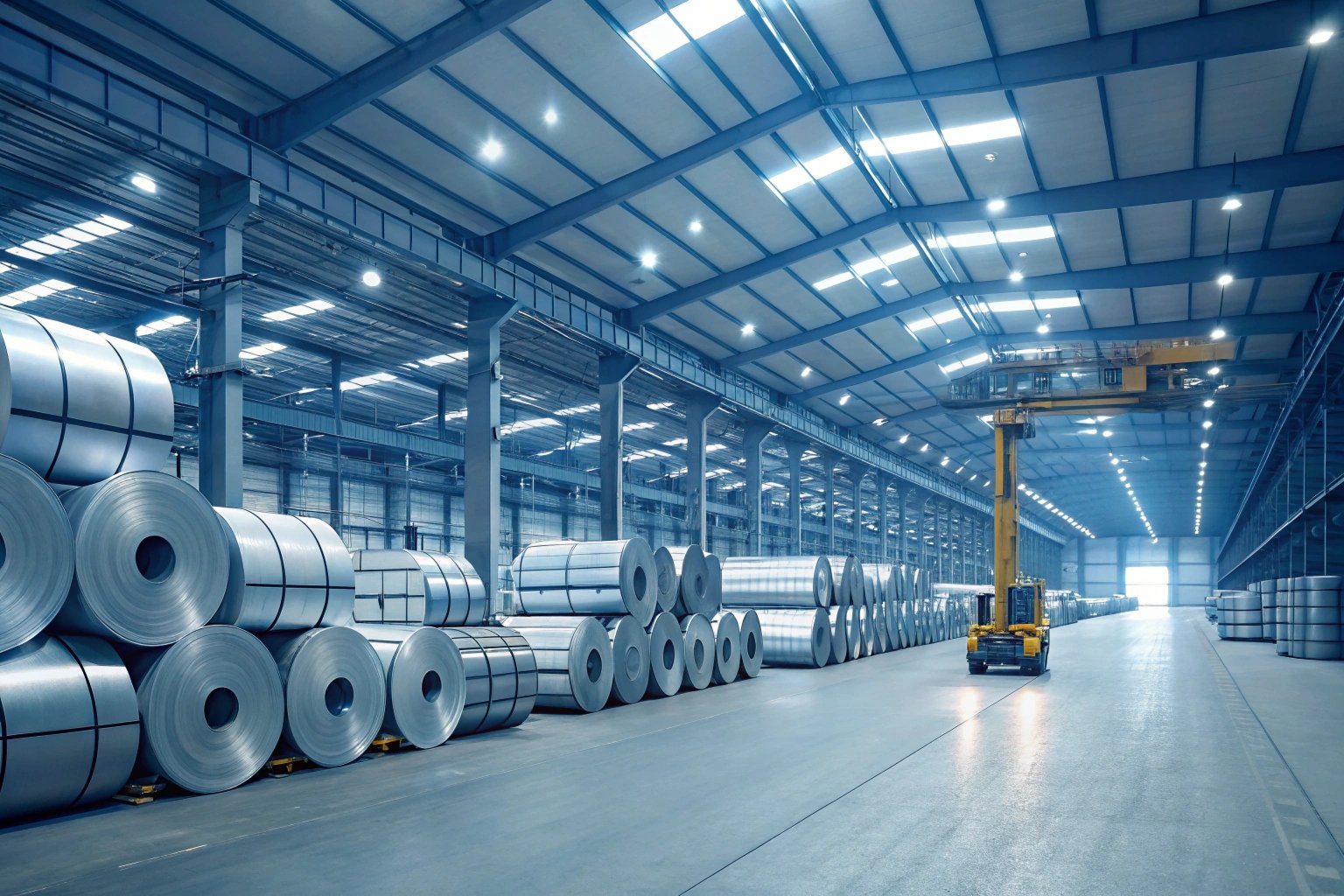
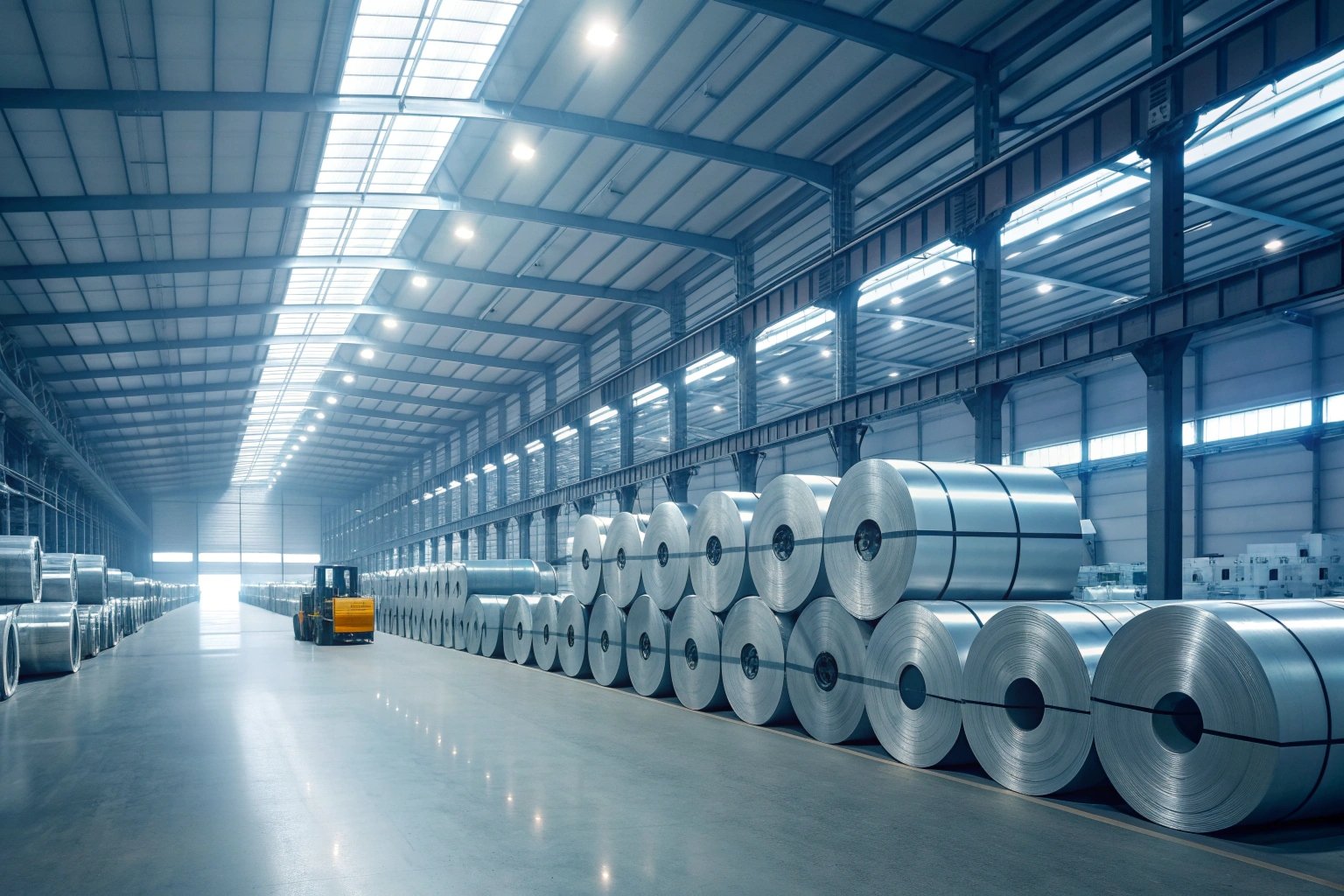
As a manufacturer with an integrated process, I see things differently. Quality is not just about the final inspection; it is about the DNA of the product. By holding nearly 100,000 tons of coil stock from premium mills, we ensure the base material is chemically consistent. This is critical for preventing "fat cans" (swollen cans) or leakage. If the temper 1 of the steel varies even slightly between batches, your seaming equipment 2 will struggle, leading to micro-leaks that you won’t detect until the goods are on the retail shelf.
The Science of Coating Adhesion
Furthermore, the coating process 3 is where the battle against corrosion 4 is won or lost. In an integrated facility, the time between slitting and coating is minimized and strictly controlled. If raw steel sits too long or is transported between different factories, humidity attacks the surface. Even invisible oxidation can prevent the lacquer from bonding correctly. Years later, or even months later, this results in the coating peeling off inside the can when it reacts with acidic foods like tomatoes or pineapples.
Comparison of Quality Risk Factors
| Risk Factor | Fragmented Supply Chain (Trader/Converter) | Integrated Manufacturer (Huajiang) |
|---|---|---|
| Raw Material Source | Variable; often spot-market based to cut costs. | Fixed; long-term contracts with top mills (e.g., Baosteel). |
| Coating Process | Outsourced; risk of contamination during transport. | In-house; controlled environment with Fuji lines. |
| Traceability | Difficult; records are scattered across companies. | Complete; full batch tracking from coil to lid. |
| Consistency | Low; differs from shipment to shipment. | High; standardized operating procedures (SOPs). |
By controlling the substrate and the coating, we eliminate the variables that cause headaches. You get a product that performs exactly the same way in your seaming machine, shift after shift, year after year.
Can an integrated supplier offer better price stability during inflation?
Nothing disrupts your annual budget like a sudden 15% price hike from a supplier who claims their raw material costs have just exploded.
Integrated suppliers shield you from market volatility by leveraging massive buying power and large inventory reserves, allowing us to absorb temporary price shocks and offer you more stable, long-term pricing than smaller converters.
Price stability is not just about the number on the invoice today; it is about predictability for your financial planning. In the metal packaging industry, the price of tinplate fluctuates based on global steel and tin markets. Small converters live "hand to mouth." They buy steel coils at current market prices to fill your order. If the market spikes tomorrow, your price spikes tomorrow. They have no buffer.
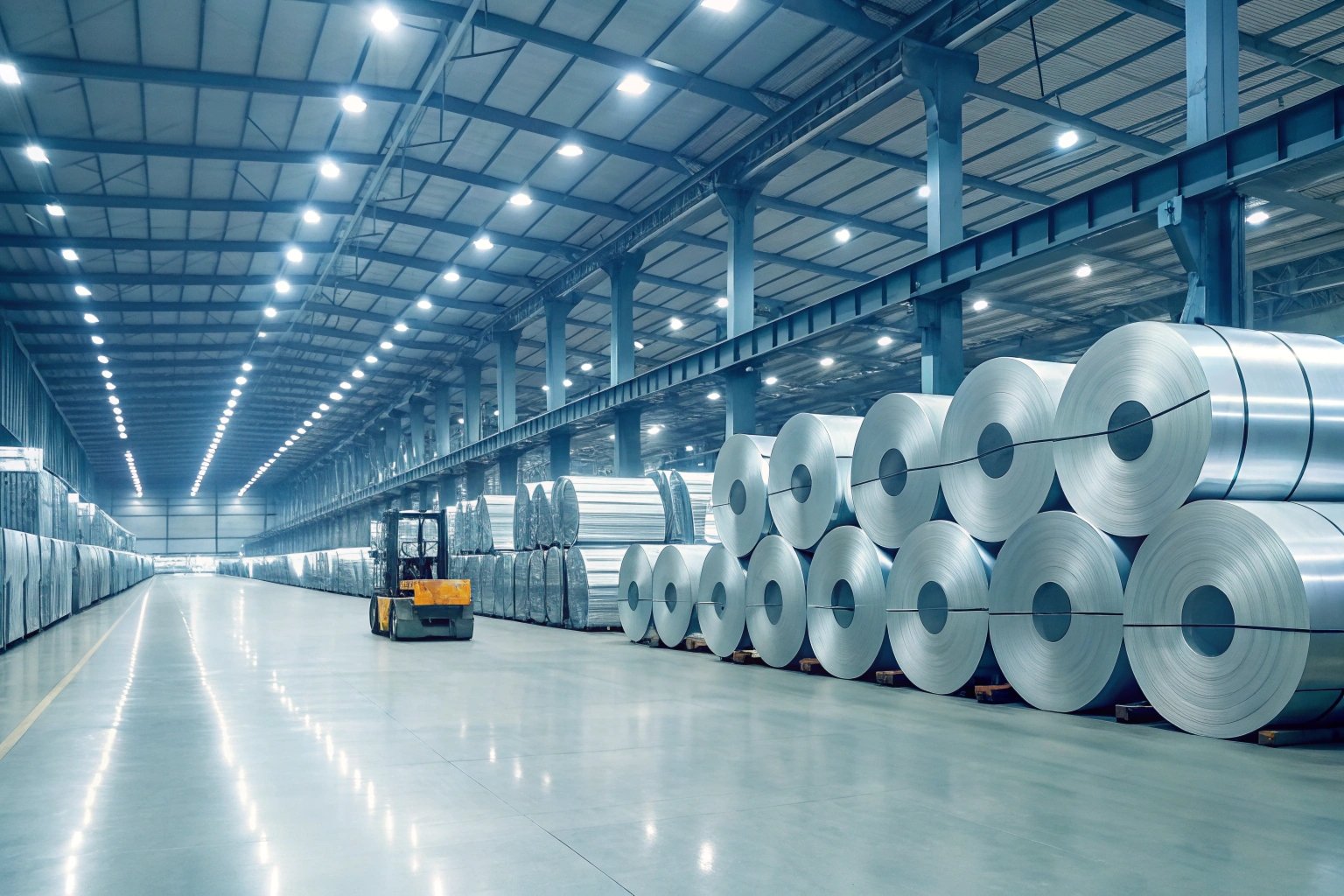
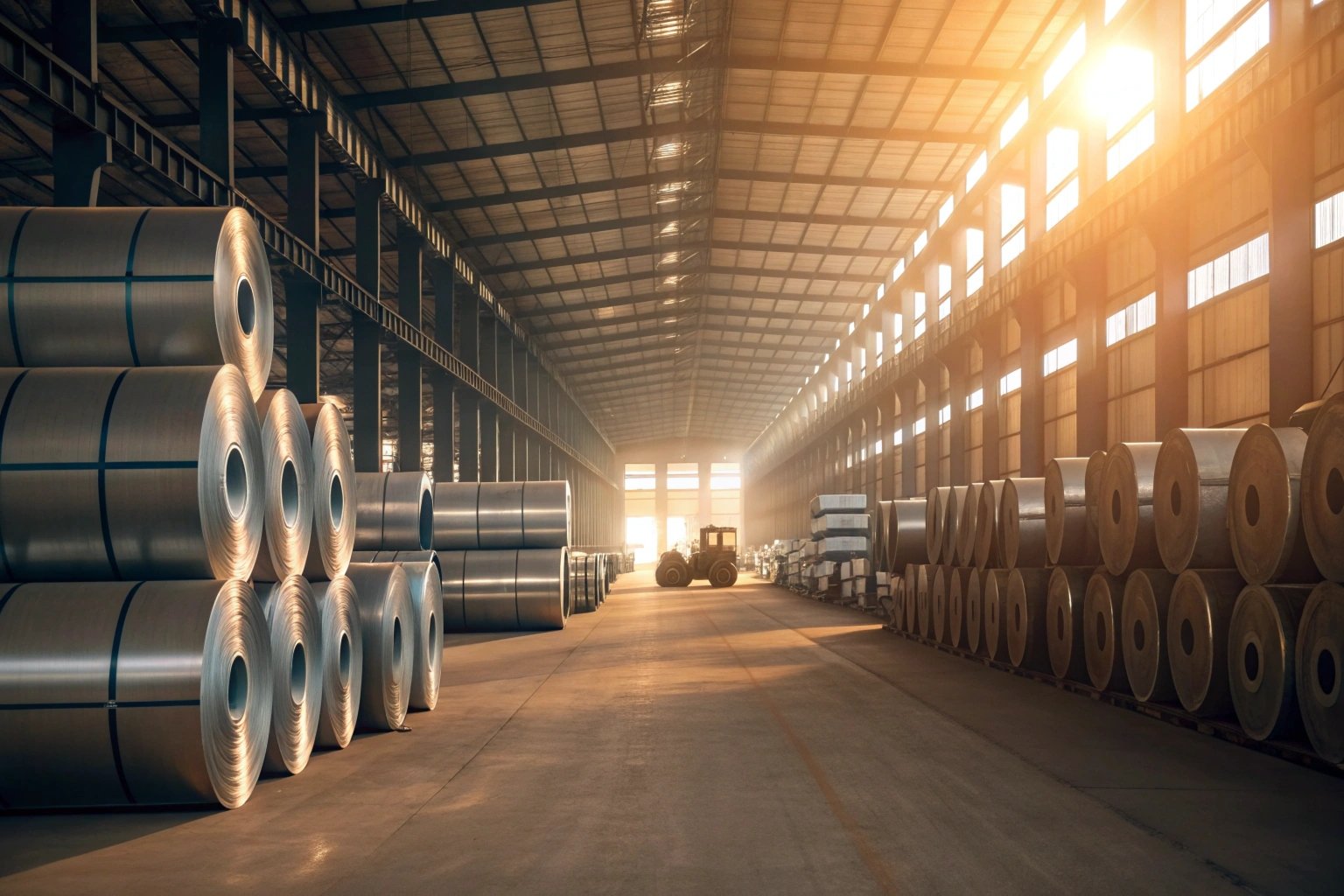
In contrast, an integrated manufacturer operates like a reservoir. Because we maintain a massive physical inventory—tens of thousands of tons of tinplate and chrome plate 5—we are not forced to buy when prices are at their peak. We buy when the market is favorable and store the material. This strategy allows us to "smooth out" the peaks and valleys of the market for you. When raw material prices skyrocket temporarily, we can draw from our existing lower-cost stock to keep your prices stable.
Removing the "Double Margin"
Beyond market fluctuations, there is the structural cost advantage. In a fragmented chain, every participant needs to make a profit.
- The steel mill sells to a distributor (Profit 1).
- The distributor sells to a coating plant (Profit 2).
- The coating plant sells to a lid maker (Profit 3).
- The lid maker sells to you.
Every step adds a markup and a logistics cost. By the time the product reaches you, you are paying for the inefficiencies of three different companies. In our integrated model, we cut out the middle steps. We bring the coil in, and we ship the finished end out. The savings from logistics, administrative overhead, and eliminated middleman margins are passed directly to you. This is why our costs are typically 5% to 8% lower than competitors for the same quality level.
Cost Structure Breakdown
| Cost Component | Traditional Converter | Integrated Manufacturer |
|---|---|---|
| Raw Material | Market Price + Distributor Margin | Mill Direct Price (Volume Discount) |
| Logistics | Transport between 3-4 locations | Zero (Internal conveyance) |
| Overhead | Admin costs for multiple entities | Centralized management |
| Waste | High (Handling damage between sites) | Low (Optimized internal flow) |
This structure doesn’t just save money; it saves your profit margins when the global economy gets tough.
Will I get faster responses to quality issues from a direct manufacturer?
When you face a technical issue on your canning line, waiting days for a trader to forward your email to a factory is unacceptable.
Direct access to an integrated manufacturer means you speak directly to the technical experts who made your product, ensuring immediate diagnosis, transparent accountability, and rapid solutions without the "blame game" of middlemen.

Let’s be honest: in manufacturing, problems happen. Maybe the lacquer isn’t curing right during your sterilization process, or the "pop" force on the easy-open end 6 feels too stiff. The difference between a minor hiccup and a major crisis is how fast your supplier solves it.
When you buy from a trader or a non-integrated factory, resolving a quality complaint is like a game of telephone. You tell the trader. The trader calls the lid factory. The lid factory blames the coating plant. The coating plant blames the steel supplier. Weeks pass, and nobody takes responsibility. Meanwhile, your production line is stopped, and you are losing money.
The Power of One-Stop Responsibility
Working with an integrated partner changes this dynamic entirely. If you tell me there is an issue with the coating adhesion, I don’t have to call an outside vendor. I walk down to our own laboratory. I pull the retention samples from that exact batch. I speak to our coating engineers. We can simulate your sterilization conditions in our lab within hours, not weeks.
Because we own the process, we own the responsibility. There is no one else to blame. This accountability forces us to be proactive. We use advanced diagnostic tools to understand not just what happened, but why.
- Is it the sulfur content in your specific food product?
- Is it the retort temperature profile 7?
- Is it a variance in the steel surface roughness?
Technical Support vs. Sales Talk
Our team isn’t just sales people; we are technical consultants. We understand terms like "sulfide staining" 8, "porosity test," and "feathering." When you have a technical question, you get a technical answer based on data, not a polite apology from a salesperson who has never seen a production line.
We also provide comprehensive documentation for your compliance needs. Whether you need SGS reports, FDA compliance certificates, or specific migration tests 9 for the EU market, we generate these directly. You don’t have to wait for a third party to forward a PDF. This speed and transparency build the trust necessary for a long-term partnership.
How does a fully integrated supply chain reduce my lead times?
Missing the harvest season because your packaging arrived two weeks late is a disaster that can wipe out a year’s worth of profit.
An integrated supply chain drastically reduces lead times by eliminating external transport delays and waiting periods between processes, allowing us to ramp up production immediately to meet your urgent seasonal demands.
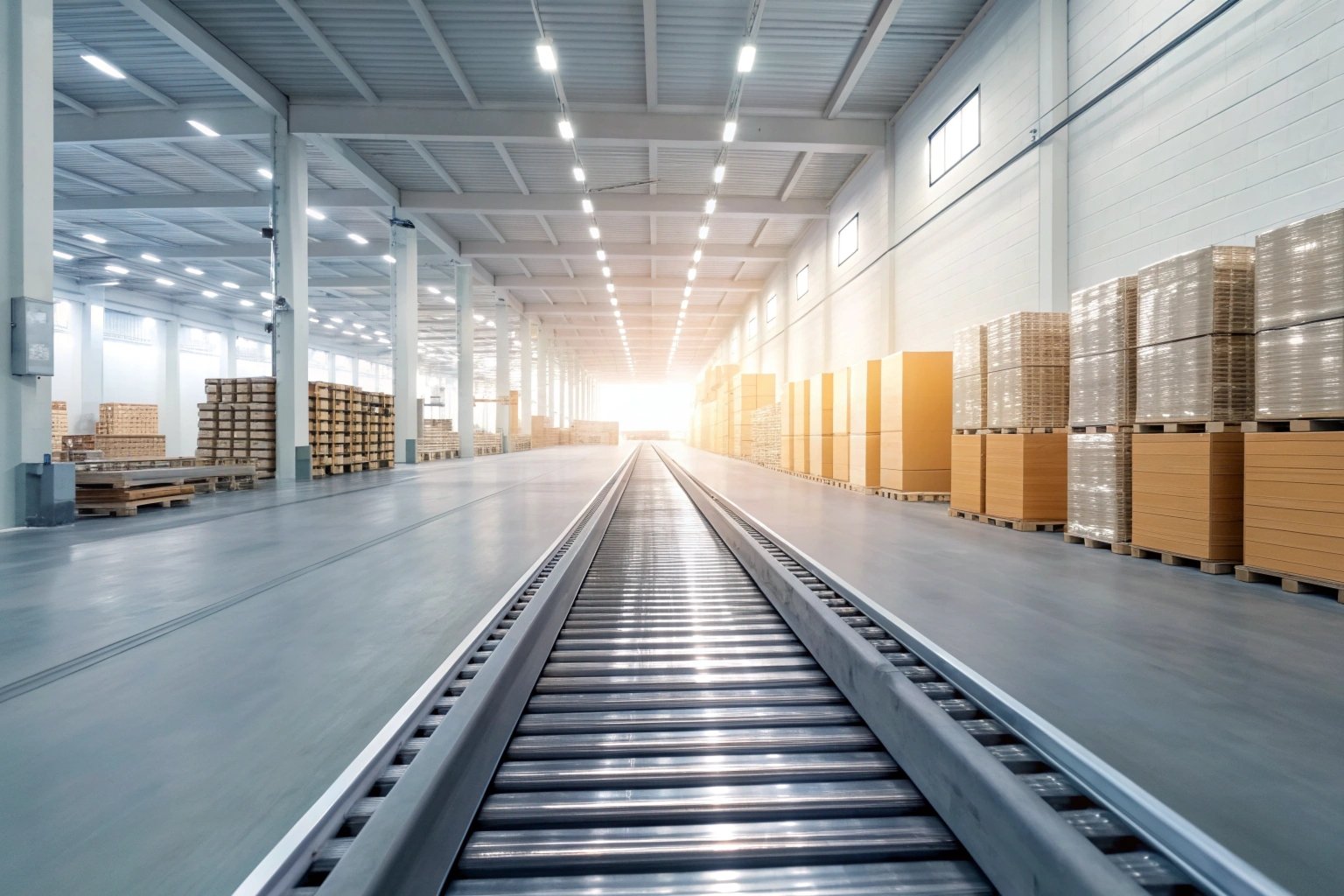
Time is the one resource you cannot buy back. For my clients in the food industry, timing is everything. Tomatoes, peaches, and sardines do not wait. When the harvest comes, your canning lines run 24/7. If you run out of bottom ends or lids, the fruit rots, and the fish spoils.
Eliminating the "Waiting Room"
In a fragmented supply chain 10, "lead time" is mostly "wait time."
- The lid maker waits for the steel coil to arrive.
- Then they wait for a slot at the coating factory.
- Then they wait for the truck to bring the coated sheets back.
- Only then do they start stamping.
If any one of those external links breaks—a truck breaks down, a coating line gets fully booked—your order stops.
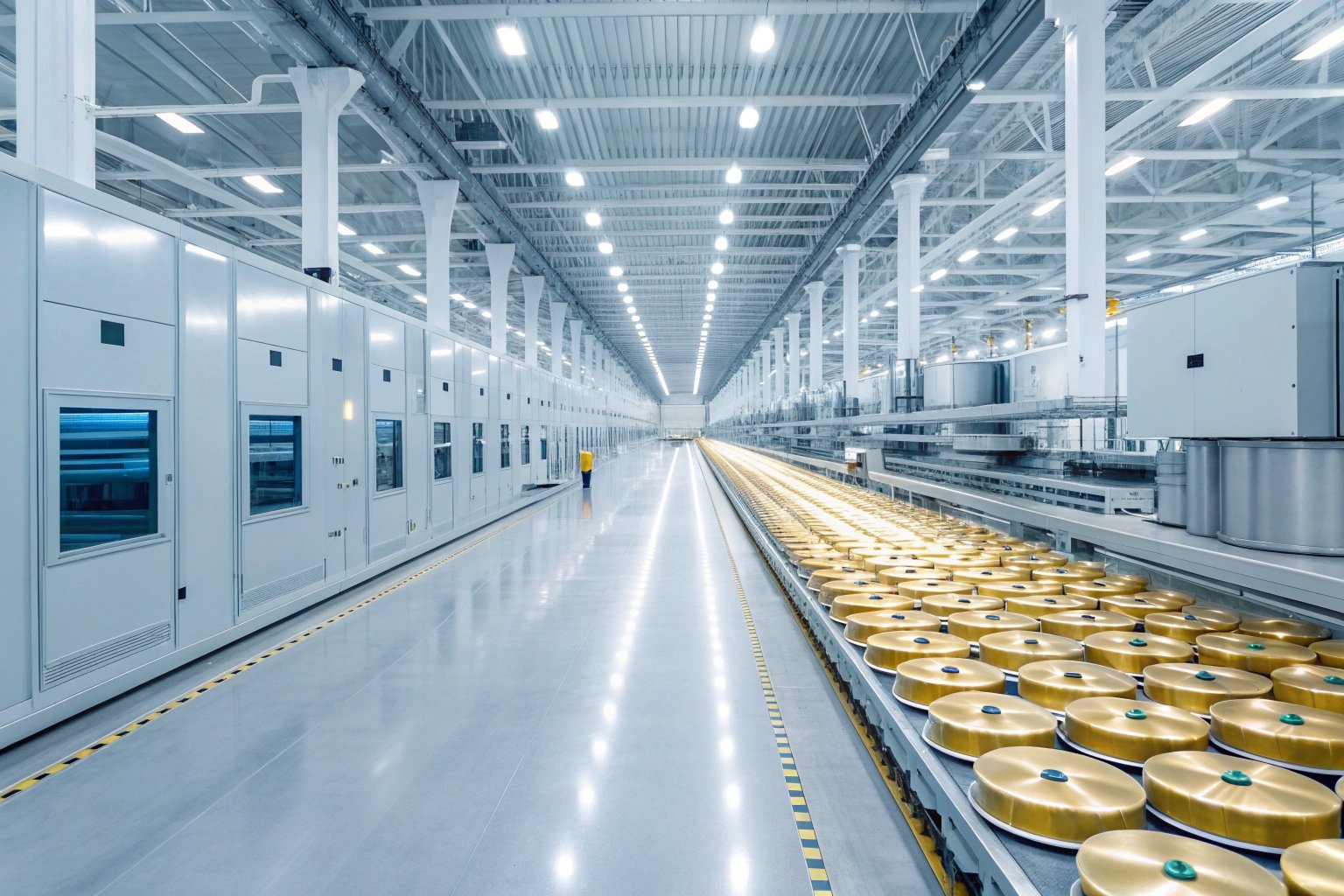
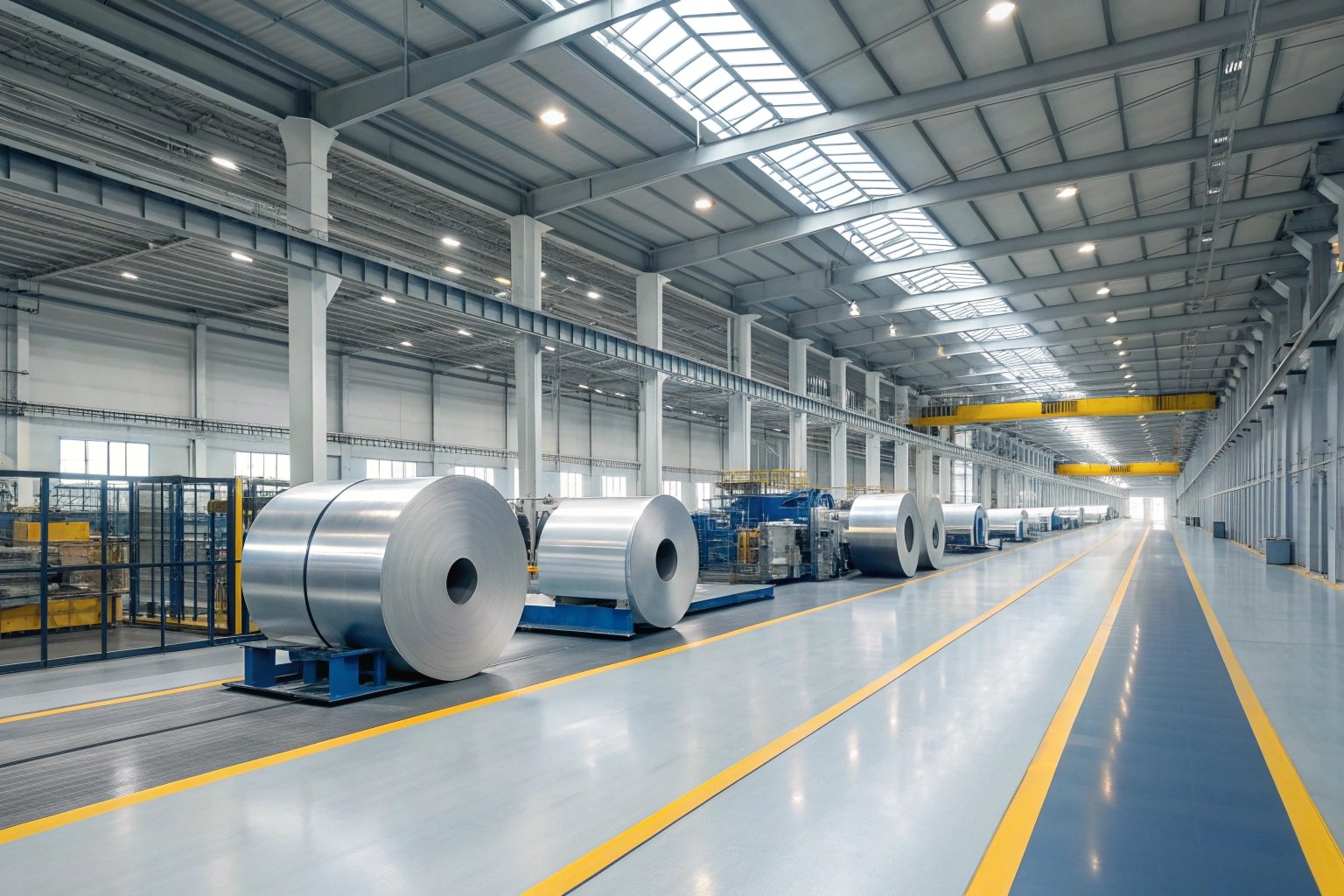
In our integrated facility, these delays vanish. We have the coil in stock (remember that 100,000-ton inventory). We have 53 coating lines running in the same industrial park. We have the stamping presses right next door. We don’t wait for trucks; we use forklifts. We don’t wait for production slots; we schedule them ourselves. This seamless flow allows us to compress a process that might take others 60 days into just 20 to 30 days.
Rapid Response to Demand Spikes
This agility is crucial when your sales forecasts turn out to be wrong. Maybe your product goes viral, or a competitor fails, and suddenly you need double the volume. A non-integrated supplier will tell you, "Sorry, we can’t get more steel for six weeks."
Because we have the raw material on the floor and the excess capacity in our machinery, we can surge production to meet your emergency needs. We can prioritize your urgent order on our printing lines immediately. We act as your strategic reserve, ensuring that you never have to shut down your lines due to a lack of packaging.
Lead Time Comparison: Peak Season
| Process Step | Fragmented Supplier (Days) | Integrated Manufacturer (Days) |
|---|---|---|
| Material Procurement | 15 – 30 (Order & Wait) | 1 – 2 (Pull from Stock) |
| Coating/Printing | 10 – 15 (External Queue) | 3 – 5 (Internal Schedule) |
| Transport between Sites | 3 – 7 | 0 |
| Stamping & Packing | 5 – 7 | 3 – 5 |
| Total Lead Time | 33 – 59 Days | 7 – 12 Days |
Note: These are estimated production times excluding ocean freight.
Conclusion
Sourcing from an integrated manufacturer gives you control. You gain consistent quality, stable pricing, and the speed needed to capture market opportunities, transforming your supply chain from a risk into a competitive advantage.
Footnotes
1. Definition of steel hardness levels used in canning. ↩︎
2. Machinery used to seal lids to can bodies. ↩︎
3. Steps for applying protective lacquers to metal packaging. ↩︎
4. Chemical degradation of metal affecting food safety and shelf life. ↩︎
5. Electrolytic chromium coated steel (ECCS) used in canning. ↩︎
6. Metal lids designed for easy opening without tools. ↩︎
7. Thermal processing standards to ensure commercial sterility in foods. ↩︎
8. Discoloration defect caused by sulfur compounds reacting with metal. ↩︎
9. Analysis ensuring packaging chemicals do not transfer to food. ↩︎
10. Network of entities involved in producing and delivering goods. ↩︎